










Introduction
Finding an effective workstation for a compact floor plan requires balancing spatial efficiency with daily comfort. The 30 inch desk has emerged as a cornerstone solution for urban apartments, shared bedrooms, dorm environments, and hybrid work alcoves. When floor space is at a premium, an oversized executive desk overwhelms room traffic, while an undersized side table lacks the stability and proportions required for active work. A dedicated 30" desk provides an intentional footprint that anchors your essentials without dominating the room.
Rather than viewing a small desk 30 inches wide as a compromise, approaching it with structured spatial planning reveals its distinct strengths. Compact desks force intentional organization, prevent surface clutter accumulation, and fit cleanly into architectural niches that would otherwise remain unused. Whether configured as a streamlined writing console or a dedicated computer hub, selecting the right profile turns even a micro-nook into an inspiring, functional workspace.
Understanding the 30-Inch Desk Footprint: Surface Dimensions and Usable Zones
Evaluating a 30 inch wide desk begins with understanding how horizontal width interacts with tabletop depth. While thirty inches defines the lateral width from edge to edge, total utility depends equally on the depth and height profiles of the furniture piece.
Width vs. Depth Trade-Offs in Compact Desks
A standard 30 inch width desk generally pairs with one of two depth profiles: shallow or deep. Shallow profiles, often measuring between eighteen and twenty inches deep, function primarily as writing or laptop perches. They excel in high-traffic corridors, narrow bedrooms, and converted entryways because they project minimally into the room. In contrast, deeper variations that push closer to twenty-four inches create comfortable separation between your keyboard and screen, accommodating full desktop equipment without cramping your arms.
Assessing Equipment Capacity: Laptops, Tablets, and Compact Displays
On a 30 in wide desk, surface allocation must be deliberate. A standard laptop spans twelve to fifteen inches, leaving approximately half the surface open for mouse movement, a notebook, or a cup. If you utilize an external monitor on a 30 computer desk, mounting the display on an adjustable arm or utilizing an elevated shelf frees critical real estate beneath the screen. Compact wireless peripherals keep keyboard and trackpad boundaries tidy, preserving a functional staging zone for paper notes or secondary mobile devices.
Desk Formats: Comparing Writing, Computer, and Storage-Integrated Configurations
Not all compact desks share the same structural priorities. The interior architecture of your workspace dictates whether an open frame or built-in cabinetry best serves your daily routine.
Open-Leg Minimalist Writing Desks
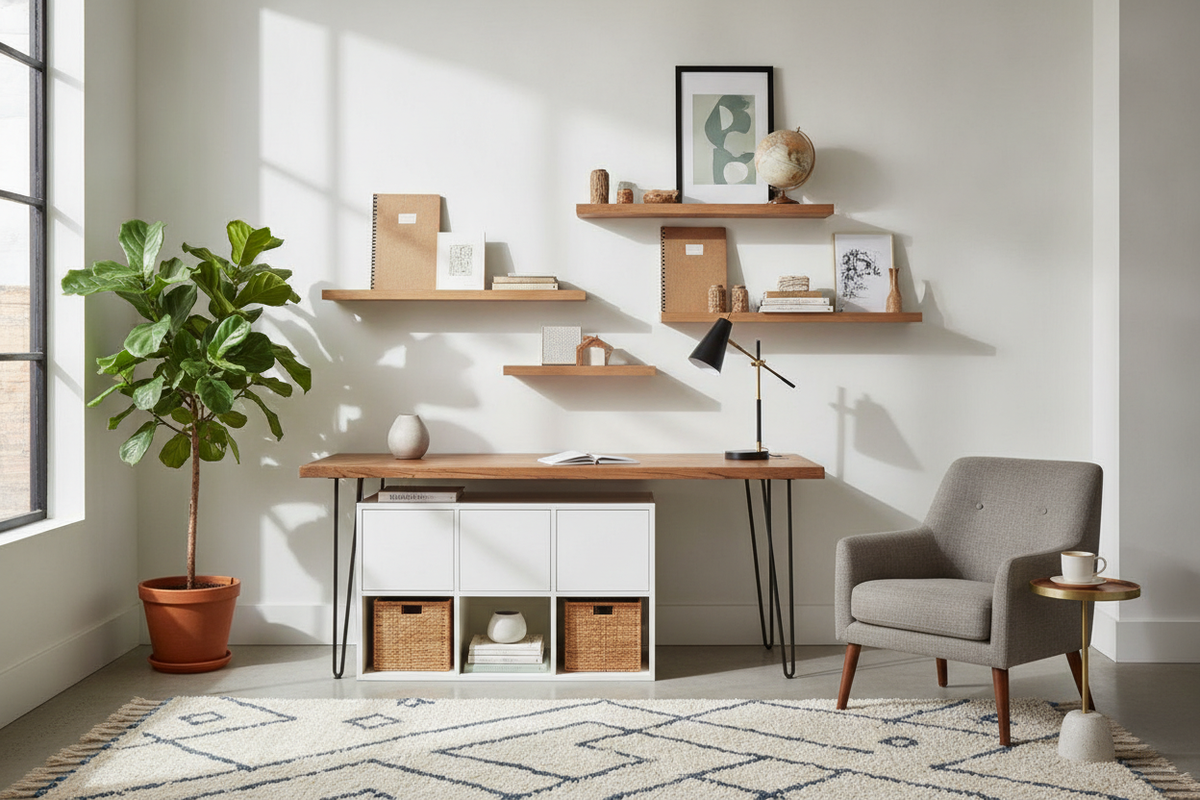
A minimalist 30 writing desk prioritizes visual lightness and leg clearance. Supported by four slender legs or a geometric metal frame, this format leaves the area under the desktop fully open. This open volume allows your task chair to slide in completely when work is finished, preserving floor space in tight bedrooms. However, open writing desks offer virtually no hidden storage, requiring clean desktop discipline and separate containers for office accessories.
30-Inch Desks with Integrated Drawers and Shelves
For users who must stow away notebooks, charging cords, and stationary out of sight, a 30 inch desk with drawers offers a self-contained work hub. Designers incorporate storage into compact furniture through either a shallow pencil drawer under the top panel or an offset tier of vertical drawers. If you find your work demands substantial file capacity and built-in locking compartments, comparing compact options against a dedicated white desk drawers product highlights how expanding width creates distinct storage zones.
Square Footprints: The 30 by 30 Inch Multi-Use Station
The 30" x 30" desk format provides a balanced square perimeter. These proportions function exceptionally well as hybrid tables in micro-apartments, shifting seamlessly between a morning breakfast corner, an afternoon typing desk, and an evening reading zone. The square footprint also slots comfortably into recessed window bays, giving you deep arm support while framing outdoor light.
Room Planning: Integrating a 30-Inch Desk into Tight Architectural Nooks
Proper placement ensures a compact desk feels like an organic architectural fixture rather than an afterthought squeezed against a wall.
Alcove and Closet Conversions (Cloffices)
Built-in architectural alcoves and closet niches are natural candidates for a 30 desk. Standard interior closets often provide thirty to thirty-six inches of unobstructed interior opening. Placing a 30 in desk inside an alcove creates a dedicated work niche that can be concealed with sliding pocket doors or drapery at the end of the workday, preserving psychological boundaries between focus hours and rest.
Bedroom Corners and Multi-Purpose Living Zones
In bedroom settings, pairing a 30 inch desk white finish beside a bed frame allows the desk to double as a dual-purpose nightstand. In larger open living areas where a full corner station is viable, looking at an L-shaped alternative such as a white computer desk product provides a broader multi-monitor baseline. When space is restricted to a single flat wall, however, a straight 30 long desk keeps perimeter walkways unobstructed.
Seating Push-Back and Walkway Clearance
When measuring your room layout, remember to account for chair clearance behind the desk edge. An occupied office chair requires ample push-back space so you can stand and sit without striking a bed frame or adjoining wardrobe. Selecting a task chair with flip-up arms or a low-profile swivel base ensures the seat tucks completely under the desk apron when idle.
Materiality and Visual Weight: Finishes That Enhance Compact Spaces
In confined rooms, the physical footprint of furniture is only half the equation; visual weight determines whether a space feels open or cluttered.
Crisp White and Reflective Laminate Surfaces
Light-reflecting surfaces are ideal for micro-offices. A 30 inch wide white desk reflects ambient daylight across the room, reducing dark shadows and brightening surrounding walls. To maintain spatial harmony, exploring our small white drawers guide demonstrates how light-toned cabinetry lifts darker corners. Durable laminate coatings also resist everyday micro-scratches from laptop bases, mugs, and desktop hardware.
Slimline Metal Frames vs. Solid Panel Construction
Desks featuring powder-coated steel legs provide exceptional structural stability while allowing sightlines to flow uninterrupted to the baseboards. Conversely, solid wood or engineered panel builds offer a grounded, substantial appearance with enclosed knee wells, concealing wall outlets and wire tangles behind a clean backdrop.
Vertical Storage and Adjacent Organization Strategies
Because a thirty-inch tabletop limits sprawling desktop arrangements, expanding upward prevents operational bottlenecks.
Utilizing Wall Clearance Above the Desk
The empty vertical wall plane above your desk represents high-value organizational territory. Installing floating ledges, modular pegboards, or hanging document sorters shifts desk pads, reference books, and task lighting off the primary work surface. In our comprehensive desk small spaces guide, we detail practical strategies for combining overhead shelving with compact workstations to multiply functional storage capacity.
Coordinating Beside Auxiliary Storage and Drawer Units
When built-in drawer space is minimal, positioning a slim mobile filing pedestal or compact drawer tower directly beside your desk frame extends your work zone. Stowing hard drives, stationary supplies, and charging equipment inside auxiliary drawers keeps the primary thirty-inch surface clear for active tasks.
Assembly, Cable Routing, and Daily Workspace Maintenance
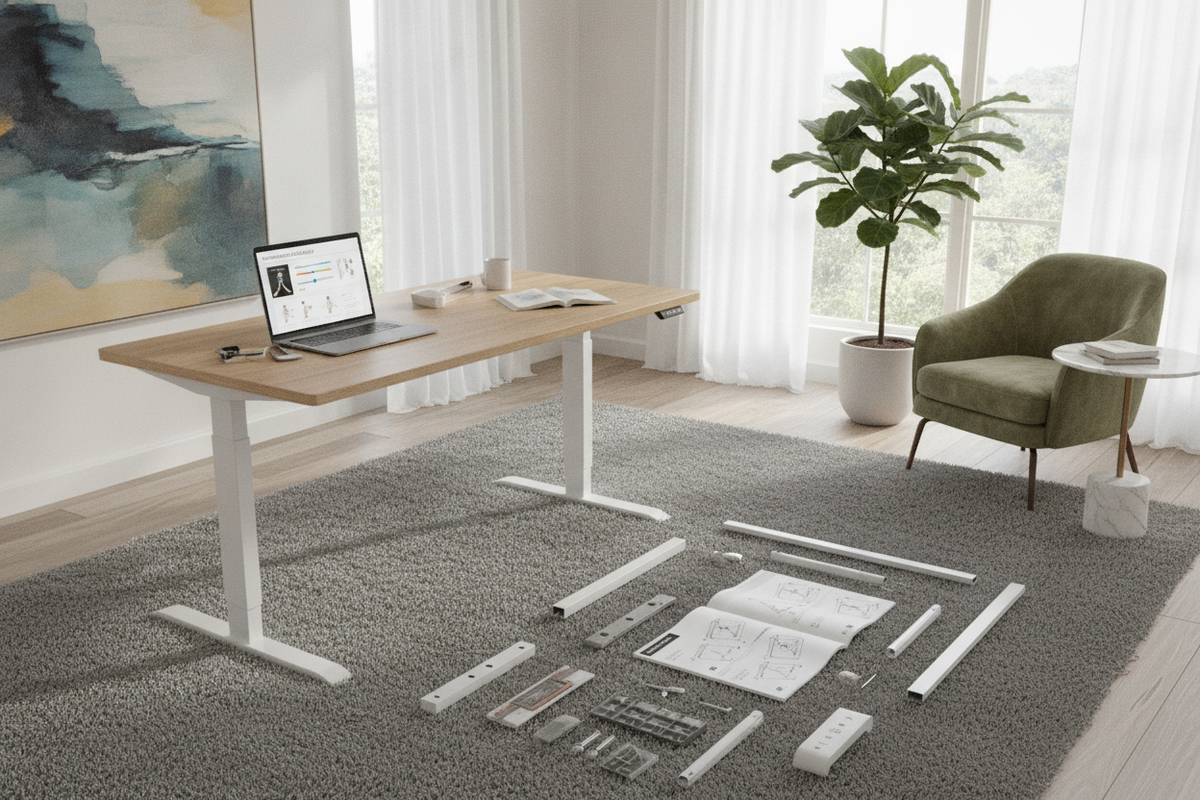
Long-term satisfaction with a compact workstation relies on consistent stability and tidy cable routing. During assembly, ensure all fasteners are tightened squarely on a level surface, adjusting built-in leveling glides to neutralize uneven flooring and eliminate wobble.
Cable management requires special attention on smaller furniture frames. An under-desk cable tray or adhesive conduit channels eliminate hanging power strips and drooping cords. Adopting an end-of-day clearing routine—returning pens, mugs, and notebooks to their dedicated homes—ensures that your thirty-inch workspace remains an inviting, focused sanctuary every morning.

Dejar un comentario
Este sitio está protegido por hCaptcha y se aplican la Política de privacidad de hCaptcha y los Términos del servicio.