











Bedroom




2-Year Warranty
Basic Warranty Terms
Products Covered: All furniture
Duration:
All furniture:2 years from date of delivery
Exception: The fabrics, seat cushions, leather covers, and LED lighting components are 1-year warranty and can be replaced at a minimal cost, provided the original warranty documentation is still available.
Accessory Warranty Terms: All purchased accessories are non‑refundable once ordered and delivered. We provide free re‑shipment replacement for any accessories damaged during transit. Accessories enjoy a 1‑year limited warranty commencing on the delivery date. This warranty does not cover defects resulting from improper installation, misuse, accidental damage, normal wear and tear, or unauthorized disassembly and modification.
Notice: This warranty policy is effective starting January 1, 2026, and applies exclusively to orders placed directly on the official FUFUGAGA website (fufugaga.com). Purchases from any third-party retailers, online marketplaces, or unauthorized resellers are not covered. The Warranty policy applies solely to the original purchaser from the official FUFUGAGA website.
*For more information, Warranty Policy .
Warranty Agreement and Restrictions
This limited warranty DOES NOT cover any loss and/or damage due to:
1. Improper Use.
2. Accident.
3. Neglect.
4. Acts of God. Relate to events outside human control, like flash floods, earthquakes, or other natural disasters.
5. Improper installation.
6. Improper maintenance and care. Using abrasive cleaners such as powders, bleach, ammonia, alcohol, or chlorine, or steel wool, or wire brushes.
7. Modification, or adjustment or repair.
8. Normal wear and tear from daily use.
Before You File a Warranty Claim
If you believe that you have a warranty claim, contact FUFUGAGA.com .
Email: customerservice@fufugaga.com
Hours:
Monday to Friday: 10a - 6p EST
Saturday to Sunday: 10a - 2p EST
Please be sure to provide all pertinent information regarding your claim, including a copy of your original order confirmation, confirm the item number & Qty of the defective item(s), a complete description of the problem, provide pictures or video evidence clearly showing the problem.
Product Details
Product Description
Details
Specs
Warranty
Reviews
Key Takeaways
- Quality bedroom furniture directly impacts your sleep, daily routines, and how organized your home feels.
- This guide covers beds, storage pieces, seating, and smart space-saving options for rooms of all sizes.
- You’ll learn how to choose the right sizes, materials, and layouts that fit real homes and real budgets.
- Concrete examples like a queen bed with storage drawers or a 6-drawer dresser anchor the advice in practical terms.
- Check the FAQ section for extra tips on durability, furniture lifespans, and mixing different furniture styles.
Introduction to Bedroom Furniture
Your bedroom is where each day begins and ends. The furniture you place in this room shapes everything from how quickly you fall asleep to how efficiently you get ready in the morning. Unlike living areas designed for guests, the bedroom serves your personal needs first—rest, storage, and a quiet space to recharge.
The core pieces in a typical bedroom include the bed frame, mattress, nightstands on either side, a dresser or chest of drawers for clothing, and possibly a wardrobe if built-in closet space is limited. Beyond these essentials, you might add seating like an accent chair or storage ottoman, a vanity for grooming, or a compact desk if you work from home. Each piece should earn its place by solving a real problem or adding genuine comfort.
Consider the difference between a minimalist bedroom with just a bed and nightstand versus a fully furnished room with a dresser, seating area, and dedicated workspace. Neither approach is inherently better—what matters is matching your furniture to how you actually live. A 10’ x 10’ small room demands careful selection to avoid feeling cramped, while a 12’ x 14’ primary bedroom offers more flexibility for additional pieces. Throughout this article, you’ll find specific guidance on choosing beds, optimizing storage, adding functional seating, planning your layout, and shopping smart—whether online or in person.
Choosing the Right Bed Frame
The bed is the undeniable centerpiece of any bedroom. It’s typically the largest piece in the room and often represents the biggest single furniture investment you’ll make. Getting this choice right sets the foundation for everything else.
Standard Bed Sizes
Understanding bed dimensions helps you match the frame to your room:
|
Size |
Dimensions |
Best For |
|---|---|---|
|
Twin |
39” x 75” |
Kids’ rooms, narrow guest spaces |
|
Twin XL |
39” x 80” |
Taller individuals, dorm rooms |
|
Full/Double |
54” x 75” |
Single adults, teens |
|
Queen |
60” x 80” |
Couples, most primary bedrooms |
|
King |
76” x 80” |
Couples wanting extra space |
|
California King |
72” x 84” |
Taller individuals, elongated rooms |
For room size recommendations, a queen bed works well in rooms 10’ x 10’ or larger, while king beds typically need at least 12’ x 12’ to allow comfortable walking paths around the bed.
Bed Frame Styles
Platform beds deliver a sleek, low-profile silhouette with slatted or solid bases. They eliminate the need for box springs and often maximize under-bed storage. A low-profile oak platform bed with built-in slats works beautifully in modern or Scandinavian-inspired spaces.
Panel beds feature flat panels on headboards and footboards supported by slat systems. They lean traditional but adapt to various styles. The large, solid-panel headboard anchors the room visually and pairs well with matching dressers.
Sleigh beds stand out with elegantly curved headboards and footboards, evoking timeless sophistication. However, they demand ample floor space and can make smaller rooms feel cramped. The higher footboards may also limit legroom for taller sleepers.
Upholstered beds in linen or velvet prioritize plush comfort. Choose tufted designs for a classic look or clean-lined profiles for contemporary spaces. Many upholstered frames come with washable covers—a practical advantage if you have pets or allergies.

When matching your bed to existing décor, consider these pairings:
- Modern spaces: Metal or low-profile platform beds with clean lines
- Rustic rooms: Solid pine or reclaimed wood frames with visible grain
- Traditional bedrooms: Panel beds in cherry or mahogany with carved details
Practical details matter too. Some beds require specific mattress types or box springs, and the height from floor to mattress top affects how easily you get in and out of bed. Standard mattress-top heights range from 20 to 25 inches, which most people find comfortable.
Space-Saving and Specialty Beds
When square footage is limited, your bed can work harder for you. Small bedrooms, guest rooms, and studio apartments all benefit from beds that maximize function without dominating the room.
Storage beds feature drawers or lift-up platforms that create hidden space for clothing, linens, or seasonal items. A queen bed with 4 deep side drawers can replace a small dresser entirely, freeing floor space for other furniture. This makes them ideal for bedrooms without adequate closet space.
Murphy beds (wall beds) fold flat against the wall when not in use, transforming a sleeping space into a home office or living area. They’re particularly suited for compact city apartments where every square foot counts.
Daybeds function as sofas during the day and beds at night. Standard daybed dimensions run about 39” x 75” (twin size), making them perfect for guest rooms that double as reading nooks or home offices.
Trundle beds slide a secondary sleeping surface beneath the main bed, providing extra capacity for sleepovers without permanent floor commitment. They’re popular in kids’ rooms and guest bedrooms.
Bunk beds and loft beds stack sleeping areas vertically. For children and teens, these maximize play or study space underneath. Safety considerations include sturdy guardrails at least 5 inches above the mattress top and secure ladder placement.
Mattresses and Sleep Essentials
The right mattress supports your posture through the night and works in harmony with your bed frame. While you might save money on a dresser, the mattress is one place where quality genuinely affects your daily life.
Mattress Types Compared
|
Type |
Benefits |
Drawback |
|---|---|---|
|
Innerspring |
Responsive feel, good airflow, typically lower cost |
Can develop sagging over time |
|
Memory Foam |
Excellent pressure relief, motion isolation |
May retain heat, slower response |
|
Latex |
Durable, naturally cooling, bouncy support |
Higher price point |
|
Hybrid |
Combines foam comfort with coil support |
Can be heavy and difficult to move |
Firmness levels range from soft to firm, and the right choice depends on your sleeping position:
- Side sleepers generally prefer soft to medium firmness for shoulder and hip cushioning
- Back sleepers often do well with medium to medium-firm support
- Stomach sleepers typically need firmer surfaces to prevent lower back strain
- Combination sleepers benefit from medium firmness with responsive materials
Quality mattresses typically last 7 to 10 years. Signs it’s time to replace yours include visible sagging, waking with aches that fade during the day, and significantly better sleep when you travel.
Essential accessories include mattress protectors (waterproof options extend mattress life), toppers for adjusting firmness without full replacement, and pillows that complement your mattress firmness and sleeping position.
When purchasing, look for in-home trial periods of 90 to 120 days. Check return policies carefully and measure your stairways and doorways before delivery—a king mattress won’t compress like a mattress-in-a-box option.
Headboards, Footboards, and Bed Accessories
Headboards add both comfort and visual height to your bed, creating a finished focal point in the room. Footboards complete the frame but are increasingly optional in modern designs.
Common materials include:
- Solid wood – Durable and classic, though heavier and typically more expensive
- Metal – Industrial or elegant depending on finish, lightweight and sturdy
- Woven rattan – Adds texture and warmth, works well in coastal or bohemian spaces
- Upholstered fabric – Comfortable for sitting up in bed, available in countless colors and textures
Wall-mounted headboards attach directly to the wall rather than the bed frame, making them ideal for renters who want to avoid furniture marks or homeowners seeking a floating aesthetic. Standalone headboards attach to the frame and move with the bed.
Modern headboards often include functional add-ons like built-in shelves for books and phones, USB charging ports, or integrated reading lights. These features reduce nightstand clutter and keep essentials within arm’s reach.
Your bedding should coordinate with the bed frame to create a cohesive look. A dramatic upholstered headboard in deep velvet works with simpler, solid-colored bedding, while a minimal platform frame can support bolder patterns and textures.
Storage Furniture: Dressers, Chests, and Wardrobes
Clutter is the enemy of restful sleep. Effective bedroom storage keeps clothing organized, surfaces clear, and the room feeling calm rather than chaotic.
Dressers vs. Chests
A wide dresser (typically 6 to 8 drawers) runs 50 to 70 inches wide and stands about 30 to 36 inches tall. It provides ample surface area for mirrors, jewelry boxes, or decorative items. This horizontal profile works well opposite the bed, balancing the visual weight of the room.
A tall chest of drawers (often 5 to 6 drawers) occupies less floor space—usually 30 to 40 inches wide—while rising 45 to 55 inches high. This vertical storage solution fits well in corners or narrow wall sections where a wide dresser wouldn’t work.
Wardrobes and Armoires
Freestanding wardrobes compensate in homes lacking built-in closets. They typically include:
- Hanging rod space for shirts, dresses, and jackets
- Adjustable shelves for folded items
- Sometimes drawers in the base section
Armoires offer similar function with more traditional styling, often featuring carved details and decorative hardware.
Materials and Durability
|
Material |
Durability |
Best For |
|---|---|---|
|
Solid hardwood (oak, maple) |
20+ years with care |
Long-term investment pieces |
|
Rubberwood |
15+ years, sustainable option |
Eco-conscious buyers seeking value |
|
Engineered wood/MDF |
5-15 years depending on quality |
Budget-friendly options |
|
Metal |
15+ years |
Industrial or modern aesthetics |
Look for drawer hardware that feels solid and soft-close mechanisms that prevent slamming. For tall furniture in homes with children, anti-tip anchoring kits are essential safety features.
Layout examples:
- Place a low dresser (under 34” tall) opposite the bed to create balanced visual weight
- Position a tall chest in a corner to maximize floor space for walking paths
- Flank a dresser with matching mirrors or artwork for a hotel-like feel

Nightstands and Bedside Storage
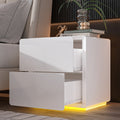
Nightstands serve as command centers for nighttime essentials—lamps, phones, glasses, books, medications, and alarm clocks. Their height matters more than most people realize.
Standard nightstand height should align with or sit slightly below the top of your mattress, typically 24 to 28 inches tall. This allows comfortable reach for items without straining up or down from a lying position.
Nightstand styles to consider:
- Single-drawer designs with open shelf space below—good for visible items like books
- Multi-drawer nightstands that hide clutter completely
- Open-shelf units for those who prefer everything visible and accessible
For small bedrooms, consider alternatives that free up floor area:
- Floating nightstands mounted directly to the wall
- Narrow C-tables that slide under the bed edge
- Wall-mounted shelves with a small drawer
Practical features worth seeking include built-in cable management holes for phone chargers, USB charging ports, and soft-close drawer mechanisms that won’t wake a sleeping partner.
Seating, Desks, and Multi-Use Pieces
Modern bedrooms often serve multiple purposes beyond sleeping. A reading nook by the window, a workspace for remote days, or a dedicated dressing area all require thoughtful furniture choices.
Seating Options
- Upholstered accent chairs create comfortable reading spots, typically 20 to 36 inches wide
- Window benches with storage provide seating plus hidden space for blankets or books
- Storage ottomans at the foot of the bed offer seating, footrest function, and concealed storage
Vanity Tables
Vanity tables with mirrors and drawers create dedicated grooming spaces. Standard widths run 30 to 48 inches, with a matching stool or small chair. Position the vanity near a window for natural light, or ensure adequate artificial lighting around the mirror.
Bedroom Desks
Compact desks for bedroom offices should prioritize depth (24 to 30 inches allows for a monitor and keyboard) and cable management to keep the space feeling calm rather than cluttered. Writing desks with clean lines integrate better into sleeping spaces than bulky office furniture.
Multi-Use Pieces
The most valuable bedroom furniture often serves double duty:
- Storage benches at the foot of the bed provide seating while concealing extra linens
- Ottomans with removable tops work as laundry hampers or blanket storage
- Desks that close to hide work when not in use
Balance function with visual openness. Extra furniture should solve problems without making the room feel cramped.

Furniture for Kids’, Teen, and Guest Bedrooms
Different life stages demand different bedroom solutions.
Kids’ rooms need durability above all. Choose:
- Twin or bunk beds with sturdy construction
- Low dressers that children can access independently
- Toy storage that transitions to school storage as they grow
- Rounded corners and stable bases for safety
Teen rooms require more flexibility:
- Loft beds with desk space underneath maximize study areas
- Wider desks accommodate computers and homework spread
- Extra seating for friends—bean bags or floor cushions work well
Guest rooms prioritize comfort for occasional use:
- A comfortable bed or high-quality sleeper sofa
- Simple storage like a luggage rack and empty dresser drawer
- A small nightstand with lamp and perhaps a phone charger
For younger children’s furniture, prioritize easy-clean materials, anti-tip kits for all tall furniture, and rounded corners wherever possible.
Bedroom Layout, Style, and Buying Tips
Planning your layout before purchasing prevents costly mistakes. A tape measure and simple floor sketch—even on paper—saves time, money, and frustration.
Planning Your Layout
Before selecting any pieces:
- Measure room dimensions including alcoves and closet depths
- Note window placement and how far they open
- Check door swing—do they open into the room?
- Mark outlet and switch locations
- Identify any heating vents, radiators, or architectural features
Layout Examples
Small room (10’ x 11’) with full bed:
- Position the full bed against the longer wall
- Use a single nightstand if floor space is tight
- Choose a tall chest rather than wide dresser
- Skip additional seating unless it doubles as storage
Primary bedroom (12’ x 14’) with queen bed:
- Center the queen bed on the main wall
- Place matching nightstands on both sides
- Add a 6-drawer dresser opposite the bed
- Include an accent chair near the window
Mixing Styles and Finishes
You don’t need a matching bedroom set. Mixing furniture works when you connect pieces through:
- Consistent hardware finishes (all brass, all matte black)
- A shared color palette (warm woods together, cool grays together)
- Repeated materials or textures
Successful combinations include:
- Walnut bed frame with black metal nightstands and a white dresser
- Upholstered gray headboard with oak nightstands and matching oak dresser
- Metal bed frame with mixed-material nightstands featuring wood and metal
Budget Tips
- Prioritize the mattress and bed frame—you use them every night
- Add storage pieces next, as clutter impacts how the room feels
- Layer in accent pieces over time rather than purchasing everything at once
- Quality nightstands and dressers last decades; decorative items can be swapped affordably
Maintenance Basics
- Dust weekly with a microfiber cloth
- Use coasters under glasses and bottles on wood surfaces
- Tighten hardware (drawer pulls, bed frame bolts) annually
- Protect wood furniture from direct sunlight to prevent fading
- Vacuum upholstered pieces monthly
Online vs. In-Store Shopping
Most people now combine online research with in-store visits—and that’s the smart approach.
Online shopping advantages:
- Broader selection beyond local inventory
- Price comparison across retailers
- Customer reviews with real photos showing true quality
- Convenience of browsing from home
In-store shopping advantages:
- Testing mattress comfort before committing
- Checking drawer glide quality and construction
- Seeing true colors and finishes in person
- Immediate answers to questions
When shopping online, be aware that some websites use a security service to protect against online attacks. If you encounter a page where you’re blocked or unable to access product information, this typically means the site’s security solution detected something unusual. You might see a message mentioning a cloudflare ray id found at the bottom of the page, or reference to a cloudflare ray identifier. This security measure helps protect both the site owner and shoppers from malformed data or sql command injection attacks.
If you find yourself blocked, several actions can resolve the issue: refresh the page, clear your browser cache, or contact the seller directly via email. Sometimes a certain word or phrase in your search, or submitting a particular order form, can trigger these protections. The block typically displays your ip address and a cloudflare ray i reference number you can share with the site owner to resolve the issue. These performed triggered responses protect against legitimate threats while occasionally catching normal shoppers.
A practical shopping process:
- Research and shortlist 3-5 options online for each major piece
- Read reviews focusing on durability and assembly quality
- Visit a showroom to confirm key pieces—especially the mattress
- Compare final prices including delivery and assembly fees
- Check return windows and policies before clicking to finalize
Many retailers offer delivery options ranging from curbside drop-off to white-glove assembly. Understand what’s included and any additional fees before purchase.
FAQ: Bedroom Furniture
Q: How long should quality bedroom furniture last, and which pieces are worth investing more in?
A: Solid-wood bed frames and dressers typically last 15 to 25 years or longer with proper care—some become heirloom pieces passed between generations. Mattresses generally last 7 to 10 years before support degrades noticeably. Prioritize your budget for the mattress (which directly affects sleep quality), the bed frame (the room’s focal point and structural foundation), and any storage pieces you’ll use daily. Decorative accents like throw pillows, lamps, and artwork can be updated affordably as your style evolves.
Q: What is the minimum space I need around the bed for comfortable movement?
A: Aim for 24 to 30 inches of clearance on each accessible side of the bed. This provides enough room to make the bed comfortably and move around at night without bumping furniture. In tight rooms, pushing one side of the bed against a wall is acceptable—just ensure the accessible side has adequate clearance. Don’t forget to account for door swing; a door that opens into the room needs clearance to function.
Q: How can I make mismatched bedroom furniture look coordinated?
A: Unify different pieces through consistent hardware finishes, a shared color palette, or repeating material elements. For example, swap hardware on a dresser to match your bed frame’s metal finish, or paint mismatched nightstands the same color as your headboard. Layering similar textiles (matching throws on the bed and chair) also creates visual connection. Two nightstands don’t need to match each other if they share similar scale and one unifying element like the same lamp style.
Q: Are flat-pack bedroom furniture sets durable enough for long-term use?
A: Ready-to-assemble furniture quality varies dramatically. Check weight capacities in product specifications, material composition (solid wood components last longer than particleboard), and customer reviews mentioning longevity. With careful assembly—following instructions precisely, tightening all hardware, and using wood glue on joints—flat-pack furniture can last 10+ years. Plan to check and tighten connections annually, especially on beds and heavily-used drawers.
Q: What should I do with old bedroom furniture when upgrading?
A: For usable items in good condition, donate to local charities like Habitat for Humanity ReStore or Salvation Army—many offer free pickup. Selling through online marketplaces connects you with people actively seeking secondhand furniture. For items beyond repair, arrange bulk pickup through municipal services or check if your new furniture retailer offers haul-away programs. Many mattress retailers now provide recycling for old mattresses when delivering new ones.
Creating your dream bedroom starts with understanding the space you have and the way you actually live in it. Whether you’re furnishing a compact studio apartment or a spacious primary suite, the principles remain the same: prioritize sleep quality with a good mattress and supportive bed frame, add storage that keeps clutter controlled, and layer in additional pieces only as they earn their place.
Take inspiration from the examples throughout this guide, but adapt them to your specific room dimensions and daily routines. Measure twice, buy once, and don’t feel pressured to furnish everything at once. The best bedrooms evolve over time as you find pieces that truly fit your life.
Your next step? Grab a tape measure this weekend, sketch your room dimensions, and identify which piece of furniture deserves your attention first. Share your bedroom layout challenges or favorite furniture finds—sometimes the best tips come from people who’ve solved the same problems you’re facing.