











Dining Room






2-Year Warranty
Basic Warranty Terms
Products Covered: All furniture
Duration:
All furniture:2 years from date of delivery
Exception: The fabrics, seat cushions, leather covers, and LED lighting components are 1-year warranty and can be replaced at a minimal cost, provided the original warranty documentation is still available.
Accessory Warranty Terms: All purchased accessories are non‑refundable once ordered and delivered. We provide free re‑shipment replacement for any accessories damaged during transit. Accessories enjoy a 1‑year limited warranty commencing on the delivery date. This warranty does not cover defects resulting from improper installation, misuse, accidental damage, normal wear and tear, or unauthorized disassembly and modification.
Notice: This warranty policy is effective starting January 1, 2026, and applies exclusively to orders placed directly on the official FUFUGAGA website (fufugaga.com). Purchases from any third-party retailers, online marketplaces, or unauthorized resellers are not covered. The Warranty policy applies solely to the original purchaser from the official FUFUGAGA website.
*For more information, Warranty Policy .
Warranty Agreement and Restrictions
This limited warranty DOES NOT cover any loss and/or damage due to:
1. Improper Use.
2. Accident.
3. Neglect.
4. Acts of God. Relate to events outside human control, like flash floods, earthquakes, or other natural disasters.
5. Improper installation.
6. Improper maintenance and care. Using abrasive cleaners such as powders, bleach, ammonia, alcohol, or chlorine, or steel wool, or wire brushes.
7. Modification, or adjustment or repair.
8. Normal wear and tear from daily use.
Before You File a Warranty Claim
If you believe that you have a warranty claim, contact FUFUGAGA.com .
Email: customerservice@fufugaga.com
Hours:
Monday to Friday: 10a - 6p EST
Saturday to Sunday: 10a - 2p EST
Please be sure to provide all pertinent information regarding your claim, including a copy of your original order confirmation, confirm the item number & Qty of the defective item(s), a complete description of the problem, provide pictures or video evidence clearly showing the problem.
Product Details
Product Description
Details
Specs
Warranty
Reviews

Your dining room is where weeknight dinners happen, where holiday celebrations unfold, and increasingly, where laptops open for remote work between meals. The furniture you choose for this space does more than fill square footage—it shapes how your family gathers, how guests feel when they visit, and how functional your home actually is day to day.
This guide walks you through everything you need to know about selecting dining room furniture that fits your room, your lifestyle, and your personal style. You’ll learn how to choose the right table size and shape, which materials hold up best for busy households, how to plan your layout for comfortable movement, and whether buying a complete dining set or mixing individual pieces makes more sense for you.
Key Takeaways
- Dining room furniture includes tables, chairs, benches, stools, and storage pieces like sideboards and buffets—mixing furniture styles and finishes creates a more personalized look than matching sets alone.
- Table size matters: allow at least 24 inches of width per person and maintain 36 inches of clearance between the table edge and walls for chairs to slide out comfortably.
- Material choice affects durability and maintenance—solid wood ages beautifully and repairs easily, glass opens up smaller rooms visually, and performance fabrics on seating handle spills and kids.
- Round tables promote more equitable conversation and work well in compact spaces, while rectangular tables seat the most guests efficiently for larger gatherings.
- Storage furniture like sideboards and display cabinets keep linens, dinnerware, and glassware organized while adding a design statement to the room.
What Counts as Dining Room Furniture?
Dining furniture encompasses the core pieces that support everyday meals, celebrations, and the increasingly common work-from-home use of dining spaces. These aren’t just functional items—they define how your dining room looks, feels, and functions.
The primary dining furniture categories include:
|
Category |
Purpose |
Examples |
|---|---|---|
|
Dining tables |
Central gathering surface for meals and activities |
Rectangular, round, oval, square, extendable |
|
Dining chairs and benches |
Primary seating around the table |
Side chairs, armchairs, dining benches |
|
Bar and counter stools |
Seating for kitchen islands and breakfast bars |
Backless, swivel, upholstered |
|
Sideboards and buffets |
Storage for dishes, linens, and serving pieces |
Credenzas, buffet tables |
|
Display cabinets |
Showcase and protect china, stemware, collections |
Hutches, curio cabinets |
|
Bar cabinets |
Store bottles, glassware, and bar tools |
Bar carts, wine cabinets |
Beyond these main pieces, textiles like rugs and seat cushions, lighting fixtures like pendants and sconces, and small storage items like bar carts and consoles complete the room. These supporting elements add layers of comfort, personality, and function.
A “dining set” typically refers to a table sold with matching chairs, but many buyers now prefer to mix individual pieces for a customized look that reflects their personality. The rest of this article will walk you through choosing each category for your space, style, and lifestyle.
Dining Tables: The Centerpiece of the Room
The dining table is both the functional and visual anchor of any dining room. It’s where your family gathers for a quick weekday meal, where guests linger over dessert, and where kids spread out homework between dinner prep. Choosing the right table means balancing shape, size, and style with how you actually use the space.
Table Shapes and Their Best Uses
Rectangular tables are the most common and efficient option. They seat the most people per square foot, fit naturally in long or standard-shaped rooms, and create a clear visual line. They work equally well for intimate dinners and large gatherings.
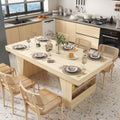
Round tables promote face-to-face conversation without a defined “head” position, creating a casual, democratic feel. They’re ideal for smaller rooms because they eliminate corners that can feel cramped. Other options, such as kitchen islands, can also be considered for maximizing space and functionality. Studies suggest round tables encourage more equitable conversation time among diners.
Square tables suit compact, balanced layouts and typically seat four people comfortably. They work well in breakfast nooks or apartment dining areas where space is at a premium.
Oval tables combine the seating capacity of rectangular shapes with the softer flow of round designs. They’re particularly effective in long, narrow rooms where a sharp-cornered rectangle might feel too imposing.
Size and Seating Capacity
Choosing the right table size comes down to how many people you need to seat regularly and how much room you have. Here’s a practical guide:
|
Table Shape |
Size |
Comfortable Seating |
|---|---|---|
|
Rectangular |
60 inches |
4–6 people |
|
Rectangular |
72 inches |
6 people |
|
Rectangular |
84 inches |
6–8 people |
|
Rectangular |
96 inches |
8–10 people |
|
Round |
42 inches |
4 people |
|
Round |
48 inches |
4–5 people |
|
Round |
54–60 inches |
6–8 people |
|
Square |
36–42 inches |
4 people |
Standard dining table height falls between 28 and 30 inches (71–76 cm), which pairs with standard dining chairs and benches. This height allows comfortable leg clearance while keeping the eating surface at an ergonomic level.
Extension and Space-Saving Options
Expandable tables offer the best of both worlds for apartments and homes that occasionally host larger groups. Drop-leaf tables fold down to a compact size for daily use, then expand when guests arrive. Self-storing leaf tables keep extensions hidden inside the table frame, eliminating the need to store leaves elsewhere.
For smaller rooms, a round drop-leaf table with a pedestal base maximizes floor space while maintaining flexibility for entertaining.
Table Base Types
The base design affects both aesthetics and practicality:
- Four-leg bases are classic and versatile, offering stability for tables of any size while allowing easy chair placement at corners
- Trestle bases provide excellent legroom along the sides and a farmhouse or rustic character
- Pedestal bases work best for round or square tables up to about 42 inches, creating a statement look while freeing up legroom
- Double pedestal bases support larger tables while maintaining legroom for guests seated in the middle
Popular Dining Table Materials & Finishes
Materials impact how your table looks, how long it lasts, and how much maintenance it requires. The right choice depends on your household’s needs and your tolerance for upkeep.
Solid wood (oak, maple, walnut, ash) remains the gold standard for durability and repairability. These tables develop character over time, aging with a lived-in patina that many homeowners love. They’re ideal for families who want a table that can handle daily use and be refinished years later if needed. Hardwoods significantly outperform softwoods in longevity.
Wood veneer over an engineered core offers a more affordable way to achieve a wood look with a stable, smooth finish. Modern veneers have improved dramatically and can be difficult to distinguish from solid wood at first glance.
Glass tops create visual lightness that makes smaller rooms feel more open. They pair well with modern and contemporary design directions but require regular cleaning to avoid visible fingerprints and smudges.
Metal bases in black steel, brass, or brushed nickel add an industrial or contemporary edge. These are typically paired with wood or glass tops to create mixed-material designs that feel current without being trendy.
Specialty surfaces like ceramic, stone, or high-pressure laminates resist stains and heat better than wood, making them suited for heavy use or open-plan spaces where the dining table doubles as extra kitchen prep surface.
Match finish durability to your lifestyle. Homes with young children, frequent entertaining, or multi-purpose dining-work areas benefit from harder-wearing surfaces and protective finishes.

Chairs, Benches & Stools: Seating for Every Style
Seating affects how comfortable your guests are, how long people linger after the meal ends, and how your dining room looks when not in use. The right mix of chairs and benches creates both function and personality.
Dining Chairs and Benches
Dining chairs come with or without arms. Armchairs feel more formal and supportive but require more space—factor in 24 to 26 inches of width for armchairs versus 18 to 22 inches for armless side chairs. Benches offer flexible seating that can accommodate an extra guest when needed and tuck completely under the table when not in use.
Key measurements for comfortable seating:
- Allow approximately 24 inches of table width per person
- Maintain 10–12 inches of clearance between the seat surface and the table’s underside
- Standard chair seat height is 17–19 inches (43–48 cm), which pairs with standard 28–30 inch table height
Mixing upholstered and wood chairs, or combining chairs on the sides with a bench along one long edge, avoids a too-formal, matched look. This approach has become increasingly popular as buyers move away from identical dining sets toward more curated arrangements.
Chair back styles communicate different design directions:
- Slat-back and ladder-back chairs suggest farmhouse or rustic aesthetics
- Open-back and spindle designs lean mid-century or transitional
- Fully upholstered backs create formal elegance and maximum comfort
Fabrics range from performance-treated linens and velvets to easy-wipe faux leather. For homes with kids or pets, performance fabrics that resist stains and clean easily justify their slightly higher price point.
Bar & Counter Stools for Kitchen Islands and Breakfast Bars
Stool height must match your counter height for safe, comfortable seating. Getting this wrong means constant discomfort for anyone who uses the island for casual meals.
|
Counter Height |
Recommended Stool Seat Height |
|---|---|
|
34–36 inches (86–91 cm) |
24–26 inches (61–66 cm) |
|
40–42 inches (102–107 cm) |
28–30 inches (71–76 cm) |
Space stools approximately 6 inches apart, allowing roughly 24 inches of counter width per seat. This prevents crowding while maximizing seating capacity.
Features to consider:
- Backs vs. backless: Backs provide support for longer sits; backless stools tuck completely under counters
- Swivel mechanisms: Add convenience but require slightly more maintenance
- Materials: Upholstered seats add comfort; metal or wood seats offer easier cleaning
Coordinate stool finishes and fabrics with your dining chairs without insisting on an identical match. Repeating one element—a wood tone, metal finish, or fabric color—creates cohesion while keeping the space from looking too uniform.
Storage Pieces: Sideboards, Buffets, and Cabinets
Storage furniture keeps dinnerware, glassware, and linens organized while adding a strong design statement to your dining room. These pieces do double duty as both functional storage and display surfaces.
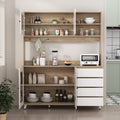
Sideboards and buffets are low, long pieces with doors and drawers for dishes, serving pieces, and table linens. They’re typically placed along the main dining wall, offering surface space for serving during meals and display between them. The terms are often used interchangeably, though buffets traditionally have longer legs.
Display cabinets and hutches feature glass doors for showcasing china, stemware, or collections while protecting them from dust. They add vertical interest to rooms with standard ceiling heights and store items you want visible but not constantly handled.
Bar cabinets and credenzas house bottles, bar tools, and glassware. They’re especially practical in open-plan living-dining spaces where a dedicated bar area isn’t possible. Many include wine storage, pull-out serving surfaces, and interior lighting.
Sizing and Placement Tips
- Leave several inches between storage piece depth and dining chair backs when chairs are pulled out
- Ensure doors and drawers can fully open without hitting the table or other furniture
- Consider height relative to any artwork or mirrors you plan to hang above
Style considerations:
- Rich wood tones complement classic and traditional rooms
- Painted finishes in white, cream, or soft colors suit cottage and coastal looks
- Mixed wood-metal frames work for loft spaces and modern interiors
Style the top of a sideboard with a pair of lamps, artwork or a mirror, and a tray for decanters or seasonal décor. This creates a cohesive vignette that anchors the piece visually.

Planning Your Dining Room Layout
Smart space planning before purchasing prevents expensive mistakes and ensures your dining room functions comfortably. Grab a tape measure, sketch your room dimensions, or use a digital room planner to visualize furniture at scale.
Essential Clearances
The minimum clearance between table edge and walls or other furniture is 36 inches (about 90 cm). This allows chairs to slide in and out without scraping walls and lets someone walk past while others are seated.
For high-traffic paths or if people will frequently pass behind seated diners, increase that clearance to 42–48 inches (107–122 cm).
To calculate your maximum table size:
- Measure room length and width
- Subtract clearance (72 inches total for 36-inch clearance on opposite sides)
- The remaining dimension is your maximum table footprint
Layout Guidance by Room Type
|
Room Type |
Layout Tips |
|---|---|
|
Compact eat-in kitchen |
Round or square table, backless benches or stools, wall-mounted storage |
|
Square dining room |
Centered round or square table, balanced chair placement, corner sideboard |
|
Long narrow room |
Rectangular or oval table aligned with room length, bench on one long side |
|
Open-plan living-dining |
Define dining zone with rug, use furniture backs to create visual separation |
Rug Sizing
Rugs should extend at least 24 inches (about 60 cm) beyond the table on all sides so chairs stay on the rug even when pulled back. For a 72-inch table, that means a rug at least 10 feet long. Undersized rugs look awkward and create an uneven surface as chairs move on and off.
Sketch different arrangements or use free 3D planning tools and augmented reality apps to visualize furniture at scale before committing to a purchase.
Lighting and Accessories That Complete the Space
Lighting and accessories transform dining furniture from functional pieces into an inviting space that feels intentional and welcoming.
Pendant and chandelier placement:
- Hang fixtures 30–36 inches (76–91 cm) above the tabletop
- Center on the table, not the room, if they differ
- Choose fixture widths around one-half to two-thirds the table width for proper proportion
Dimmers allow shifting from bright task lighting for homework and meal prep to softer light for evening meals and entertaining. This flexibility makes your dining room adaptable throughout the day.
Soft furnishings like runners, placemats, and seat cushions add color and texture that are easy to change seasonally. They protect surfaces while allowing you to update the room’s feel without replacing furniture.
Art or mirrors above sideboards or buffets visually anchor those pieces and reflect light back into the room, making the space feel larger and more dynamic.
Choosing a Dining Set vs. Mixing Your Own
The difference between buying a coordinated dining set and curating individual pieces comes down to convenience versus personalization. Neither approach is inherently better—it depends on your priorities.
Advantages of Ready-Made Dining Room Sets
- Simpler decision-making with fewer choices to coordinate
- Guaranteed fit between table and chairs in scale and style
- Often better pricing when pieces are bundled together
- Consistent finish and material quality across all items
Advantages of Mixing Individual Pieces
- Ability to combine materials, colors, and silhouettes for a unique look
- Flexibility to update a single element later without replacing everything
- Freedom to discover pieces over time rather than buying all at once
- Opportunity to incorporate vintage or heirloom items
Simple Mix-and-Match Strategies
- Pair a wood table with metal-framed chairs
- Use upholstered armchairs at table ends with wood side chairs along the sides
- Combine a modern table with transitional or rustic seating
- Add a bench on one side with individual chairs on the other
The key to successful mixing: repeat at least one element across pieces. This might be a wood tone, metal finish, or fabric color. That repetition creates visual cohesion so the room feels coordinated rather than random.
Many brands and retailers now sell tables and chairs separately to encourage customization. Design tools, chat support, and in-store consultants can help you explore ideas and match pieces confidently.
Care, Maintenance & Longevity
Proper care extends the life and appearance of dining furniture, especially in busy households where tables and chairs see daily use.
Protecting Surfaces
- Use coasters, placemats, and trivets on wood and veneer tables to guard against heat rings, water marks, and scratches
- Wipe up spills quickly with a soft, slightly damp cloth
- Follow manufacturer guidelines for finish-friendly cleaners—avoid harsh chemicals that can strip protective coatings
Maintaining Structure
Periodically tighten chair and table hardware, especially after the first few months of use when joints settle, and again at least once a year. Loose joints worsen quickly under continued stress.
Material-Specific Care
|
Material |
Care Tips |
|---|---|
|
Wood and veneer |
Dust regularly, use furniture polish sparingly, avoid excess moisture |
|
Glass |
Use streak-free cleaners, wipe in one direction to avoid smears |
|
Metal |
Clean with non-abrasive products, check for rust in humid environments |
|
Upholstery |
Vacuum regularly, spot clean spills immediately, consider professional cleaning annually |
Protecting Floors
Felt pads under chair legs and storage pieces protect hardwood or tile floors from scratches and make rearranging furniture easier. Replace pads when they wear thin or accumulate debris.
Frequently Asked Questions About Dining Room Furniture
This FAQ addresses practical questions that come up when planning and purchasing dining room furniture.
How can I make a small dining room feel bigger without sacrificing seating?
Round or drop-leaf tables eliminate corners that make tight spaces feel cramped. Choose armless chairs or a bench that tucks completely under the table along one wall. Glass tops create visual openness, and light color palettes on walls and upholstery reflect light to expand the perceived room size. Mirrors above storage pieces amplify this effect.
Is it okay to mix different wood tones in one dining room?
Absolutely. The key is balance and intentionality. Combine warm tones (honey, amber, cherry) with each other and cool tones (gray-washed, ebony, walnut) with each other. Repeat each tone at least twice in the room—perhaps a walnut table with walnut-framed art, and oak chairs with an oak sideboard. Use a rug or textiles to tie different finishes together visually.
What’s the best dining furniture for homes with young children?
Prioritize durable finishes that resist scratches and stains. Performance fabrics on chairs handle spills without permanent damage. Laminate, ceramic, or sealed wood table tops clean easily and withstand daily abuse. Choose sturdy, tip-resistant chairs and benches over lightweight designs. Benches work particularly well—they’re harder to tip and accommodate wiggly kids better than individual chairs.
Can my dining room double as a home office?
Many dining rooms now serve this dual function. Choose a table deep enough for laptops and papers (at least 36 inches wide). Use a sideboard with closed storage to hide office supplies and files during meals. Select chairs with supportive backs for longer work sessions. Manage cables discreetly with cord covers or by positioning the table away from direct sightlines. Consider a table with a surface that works well for writing—avoid glass if you’ll be taking notes frequently.
How often should I replace dining chairs or tables?
Quality tables can last decades with proper care—solid wood tables can even be refinished multiple times over their lifespan. Chairs typically need attention sooner, either reupholstery every 7–10 years for fabric seats or complete replacement if frames become wobbly. Style updates can be gradual rather than all at once—new chairs with an existing table, or new upholstery on existing chair frames. This approach spreads costs and lets your dining room evolve naturally.
Your dining room furniture shapes countless moments—from rushed Tuesday dinners to lingering holiday celebrations. Start by measuring your space, understanding how you’ll use it, and identifying what matters most: durability for a young family, flexibility for entertaining, or a complete style refresh. Then build your room piece by piece, choosing items that fit both your dimensions and your life. The best dining spaces aren’t showroom-perfect—they’re functional, comfortable, and ready for whatever gathering comes next.