










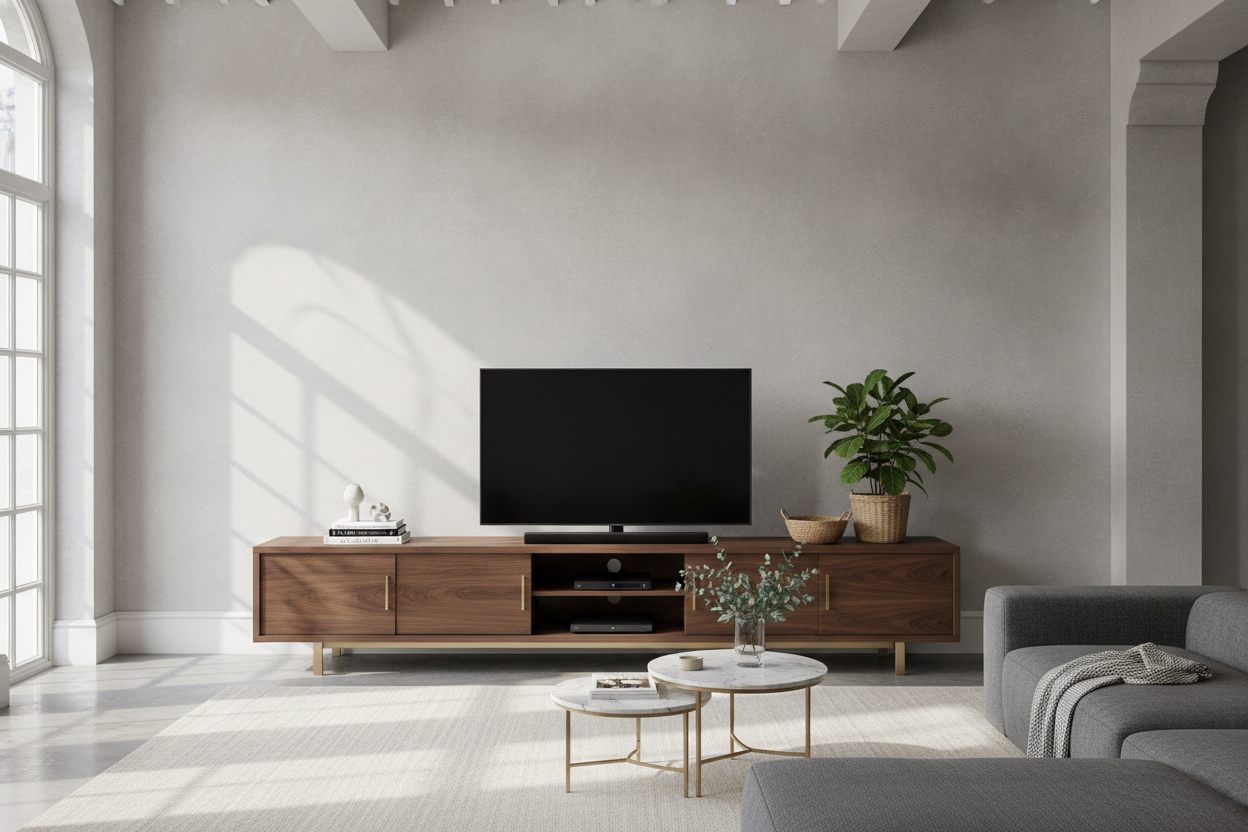
I spent three weeks staring at a blank wall in my living room because every media unit I found looked like it was made of compressed sawdust and sadness. You know the ones—the chunky, dark-walnut-finished boxes that scream 'I bought this in a panic at a big-box store.' I wanted something with soul, maybe a vintage buffet or a sleek dining sideboard, but I was terrified of ruining my expensive OLED or, worse, my neck.
The truth is, using a non-traditional television console table is a brilliant move for your interior design, but it is a logistical minefield. If you don't account for the extra ten inches of height or the lack of airflow, you're going to end up with a literal headache and a fried PlayStation. I've staged dozens of homes where we swapped out clunky tech furniture for elegant dining pieces, and here is how we made it actually work.
Quick Takeaways
- Standard sideboards are usually 30-36 inches tall, while media units are 20-24 inches; check your eye level before committing.
- Electronic components need at least 2 inches of clearance on all sides to prevent overheating.
- Solid wood is non-negotiable if you are drilling your own cable management holes.
- If your sofa is low-profile, a dining buffet will almost certainly be too high for comfortable viewing.
Why Traditional Media Units Can Feel So Limiting
Most furniture designed specifically for TVs is built for utility first and aesthetics last. They are often too deep, taking up precious floor real estate, or they feature those open cubbies that just become dust magnets for tangled cords. Choosing a narrow console table with drawers or a vintage sideboard allows you to hide the clutter behind beautiful doors while maintaining a much slimmer profile against the wall.
A repurposed console table tv stand often has better proportions for a modern home. Modern TVs are massive but thin; they don't need a four-foot-deep cabinet to sit on. By pulling a piece from the dining room or entryway into the living space, you break up that 'showroom' look where everything matches perfectly but feels devoid of personality. It makes the room feel curated rather than just furnished.
The Golden Rule of Screen Height (Don't Mess This Up)
This is where most people fail. The center of your TV screen should ideally be at eye level when you are seated. If you are sitting on a standard 18-inch high sofa cushion, your eyes are likely about 42 inches from the floor. If you put a 65-inch TV on top of a 36-inch high dining buffet, you will be looking up at a 15-degree angle. It feels fine for twenty minutes, but after a three-hour movie, your neck will hate you.
Before you buy that vintage credenza to use as a console table for tv stand duty, sit on your couch and tape the dimensions of the TV on the wall. If the bottom of the TV starts above 30 inches, you better have a very deep sofa that allows for a heavy lean, or you need to find a shorter piece. I've seen people try to compensate by mounting the TV even higher above the sideboard—don't do it. You're not a sports bar.
Ventilation: The Silent Electronics Killer
Dining sideboards are designed to hold plates and linens, which don't breathe. Your receiver, gaming console, and cable box, however, generate a massive amount of heat. If you shove a running Xbox into a closed cabinet, you are essentially putting it in a slow cooker. I learned this the hard way when my favorite streaming box literally melted its own casing inside an antique mahogany cabinet.
If you want a safe console entertainment unit, you need to modify the interior. Look for a solid wood modern sideboard that features adjustable shelves. This allows you to create enough vertical 'headroom' for heat to dissipate. I also recommend replacing the back panel with a piece of decorative perforated metal or simply leaving the back off the cabinet entirely to let the air circulate.
What About the Cables?
The biggest giveaway that you're using 'regular' furniture for a TV is a chaotic web of black wires spilling out from the sides. You have to be brave and get the drill out. Using a 2-inch hole saw bit, you can create clean entry points for your cables. Just make sure you're drilling through the back panel and not a structural support beam. If you're nervous about the DIY aspect, I've seen a slim console table TV hack where people use cable raceways painted the same color as the wall to hide the 'drip' of wires behind a shallow piece of furniture.
Pro tip: Use plastic grommet inserts in the holes you drill. They cost about five dollars for a pack of ten and they make the hole look finished and professional rather than like a jagged mess you chewed through with a dull bit. It also protects your cables from getting snagged on wood splinters.
When to Just Buy the Purpose-Built Piece
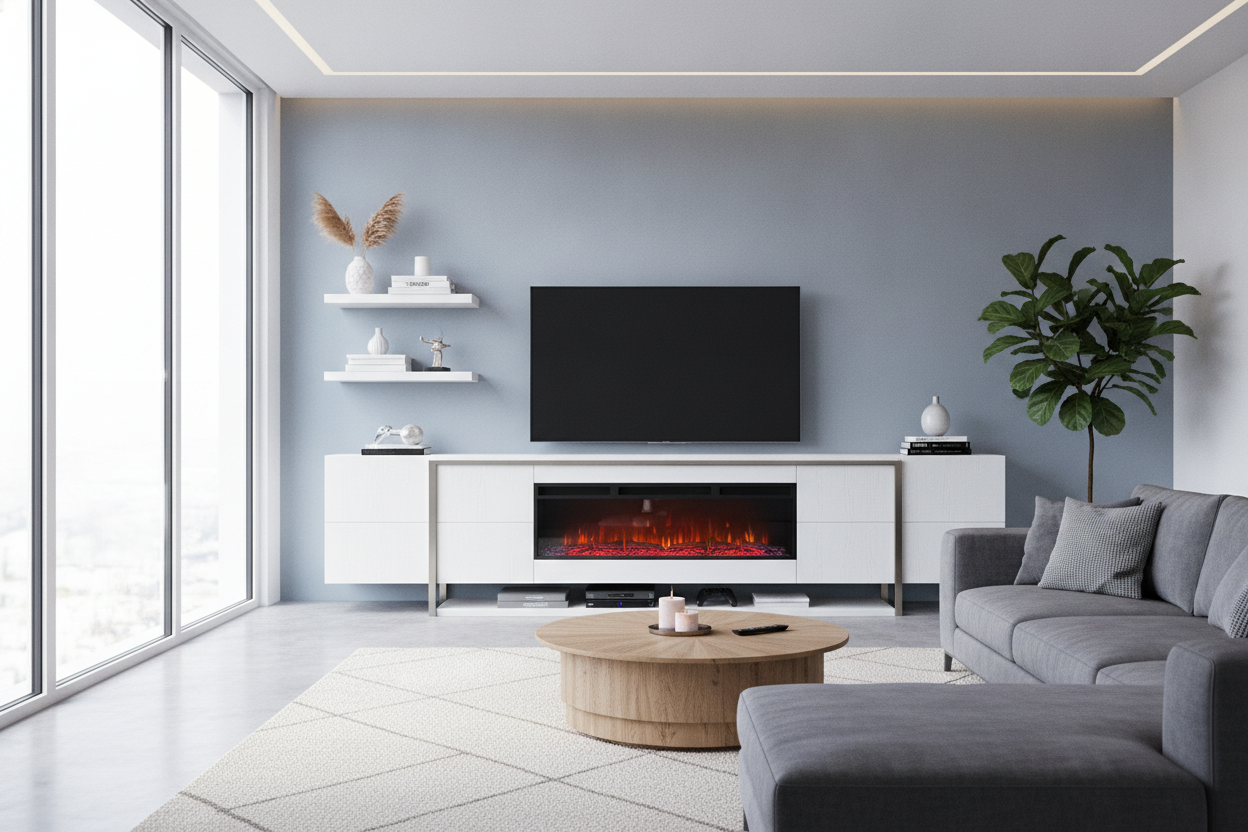
Sometimes, the DIY route is more trouble than it's worth. If you have a massive 85-inch screen that weighs 100 pounds, a delicate vintage console might literally bow in the middle. Most dining furniture isn't reinforced for centered, heavy loads. If you have a lot of high-end peripherals or you want integrated lighting, you might be better off with an LED TV stand console table that is pre-drilled and weight-tested for modern tech.
I personally use a repurposed 1960s credenza because I value the wood grain more than the convenience, but I had to spend an entire Saturday afternoon with a drill and a sander to make it functional. If you aren't prepared to do the 'surgery' required for airflow and cord management, stick to a dedicated media unit. There's no shame in choosing the path of least resistance if it saves your gear from overheating.
Personal Experience: My Mid-Century Mistake
I once bought a stunning 38-inch tall teak buffet for my small apartment. I thought I could make it work as a console table tv stand because it looked so good in the shop. Within two days, I had a permanent kink in my neck. I tried to fix it by buying a 'tilting' wall mount to angle the TV down, but it looked ridiculous—like a giant hovering over the room. I eventually had to admit defeat, sell the buffet on Craigslist, and find a piece that was 12 inches shorter. Height is the one thing you can't cheat.
FAQ
Can I put a TV on a glass console table?
Only if the weight rating specifically says it can handle it. Most decorative glass consoles are meant for a lamp and a book, not a 50-pound television. Tempered glass can shatter instantly if the weight isn't distributed correctly.
How do I hide the cable box if the doors are solid wood?
You can buy an 'IR repeater' for about $20. It's a tiny sensor that sits outside the cabinet and passes the remote signal through to the box hidden inside. It works perfectly and lets you keep the doors shut.
Is a console table too narrow for a TV?
Usually, yes. Most TVs have feet that are 10-12 inches deep. If your console is only 8 inches deep, you'll need to wall-mount the TV and just use the table underneath for aesthetics and storage.

Dejar un comentario
Este sitio está protegido por hCaptcha y se aplican la Política de privacidad de hCaptcha y los Términos del servicio.