










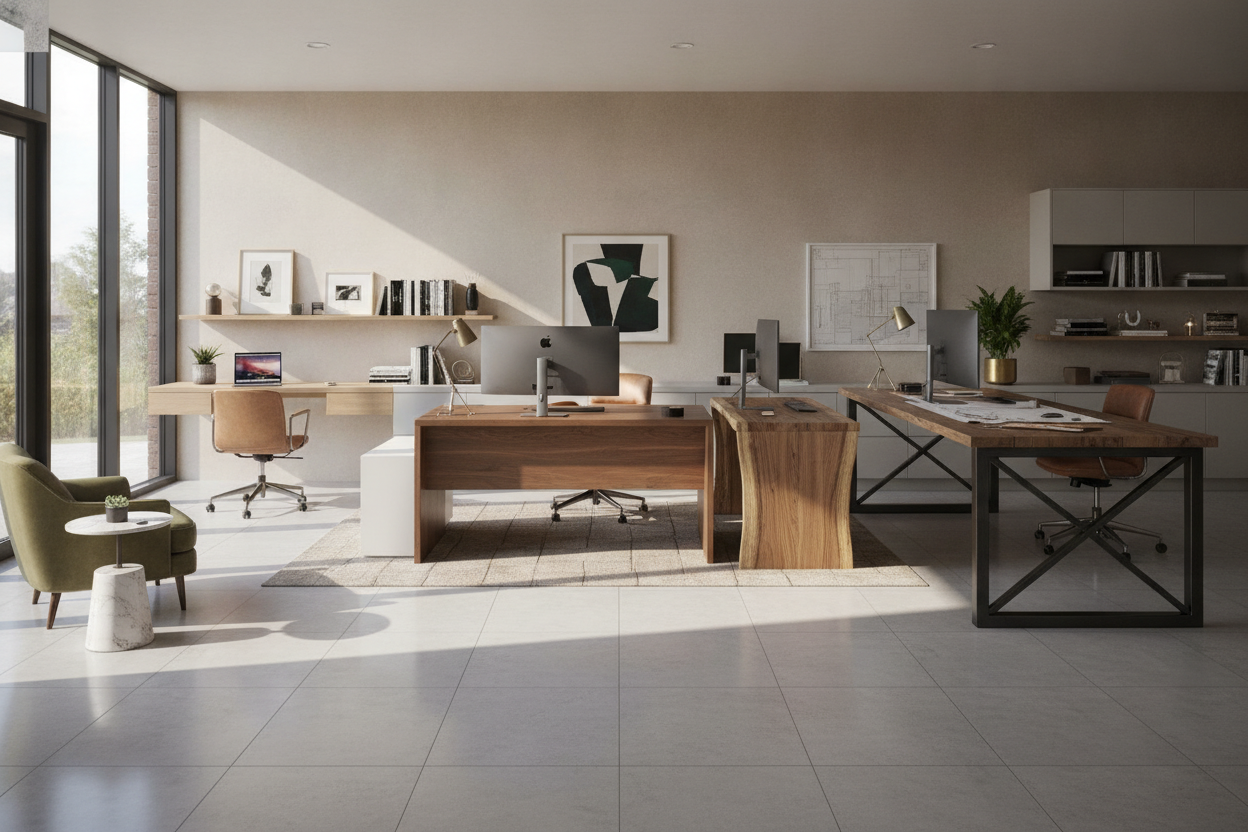
Selecting the right desk is often a balancing act between the physical constraints of a room and the functional requirements of a daily workflow. Whether you are outfitting a dedicated home office or carving out a small workspace in a shared living area, the dimensions of your desk will dictate both your comfort and your productivity. This guide explores the spectrum of desk sizes, from the ultra-compact 2 foot long desk designed for minimalist tasks to the expansive 8 foot office desk built for high-capacity professional use.
Introduction: Matching Desk Dimensions to Your Workflow
Before committing to a specific piece of furniture, it is essential to evaluate how you intend to use the space. A desk is more than just a surface; it is the foundation of your professional environment. The decision framework for choosing a desk size should begin with an assessment of your primary tasks. Do you work exclusively on a laptop, or do you require space for multiple monitors, physical documents, and peripheral equipment? Understanding these needs helps determine where on the dimension spectrum your ideal desk falls.
Room fit is equally important. A desk that is too large can disrupt the flow of traffic and make a room feel cramped, while a desk that is too small may lead to clutter and a disorganized work environment. By evaluating the utility of a 2 foot long desk against the capabilities of an 8 foot office desk, you can better visualize which layout supports your lifestyle without compromising the aesthetic of your home. The goal is to find a footprint that accommodates your tools while leaving enough physical and visual breathing room for the rest of the furniture.
The Ultra-Compact Workspace: Maximizing a 2 Foot Long Desk
In modern interior design, the 2 foot long desk has emerged as a vital solution for urban living and minimalist setups. These compact workstations are ideal for secondary locations, such as a hallway nook, a bedroom corner, or even integrated into a kitchen layout. They serve for quick tasks, such as checking emails, managing household schedules, or providing a dedicated spot for a single laptop. Because of their small footprint, they can be placed in areas that would otherwise remain unused, turning a simple corner into a functional micro-office.
To integrate such a small desk without it feeling like an afterthought, consider placement in areas with low traffic. Using an armoire computer desk strategy can also be effective for those who wish to tuck their workspace away when not in use. When working with limited horizontal surface area, the key to success is leveraging verticality. Wall-mounted shelves or organizers can keep the primary work zone clear of stationery and tech accessories, maintaining a clean and focused aesthetic even in the smallest of footprints. This approach ensures that the desk remains a site of productivity rather than a magnet for household clutter.
The Expansive Command Center: Designing Around an 8 Foot Office Desk
At the other end of the spectrum is the 8 foot office desk. This size is typically reserved for dedicated home offices where the desk serves as a central command center. An 8ft office desk provides ample room for complex setups, including dual or triple monitor configurations, large-format creative tools, or even a shared workspace for two people. The sheer surface area allows for a clear distinction between digital work zones and physical project areas, which is essential for those who manage diverse tasks throughout the day.
When planning for such a large piece of furniture, layout considerations are paramount. An 8 foot office desk can be positioned against a long wall to maximize floor space, or it can be used as a freestanding executive desk to anchor the room. For those looking for a professional look with integrated features, an L-shaped executive counter offers a similar scale and presence. These larger desks often become the focal point of the interior, requiring a thoughtful approach to cable management and lighting to ensure the space remains professional and inviting. Large desks also allow for more ergonomic placement of peripherals, as the user is not forced to cram equipment into a tight radius.
Bridging the Gap: Mid-Sized and Corner Desk Alternatives
For many, a 2 foot long desk may feel too restrictive, while an 8 foot office desk might overwhelm the available square footage. Mid-sized desks and corner configurations offer a functional middle ground. Corner desks, in particular, are excellent for maximizing surface area while preserving the open feel of a room. They naturally zone a space, creating a distinct boundary between the work area and the rest of the home without requiring a physical wall.
I find that a well-placed corner desk often feels more spacious than its measurements suggest because it utilizes the depth of a corner that might otherwise remain empty. A modern minimalist corner desk is a prime example of how a mid-sized footprint can provide significant utility. These designs allow for a more intuitive setup, as the user can easily reach different sections of the desk by simply pivoting their chair. This reduces the need to slide the chair across the floor, making the workflow feel more contained and efficient.
Storage Strategies Across All Desk Sizes
Regardless of whether you choose a 2 foot long desk or an 8 foot office desk, storage is the element that ensures long-term usability. A large desk can quickly become cluttered if it lacks designated spots for equipment, while a small desk requires external support to remain functional. Balancing desktop surface area with integrated and external storage is a critical part of the design process. Without a storage plan, even the largest desk will eventually feel too small as papers and gadgets accumulate.
For smaller desks, look for above-desk storage ideas to keep the surface clear. This might include floating shelves or pegboards that hold frequently used items within arm's reach. For larger workstations, integrated cabinets and drawers can help maintain a streamlined look. A storage cabinet with desk provides a comprehensive solution by combining a work surface with high-capacity storage, ensuring that everything from files to hardware has a dedicated home. This prevents the desk from becoming a catch-all for household items and keeps the focus on the task at hand.
Materials, Finishes, and Assembly Considerations
The size of a desk also influences the choice of materials and finishes. For an 8 foot office desk, choosing lighter wood finishes like oak or white can prevent the furniture from feeling too heavy or dominant in the room. Lighter colors reflect more light, which helps a large piece of furniture blend into the walls rather than standing out as a massive dark block. Conversely, a 2 foot long desk can handle bolder colors or darker finishes because its small scale prevents it from overwhelming the visual field. A dark walnut or black finish on a small desk can actually create a sophisticated accent in a neutral room.
Finally, consider the logistics of assembly and placement. Before purchasing an expansive 8ft office desk, it is vital to measure doorways, stairwells, and the final room placement. Many large desks are designed as modular units to facilitate easier transport and construction in tight spaces. Modular designs allow you to build the desk in the room where it will stay, avoiding the difficulty of moving a fully assembled large top through narrow corridors. By following a checklist of measurements and workflow needs, you can confidently select a desk size that enhances your productivity and fits perfectly within your home environment.

Dejar un comentario
Este sitio está protegido por hCaptcha y se aplican la Política de privacidad de hCaptcha y los Términos del servicio.