










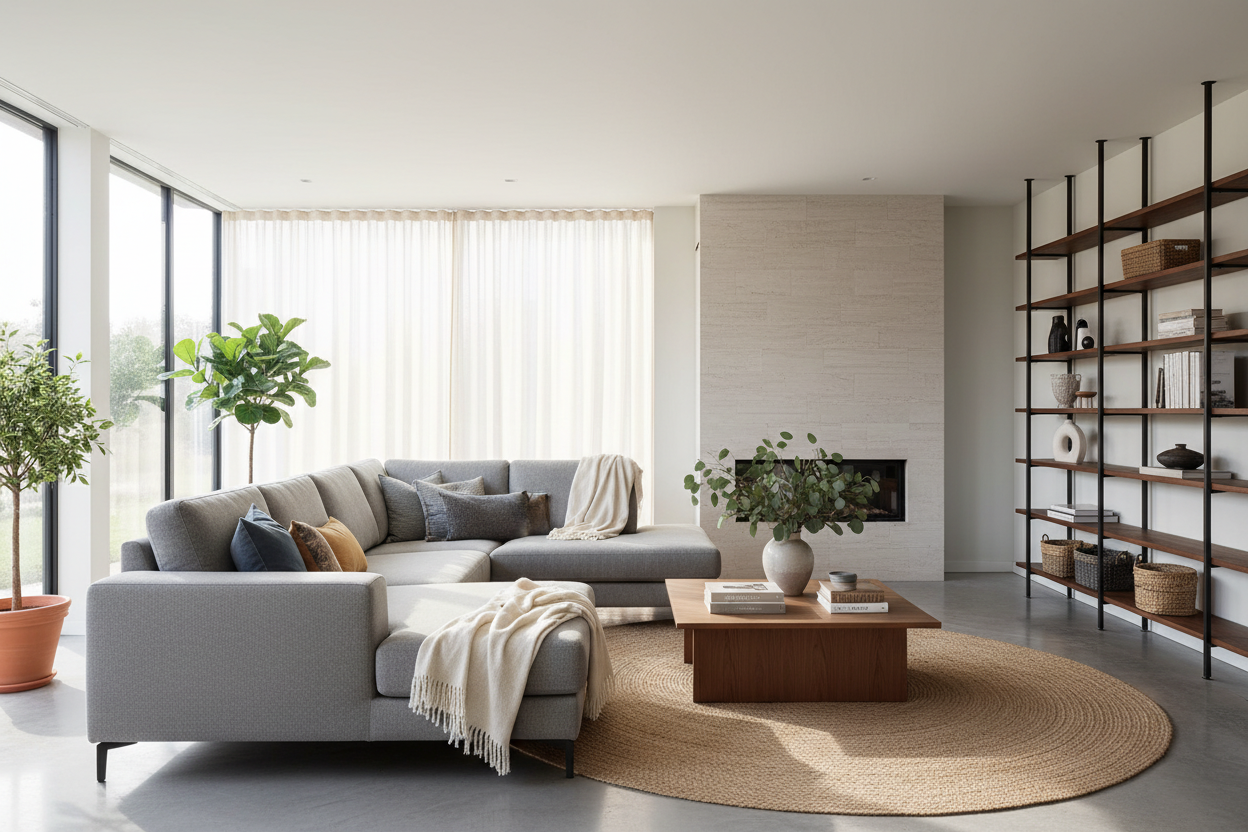
We often face a friction point in interior design: the desire for a sprawling, custom aesthetic versus a ready-made budget. A sofa is the anchor of your living space, dictating the flow and feel of the room. When clients ask me about sourcing an ikea sectional, I don't scoff. Instead, we look at the structural integrity, the modular potential, and how to elevate the piece beyond its flat-pack origins. The truth is, with the right eye for detail, these pieces can rival showroom competitors.
Quick Decision Guide
- Modularity: Prioritize series that allow you to add or subtract modules later (e.g., Söderhamn or Finnala) to adapt to changing floor plans.
- Fabric Durability: Check the "Martindale" rub count on the tag. For high-traffic family rooms, aim for 25,000+ rubs.
- Seat Depth: Standard depth is around 22 inches. For a lounge-heavy aesthetic, look for deep-seat options like the Kivik.
- Frame Composition: Opt for frames utilizing solid wood and plywood reinforcement rather than purely particleboard structures.
Analyzing the Build: Material and Durability
As a designer, my primary concern is what lies beneath the upholstery. Ikea sectional couches vary significantly in construction quality depending on the series. Lower-tier models often rely heavily on particleboard, which can warp in humid environments or crack under dynamic stress (like kids jumping on the furniture).
For a piece intended to last more than five years, look for ikea sectional sofa ranges that utilize steel-reinforced frames or solid pine components. Additionally, the foam density is crucial. High-resilience cold foam (HR foam) returns to its shape quickly after use, whereas standard poly-foam tends to crater over time, leaving unsightly dips in your seating area.
Space Planning and Visual Weight
One of the most common errors I see is ignoring the "visual weight" of a piece. An ikea couch sectional can look deceptively small in a massive warehouse aisle, only to overwhelm your living room once assembled.
The Silhouette Matter
If you have a small apartment or a room with low ceilings, avoid chunky, floor-hugging designs. Instead, choose a sectional with exposed legs. This allows light to travel underneath the sofa, creating a sense of airiness and making the room feel larger. Conversely, for a large, open-concept space, a grounded, blocky silhouette can help zone the living area effectively.
Elevating the Aesthetic: The Custom Look
You do not have to settle for the stock look. In the design world, we often use IKEA frames as a canvas. The easiest way to make these sectionals look high-end is to swap the legs for custom wood or brass mid-century options. Furthermore, consider third-party slipcovers. Replacing the standard polyester weave with a heavy linen or a rich velvet instantly changes the tactile experience and upgrades the furniture from "dorm room" to "curated home."
Lessons from My Own Projects
I want to share a candid observation from a project I managed last year. We installed a light beige Finnala sectional in a client's rental property. Visually, it was stunning. However, there is a specific nuance you won't find on the product page: the connection hardware.
During assembly, I noticed the metal brackets connecting the chaise to the loveseat had a slight tolerance issue. If you didn't align them perfectly while tightening the bolts—a physically demanding task—a visible half-inch gap would remain between the cushions. It drove me crazy. Also, be warned: the "crisp" look of the back cushions lasted about three months before they began to slouch. We solved this by stuffing extra poly-fill into the back casings, a twenty-dollar fix that restored the structure, but it’s a maintenance step you should be prepared for.
Conclusion
Ultimately, purchasing a mass-market sectional doesn't mean sacrificing style. It requires a discerning eye for materials and a willingness to hack the design to fit your narrative. By focusing on modular flexibility and upgrading the tactile elements, you can create a sophisticated gathering space that respects your budget.
Frequently Asked Questions
How do I keep the cushions from sliding forward?
This is a common issue with modular seating. I recommend applying heavy-duty Velcro strips between the cushion and the frame, or using a non-slip rug pad cut to size placed underneath the seat cushions.
Can I machine wash the covers safely?
Most IKEA fabric covers are removable and machine washable, but always check the label. To prevent shrinking, I advise my clients to put the covers back on the frame while they are still slightly damp; they dry taut and wrinkle-free.
Which series is best for tall people?
The Kivik series is generally preferred for taller individuals due to its generous seat depth and wide armrests, offering better thigh support and lounging capability compared to the shallower Morabo.

Dejar un comentario
Este sitio está protegido por hCaptcha y se aplican la Política de privacidad de hCaptcha y los Términos del servicio.