










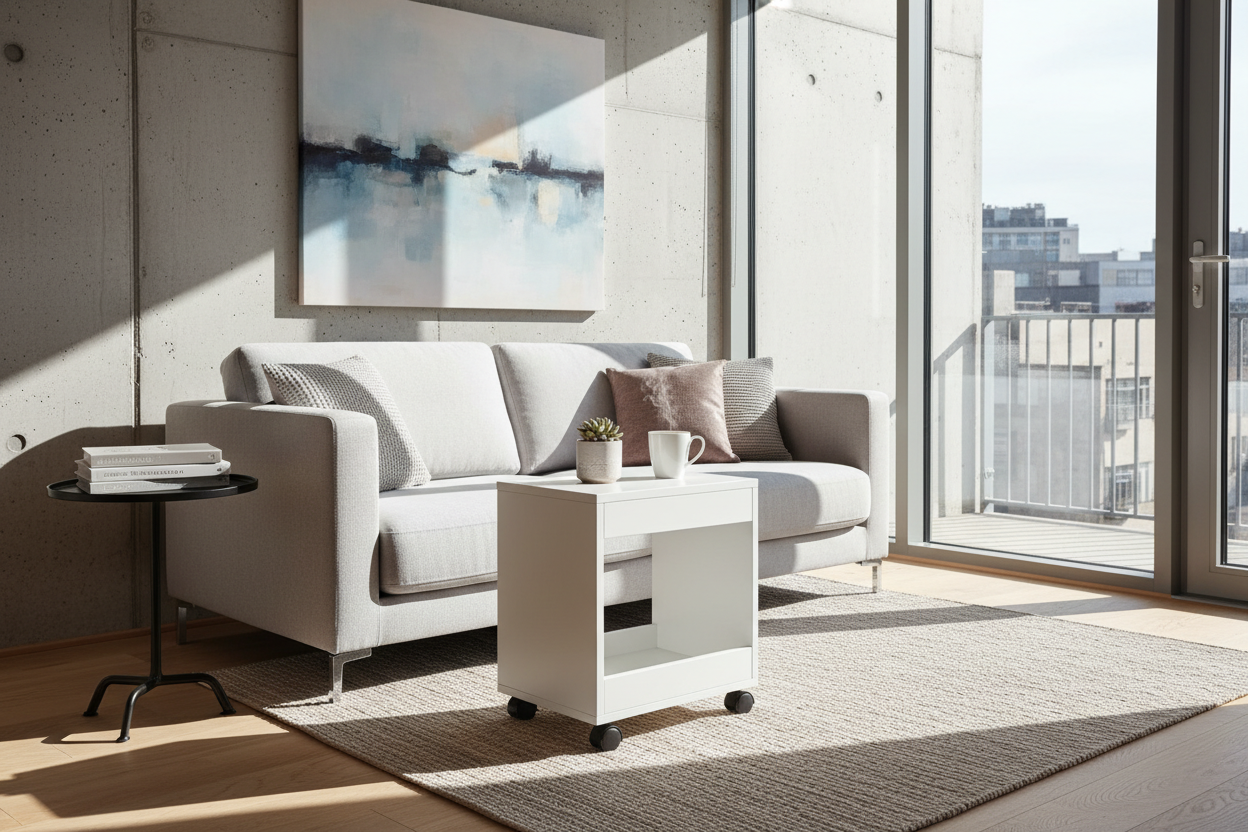
In interior design, we often face a specific dilemma: the conflict between static layouts and the need for dynamic, flexible living. You want a coffee table, but you also need floor space for yoga or children's play. This is where the ikea tingby enters the conversation. Unlike heavy, heirloom oak pieces that anchor a room permanently, the Tingby series offers a kinetic energy that many modern, multi-functional spaces desperately require. But does this budget-friendly piece hold up against daily wear, or is it just another temporary fix? Let's analyze the construction, utility, and aesthetic value of this mobile furniture staple.
Quick Decision Guide: Key Features at a Glance
- Mobility Profile: Equipped with multi-directional castors (wheels) for seamless transition between zones.
- Material Composition: Particleboard and fibreboard with honeycomb paper filling; lightweight yet surprisingly rigid.
- Safety Design: Soft, rounded corners make the tingby table ideal for high-traffic areas or homes with toddlers.
- Visual Weight: The clean, matte acrylic finish offers a low visual profile, preventing small rooms from feeling cluttered.
Analyzing the Mobility and Functionality
The primary selling point of the ikea tingby side table is undoubtedly its castors. In a professional layout, we often talk about "flow"—the way people move through a room. Static furniture can block flow in tight spaces. The Tingby solves this by being a rover. It serves as a side table for your morning coffee, rolls over to become a laptop station during the day, and can be pushed into a corner when you need open floor space.
However, from a durability standpoint, it is vital to note that while the wheels are functional, they are best suited for hardwood, laminate, or low-pile carpet. On deep shag rugs, the lightweight nature of the table can cause it to tip if dragged too quickly.
Materiality: The Truth About the Honeycomb Core
When specifying furniture for clients, I am always transparent about materials. The tingby table utilizes IKEA's signature honeycomb paper filling structure. This is not solid wood, nor does it pretend to be. The benefit here is the weight-to-strength ratio; it is incredibly easy to lift.
Visually, the acrylic paint finish is matte and smooth. While this fits perfectly into a Scandinavian or Minimalist aesthetic, it lacks the texture of natural grain. To elevate the look, I recommend layering. Do not leave the surface bare. Use a textural tray (rattan or marble) to ground the piece and add the tactile complexity that the table itself lacks.
Visual Balance and Silhouette
The silhouette of the Tingby is soft. The rounded edges are a departure from the sharp, clinical lines often found in budget modern furniture. This curvature helps soften a room dominated by rectangular sofas and square rugs. When planning your space, consider the Tingby as a "floating" element. Because it sits on wheels, it has a slightly elevated look, allowing light to pass underneath, which increases the perception of floor space—a critical trick for urban apartments.
My Personal Take on the IKEA Tingby
I have specified the Tingby for several rental properties and start-up office lounges, and here is the unvarnished truth I’ve learned from hands-on experience: mind the surface noise.
Because the table is constructed with a honeycomb paper core, it is essentially hollow. When you set down a heavy ceramic mug or a glass without a coaster, it produces a distinct, drum-like hollow sound that you don't get with solid wood or heavy MDF. It’s a small sensory detail, but one that reminds you of the price point.
Additionally, regarding the white finish: while it looks pristine in the showroom, the matte texture has a tendency to hold onto pigment. I once had a client spill turmeric tea on a white Tingby, and despite wiping it within five minutes, a faint yellow shadow remained. If you are choosing the white variant, I strictly advise using coasters and wiping spills immediately. It’s a workhorse, yes, but the finish requires a gentle touch.
Conclusion
The IKEA Tingby is not a forever piece, but it is an exceptionally smart solution for transitional phases of life or multi-use rooms. Its value lies in its adaptability and safety. If you treat it as a functional tool for flexible living rather than a centerpiece of luxury, it will serve your home design successfully.
Frequently Asked Questions
Can the castors be removed from the Tingby table?
Technically, yes, you can assemble the table without the wheels. However, the legs are designed with the height of the wheels in mind. Without them, the table sits quite low to the ground, which might throw off the ergonomic alignment with your sofa arm.
What is the maximum weight capacity for the Tingby side table?
The table is designed for general use, typically holding up to 10-15 kg (approx. 22-33 lbs) depending on the specific model size. It is perfect for lamps, books, and coffee, but do not use it as a seating bench or stand on it.
How do I fix scratches on the acrylic finish?
Since the finish is a simple acrylic paint, minor scuffs can often be buffed out with a magic eraser sponge. For deeper scratches that expose the fibreboard, a small dab of matching white matte touch-up paint works wonders to conceal the damage.


Dejar un comentario
Este sitio está protegido por hCaptcha y se aplican la Política de privacidad de hCaptcha y los Términos del servicio.