










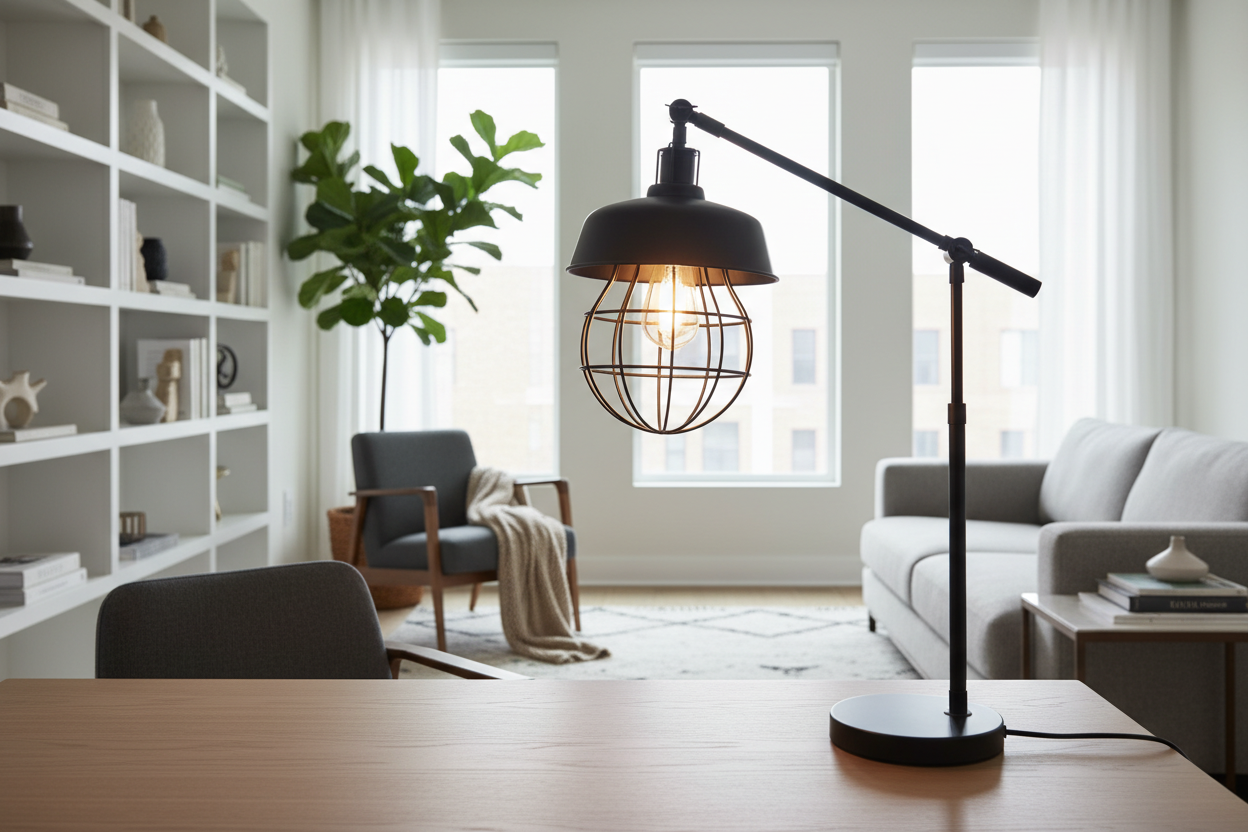
We often treat lighting as an afterthought, prioritizing the desk itself or the ergonomic chair. Yet, nothing ruins a sophisticated interior scheme or your productivity faster than poor illumination. You have likely come across the term wirecutter desk lamp in your search for the perfect fixture. It has become shorthand for a category of lighting that prioritizes function, adjustability, and technical precision.
As an interior designer, I look at these top-rated fixtures through a dual lens: do they actually perform as well as the tech reviews say, and more importantly, do they ruin the visual harmony of a curated room? This guide explores whether these technically superior lamps can coexist with high-end aesthetics.
Quick Decision Guide: Key Features to Look For
Before integrating a task light into your design scheme, consider these critical factors to ensure it meets both functional needs and aesthetic standards:
- Color Rendering Index (CRI): Look for a CRI of 90 or above. This ensures wood grains and fabric textures look rich and accurate, not washed out.
- Articulation & Tension: A premium lamp should hold its position without drooping. Check for counterbalanced springs or high-quality friction hinges.
- Color Temperature Adjustability: The ability to switch between cool light (for focus) and warm light (for ambiance) is essential for residential spaces.
- Visual Weight: Ensure the base is heavy enough to prevent tipping but small enough not to dominate your work surface.
- Material Finish: Matte finishes generally look more sophisticated and hide fingerprints better than high-gloss plastics or chrome.
Balancing Form and Functionality
When clients ask me for a desk lamp wirecutter recommendation, they are usually seeking reliability. However, from a design perspective, we must analyze the silhouette. Many highly-rated technical lamps lean towards a cold, industrial look. To make this work in a warm, residential study, you need to pay attention to the finish.
Avoid generic white plastics. Instead, look for models that offer brushed metals, matte blacks, or soft greys. These finishes allow the lamp to recede visually when not in use, rather than screaming "office equipment." A wirecutter best table lamp pick often excels in performance, but you must ensure its architectural lines complement your desk's joinery.
The Importance of Light Quality
The primary reason to invest in a best desk lamp wirecutter suggestion is the quality of the LED. Cheap lamps often produce micro-flickers—invisible to the naked eye but exhausting to the brain. High-end drivers found in these recommended lamps provide a steady stream of light. Furthermore, look for asymmetrical light distribution. This directs the beam across your desk rather than creating a pool of glare directly beneath the bulb, reducing eye strain significantly.
Adapting for the Bedroom: The Bedside Context
Interestingly, many homeowners repurpose these task lights as a wirecutter bedside lamp. This is a brilliant move for avid readers. A traditional fabric-shade lamp creates ambient light but is terrible for reading. A precise, articulated task lamp allows you to direct light exactly onto the page without waking your partner.
If you are using a wirecutter reading lamp in a bedroom setting, ensure the LED creates a warm temperature (2700K to 3000K). Blue-spectrum light, common in office settings, suppresses melatonin and ruins sleep hygiene. Many top-tier models now include "sunset" modes specifically for this purpose.
Lessons from My Own Projects: The "Click" Factor
I want to share a specific detail that specifications sheets never mention, but I learned the hard way during a home office renovation in a pre-war apartment. I specified a desk lamp wirecutter had rated highly for its light output. It looked sleek in the photos.
However, when we installed it, the tactile experience was disappointing. The on/off switch was a capacitive touch sensor that was incredibly finicky—you had to tap it three times just to find the right spot. Furthermore, the base, while heavy, had a felt bottom that was too slippery for the client's lacquered walnut desk. Every time he adjusted the arm, the whole lamp slid across the surface.
Since then, I always test the "friction" of the base and the tactility of the controls. A physical toggle switch or a rotary dial often feels more luxurious and satisfying than a cheap touch sensor. It is these small, tactile interactions that define the feeling of quality in a room.
Conclusion
Choosing a wirecutter table lamp or desk lamp is about more than just buying a tool; it is about investing in your daily comfort and the atmosphere of your room. By selecting a fixture that offers high CRI, solid articulation, and a finish that respects your interior design, you elevate a simple utility object into a defining piece of your workspace decor.
Frequently Asked Questions
What is the ideal height for a desk lamp relative to a monitor?
The light source should be positioned above your eye line but below the top of your monitor casing to prevent direct glare. Ideally, the lamp head should be angled so the light washes over your keyboard and documents without reflecting off the screen.
Can I use a task lamp as the only light source in a room?
No, this causes eye strain due to the high contrast between the bright desk and the dark room. Always layer your lighting. Use the task lamp for focus, but pair it with overhead lighting or a floor lamp to create a balanced "lightscape."
How do I clean matte finish desk lamps without leaving streaks?
Matte finishes on technical lamps can be tricky. Avoid chemical cleaners which can polish the matte surface over time. Instead, use a slightly damp microfiber cloth with a drop of mild dish soap, followed immediately by a dry microfiber cloth to remove moisture.


Dejar un comentario
Este sitio está protegido por hCaptcha y se aplican la Política de privacidad de hCaptcha y los Términos del servicio.