




The Ergonomic Equation: Coordinating Your Office Chair and Desk
Designing a comfortable workstation requires viewing seating and surfaces as a single integrated system. When selecting an office chair and desk, focusing on either element in isolation often leads to awkward postures, crowded leg space, or reach strain throughout the working day. A well-balanced pairing allows the body to settle into neutral postures where forearms rest naturally without elevating the shoulders, and feet remain fully grounded.
Achieving this equilibrium depends on how surface height interfaces with seat mechanics. A desk surface set too high forces users to elevate their seats, which can lift feet away from the floor if no footrest is present. Conversely, pairing a low desk apron with a bulky executive seat restricts natural thigh clearance. Exploring a detailed office desk guide can help clarify baseline table dimensions before fine-tuning the mechanics of your chair.
Proportional Sizing: Evaluating Seat Depth, Height, and Frame Scale
Standard office seating is frequently designed around broad median frames, which can result in an awkward fit for petite individuals or those seeking closer physical support. When evaluating a desk chair for women or anyone with a shorter torso and legs, seat pan depth is one of the most vital considerations. A seat pan that extends too far forward presses against the back of the calves, encouraging forward slouching away from the backrest.
To support proper lumbar positioning, an adaptable female office chair or compact task seat should offer a shallow seat pan or an adjustable sliding mechanism. When seated fully against the back support, there should remain a comfortable gap between the front edge of the cushion and the bend of the knees. This orientation allows the contoured backrest of ergonomic office chairs for women to make direct contact with the natural curve of the spine.
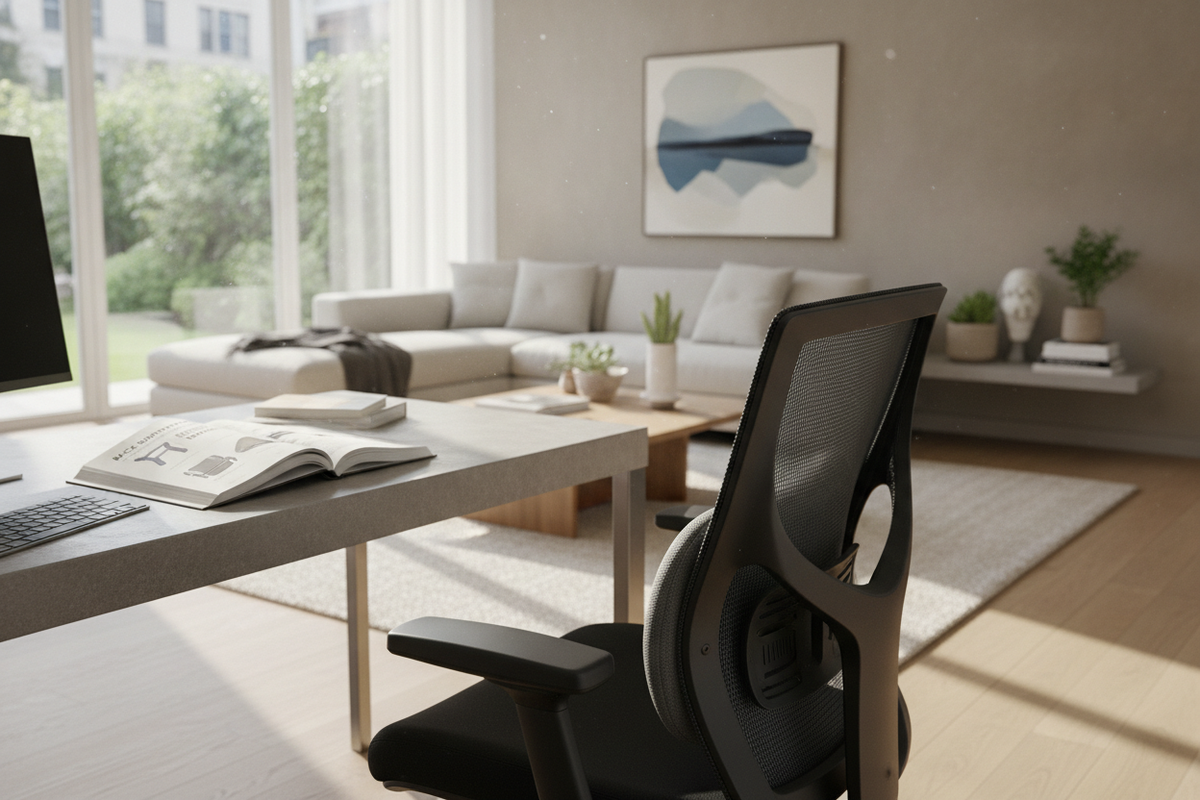
Cylinder travel range also plays a critical role in establishing stability. A comfortable office chair for women should lower sufficiently so that the soles of the shoes rest flat on the floor, redistributing weight along the thighs. In my experience arranging home workspaces, individuals often settle for oversized commercial task chairs when a proportionally scaled women's desk chair creates a noticeably more tailored and restful setup.
Workstation Clearance: Knee Wells, Aprons, and Armrest Alignment
Even the most adaptable chair cannot perform well if structural obstacles beneath the tabletop limit movement. When curating a home office chair for women or any shared workstation seat, vertical clearance under the desk frame dictates how close you can sit to your keyboard and documents.
- Aprons and Drawers: Thick pencil drawers or deep structural aprons reduce the vertical clearance between the top of the thighs and the underside of the surface.
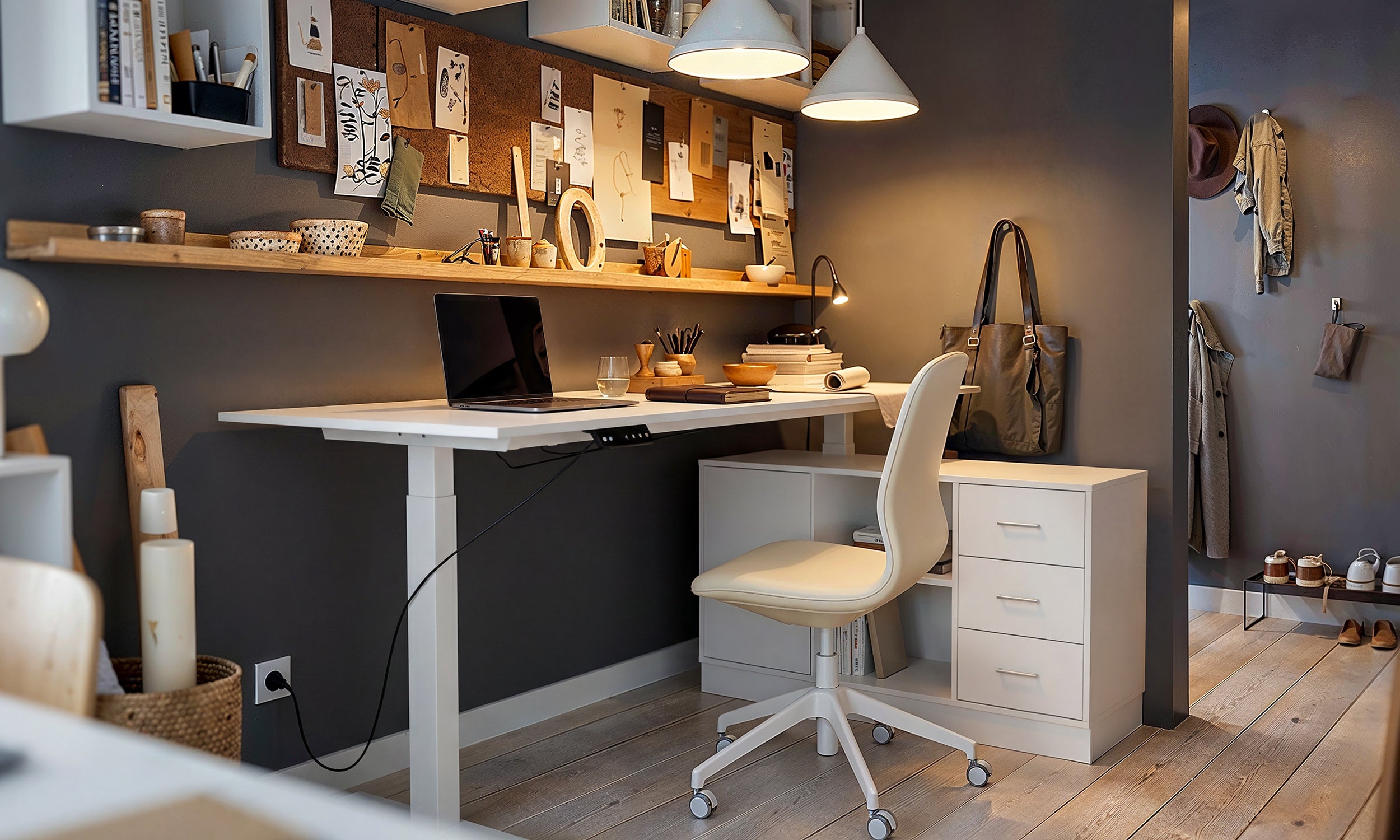
- Armrest Interaction: Selecting a women's office chair with arms requires verifying that the arm caps can lower beneath the desk edge or tuck neatly under when pushed in. 3D or 4D adjustable arms facilitate typing posture without bumping the table edge.
- Knee Well Depth: Storage pedestals and structural dividers must leave enough lateral room for natural leg shifting and chair swivel.
For spaces requiring integrated storage without sacrificing legroom, choosing a layout like an office computer desk product preserves dedicated knee clearance while keeping files close at hand. Browsing an expansive computer desk collection provides additional architectural styles, from open trestle tables to storage-forward profiles.
Matching Chair Styles to Workstation Layouts and Surface Types
Work routines vary widely, and matching your chair type to your desk layout improves functional flow. A dynamic setup benefits from seating that adapts fluidly across multiple heights and tasks.
Pairing an adjustable seating solution with an ergonomic office desk product allows users to alternate between seated and standing work periods throughout the day. When using height-adjustable desks, a responsive computer chair for women with smooth casters and swift gas-lift adjustment makes transitions between sitting heights effortless.
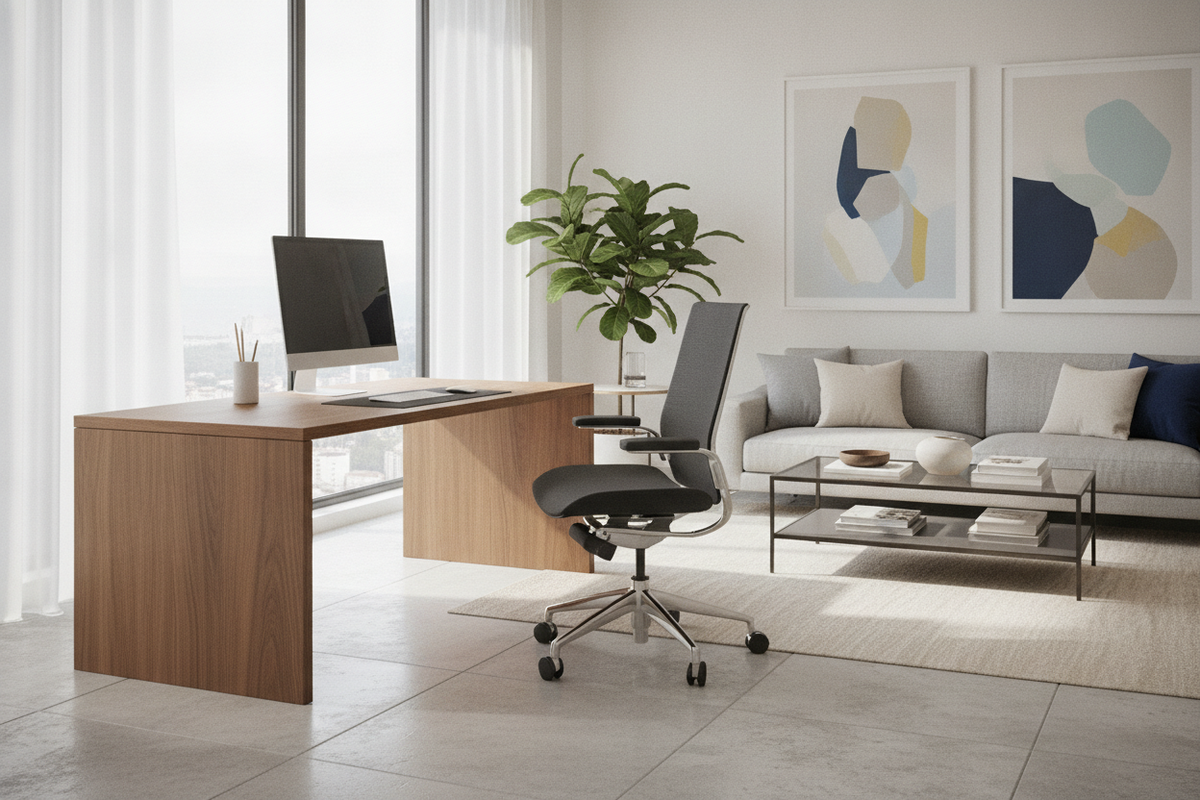
For traditional stationary surfaces, pairing matters just as much. Writing desks with delicate legs pair gracefully with low-profile upholstered chairs, while expansive executive credenzas harmonize with high-back task frames featuring structured lumbar frames and supportive headrests.
Material Palettes and Aesthetic Continuity in Domestic Offices
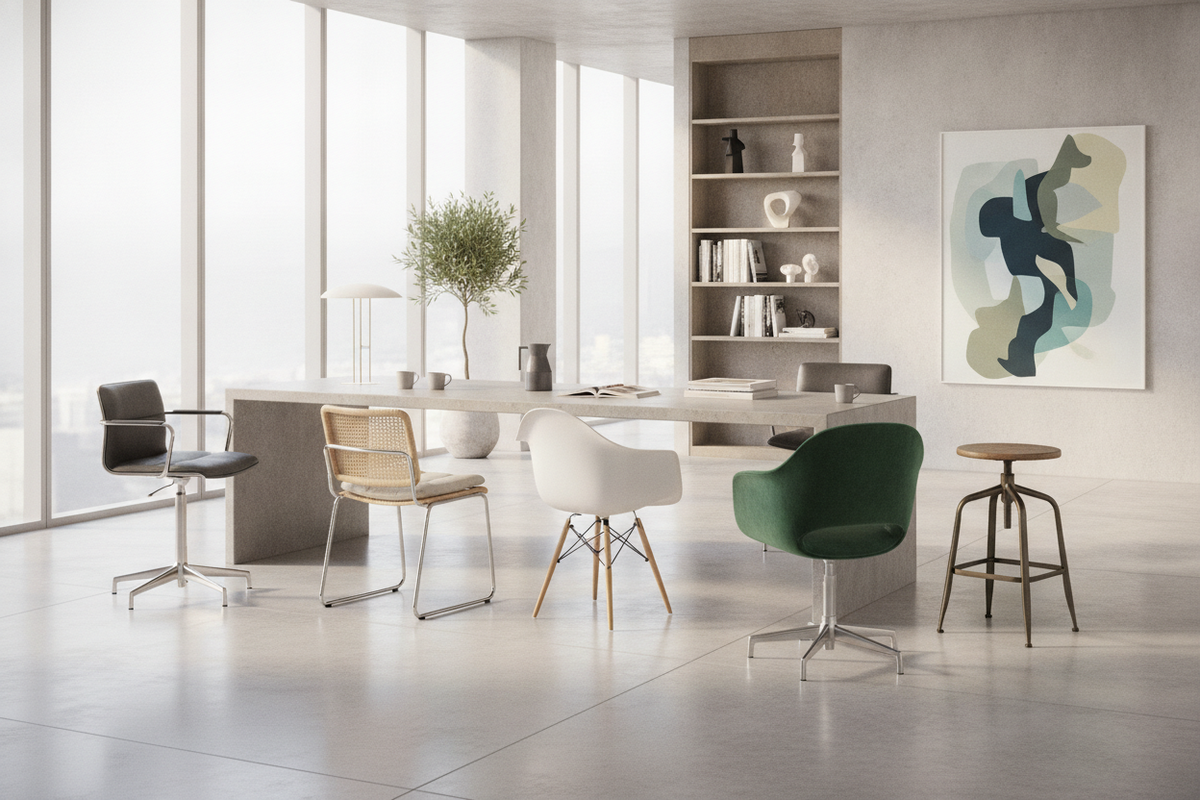
Home offices often share footprints with guest rooms, living areas, or bedrooms. In these multi-purpose environments, furniture should complement residential interior design rather than look like industrial utility equipment. Selecting a stylish ladies desk chair allows personal design tastes to flourish alongside ergonomic discipline.
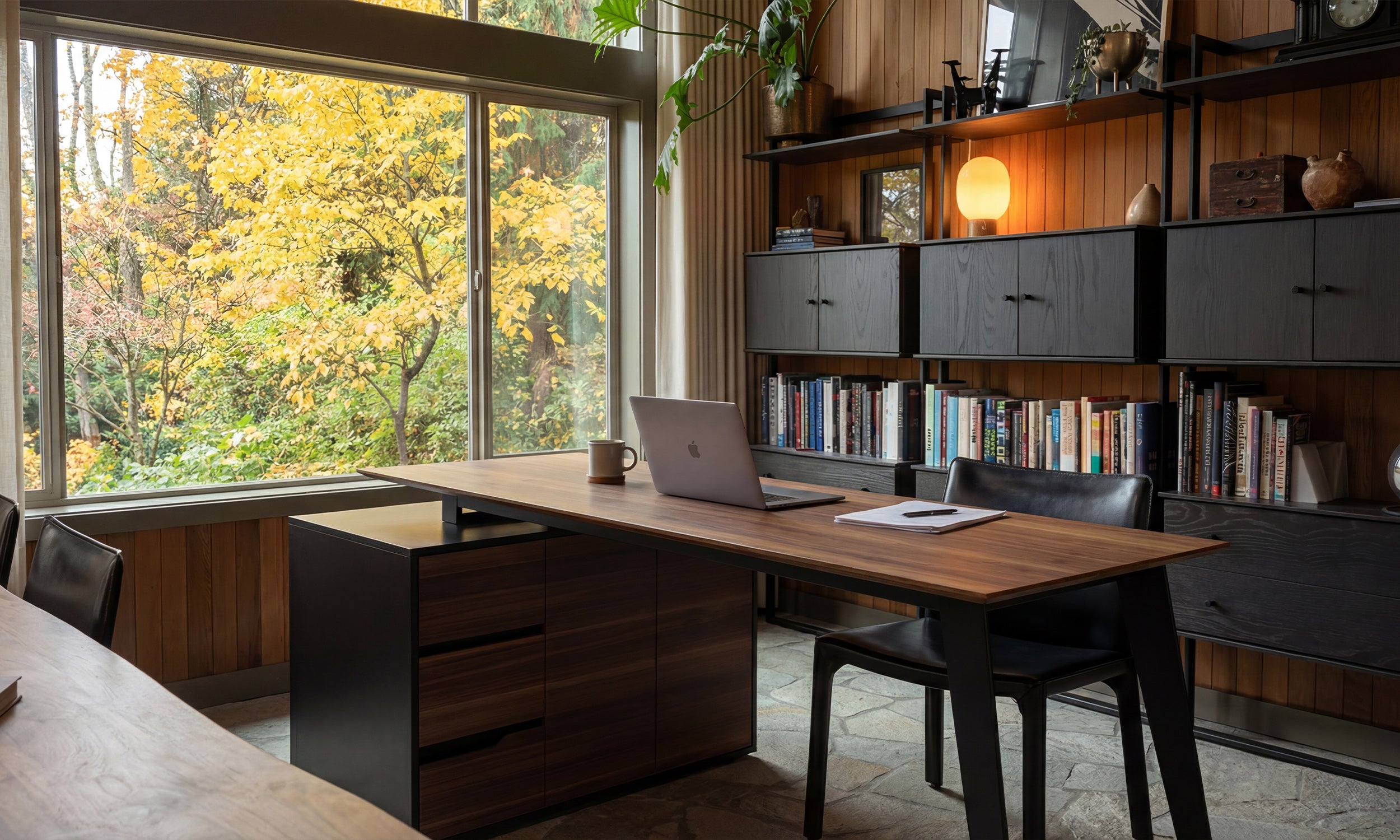
Textured bouclé, breathable woven linens, and soft performance velvets introduce welcoming warmth to a dedicated work corner. When paired with natural wood finishes such as light oak, warm walnut, or clean painted lacquer, a refined woman office chair balances productivity needs with domestic warmth. Soft metallic accents, such as brushed brass or champagne chrome wheel bases, coordinate naturally with desk drawer hardware and surrounding lighting fixtures.
Selection Checklist: Step-by-Step Pairing for Lasting Workspace Comfort
Before finalizing an office chair and desk combination, walk through these foundational planning considerations:
- Measure Surface and Seating Heights: Ensure the chair's upper and lower travel ranges align with comfortable resting elbow height at your desk surface.
- Verify Armrest Clearance: Confirm that armrests tuck completely beneath the desk apron to conserve floor space when the workstation is idle.
- Check Seat Depth: Ensure the seat pan supports the upper thighs without binding behind the knees.
- Plan Floor Footprints: Account for caster movement, chair rotation radius, and drawer extension paths so the room never feels constrained.
- Coordinate Cable and Storage Pathways: Select desks with modest cable management channels to prevent cords from snagging on chair casters during daily movement.

Dejar un comentario
Este sitio está protegido por hCaptcha y se aplican la Política de privacidad de hCaptcha y los Términos del servicio.