



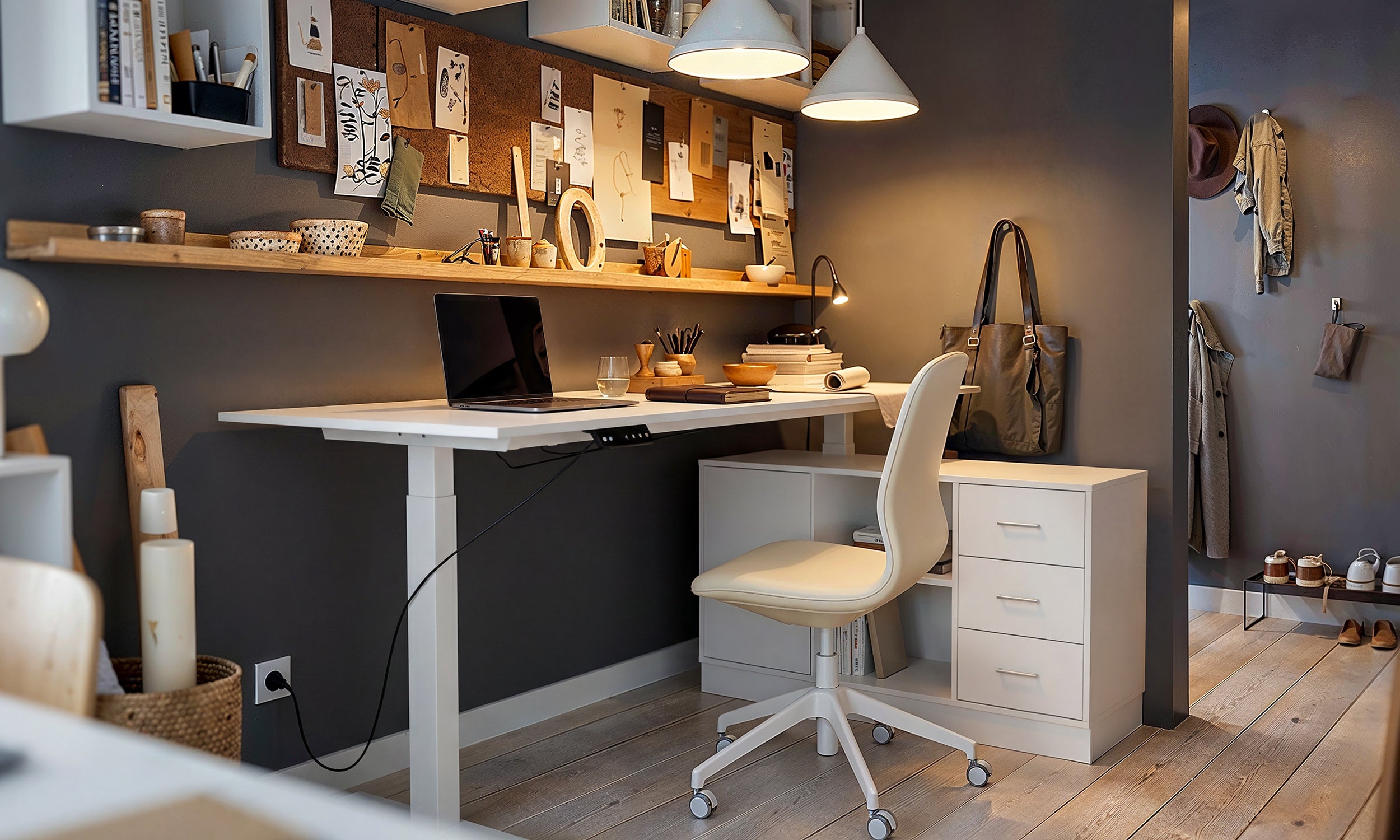
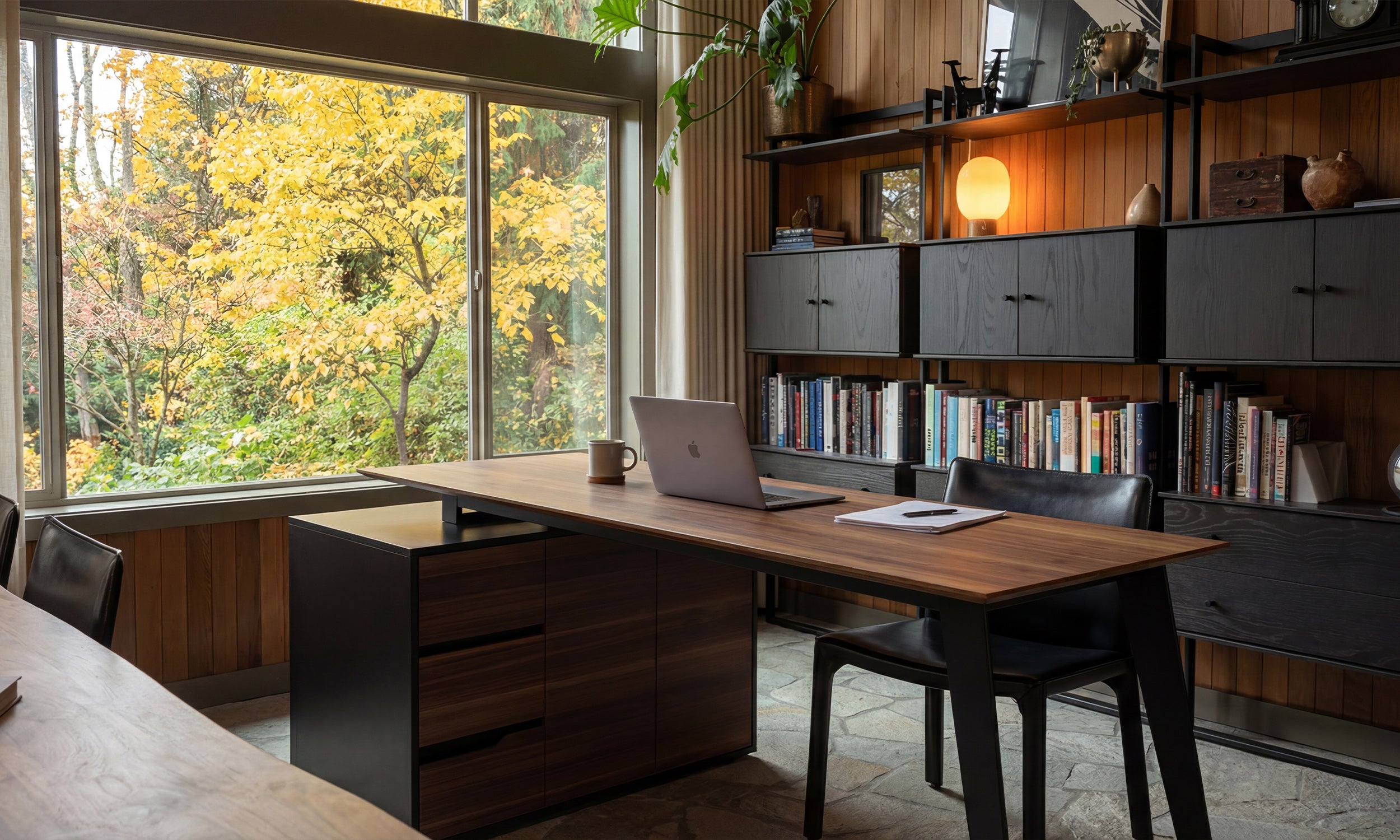


A rolling office table offers the flexibility modern work demands, whether you are setting up a productive corner in a compact apartment or outfitting an active team room. Selecting a quality rolling office table allows you to pivot smoothly between solo focus sessions, group brainstorming, and shared multipurpose routines without lifting heavy furniture.
Why Choose a Rolling Office Table for Flexible Workspaces
Static desks anchor an office workstation to one specific footprint, which can restrict how you use a multipurpose room. By contrast, a mobile office table gives you immediate control over your layout. You can roll your work surface near a sunny window during morning writing tasks, relocate it closer to power outlets for collaborative work, or shift it against a wall when you need clear floor space for household tasks or fitness routines.
For rooms that serve multiple functions throughout the week, mobile furniture bridges the gap between dedicated utility and open living. Rather than settling for fixed craft surfaces or heavy executive furniture, exploring our guide to rolling standing desks can illuminate how mobile workstations deliver better everyday versatility. Quality FUFU&GAGA office furniture designs emphasize smooth mobility, helping home offices shift effortlessly from single-person tasks to family craft stations or secondary dining space.
Key Dimensions and Room Clearances for Rolling Tables
A mobile desk requires thoughtful spatial planning beyond static desk footprints. Because the piece moves throughout the day, you must account for dynamic room clearance alongside ordinary seating depth.
Compact vs Wide Worksurfaces
When selecting a rolling office table, balance your monitor equipment against available floor area:
- Compact desk surfaces: Narrow profiles work well for a laptop desk setup, tablet use, or notebook journaling. These smaller models glide effortlessly through standard interior doorways and fit into tight alcoves or bedroom nooks.
- Wide worksurfaces: If your daily routine involves dual monitors, desktop organizers, or large drawing pads, prioritize a wider work surface. Look for balanced proportions that supply adequate legroom clearance underneath while maintaining overall desk stability.
Planning Floor Clearance and Mobility Paths
To enjoy the benefits of a rolling workstation, designate clear transit paths across your room. Consider these planning tips:
- Allow sufficient floor clearance behind your chair and along the travel path so caster wheels do not catch on baseboards or low-profile heating vents.
- Account for door swings and cabinet openings to ensure your mobile office table can park without blocking access to closets or bookshelves.
- Check the table height relative to your seating to maintain neutral wrist angles and adequate thigh room beneath the desk frame.
Caster Types and Stability Considerations
Mobility is only an asset if your desk remains rock-solid while you type, write, or sketch. The construction of the frame and the quality of the wheels determine how steady your rolling tables for office tasks will feel.
Locking Casters vs Standard Wheels
Not all wheels perform equally during long desk shifts. Reliable mobile desks incorporate locking casters on at least two, and ideally all four, legs. Wheel locks prevent accidental shifting when you lean on the work surface, type aggressively, or reach across the desk. When shopping for rolling tables for office environments, verify whether the wheel levers engage firmly and unlock smoothly with a simple foot tap or hand press.
A sturdy steel frame paired with a durable laminate top provides the rigidity required to counteract natural movement. Welded joints and reinforced crossbars help distribute weight evenly across all four casters, eliminating subtle wobbles that cause fatigue over hours of focused screen work.
Floor Protection Across Hardwood and Carpet
Flooring texture plays a significant role in caster performance:
- Hardwood floors: Firm plastic wheels can scuff or mark delicate hardwood floors over repeated travel. Choose casters with softer polyurethane or rubberized treads that roll quietly without scratching sealed wood, tile, or laminate surfaces.
- Carpet casters: Low-pile carpets allow moderate glide, but plush carpets create rolling resistance. Wider caster wheels distribute desk weight across a broader contact patch, making it easier to maneuver across dense rugs.
Storage and Cable Management on Wheels
A rolling office table moves best when free from snagged cords or bulky clutter. Managing your peripherals and office supplies keeps your setup organized and mobile.
Incorporate under desk storage solutions that travel with the workstation or nest neatly nearby. A matching mobile storage pedestal or compact storage cart can hold files, notebooks, and reference materials. Keeping paper supplies separate from the desktop prevents top-heavy loading and preserves a clean work surface.
Tangled power leads present the primary obstacle to true mobility. Integrate simple cable management accessories, such as under-mount wire trays, adhesive clips, and flexible cord sleeves. Routing monitor power cords and laptop chargers into a single surge-protected power strip mounted directly underneath the desk surface means you only have one main wall plug to disconnect before moving across the room. For broader layout strategies, consult our review of modern office table layouts to see how clean cord routing keeps collaborative spaces uncluttered.
Multi-Use Scenarios: From Home Desk to Meeting Hub
A rolling office table can transform your space depending on the demands of your schedule:
- Solo home office setup: Position your rolling desk against a wall for focused deep work, then roll it outward toward the center of the room for video calls with a tidy, professional background.
- Collaborative spaces: In team environments or shared studios, rolling tables for office meetings can be clustered together to create an impromptu conference island, then separated into independent desks for private task work.
- Creative project bench: When drafting, wrapping gifts, or crafting, move your table into the center of an open living room or multipurpose room for 360-degree walking access around your materials.
If you are re-evaluating your overall workspace styling, our feature on office table designs for a home sanctuary provides helpful design cues on integrating versatile surfaces into peaceful, clutter-free interiors.
How to Pick the Right Rolling Office Table
To choose the ideal rolling desk, run through this practical checklist before purchasing:
- Measure your narrowest doorway: Confirm the total desk width and depth can pass comfortably between rooms without disassembling the frame.
- Inspect the wheel locks: Ensure the locking casters are easy to reach and lock securely to prevent desk travel during intense typing.
- Verify surface durability: Opt for durable laminate or treated surfaces that resist daily water rings, pen marks, and cleaning wipe residues.
- Assess legroom and accessories: Check that crossbars or low braces leave ample legroom clearance for your office chair, footrest, or under desk storage drawers.
- Plan your power needs: Identify nearby wall outlets in every intended parking spot so your rolling workstation remains fully powered wherever you work.
By prioritizing secure wheel locks, sturdy frame construction, and clean cord organization, your rolling office table will deliver the ideal balance of steadfast daily support and effortless room-to-room mobility.


Dejar un comentario
Este sitio está protegido por hCaptcha y se aplican la Política de privacidad de hCaptcha y los Términos del servicio.