











The 48 x 24 Dimension: The Universal Standard for Home Workstations
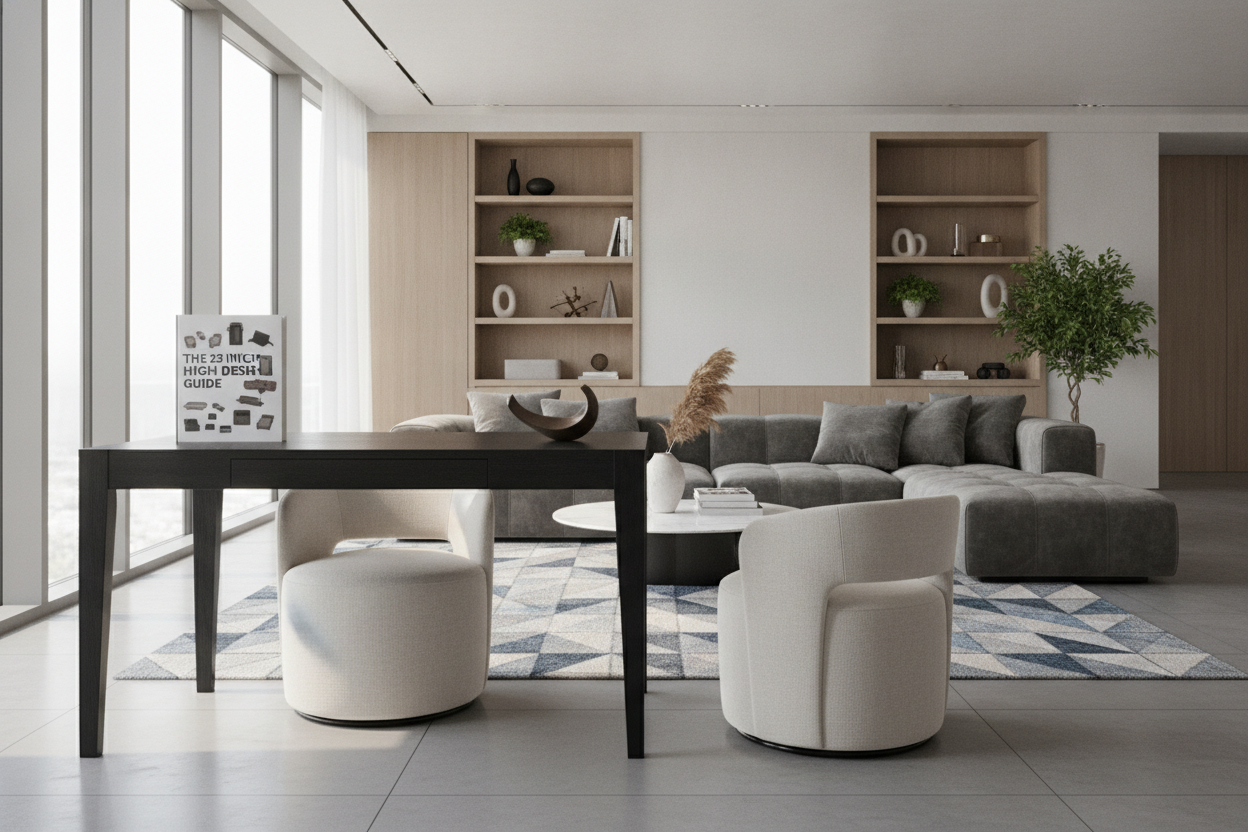
Finding the right desk size often involves balancing functional desktop real estate with the physical limits of a room. A desk 48 x 24 inches represents one of the most versatile footprints in residential furniture design. This size provides a four-foot horizontal span paired with a two-foot depth, creating an efficient platform that accommodates modern computing hardware without overwhelming smaller floor plans.
Compared to slim console tables or narrow writing desks that often measure under twenty inches deep, a twenty-four-inch work surface provides necessary depth for screen separation, keyboard placement, and forearm support. Conversely, it avoids the bulky room intrusion of traditional executive desks, making it an adaptable choice for dedicated home offices, bedroom study corners, and multi-functional living areas.
Room Flow and Clearance Planning for a 48 x 24 Desk
Proper spatial planning ensures that a workstation integrates smoothly into a room's daily traffic patterns. While the desk footprint occupies an area of eight square feet, the operational zone required around the furniture is substantially larger.
- Chair Pullback and Seating Space: Ensure sufficient space behind the desk to slide an office chair back comfortably and stand up without bumping into walls, bookshelves, or nearby furniture.
- Perimeter Circulation: Maintain unobstructed pathways around the primary seating area so that entering and exiting the workstation does not disrupt standard room walkways.
- Wall-Facing Placement: Positioning the desk flush against a wall maximizes open floor area and simplifies power cable routing to existing wall outlets.
- Window and Corner Integration: Placing the workstation near natural light can create an inviting setup, though positioning should account for window sill heights, radiator clearance, and screen glare throughout the day.
Surface Zoning and Screen Ergonomics on a 24-Inch Depth
Organizing a twenty-four-inch surface depth requires thoughtful zoning to keep essential items accessible while preserving clear sightlines and physical comfort. Organizing the desk into tiered working zones helps optimize productivity across a four-foot width.
The primary reach zone encompasses the central area where your hands naturally rest, making it the ideal spot for a keyboard, mouse pad, or notebook. The secondary zone sits just beyond this perimeter, serving as a stable location for secondary displays, reference material, desk lamps, or beverage coasters. The rear zone holds monitor mounts, desktop speakers, and riser stands.
On a two-foot surface, viewing distance can feel tight when utilizing large or deep monitor stands. Utilizing clamp-on monitor arms or slim riser shelves elevates displays above the desktop surface, reclaiming valuable surface area beneath the screen for docking hubs, small peripherals, or stationery trays.
Storage and Legroom Harmony: Optimizing the Under-Desk Space
A central challenge in configuring a four-foot workstation is balancing functional storage with unhindered legroom. Because the horizontal frame spans forty-eight inches, placing bulky storage components underneath requires careful spatial management.
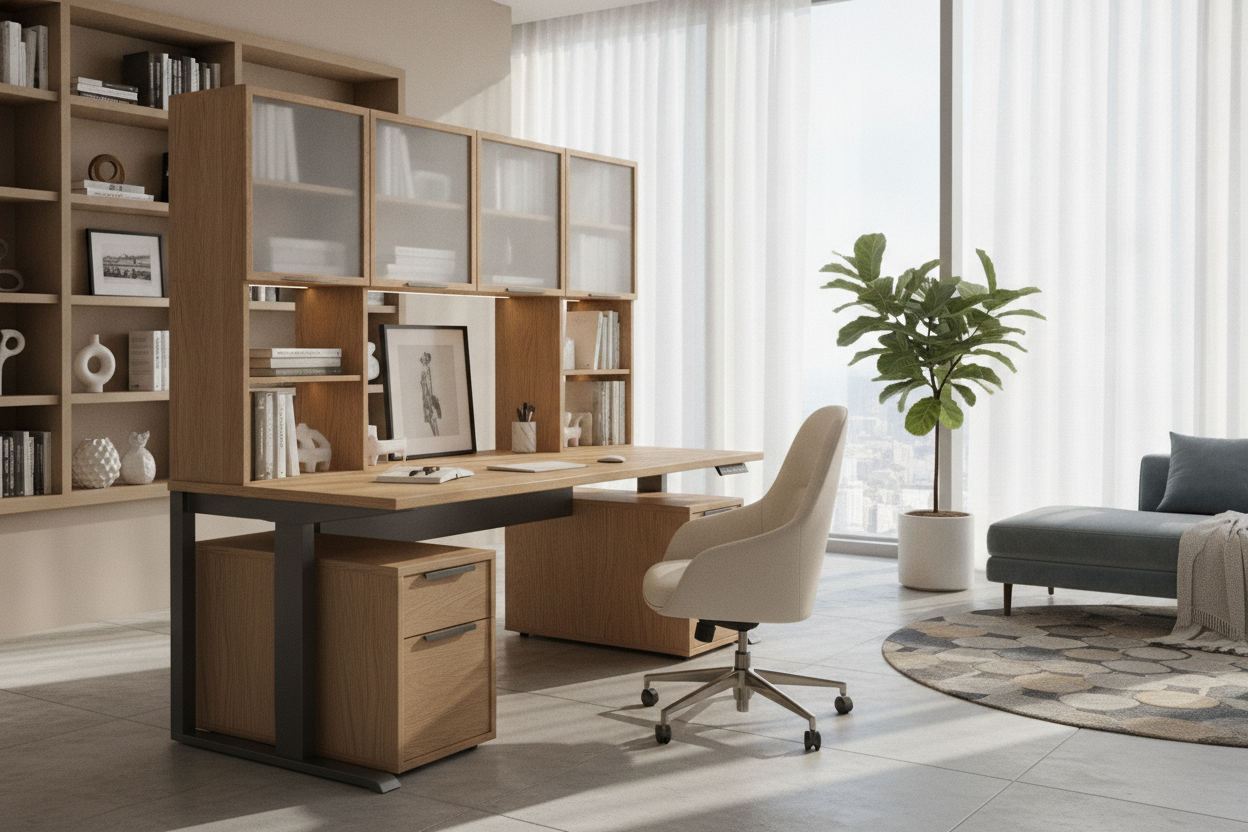
- Integrated Drawers: Desks with shallow pencil drawers beneath the desktop maintain broad knee space across the entire span, though they slightly reduce vertical thigh clearance.
- Mobile Pedestals: Detached rolling file cabinets placed to one side offer versatile document organization and can be wheeled outward when extra leg sweep is desired.
- Under-Desk Cable Management: Fastening wire raceways or mesh cable trays along the rear underside prevents power bricks and surge protectors from cluttering the footwell.
Material Choices and Frame Geometry for 48 x 24 Workstations
The structural integrity and visual character of a workstation depend heavily on the pairing of worktop materials and base designs. Selecting appropriate materials ensures durability against daily wear, moisture, and hardware weight.
Worktop Surfaces
Engineered wood finished with durable laminate offers a resilient, easy-to-clean surface that resists scratches, spills, and daily wear. Solid wood worktops provide natural grain patterns, warmth, and refinishing potential, though they may require periodic care. Composite panels with smooth veneers deliver a modern aesthetic suitable for contemporary design schemes.
Frame Geometries
Four-leg post frames offer classic four-corner stability and simple aesthetic integration across diverse decor styles. T-frame and C-frame metal bases, commonly found on height-adjustable or open-frame workstations, maximize knee clearance by eliminating front corner obstructions. Choosing a frame with a central support rail or heavy-gauge crossbar prevents center desktop sag over extended use.
Versatile Use Cases: Tailoring the 48 x 24 Desk Across Roles
The balanced proportions of a 48 x 24 desk allow it to transition seamlessly across distinct user requirements and room settings.
For remote professionals, the four-foot width easily holds a compact dual-screen setup or a single ultrawide monitor alongside a laptop. For students, the layout accommodates a desktop computer while leaving ample side space for textbooks, paper notebooks, and task lighting. In creative or crafting roles, the surface acts as an organized hobby bench capable of holding cutting mats, desktop organizers, and drafting tools without dominating the entire room.
Buyer Decision Framework: Key Considerations Before Choosing a 48 x 24 Desk
Before selecting a new workstation, reviewing a structured checklist helps ensure the piece aligns with both personal work habits and interior architecture.
- Measure Available Space: Verify not only the floor area for the desk footprint but also doorway entry widths and surrounding wall clearance.
- Assess Hardware Requirements: Account for the physical size and combined weight of screens, desktop towers, lighting, and heavy storage accessories.
- Evaluate Seating Compatibility: Check the height of chair armrests against the underside of the desk frame to ensure the chair can tuck away neatly when not in use.
- Determine Storage Priorities: Decide whether your workflow benefits more from an open-concept legwell or dedicated under-desk drawers and shelving units.

Dejar un comentario
Este sitio está protegido por hCaptcha y se aplican la Política de privacidad de hCaptcha y los Términos del servicio.