




The Strategic Framework for Adjustable Table Height Workspaces
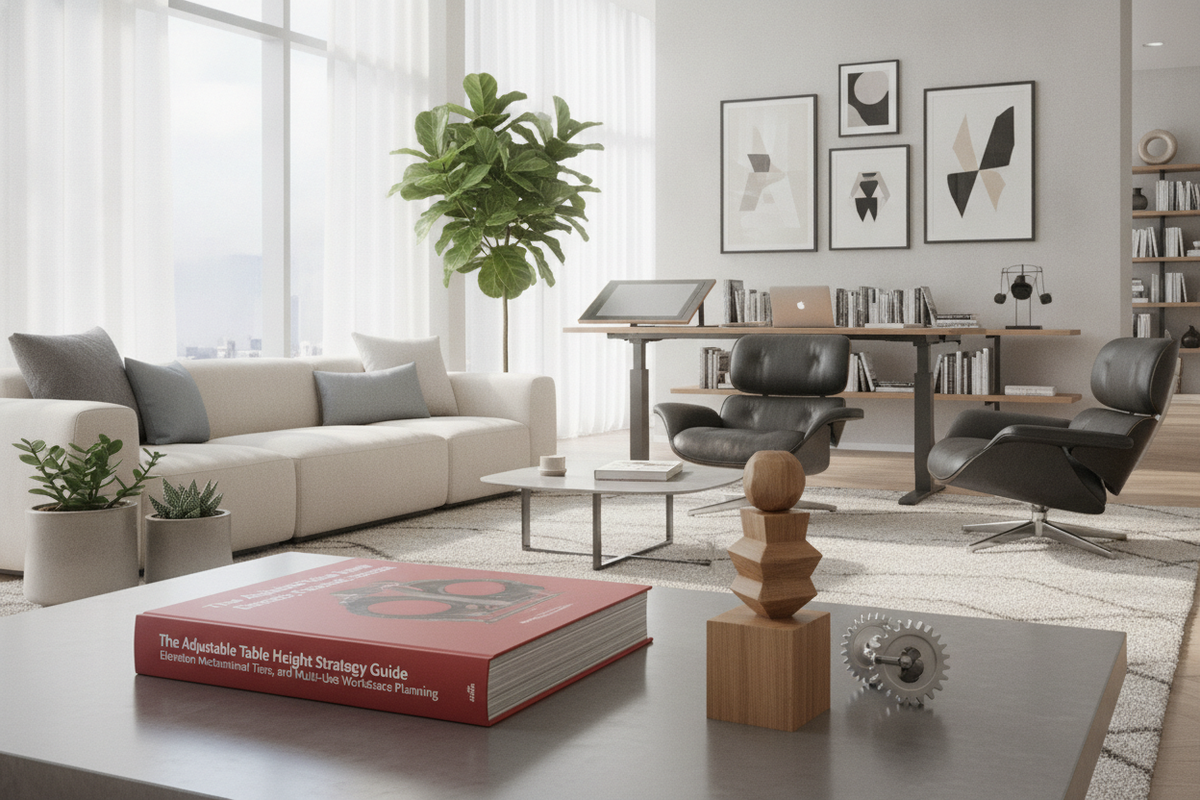
Modern residential workspaces demand versatility. Integrating an adjustable table height framework allows a single room to support rigorous professional tasks, creative projects, and focused study routines without requiring separate specialized tables. Establishing the right elevation architecture begins with evaluating daily spatial objectives, balancing functional utility with interior design continuity.
Understanding Multi-Elevation Needs in Daily Tasks
Work patterns shift throughout the day, and surface elevation should accommodate distinct activities. Deep computer work, hand drafting, physical reading, and shared collaborative sessions each benefit from tailored clearance. Selecting an adaptable work surface allows household members of different heights to use the same zone comfortably while supporting posture shifts between seated focus and upright tasks.
The Budget-Conscious Elevation Spectrum
Achieving elevation flexibility does not require overspending. Options range from manual pin-adjustment frames and incremental step-locks to smooth manual crank mechanisms and electric lifting columns. Choosing an adjustable height desk or table depends on how frequently the elevation changes occur and whether the setup serves a single user or multiple family members throughout the week.
Dimensional Sizing Tiers and Clearance Geometry
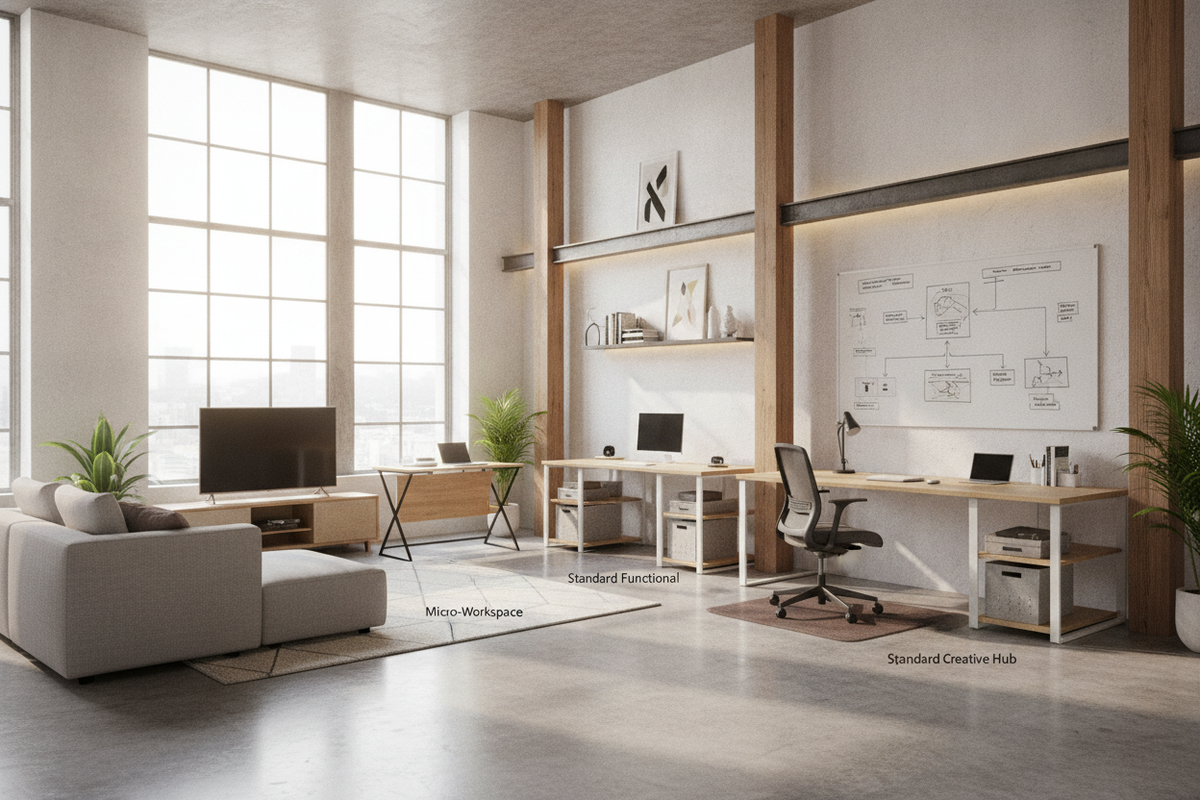
Proper workspace planning requires aligning desktop dimensions with available floor space. Evaluating clearance envelopes ensures that the surface fits neatly into room circulation zones while leaving ample space for seating and under-desk leg movement.
Compact Study Nooks and Secondary Rooms
In smaller apartments, guest rooms, or dedicated bedroom alcoves, space optimization is critical. Utilizing a study desk adjustable configuration with a compact footprint allows users to place functional work surfaces in narrow nooks. Maintaining adequate perimeter clearance preserves comfortable walkways and avoids crowding adjacent entry doors or closet openings.
Full-Span Workstations and Multi-Monitor Layouts
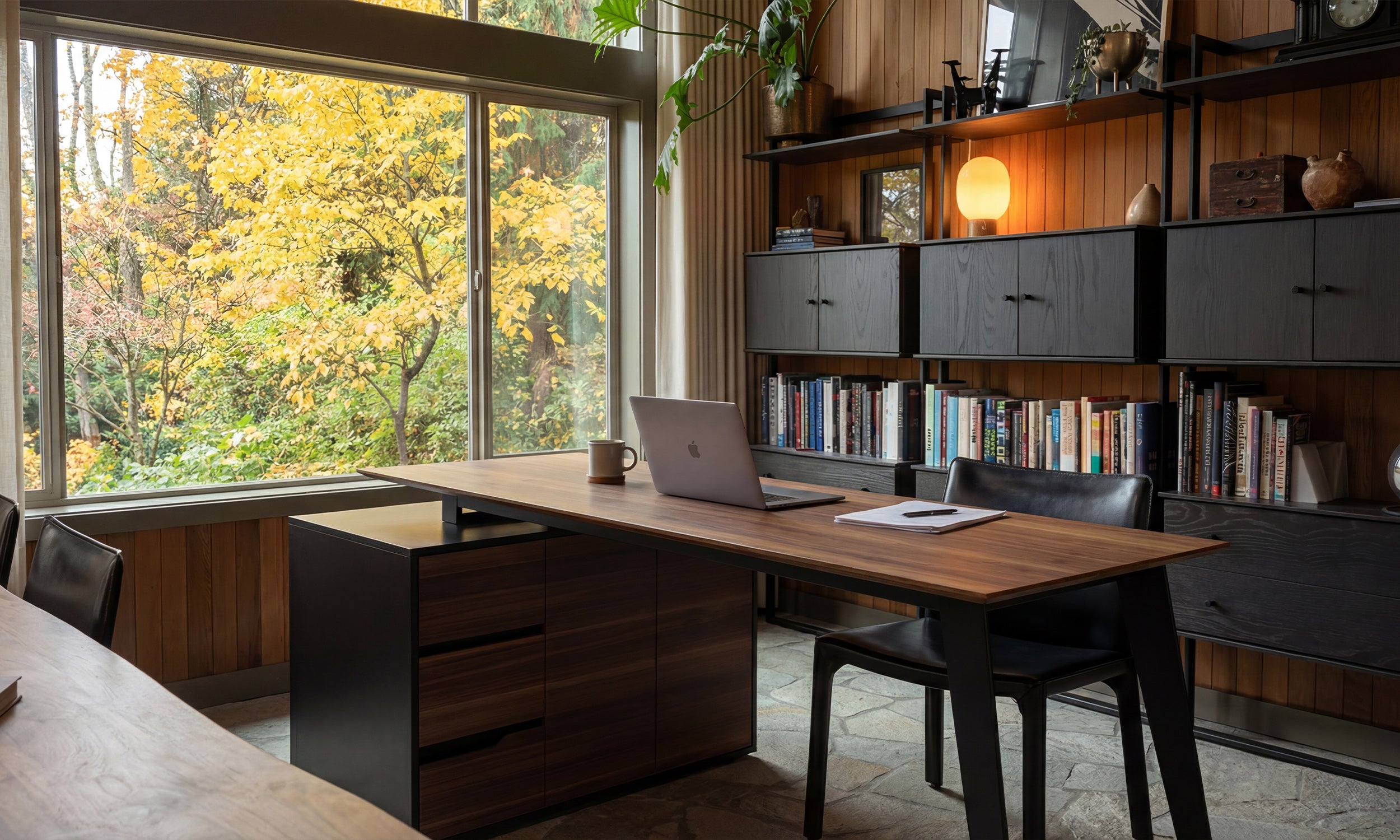
For dedicated home offices with complex technical setups, desktop breadth is essential for holding multiple displays, reference documents, and desk accessories. When planning full-span multi-monitor setups, selecting an expansive height adjustable desk product ensures sufficient surface breadth while preserving mechanical lift stability and providing ample knee clearance beneath the frame.
Core Elevation Mechanism Types and Structural Stability
The mechanical foundation of an adjustable table desk determines its stability, transition ease, and structural durability over time. Understanding the anatomical differences between lifting mechanisms helps ensure the right balance between cost, mechanical simplicity, and everyday convenience.
Manual Step-Lock and Crank Architectures
Manual adjustment mechanisms use physical locks, pins, or geared rotational cranks to set surface elevation. These designs eliminate reliance on electrical cords and wall outlet proximity, offering great flexibility in room layout. Because they feature fewer electronic components, manual frameworks provide dependable, budget-conscious longevity for users who only need occasional height modifications.
Motorized and Dynamic Lifting Columns
Motorized telescoping columns provide smooth, continuous vertical travel at the touch of a button. Telescoping leg stages slide smoothly to provide a broad range of elevation settings. Robust base plates and rigid upper mounting brackets help minimize lateral sway across both low and elevated working positions.
Integrated Storage Harmony and Multi-Functional Pairings
Dynamic work surfaces require thoughtful organization strategies. Because the desktop moves vertically, stationary shelving and connected accessories must be arranged to avoid collisions and preserve clean aesthetic lines.
Under-Desk Clearance and Mobile Storage Units
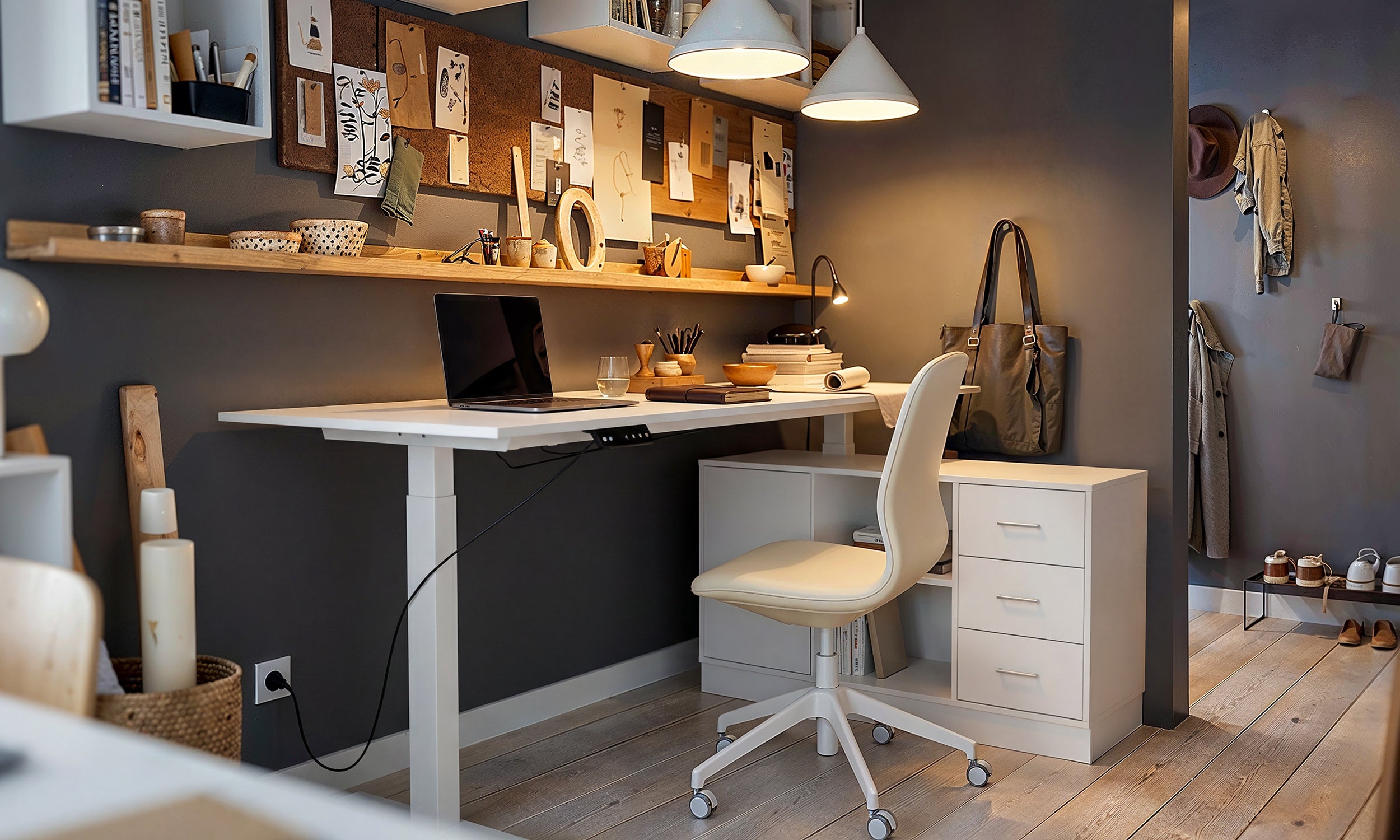
As a height-adjustable surface moves through its travel range, vertical clearance beneath the tabletop changes dynamically. Low-profile mobile pedestals and freestanding credenzas offer practical storage solutions that keep supplies accessible without obstructing legroom. Pairing your dynamic workstation with a matching adjustable collection of modular shelving preserves floor space and adapts to various elevation zones.
Specialized Multi-Use Surfaces and Vanity Hybrids
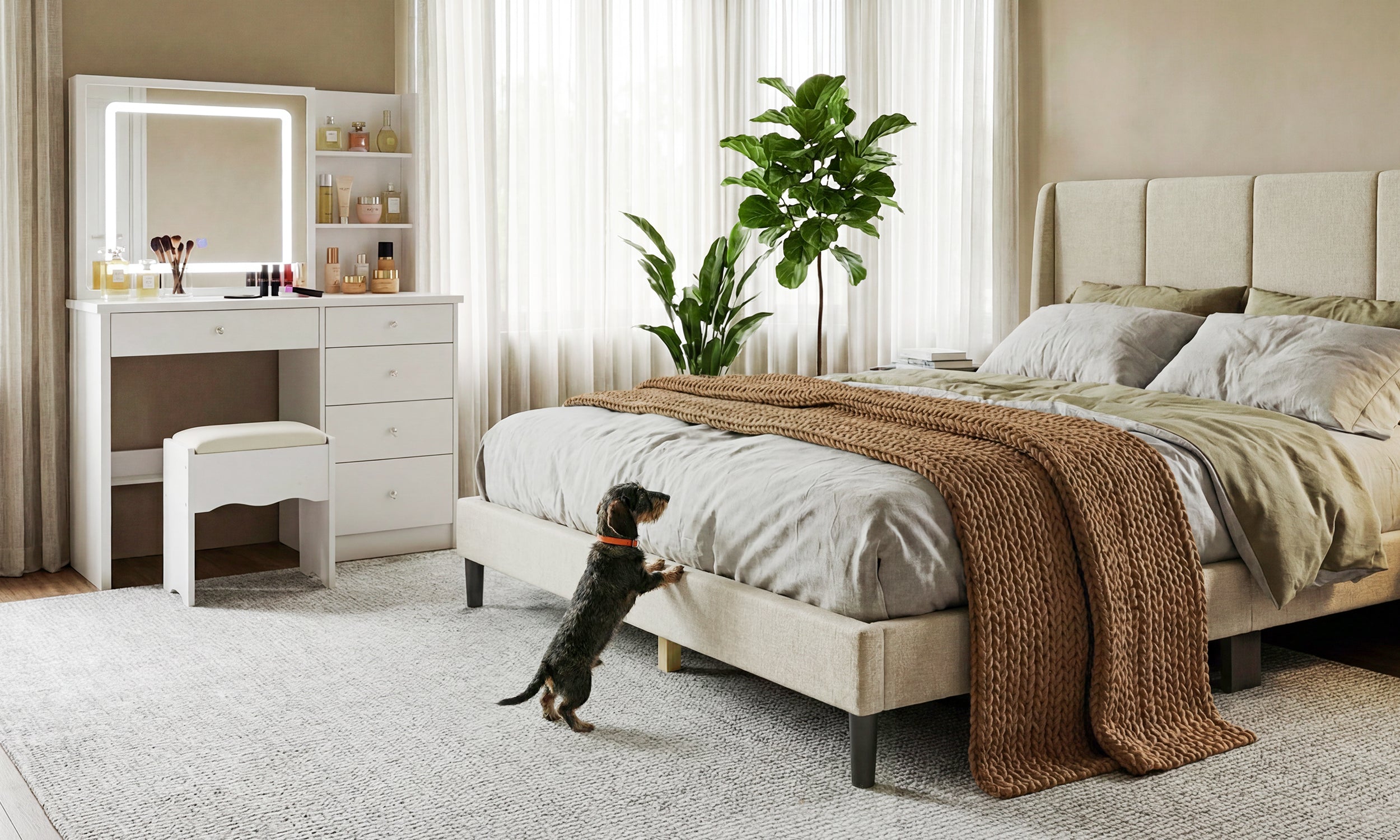
Multi-functional rooms benefit from furnishings that serve varied daily routines. In multifunctional bedrooms, utilizing a hybrid desk adjustable height product allows the surface to transition effortlessly between grooming routines and concentrated work sessions, maximizing the practical value of your floor plan.
Assembly Precision, Material Integrity, and Longevity
Maintaining a dependable, wobble-free workstation requires careful assembly and ongoing hardware care. Establishing a balanced distribution of weight across the surface extends the mechanical life of joints and lifting columns.
Weight Distribution and Fastener Maintenance
Heavy monitors, computer towers, and desktop organizers should be positioned thoughtfully across the primary structural span. Distributing weight evenly across both lifting legs prevents uneven mechanical strain and preserves smooth operation. Periodically checking frame bolts, mounting plates, and leg levelers ensures the structure remains rigid and quiet during transitions.
Curating an Organized, Clutter-Free Study Zone
Visual order directly supports mental clarity and productive focus. Managing cable slack with flexible conduits allows wires to move freely without snagging during height adjustments. For tips on arranging desktop tools to minimize visual clutter during elevation changes, consult our comprehensive study desk guide on workflow ergonomics.

Dejar un comentario
Este sitio está protegido por hCaptcha y se aplican la Política de privacidad de hCaptcha y los Términos del servicio.