










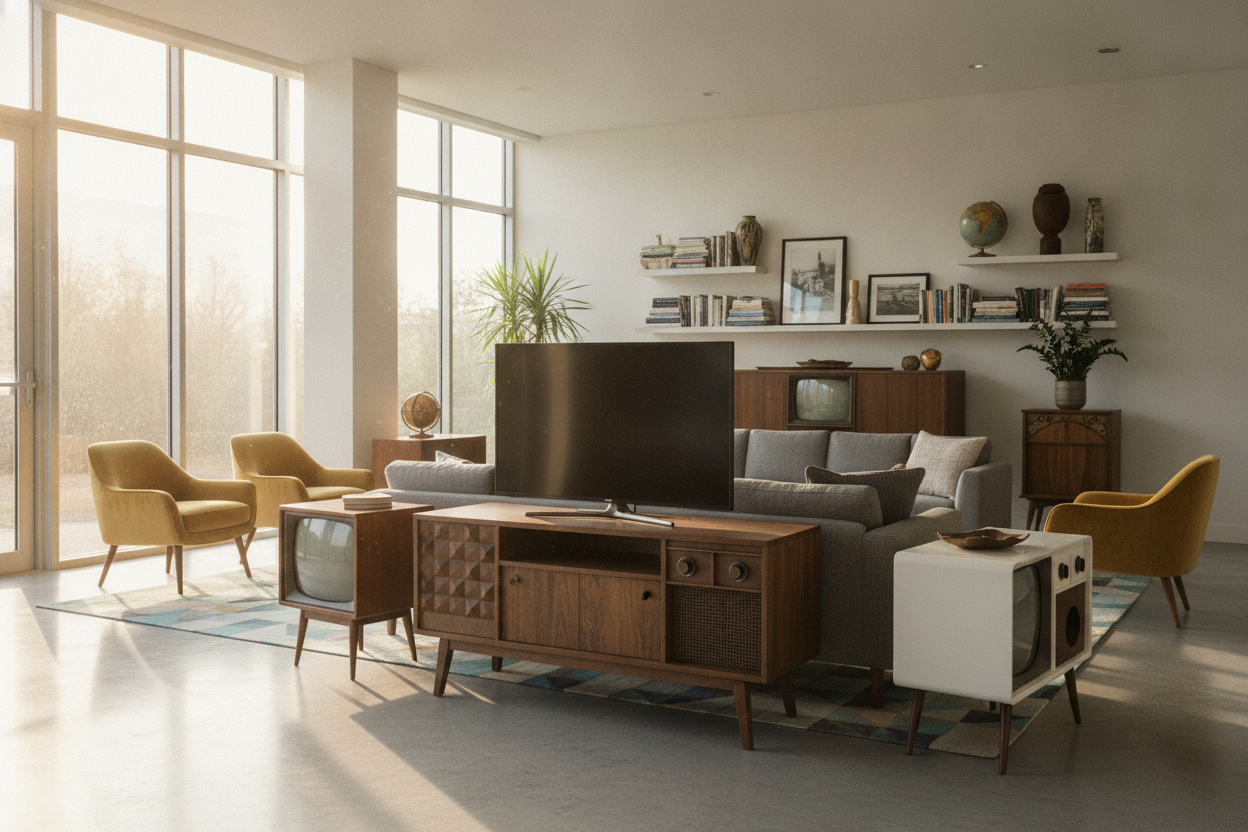
I remember finding a teak sideboard in a basement in Queens three years ago. It was $100, smelled like lemon oil and 1968, and I was convinced I’d finally nailed the aesthetic. Then I got it home and tried to put my 55-inch LG on it. The legs wobbled like a house of cards, and I spent four hours trying to figure out where the hell to put the PlayStation. Buying a vintage tv console is a rite of passage that usually ends in a trip to the hardware store and a lot of swearing.
Quick Takeaways
- Vintage pieces are usually 16-18 inches deep; modern tech often needs 20+ inches for cables.
- Original back panels lack ventilation, which can literally cook your gaming console.
- Tapered 'pencil' legs weren't designed for the concentrated weight of heavy glass screens.
- You will almost certainly need to drill holes in the back of your antique.
The Romantic Fantasy vs. The Dusty Reality
The dream is simple: a sleek, low-slung 1960s piece that makes your living room look like a curated set. You spend weeks hunting for old tv consoles or the perfect vintage media console on marketplace apps. When you finally find a tv console antique that fits your budget, you imagine it holding your tech with effortless grace. But there is a reason these pieces are often vintage tv console for sale items—they are a pain to live with.
A 1960s retro tv console was designed for a heavy tube TV that sat inside a massive wooden box, or perhaps just a small record player. Putting a razor-thin, top-heavy 65-inch smart TV on a dainty credenza is a recipe for a structural heart attack. I’ve seen beautiful walnut veneers scarred by the heat of a cable box and legs that have slowly bowed under the weight of a soundbar.
Why an Old Wood Console TV Hates Your Modern Tech
Depth is the silent killer. Most vintage media cabinets are surprisingly shallow. Your modern receiver or PS5 is a beast that needs breathing room. I once tried to shove a Marantz receiver into an old wood console tv cabinet and couldn't even close the doors because the HDMI cables stuck out three inches past the shelf. It’s frustrating to own a tv console vintage piece where the doors have to stay open just to watch a movie.
Then there is the weight capacity. Solid wood is great, but the way a vintage tv console cabinet is joined matters. Those thin, elegant legs were meant for 1950s decor, not 80 pounds of glass and plastic. If you aren't careful, you’ll notice the middle of your vintage tv console cabinets sagging within six months. It’s not just an aesthetic issue; it’s a 'your-TV-is-going-to-fall' issue.
The Dreaded Retro TV Console Cord Management Situation
Back in the day, 'cord management' wasn't a thing because you had exactly one plug. Now, an old box tv stand becomes a literal spiderweb of black cables trailing out the sides because there are no holes in the back. It ruins the clean look instantly. You’re left with a vintage media stand that looks like it’s being strangled by an octopus because you didn't want to 'ruin' the original wood by drilling into it.
How to Actually Retrofit a Vintage Media Stand (Without Ruining It)
If you’re committed to the old console tv cabinet life, get a 2-inch Forstner bit. Do not use a standard spade bit; it’ll splinter that 50-year-old veneer faster than you can blink. Drill your holes in the back panel for airflow and cables. If the back is solid wood, consider unscrewing it and replacing it with a piece of 1/4-inch plywood so you don't ruin the original structural integrity of a rare old tv console for sale.
For a retro media cabinet, I always swap the original screws in the legs for heavy-duty 2-inch versions. If the piece is long, add a center support leg. You can find them for $15 online, and they save you from a $2,000 TV-shattering heartbreak. I also recommend using external cord tracks that match your wall color to hide the mess that inevitably spills out from a retro stand.
When to Give Up and Buy a Vintage Style Media Console
Sometimes a piece is just too fragile or too small. If you’re staring at a retro media console that’s bowing in the middle or has active wood rot, walk away. This is where a vintage style media console saves your sanity. You get the look without the structural anxiety. I eventually swapped my shaky antique for an adjustable length media console because I needed something that wouldn't collapse under my soundbar.
If you still want that curated look, you can use a display cabinet TV stand elsewhere in the room to house your actual vintage treasures while your TV sits on something that won't kill it. It’s about being honest with how you actually use your space. A tv stand retro vibe is great, but not at the expense of your expensive electronics.
My Final Verdict on Antique Hunting for the Living Room
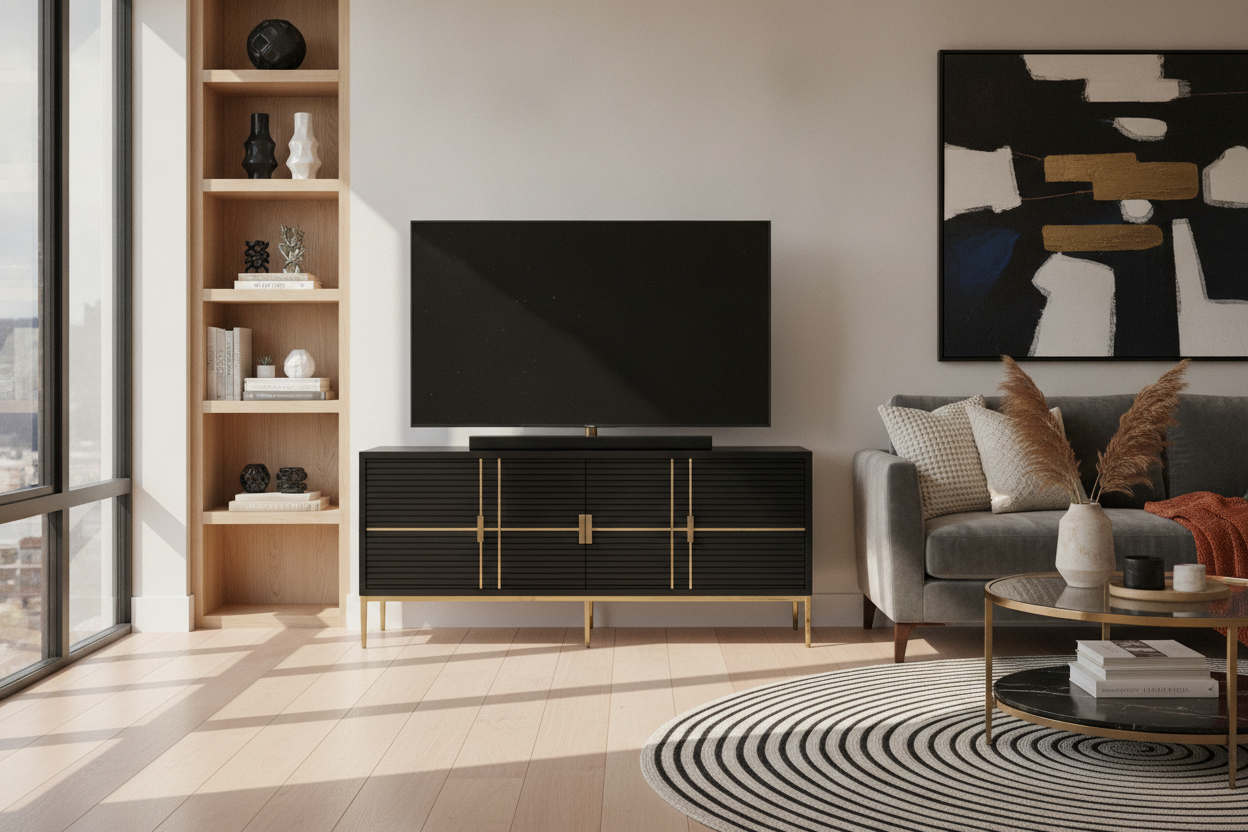
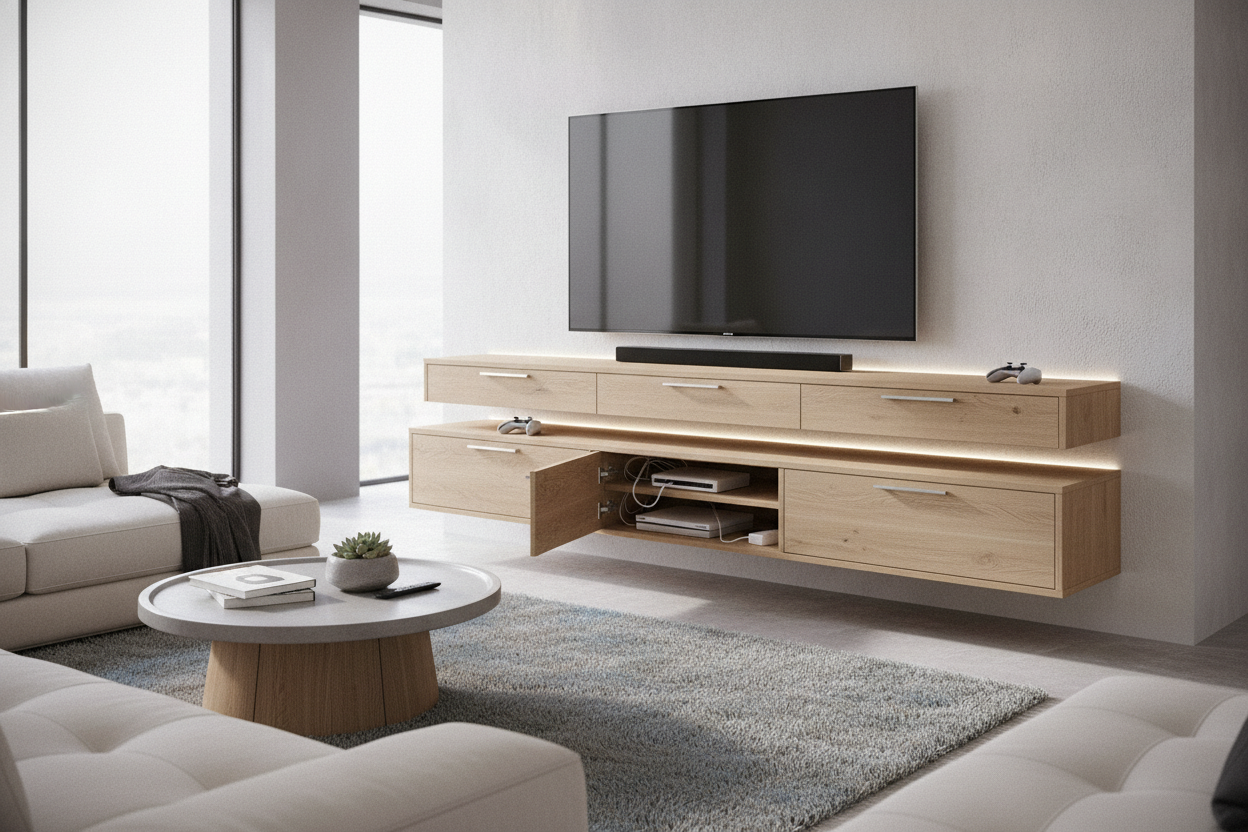
Finding a vintage tv console at a thrift store is a massive thrill, but don't let the nostalgia blind you to the physics of the situation. An old tv console cabinet requires work, tools, and a willingness to modify the piece. If you aren't handy with a drill or willing to spend a Saturday reinforcing joints, you’re better off buying a modern reproduction. If you've realized that DIY isn't in your future, you can always browse modern TV stands that actually have built-in cable management and won't wobble when the cat jumps on them.
FAQ
Can I put a 65-inch TV on a vintage sideboard?
Only if it's reinforced. Most 1960s sideboards aren't wide enough to look balanced with a 65-inch screen, and the weight can cause the top to bow over time.
How do I hide cables without drilling?
You can try routing them through existing gaps if the back panel is loose, but for a clean look, drilling is almost always necessary. Use cord snakes to bundle them together.
Is vintage wood better than new furniture?
Usually, yes. Vintage pieces often use solid hardwood or high-quality thick veneers, whereas modern budget furniture uses 1.5 lb density particle board that sags within a year.

Dejar un comentario
Este sitio está protegido por hCaptcha y se aplican la Política de privacidad de hCaptcha y los Términos del servicio.