


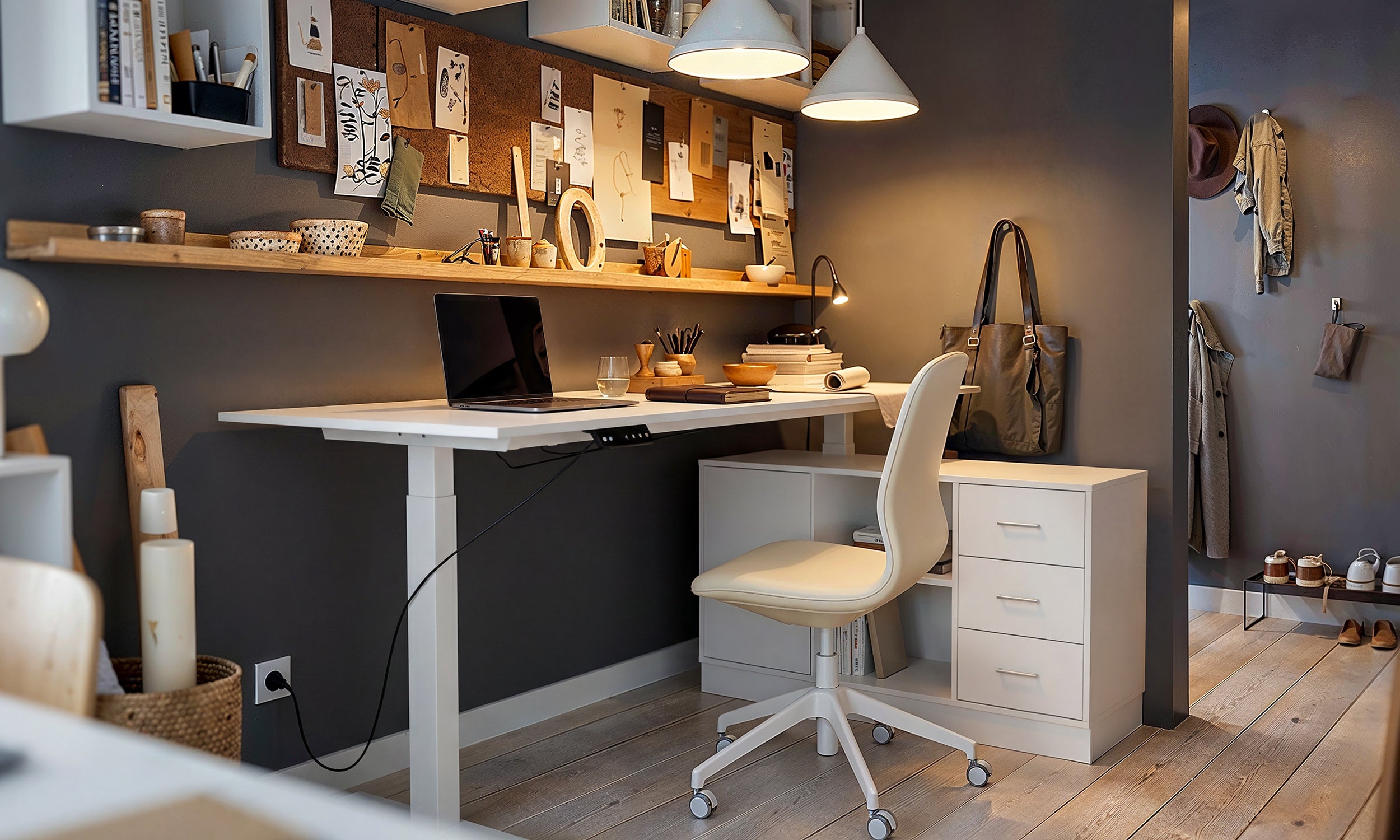
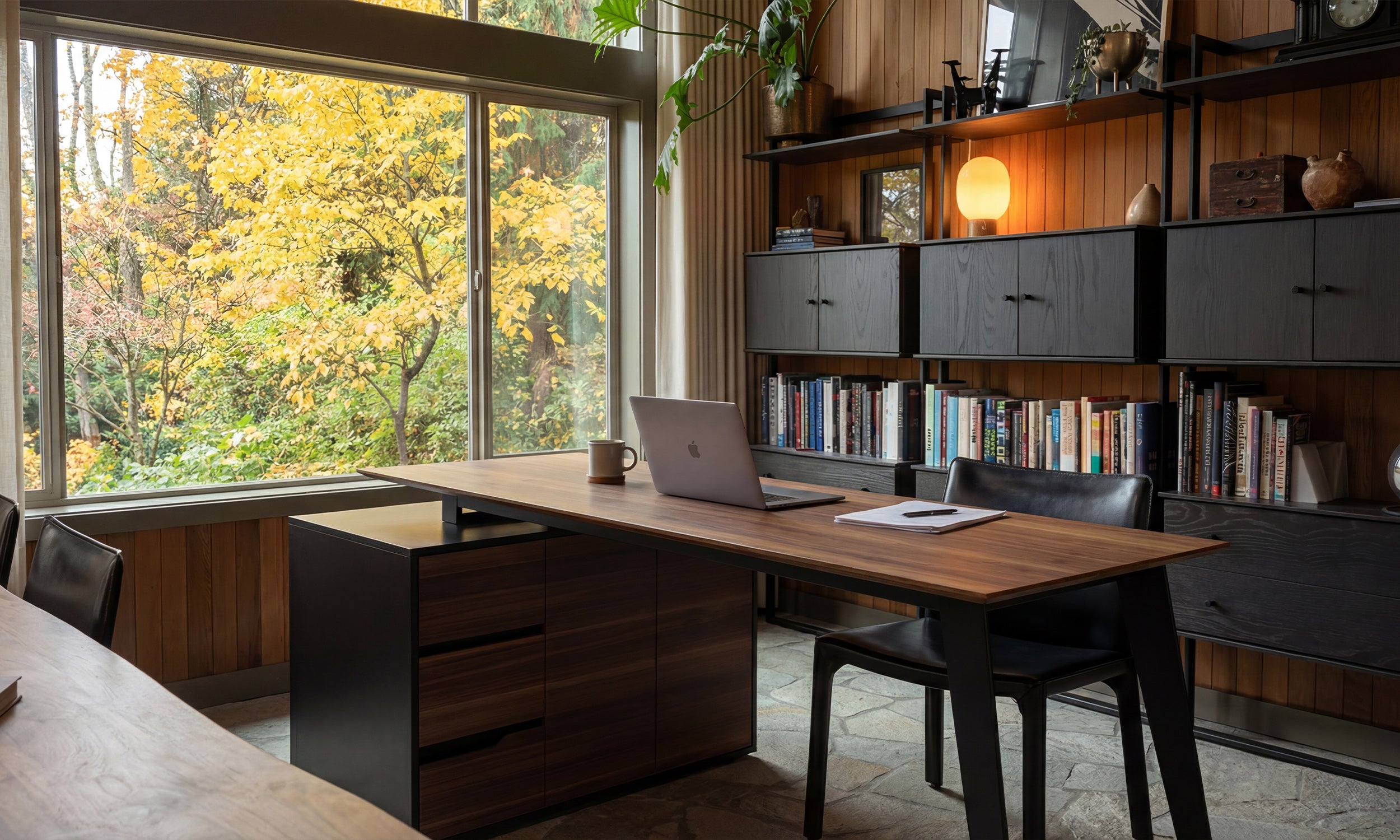


Designing a productive workstation within a bedroom corner, micro-apartment, or dual-purpose living area requires balancing physical posture support with strict spatial efficiency. Standard executive task chairs often dominate compact environments because of oversized star-bases, fixed wide armrests, and tall, visually heavy backrests. Choosing dedicated chairs for small desks transforms tight layouts by maintaining open walkways, protecting knee clearance, and sliding smoothly beneath slim work surfaces.
Understanding Spatial Constraints: Why Standard Task Chairs Overwhelm Small Desks
Traditional office seating is engineered for dedicated commercial footprints where perimeter clearance is rarely an issue. When placed in compact residential zones, these full-sized chairs introduce architectural friction that disrupts both workflow and daily living routines.
The Anatomy of Workspace Encroachment: Base Span vs. Knee Clearance
A primary point of conflict between conventional task seating and compact desks occurs beneath the desktop surface. Standard five-star caster bases feature broad circumferences designed for tipping stability on expansive floor spans. In a compact bedroom or alcove, this wide diameter frequently collides with narrow desk legs, side storage pedestals, or nearby baseboards. Additionally, standard fixed armrests often hit the front edge or underside drawer apron of compact desks, preventing the chair from tucking inward when not in use. For a deeper look at balancing workstation elements, our guide to curating desks and chairs for small spaces outlines essential layout strategies.
Visual Weight and Room Flow in Compact Workstations
Beyond physical dimensions, visual mass plays a significant role in how comfortable a small room feels. Bulky leather high-back chairs create an opaque barrier in the middle of a room, blocking sightlines and making modest spaces feel crowded. Selecting low-profile or streamlined seating keeps visual sightlines uninterrupted, allowing daylight to flow freely across the room.
Design Profiles and Architectural Tiers of Chairs for Small Desks
Not every compact chair serves the same functional need. Categorizing small desk chair options by silhouette and mobility helps pinpoint the right balance between long-session comfort and footprint conservation.
Tier 1: Armless Minimalist Swivel Chairs for Maximum Tuck-In Mobility
Armless task chairs represent the most spatial-efficient option for tight corners and narrow knee-wells. Without protruding arm supports, the seat pan can slide flush under the desktop regardless of apron height. This configuration allows complete clearance for walkways when work is finished, making armless designs ideal for secondary bedrooms and narrow transitional hallways.
Tier 2: Flip-Up Armrest and Low-Profile Task Chairs for Dual-Purpose Versatility
For individuals who require forearm support during typing sessions but still need full clearance after work, flip-up arm mechanisms offer balanced versatility. The arms rotate upward parallel to the backrest, allowing the chair to push neatly into shallow desks. This design pairs especially well with dynamic setups such as an ergonomic home office sit-stand desk, providing flexible task support during seated intervals.
Tier 3: Petite Ergonomic and Mid-Century Accent Hybrids for Multi-Use Living Spaces
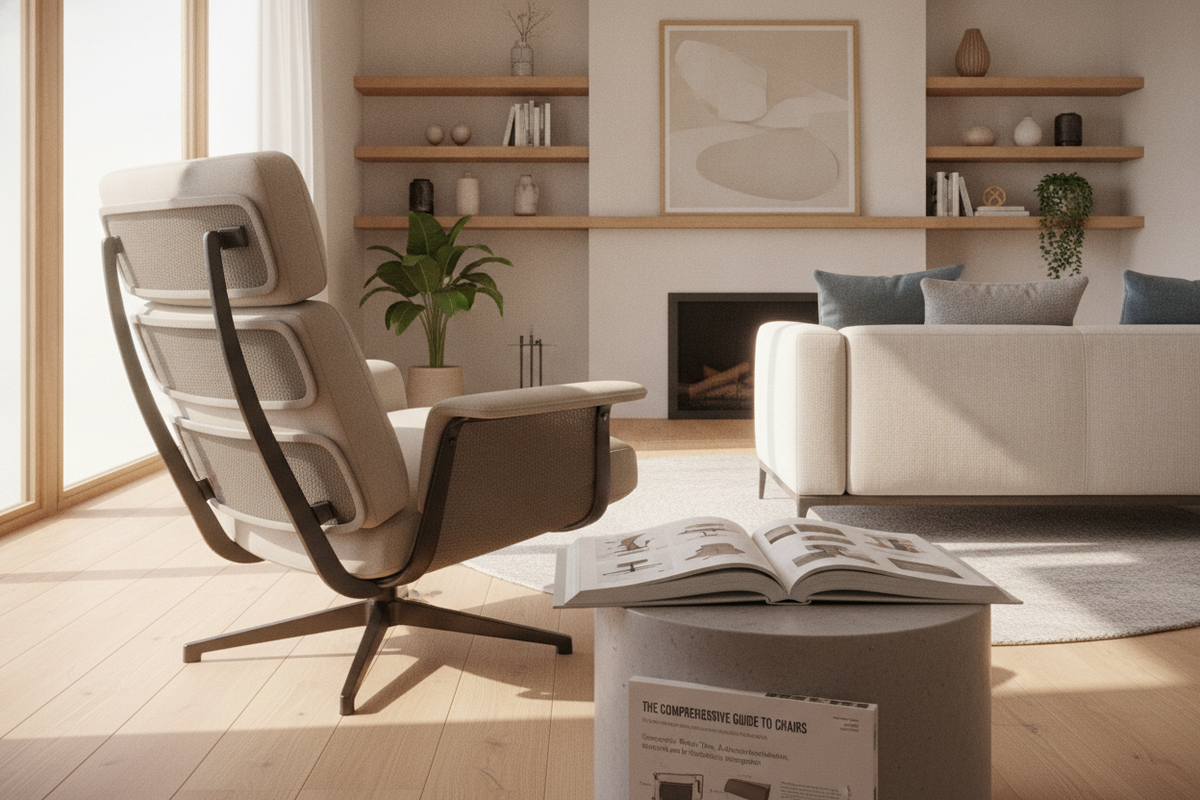
When a desk sits directly inside a shared living room or open-concept studio, a traditional plastic task chair can clash with existing decor. Hybrid accent chairs feature soft tailored upholstery, slender metal or wood frames, and compact swivel bases that blend seamlessly with residential furnishings while providing upright posture support.
Dimensional Fit Matrix: Coordinating Chair Proportions with Compact Desks
Achieving a seamless match between your chair and desk requires evaluating three key spatial dimensions before finalizing your setup.
- Knee-Well Width: Measure the clear horizontal distance between desk legs or inner storage panels to ensure the chair base and seat pan glide inward without scraping side surfaces.
- Apron and Drawer Clearance: Measure the vertical clearance from the floor to the lowest hanging edge of the desk frame to verify that seat cushions and arm structures clear the underside easily.
- Base Sweep Diameter: Check the full rotational radius of the caster base to confirm it does not snag on adjacent wall trim, electrical cords, or area rug borders.
Matching these clearances is particularly useful when pairing compact seating with multi-functional units like a modern minimalist home office computer corner desk, where integrated shelving creates a structured knee opening.
Material Selection, Breathability, and Visual Balance in Small Spaces
Material choices directly influence both thermal comfort during long work hours and the visual harmony of a compact workstation.
Lightweight Mesh and Slender Upholstery vs. Bulky Executive Padding
Tightly stretched mesh backrests offer continuous airflow while maintaining an open, semi-translucent look that minimizes visual heaviness. Conversely, tailored woven fabrics and faux leather add warmth and texture to residential interiors. When choosing upholstered options for compact rooms, prioritize slim high-density foam cushions over deep, overstuffed padding to retain structured support without unnecessary bulk.
Coordinating Finishes with Surrounding Furniture and Storage Units
Maintaining a cohesive color palette helps a small desk chair blend naturally into its surroundings. Pairing white, chrome, or light neutral chair frames with light-toned desks keeps alcoves bright and airy. Darker graphite or matte black chair frames work well against deeper wood accents or industrial decor, creating intentional visual grounding without overwhelming the space.
Integration Blueprint: Harmonizing Compact Seating with Desks and Perimeter Storage
A compact workspace functions best when treated as an integrated system rather than isolated pieces of furniture. Organizing surrounding floor space ensures your chair remains effortless to adjust and store.
Multi-Functional Setups in Bedrooms and Living Room Nooks
In multi-purpose rooms, designate specific zones for work and rest. When the workday ends, rolling or tucking the chair completely beneath the desk signals a clean mental transition away from tasks while keeping primary walkways unobstructed. Selecting furnishings from a dedicated curated small space furniture collection ensures each component shares space-conscious proportions.
Maintaining Order and Floor Space with Coordinated Storage Pieces
To prevent clutter from spilling onto the floor and impeding chair movement, utilize vertical storage cabinets, slim bookshelves, and wall-mounted organizers for office supplies. Complementing your desk zone with compact accent storage, as explored in our guide to small footprint accent pieces, keeps necessary daily items close at hand while leaving ample floor space for smooth chair rotation and comfortable legroom.


Dejar un comentario
Este sitio está protegido por hCaptcha y se aplican la Política de privacidad de hCaptcha y los Términos del servicio.