




The Core Anatomy of a Multifunction Desk: Balancing Work, Utility, and Living
Modern homes frequently require furniture pieces to support multiple distinct daily activities. A single-purpose table often falls short when a single room must accommodate professional tasks, academic study, creative hobbies, and personal organization. Investing in a thoughtfully designed multifunction desk bridges these competing needs by pairing an adaptable surface area with integrated organizational elements.
Unlike conventional tables with static construction, a versatile functional desk adapts across varied daily routines. By incorporating tailored compartments, adjustable wings, or vertical utility shelving, these desks allow users to switch smoothly between laptop work, notebook journaling, and household administration. Exploring designs within a curated computer desk collection reveals how structural layouts can blend practical utility with clean interior styling.
Dimensional Tiers and Spatial Footprint Planning
Selecting the right multipurpose desk begins with evaluating room proportions and human movement pathways. Determining the correct dimensional footprint ensures adequate leg clearance and tabletop utility without crowding the surrounding space.
Compact Profiles for Flex Spaces and Alcoves
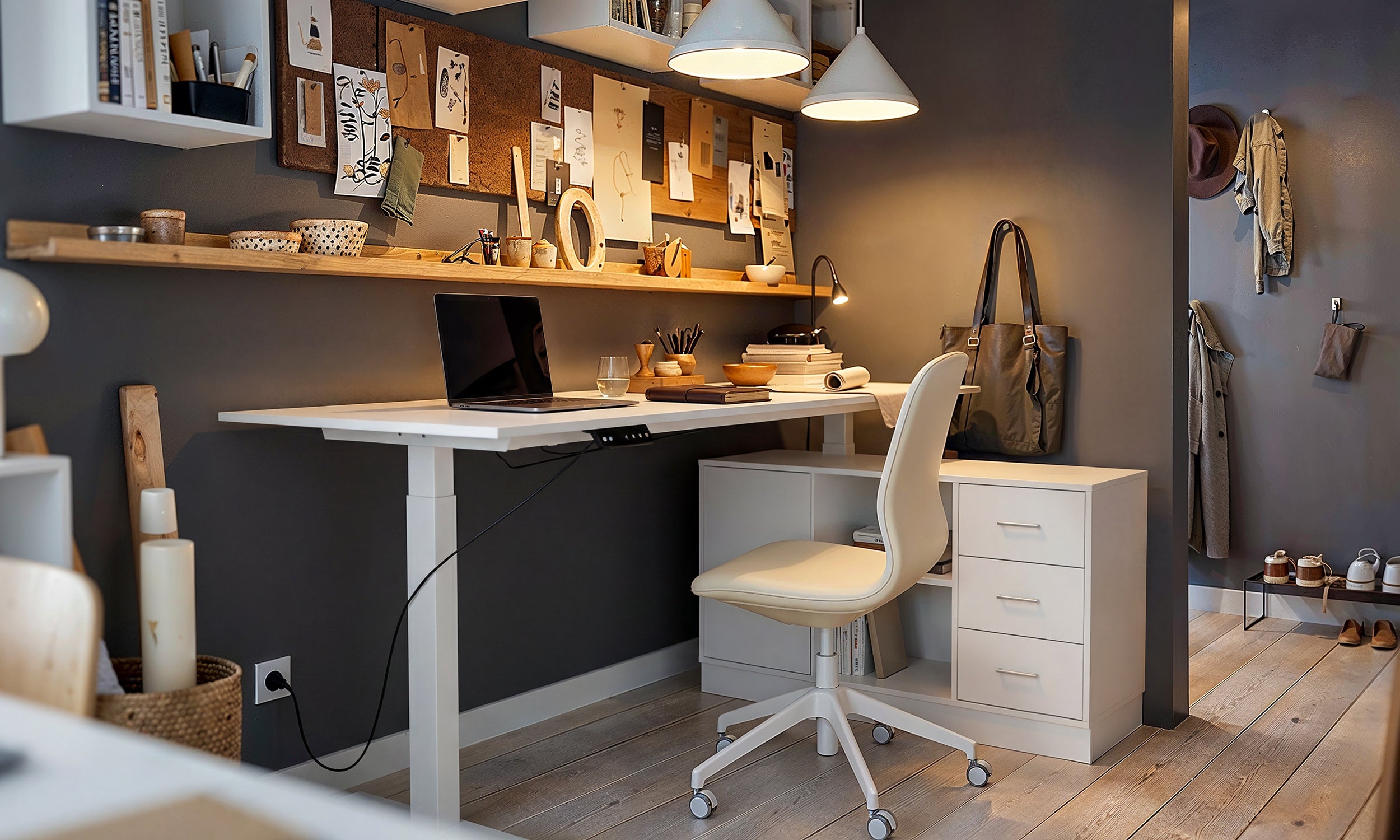
Compact layouts benefit from streamlined desk silhouettes that maximize vertical clearance while maintaining a shallow surface depth. These space-conscious designs fit naturally into hallway recesses, studio apartments, or guest room corners. A compact multi use desk provides dedicated task space for daily computing or bill management while preserving clear walking paths around surrounding furniture.
Mid-Size Dynamic Workstations for Study and Home Offices
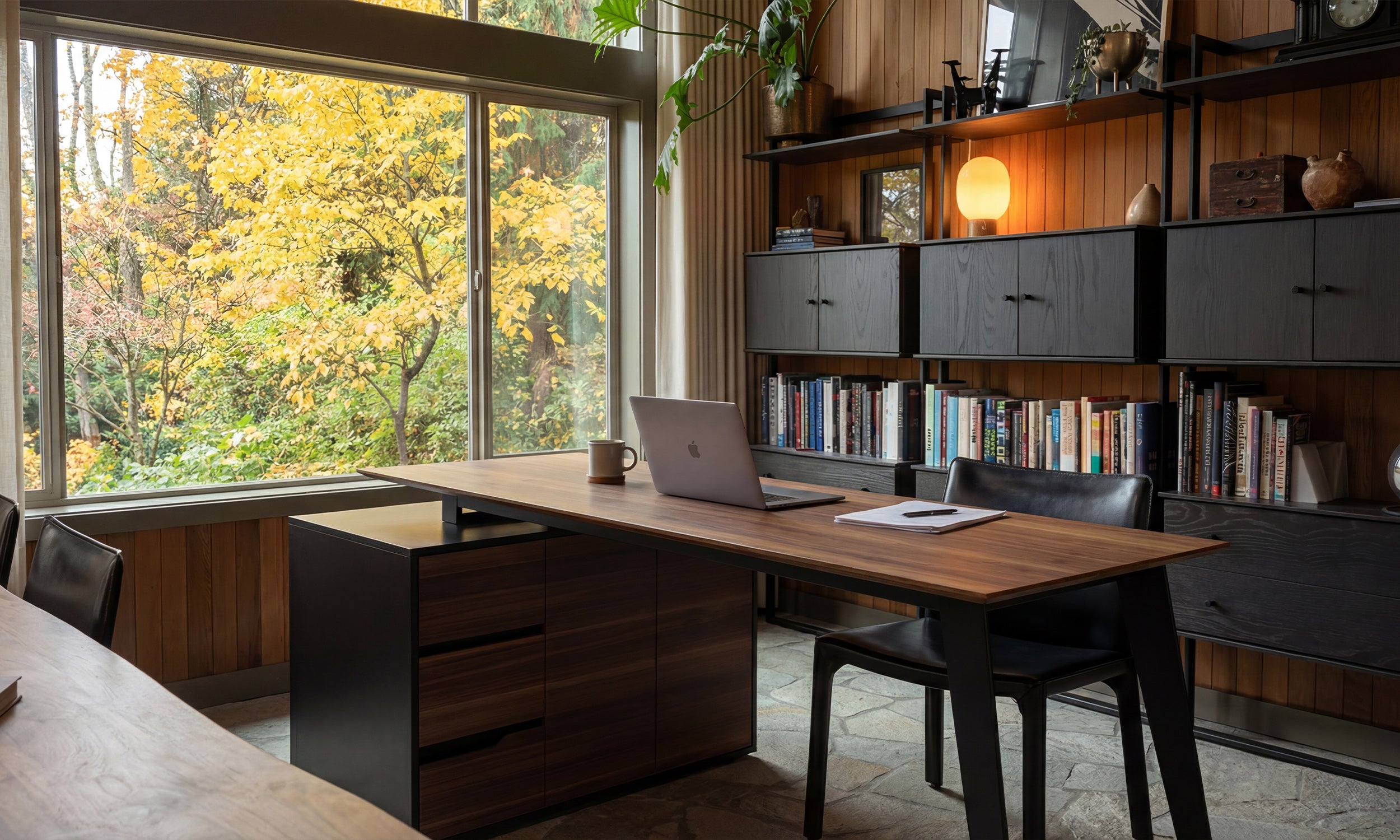
For dedicated home workspaces or shared study zones, mid-size desks strike a balance between working surface and room flow. These proportions easily accommodate a primary computer display, keyboard, writing pad, and desktop task light. A well-proportioned multi-function computer desk provides enough depth for comfortable arm placement while maintaining a compact overall profile in standard bedrooms or living room corners.
Expansive Multi-Zone Footprints for Shared Tasks and Creative Projects
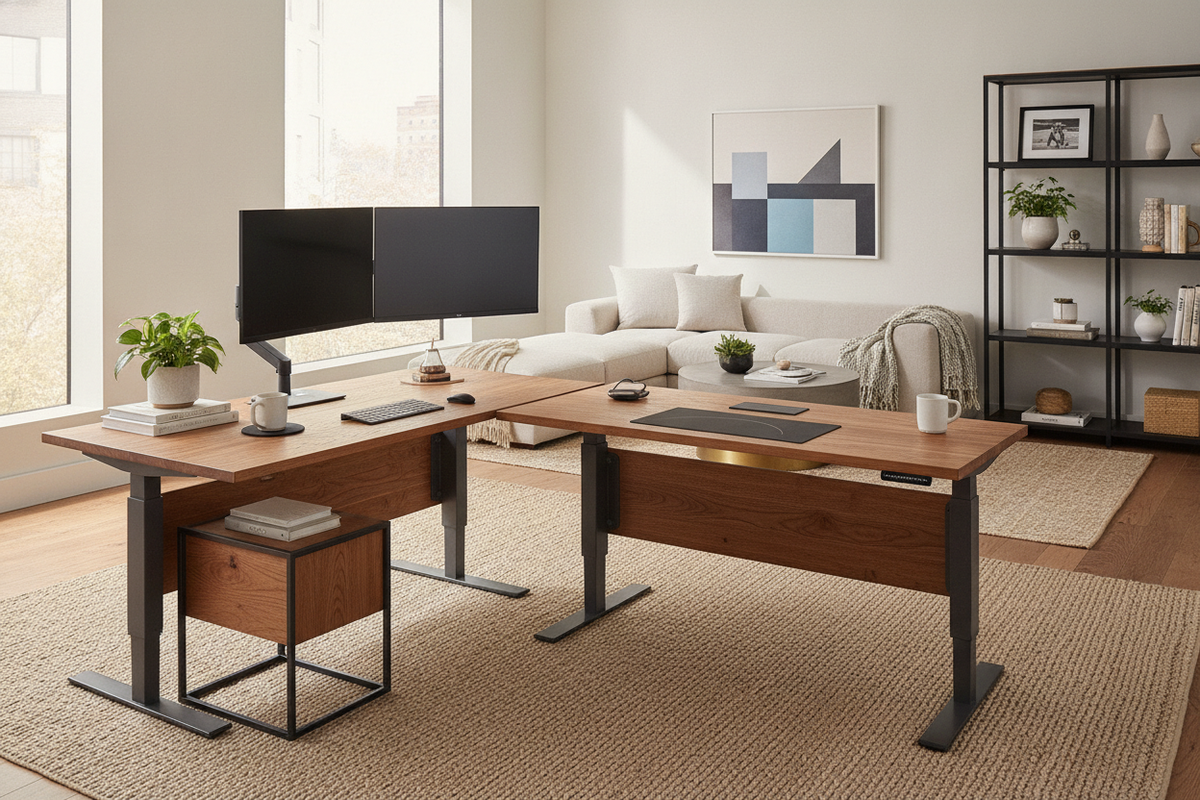
When tasks involve multiple monitors, extensive paperwork, or creative hobby equipment, wider surface geometries and corner formations provide separate functional zones. An expansive multifunctional desk lets you dedicate one section to active digital hardware while keeping an adjacent wing clear for drafting, crafting, or physical filing.
Storage Architecture and Convertible Desk Configurations
The organizing framework of a desk determines how effectively it keeps clutter off the main working surface. A dependable multipurpose desk with storage incorporates both visible and concealed compartments to support diverse work habits.
Integrated Shelving, Pedestals, and Concealed Compartments
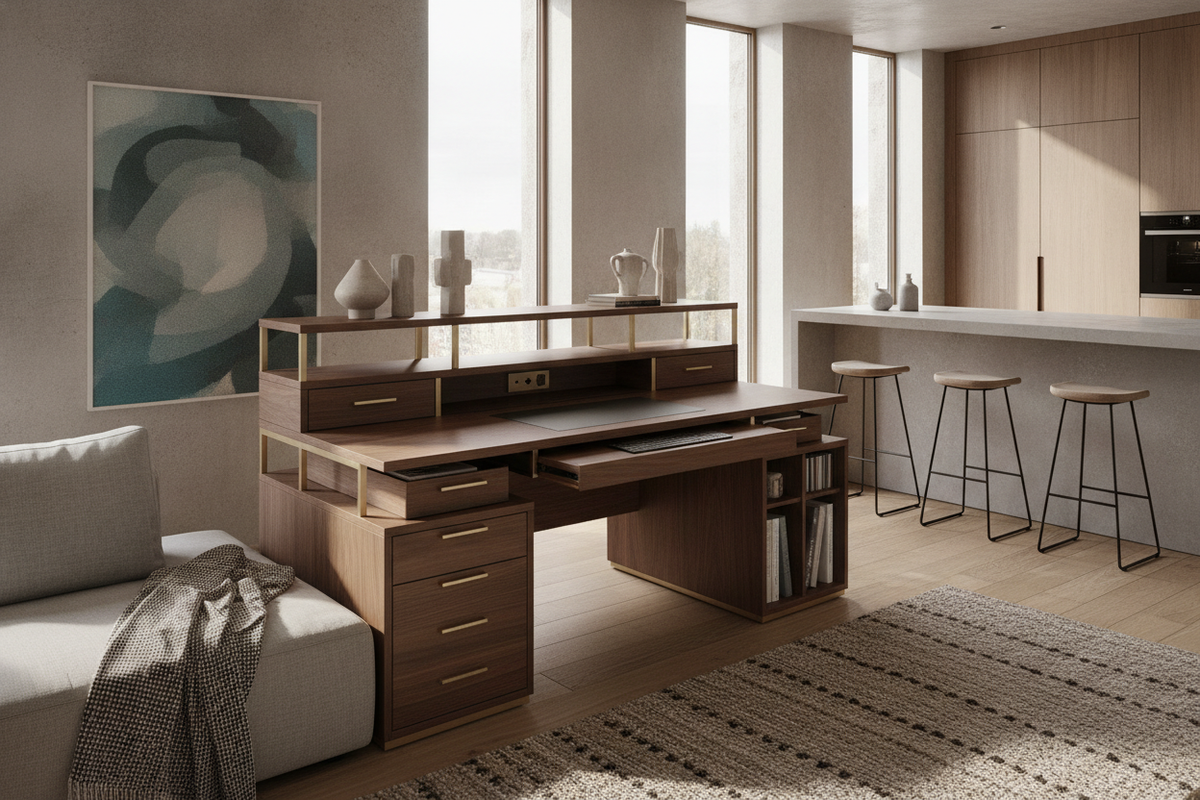
Open cubbies, elevated hutch shelves, and enclosed lower drawers each serve a distinct organizational purpose. Open upper shelving keeps reference books and small supplies within easy reach, while concealed drawers hide office sundries, charging blocks, and cables when the workday ends. For comprehensive guidance on deep vertical cabinets and enclosed storage components, review our desk computer storage guide.
When higher storage capacity is required in a single footprint, an integrated unit such as a multi storage desk product combines full-height lateral cabinetry directly with a streamlined work surface. Pairing your workstation with broader organizational pieces from a function storage collection ensures a unified visual aesthetic across your entire room layout.
Modular, Drop-Leaf, and Reconfigurable Mechanical Elements
Kinetic features expand the versatility of multipurpose desks in dynamic floor plans. Drop-leaf extensions, pull-out side returns, and pivot-joint surfaces let you tailor your workstation to the task at hand. A desk can remain folded against a wall during everyday routines and expand to full width whenever group study or larger creative projects require extra surface area.
Material Selection and Structural Durability Framework
Material composition directly influences daily wear resistance, maintenance needs, and visual warmth. Evaluating both surface materials and frame construction helps ensure your workstation delivers reliable daily service.
Engineered Wood, Laminate Finishes, and Solid Timber Surfaces
Different desktop surfaces offer distinct balances of maintenance, tactile feel, and appearance:
- Melamine-Faced Engineered Wood: Delivers high resistance to minor surface scratches and cleans easily with a damp cloth, making it a practical choice for high-traffic family workspaces.
- High-Pressure Laminate: Offers robust moisture resistance and withstands frequent shifting of monitors, organizers, and writing accessories.
- Solid Timber: Provides organic grain character and enduring warmth, though it benefits from periodic surface care and shielding against excessive direct heat or moisture.
Frame Geometry, Metal Understructures, and Joint Stability
Rigid frame geometry prevents unwanted movement during typing or manual writing tasks. Desk bases built with powder-coated steel framework, reinforced corner gussets, and lower horizontal crossbars minimize lateral wobble. Adjustable leveling feet help balance the desk on slightly uneven floors or layered area rugs, ensuring a stable working foundation.
Room Integration and Multi-Activity Use Cases
A primary strength of a modern multi purpose desk is its capacity to blend seamlessly into varied room types without disrupting established interior decor.
Living Room Workstation and Console Crossovers
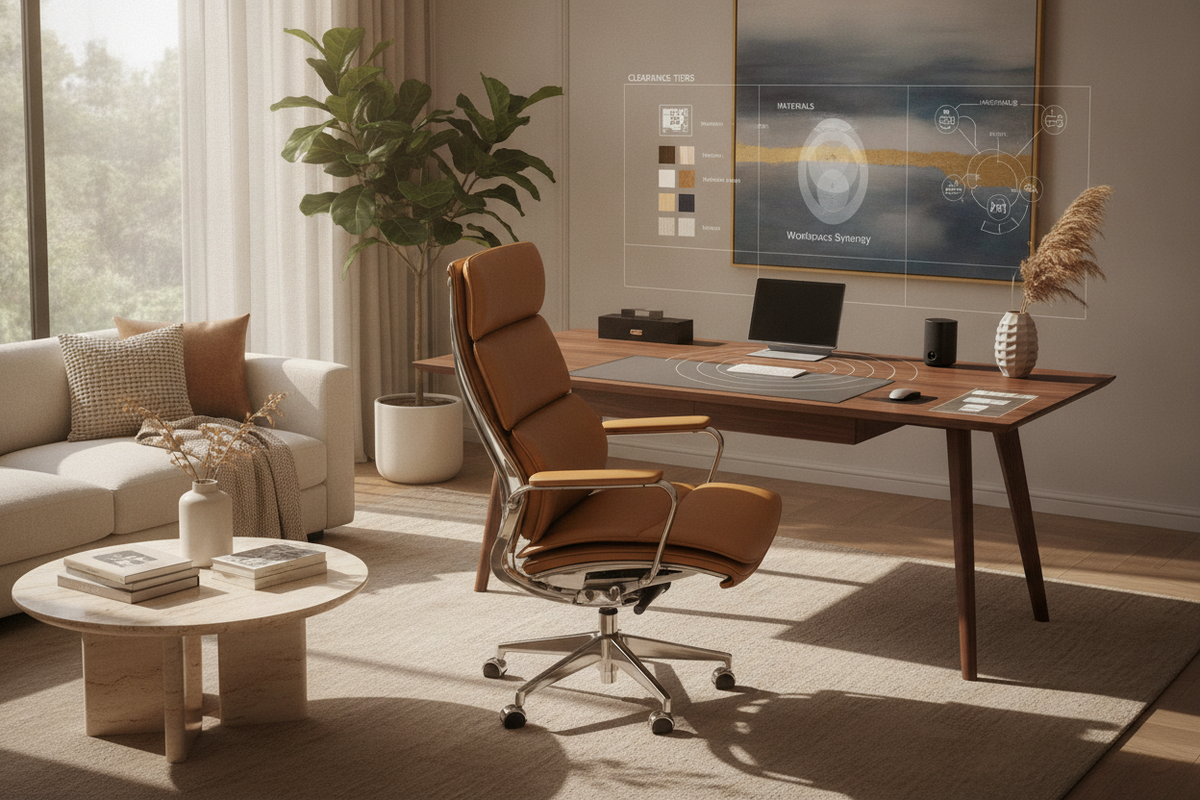
In open-concept living rooms, positioning a low-profile desk behind a central sofa or along a side perimeter wall creates a flexible task corner. When cleared of workday accessories, the surface doubles as an attractive display console for table lamps, framed artwork, or decorative bowls. For pet-friendly households seeking unified multi-use furnishings, pairing the workstation near a multi functional storage product keeps floor space organized and cohesive.
Bedroom Vanity and Study Combinations
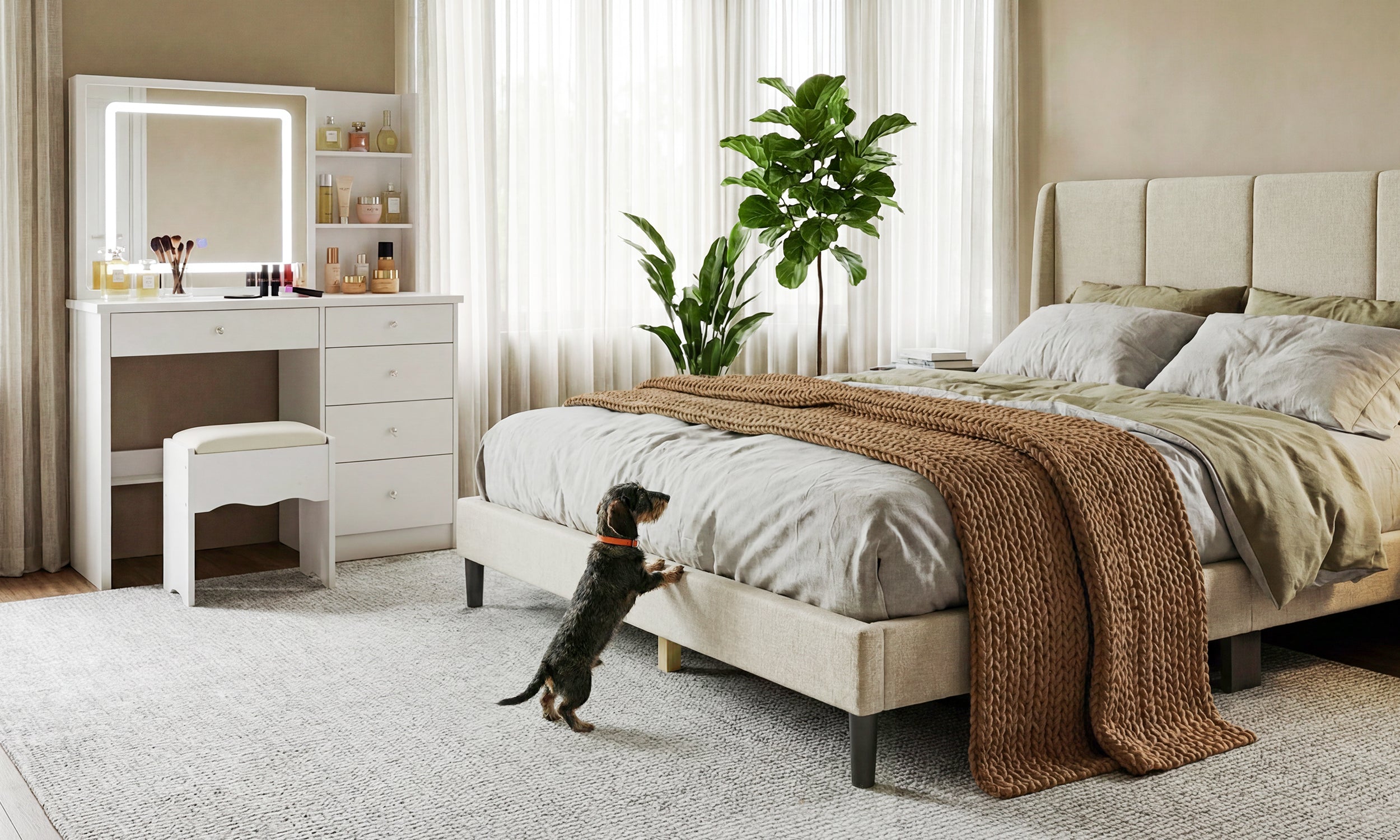
In bedroom settings, a multi functional desk can alternate between a morning grooming station and a daytime study desk. Shallow divided drawers accommodate makeup palettes, jewelry trays, and writing instruments, while a wall-mounted mirror above the surface supports both daily routines without requiring separate furniture pieces.
Dedicated Home Office and Creative Crafting Hubs
For dedicated workrooms, zone-based planning keeps hybrid tasks efficient. Designating one side of the desktop for computer peripherals and the other for physical crafting, cutting mats, or document review keeps active projects organized and prevents equipment clutter from interrupting daily work.
Assembly, Cable Management, and Longevity Checklist
Proper initial assembly and regular maintenance safeguard the structural integrity of your workspace over time:
- Hardware Sequencing: Loosely thread all frame fasteners during initial setup, then tighten them uniformly once the entire frame is squared.
- Cable Routing Channels: Route power cords along frame legs using adhesive clips or underside cable trays to prevent snagging and maintain a tidy room appearance.
- Surface Shielding: Use felt-backed desk pads beneath laptops and heavy accessories to prevent localized finish wear.
- Periodic Fastener Inspection: Check and re-tighten structural bolts periodically to maintain joint rigidity and eliminate frame sway.
Strategic Decision Checklist for Selecting Your Ideal Multipurpose Desk
To choose the best configuration for your home, review these essential planning criteria before finalizing your selection:
- Spatial Clearances: Verify that your chosen spot allows at least three feet of rear clearance for chair movement and easy access.
- Workflow Requirements: Determine whether your primary tasks demand open upper shelving for display, enclosed drawers for sensitive documents, or a completely clear surface for drawing.
- Material Alignment: Select durable laminate or engineered finishes for heavy everyday use, or warm wood grains for unified living room integration.
- Adaptability Potential: Assess whether modular leaves, reversible storage pedestals, or integrated wire channels will accommodate your future workspace needs.

Dejar un comentario
Este sitio está protegido por hCaptcha y se aplican la Política de privacidad de hCaptcha y los Términos del servicio.