


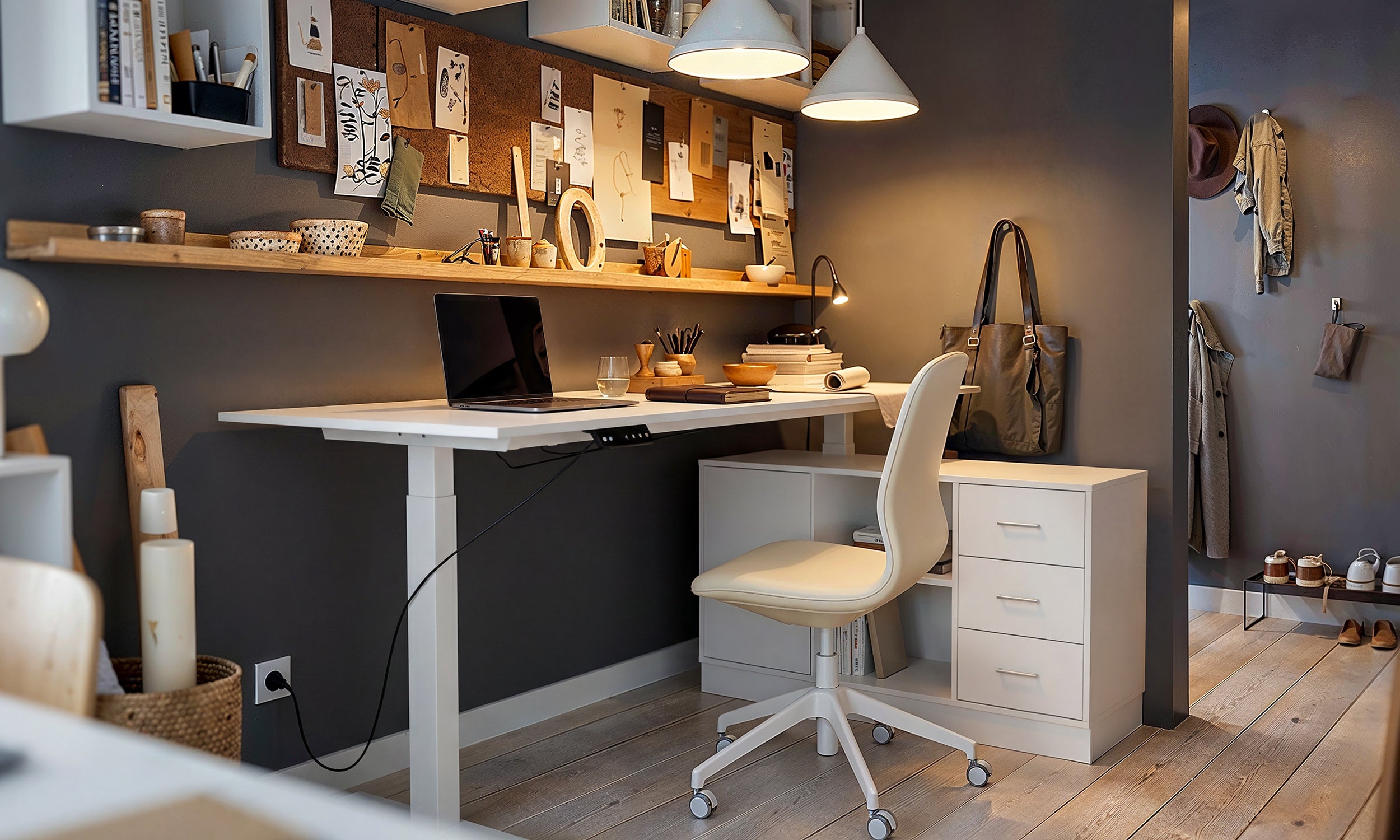
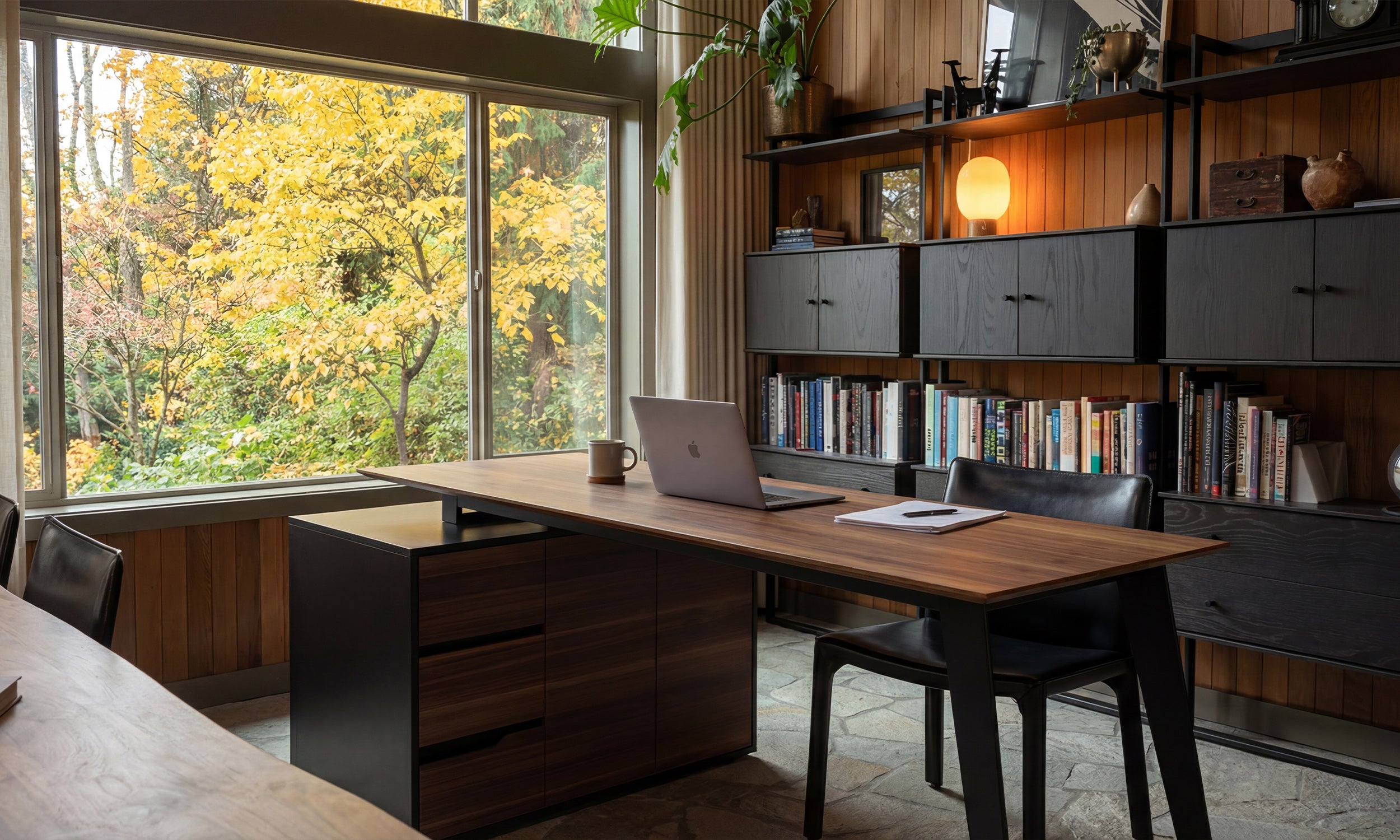


Designing an efficient home office requires balancing physical comfort, functional storage, and interior decor. An adjustable computer table serves as a versatile focal point in modern work areas, accommodating transitions between seated routines and upright tasks. Selecting the right setup involves more than simply choosing a tabletop finish; it requires careful evaluation of lifting mechanisms, surface dimensions, peripheral clearances, and complementary room furniture.
Understanding the Adjustable Computer Table: Architecture and Mechanical Formats
The foundation of any height adjustable pc table rests on its lifting architecture and structural support frame. Modern height-variable furniture generally incorporates motorized dual-stage or three-stage columns, counterbalance pneumatic cylinders, or manual mechanical hand cranks. A well-engineered workstation desk adjustable frame provides consistent vertical movement while maintaining firm horizontal stability at elevated points.
When planning a workspace, examining the base frame design is essential. Inverted leg columns, wide footplates, and reinforced upper brackets prevent surface wobble when supporting heavy desktop equipment, such as multi-display brackets or audio gear. For dedicated workstations requiring smooth push-button operation, choosing an adjustable height standing product ensures dependable elevation travel while maintaining an open knee well for unhindered movement throughout the day.
Surface Sizing Tiers and Top Configurations
Choosing an appropriate adjustable desk top depends on display dimensions, hardware footprint, and available room space. Work surfaces generally divide into three common footprint tiers:
- Compact Desktops: Ideal for alcoves, bedroom corners, or secondary writing nooks where floor space is limited but vertical adaptability is still needed.
- Standard Workstation Tops: The most common category of adjustable desktops, providing balanced space for dual displays, full-sized keyboards, desk lamps, and writing materials.
- Executive and Wide Formats: Broad adjustable height desktops intended for extensive multi-screen setups, studio hardware, or mixed creative drafting activities.
Surface geometry also plays a vital role in everyday usability. While a continuous adjustable height desk top delivers maximum surface continuity for desktop hardware, specialized options like an inclining desk top provide adjustable drafting angles for illustration, note-taking, and architectural sketching. When selecting desktop materials and coordinating matching furniture pieces across a home office, browsing a curated computer desk collection can help harmonize wood tones, metal accents, and surface textures.
Ergonomic Alignment and Peripheral Placement Dynamics
Achieving proper posture with an ergonomic desk adjustable height workstation requires harmonizing user posture with equipment placement. Whether working in a seated or standing position, positioning the work surface roughly level with resting elbow height allows forearms to rest parallel to the floor, reducing tension across the upper back, shoulders, and wrists.
Because eye level is significantly higher than elbow height, placing monitors directly on the primary desktop can lead to downward neck tilt. Integrating an adjustable height stand, an articulating monitor arm, or a dedicated adjustable desktop stand lifts screen centers directly to natural eye line level. In flexible office setups where a stationary desk is already present, referencing a detailed standing desk guide offers practical advice on styling desktop converter risers atop traditional furniture surfaces.
Room Integration, Clearances, and Tall Workstation Layouts
Integrating an adjustable height desk table into an existing residential floor plan requires accounting for spatial travel envelopes. As the table elevates into a high table desk position, surrounding objects such as wall shelves, framed pictures, window treatments, and low architectural beams must remain unobstructed. Leaving adequate buffer space along adjacent walls prevents surface scuffs and equipment pinches during height changes.
Multifunctional living areas benefit substantially from dynamic furniture solutions that adjust their operational height based on current daily tasks. For instance, multi-purpose accent pieces such as a dynamic desk adjustable height product demonstrate how versatile mechanical adjustments allow a single piece of furniture to serve multiple practical purposes without overcrowding a room. Whether choosing a dedicated multi-stage frame like a django height adjustable standing desk or a minimalist table, maintaining open pathways around the furniture ensures smooth household traffic.
Modular Storage Integration and Cable Routing Architecture
A high-performance adjustable desk workstation functions best when paired with thoughtfully planned storage. Because the main desk surface travels up and down, attaching heavy, deep drawers directly beneath the desktop can obstruct knee clearance and place uneven mechanical loads on the lift mechanism. A more practical organization method involves pairing an ergonomic adjustable desk with mobile pedestal drawers, low credenzas, or freestanding sideboards placed adjacent to the work area.
Cable management architecture is equally critical in height-variable setups. Power cables, video lines, and device wires must have sufficient slack and flexibility to travel freely between minimum seated heights and maximum standing positions without pulling or snagging. Utilizing under-desk wire raceways, articulating cable snakes, and adhesive conduit channels keeps power strips and cords neatly bundled beneath the moving top. For further ideas on styling tidy work areas and pairing elegant storage units with tall workstations, exploring an inspiring high desk guide provides practical guidance for creating a polished, clutter-free workspace.


Dejar un comentario
Este sitio está protegido por hCaptcha y se aplican la Política de privacidad de hCaptcha y los Términos del servicio.