










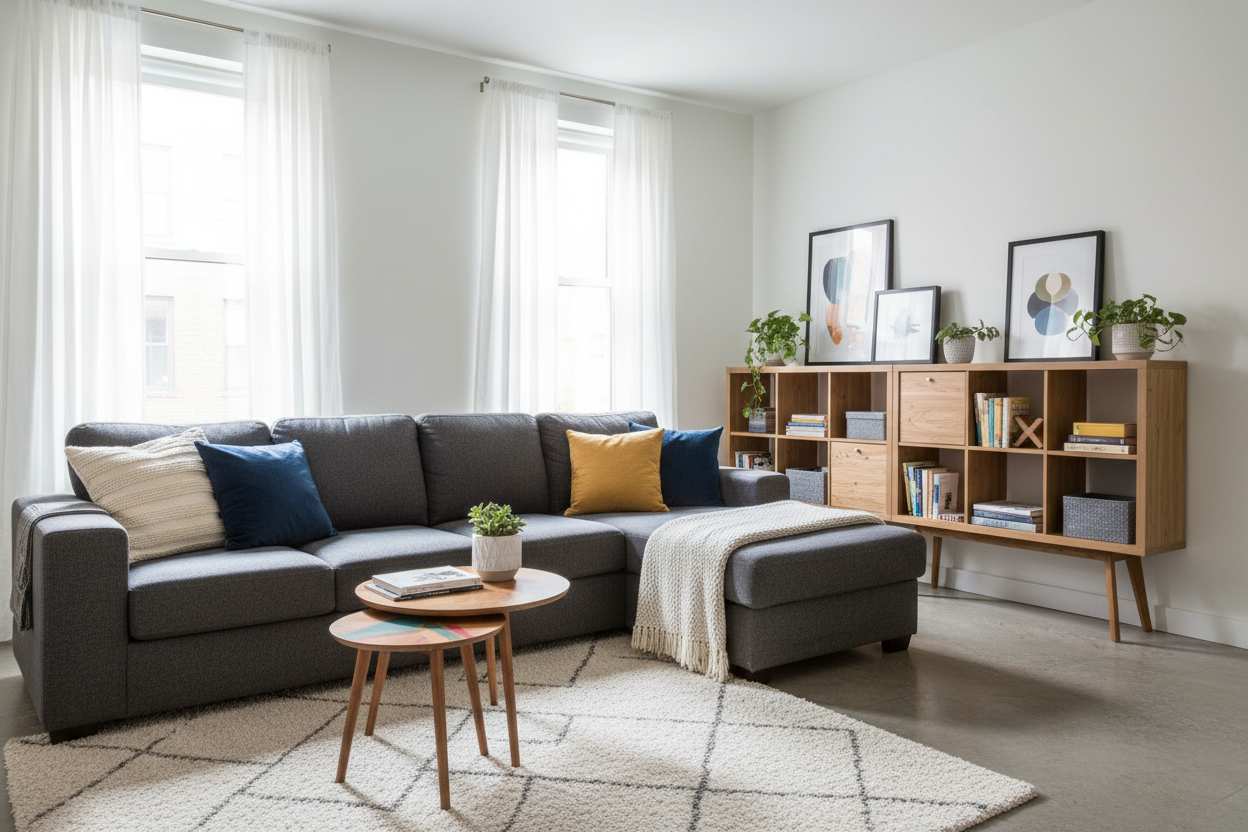
We have all stood in the middle of the warehouse aisle, tape measure in hand, debating whether the attractive price tag comes at the cost of longevity. As a designer, I frequently navigate the tension between budget constraints and the desire for high-end aesthetics. The truth is, finding the right sectional ikea offers is less about the brand name and more about understanding construction, scale, and customization potential. When chosen correctly, these pieces can anchor a room just as effectively as a showroom piece costing three times as much. However, treating a flat-pack purchase like a bespoke order requires a specific eye for detail.
Quick Decision Guide: What to Check Before Buying
- Modular Flexibility: Ensure the series allows you to add or subtract modules later; this future-proofs your investment against moves.
- Martindale Cycle (Rub Count): Check the fabric specifications. Look for covers with a count above 25,000 for everyday living room durability.
- Seat Depth: Distinguish between lounging depth (like the Söderhamn) and upright conversational depth (like the Finnala).
- Frame Construction: Prioritize solid wood or plywood reinforcements over pure particleboard for the load-bearing rails.
Decoding the Series: Finding Your Silhouette
Not every ikea furniture sectional is built for the same purpose. In my design practice, I categorize them by "sit profile." If you are looking for a "pit couch ikea" vibe—something deep, low, and conducive to napping—you are likely looking at the Jättebo or Söderhamn series. These have low backs and deep seats, perfect for open-plan lofts but potentially disastrous for formal sitting rooms where back support is paramount.
Conversely, if you need a standard ikea sectional couch for a family room that accommodates grandparents and children alike, the Kivik or Finnala offers a more traditional silhouette with structured armrests. The key is to match the furniture's visual weight to your room's architecture. A heavy, blocky sofa can suffocate a small room, while a leggy, airy frame might look lost in a cavernous space.
Space Planning and Layout Strategy
A common error I see is poor scale management. Just because you can fit a massive U-shaped configuration doesn't mean you should. When considering a sectional sofa at ikea, pay close attention to the flow of traffic.
The Small Space Solution
For urban apartments, an ikea small sectional with a chaise is often superior to a full corner setup. The chaise provides the visual illusion of length without closing off the room with a solid back wall. Series like the Morabo work exceptionally well here because their slim metal legs expose the floor underneath, increasing the perception of square footage.
The Aesthetic Upgrade
If you are aiming for a moody, sophisticated aesthetic, a standard grey weave often falls flat. Upgrading to a black sectional couch ikea offers—either through stock covers or aftermarket custom slipcovers—can instantly ground a room. Dark velvet or heavy linen textures absorb light and hide the tell-tale signs of mass manufacturing, giving the piece a bespoke appearance.
Functionality: Recliners and Sleepers
While the classic ikea sectional recliner options are limited compared to specialized retailers, the brand often integrates functionality in other ways. Many modular series offer hidden storage in ottomans or pull-out sleeper sections. If mechanical reclining is a non-negotiable, ensure you test the mechanism in-store. In my experience, manual mechanisms tend to outlast electrical components in this price bracket.
Lessons from My Own Projects
I want to share a candid observation from a project I lead in a high-traffic Brooklyn rental. We installed a popular modular ikea sofa sectional (the Söderhamn) because we loved the airy look. Visually, it was a ten out of ten. However, practically, there was a detail I hadn't anticipated: the "slide factor."
Because the pieces are lightweight (making them easy to move, which is a plus), they had a tendency to drift apart on the hardwood floors, even with the connecting hardware engaged. The clamps would hold the tops together, but the legs would scoot. We solved this by applying heavy-duty rubber non-slip pads to every single leg. Furthermore, the stock fabric, while beautiful, showed "seat pooling" (where the fabric stretches out) after about six months of heavy use. My advice? If you buy a couch sectional ikea offers with large, single-cushion seats, take five minutes once a week to smooth and tuck the fabric. It makes the difference between a sloppy dorm room look and a maintained living space.
Conclusion
Ultimately, purchasing a sectional from IKEA is a strategic decision. It allows you to allocate budget elsewhere—like lighting or art—while still securing a functional, stylish centerpiece. By selecting the right series for your ergonomics and upgrading the textiles where possible, you can curate a space that feels personal and high-end.
Frequently Asked Questions
How do I keep cushions from sagging on an IKEA sectional?
Regular rotation is essential. Flip back cushions weekly and swap seat cushions from high-use spots (like the corner) to low-use spots to ensure even wear. Adding a layer of high-density batting inside the cover can also restore loft.
Can I wash all IKEA sectional covers?
Most fabric covers are removable and machine washable, but always check the specific tag. Some fabrics, especially those with wool or linen blends, are dry-clean only to prevent shrinking that would make refitting impossible.
Is it difficult to assemble a large sectional alone?
While possible, it is not recommended. Aligning the connecting brackets between modules on a large sectional sofa at ikea requires two people to ensure the frames lock tightly without stripping the hardware.

Dejar un comentario
Este sitio está protegido por hCaptcha y se aplican la Política de privacidad de hCaptcha y los Términos del servicio.