










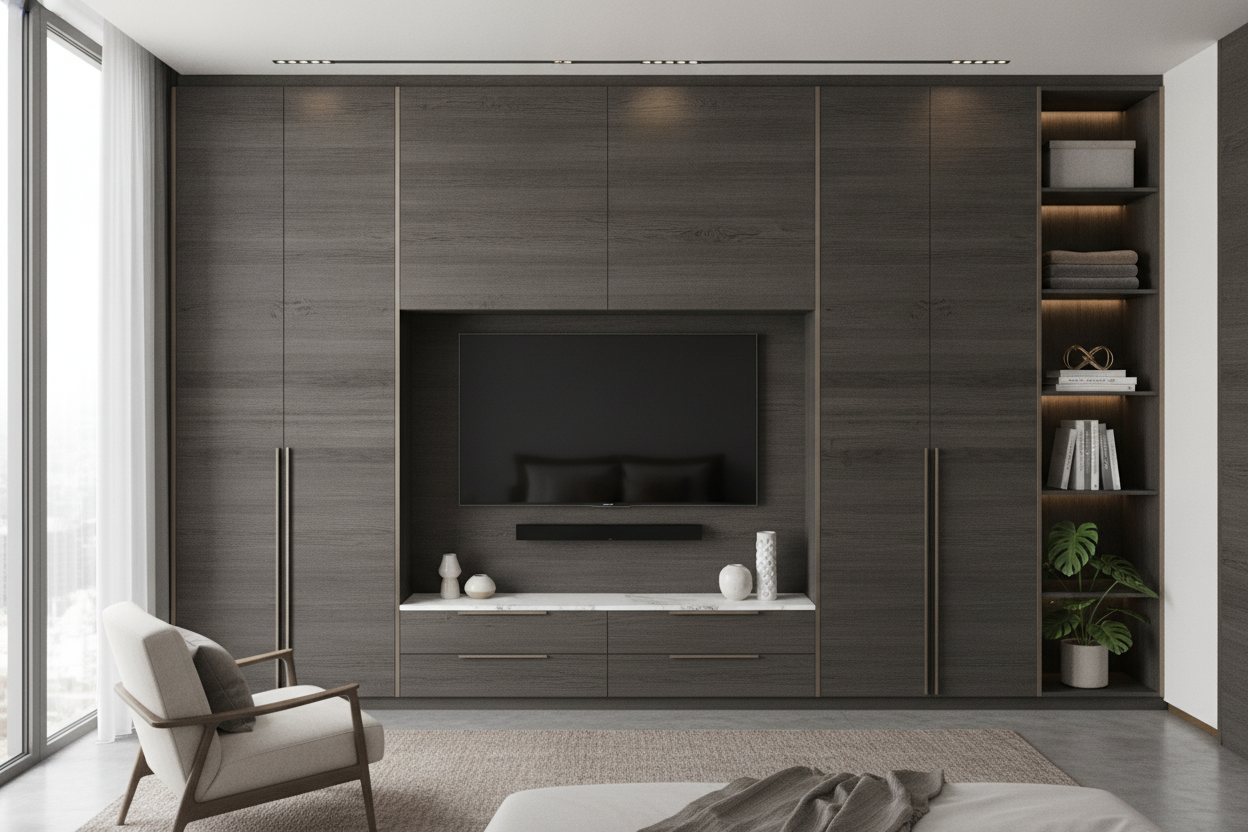
I spent three months staring at a blank wall in my 10x10 bedroom, trying to figure out if I wanted to hang my coats or watch movies from under my duvet. My floor plan was so tight that choosing one meant sacrificing the other. It felt like a zero-sum game until I realized that a wardrobe and tv don't actually have to live on opposite sides of the room.
The solution wasn't buying smaller furniture; it was buying smarter furniture. By merging my media center and my clothing storage into one vertical footprint, I reclaimed four square feet of floor space. That might not sound like much, but in a small apartment, that is the difference between walking comfortably and stubbing your toe every single morning.
- Vertical storage saves floor space by stacking media and clothing.
- Standard eye-level height for TVs doesn't work for beds; you need to go higher.
- Integrated cable management is non-negotiable to avoid 'tech clutter.'
- Hidden lifts or cabinet doors can make the screen disappear when not in use.
The Ultimate Bedroom Tug-of-War
Most of us deal with the same layout headache. You need a massive wardrobe for your sweaters and jeans, but you also want a screen for late-night streaming. Usually, this ends with a clunky dresser on one wall and a flimsy TV stand on the other, leaving you with a narrow 'alleyway' to walk through. It makes a bedroom feel like a storage unit rather than a sanctuary.
When you try to squeeze in a separate wardrobe and tv stand, the room feels fragmented. I once tried to put a 40-inch screen on top of a tall chest of drawers, and it looked like a precarious game of Tetris. It wasn't just ugly; it was functional chaos. The wires were a tangled mess, and the screen felt like it was hovering over me like a dark cloud.
Stealing the 'Boutique Hotel' Layout Hack
If you have ever stayed in a high-end urban hotel, you have seen the solution. They never waste space on separate pieces. Instead, they use a wardrobe with tv cabinet setup that spans one wall. It creates a clean, intentional look that hides the bulk of your clothes while framing the television.
Replicating this wardrobes with tv layout at home is about utilizing verticality. Instead of two pieces of furniture that are 30 inches tall, you use one unit that is 80 inches tall. This tv wardrobe cabinet approach draws the eye upward, making the ceilings feel higher and the floor feel wider. It is the oldest trick in the book for a reason: it works.
Custom Built-Ins vs. Freestanding Units
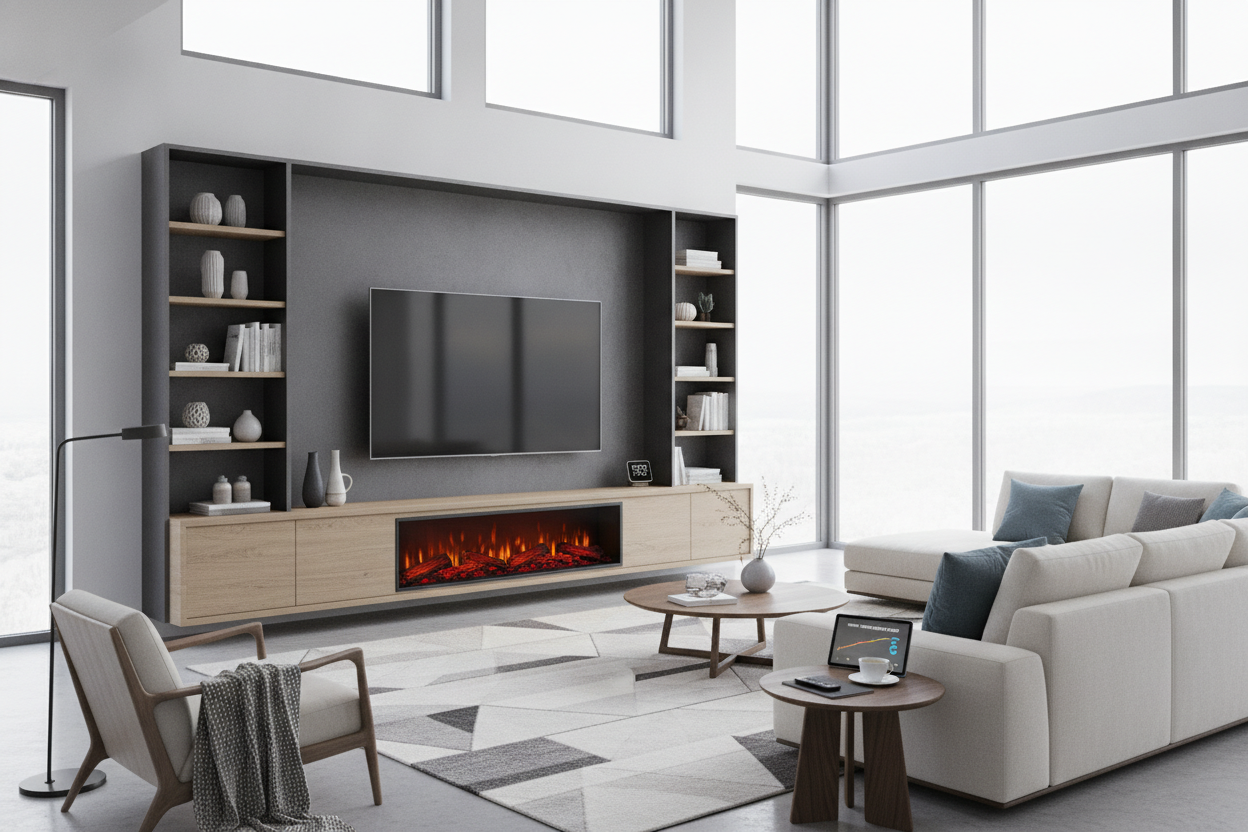
If you own your home, a custom tv wardrobe wall unit is the dream. You can measure your specific screen and build the shelving around it for a seamless, 'flush' look. But for those of us with landlords, freestanding options are the way to go. A modern wardrobe with tv unit can be moved when your lease is up, which is a major win for your security deposit.
For those who aren't ready to commit to a massive all-in-one piece, I’ve seen people successfully bridge two wardrobes with an adjustable length media console in the middle. It gives you that built-in look without the permanent commitment or the custom-woodwork price tag.
The Crucial Mistake We Make With Screen Height
Here is the thing no one tells you: watching TV in bed is not the same as watching TV on a sofa. In a living room, you want the center of the screen at eye level. In bed, you are usually propped up on pillows or lying flat. If the screen is too low, your feet—or the duvet—will literally block the bottom of the picture.
When planning your wardrobe tv space, you need the screen to sit higher than a standard console. Aim for the bottom of the TV to be at least 35 to 40 inches off the floor. Most bedroom tv and wardrobe unit designs account for this, placing the TV nook above a set of drawers. It feels high when you are standing up, but once you are horizontal, it’s perfect.
Hiding the Tech (Because Bedrooms Should Be Calming)
Nothing kills a relaxing vibe faster than a glowing red 'standby' light or a nest of black cables hanging off a white wall. If you are using a bedroom wardrobe with tv unit, you have to be aggressive about cable management. I use adhesive clips inside the wardrobe frame to run wires down the back where they can’t be seen.
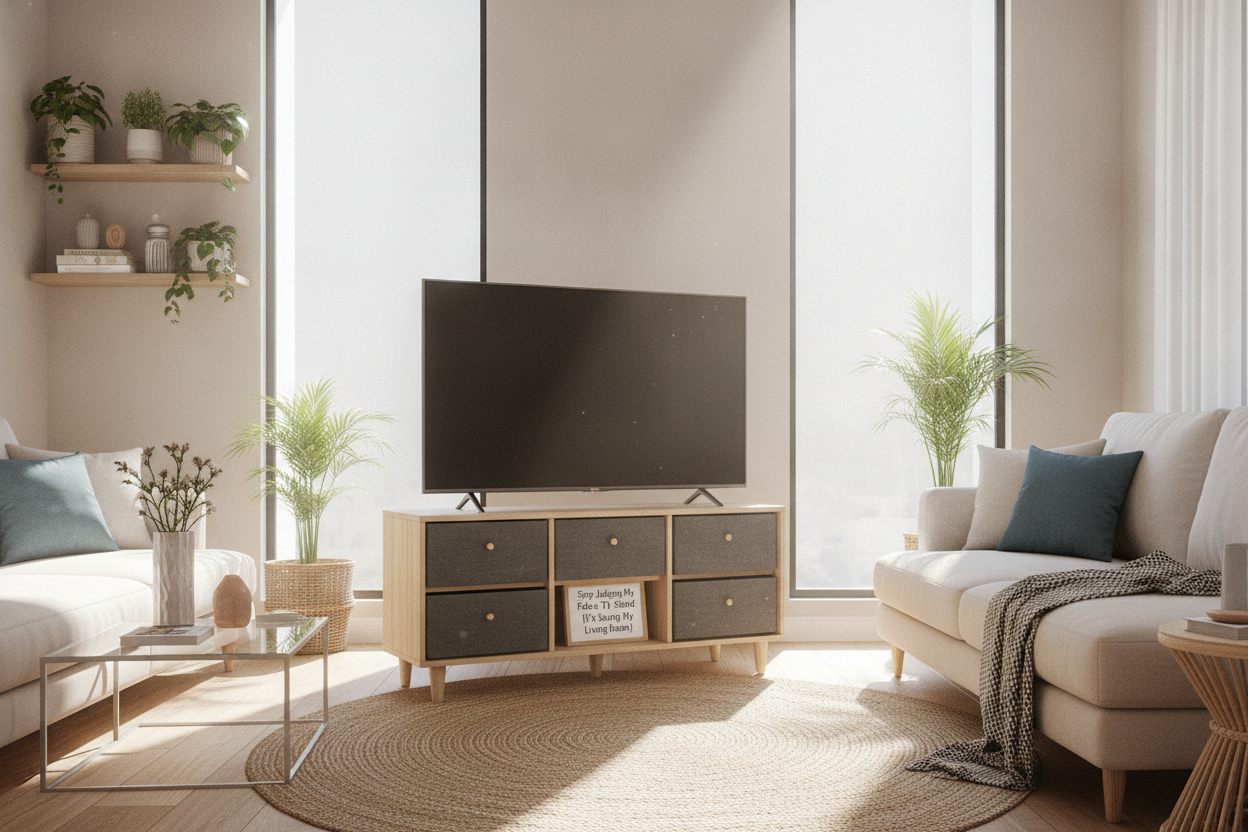
I actually started my journey by using a wide storage cabinet with drawers as a makeshift base. It helped hide the consoles and power strips, but eventually, I needed more height. If your wardrobe doesn't have built-in holes for wires, don't be afraid to take a 2-inch hole saw to the back panel. It’s a five-minute fix that saves you years of looking at cable spaghetti.
The Magic of Hidden Lift Mechanisms
If you are a purist who thinks a TV ruins the bedroom aesthetic, look into an electric vertical lift TV cabinet. These units allow the screen to disappear entirely into the base of the wardrobe or a footboard when you aren't using it. It is the ultimate luxury for a tv wardrobe unit bedroom setup.
I personally love the 'hidden' approach because it separates 'sleep mode' from 'Netflix mode.' When the screen is tucked away, the room feels like a quiet library. When it’s up, it’s a private cinema. It’s the best way to handle a tv wardrobe wall unit without letting the technology dominate the entire design of the room.
FAQ
Can I put a TV inside a regular wardrobe?
Yes, but you usually have to remove a few shelves and ensure the back panel has ventilation. TVs generate heat, so don't trap them in a tiny airtight cubby or you'll fry the hardware.
What size TV fits in a standard wardrobe?
Most standard wardrobes are about 30-40 inches wide per section. This typically fits a 32-inch to 43-inch screen comfortably. Always measure the interior width, not the exterior frame.
How do I hide the wires in a freestanding unit?
Use a power strip mounted to the interior side-wall of the wardrobe. Run one main extension cord out the bottom. This keeps the 'spider web' of individual device cords contained inside the cabinet.

Dejar un comentario
Este sitio está protegido por hCaptcha y se aplican la Política de privacidad de hCaptcha y los Términos del servicio.