










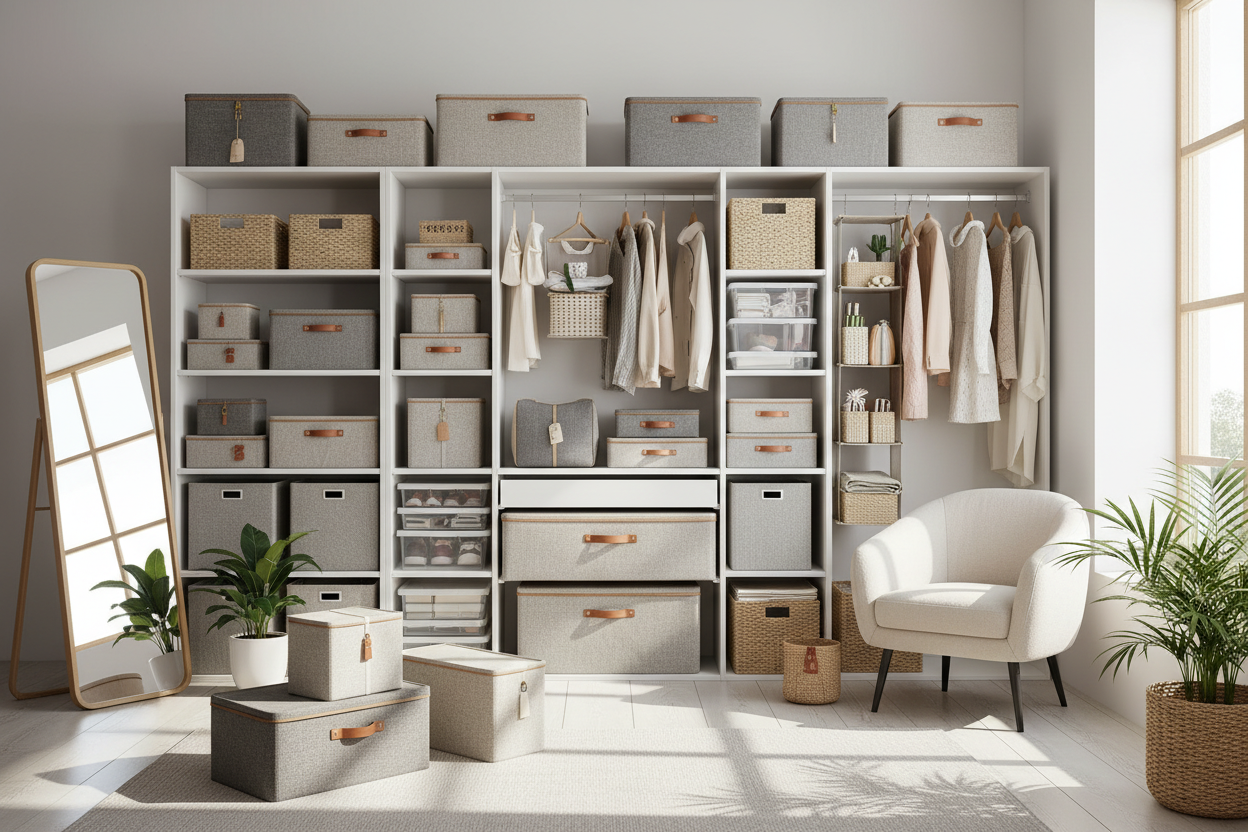
We have all faced the specific anxiety of opening a linen closet or peering under the bed, only to be met with an avalanche of unorganized textiles. As an interior designer, I often tell clients that luxury isn't just about expensive furniture; it is about the absence of visual noise. This is where the humble storage unit comes into play. However, not every ikea case is created equal, and selecting the wrong one can lead to a closet that looks more chaotic than curated.
Key Features to Look For
Before you rush to the warehouse, consider these critical factors to ensure your storage solution actually solves the problem rather than creating a new one:
- Structural Rigidity: Does the case have reinforced walls or inserts to prevent sagging when stacked?
- Material Breathability: Essential for long-term textile storage to prevent musty odors.
- Handle Durability: Look for reinforced stitching, especially for high-shelf retrieval.
- Closure Type: A quality zipper prevents dust infiltration better than velcro or open-top bins.
- Dimensional Fit: Measure your shelf depth; overhang creates visual clutter and safety hazards.
Choosing the Right Material for Longevity
When selecting an ikea storage case, the material finish dictates both the aesthetic and the lifespan of the product. In my projects, I categorize these into two groups: utilitarian and display-worthy.
For hidden storage (under beds or deep attics), synthetic polymers like polypropylene are acceptable. They are moisture-resistant and easy to wipe down. However, for open shelving or walk-in closets, I strongly advise opting for fabric-wrapped cases with a tight weave. These mimic the texture of upholstery, softening the hard lines of cabinetry and elevating the overall ambiance of the dressing room.
The Ergonomics of the IKEA Zipper Storage Box
Functionality often fails at the closure mechanism. A standard ikea zipper storage box is brilliant for keeping dust mites away from cashmere and wool, but the placement of the zipper matters. I always recommend cases where the zip extends down the sides, allowing the top to flip open completely.
If you are storing heavy items, avoid the cheaper, semi-transparent ikea zip storage box options that lack internal structure. Without a rigid frame, these boxes tend to bulge, making it impossible to stack them neatly. This creates a sloppy silhouette that ruins the visual calm we are trying to achieve.
Space Planning with the IKEA Blanket Box
The ikea blanket box category is often underutilized. While designed for bedding, these larger cases are the secret weapon for seasonal wardrobe rotation. The key to a high-end look is uniformity. Buying five mismatched boxes creates clutter; buying five identical blanket boxes creates a system.
When planning your layout, leave at least one inch of clearance above the box. This negative space allows for air circulation and makes it significantly easier to slide the unit out without dragging against the shelf above, preserving both the furniture finish and the box fabric.
Lessons from My Own Projects
I learned a hard lesson about storage density during a master closet renovation in a pre-war apartment. I specified a series of the SKUBB cases for the top shelves—visually, they were perfect because the white fabric blended seamlessly with the white millwork, creating that "built-in" illusion.
However, I hadn't accounted for the "drag friction." When fully loaded with heavy winter duvets, the handles on the bottom of the cases took a beating. After about eight months, I noticed the stitching pulling away on the units my clients accessed most frequently. Since then, I have changed my approach: for any ikea case stored above shoulder height, I reinforce the handle area myself with a quick stitch or advise clients to grip the box by the base, not the strap. It’s a small unpolished detail, but knowing the tensile limit of these handles saves a lot of frustration later.
Conclusion
Integrating an IKEA solution into a sophisticated home design is entirely possible if you focus on texture, uniformity, and structural integrity. By choosing the right case, you aren't just storing items; you are protecting your investments and calming your environment. Measure twice, buy in sets, and prioritize structure over price.
Frequently Asked Questions
How do I clean a fabric ikea storage case?
Most fabric cases from IKEA contain cardboard inserts for structure, meaning they cannot be machine washed. I recommend spot cleaning with a mild upholstery cleaner or a damp microfiber cloth. For dust, a vacuum with a brush attachment is the safest method.
Can I stack the ikea zipper storage box?
Yes, but only if the box is fully packed or has rigid inserts. If the box is half-empty, the weight of the top unit will crush the bottom one, causing it to lean. For vertical stacking, always place the heaviest contents in the bottom case.
What is the best way to label these cases without ruining the aesthetic?
Avoid sticking adhesive labels directly onto the fabric, as they often peel or leave residue. Instead, use clip-on bin labels or tie small, elegant luggage tags to the handle. This maintains a polished, boutique look while keeping your inventory organized.

Dejar un comentario
Este sitio está protegido por hCaptcha y se aplican la Política de privacidad de hCaptcha y los Términos del servicio.