



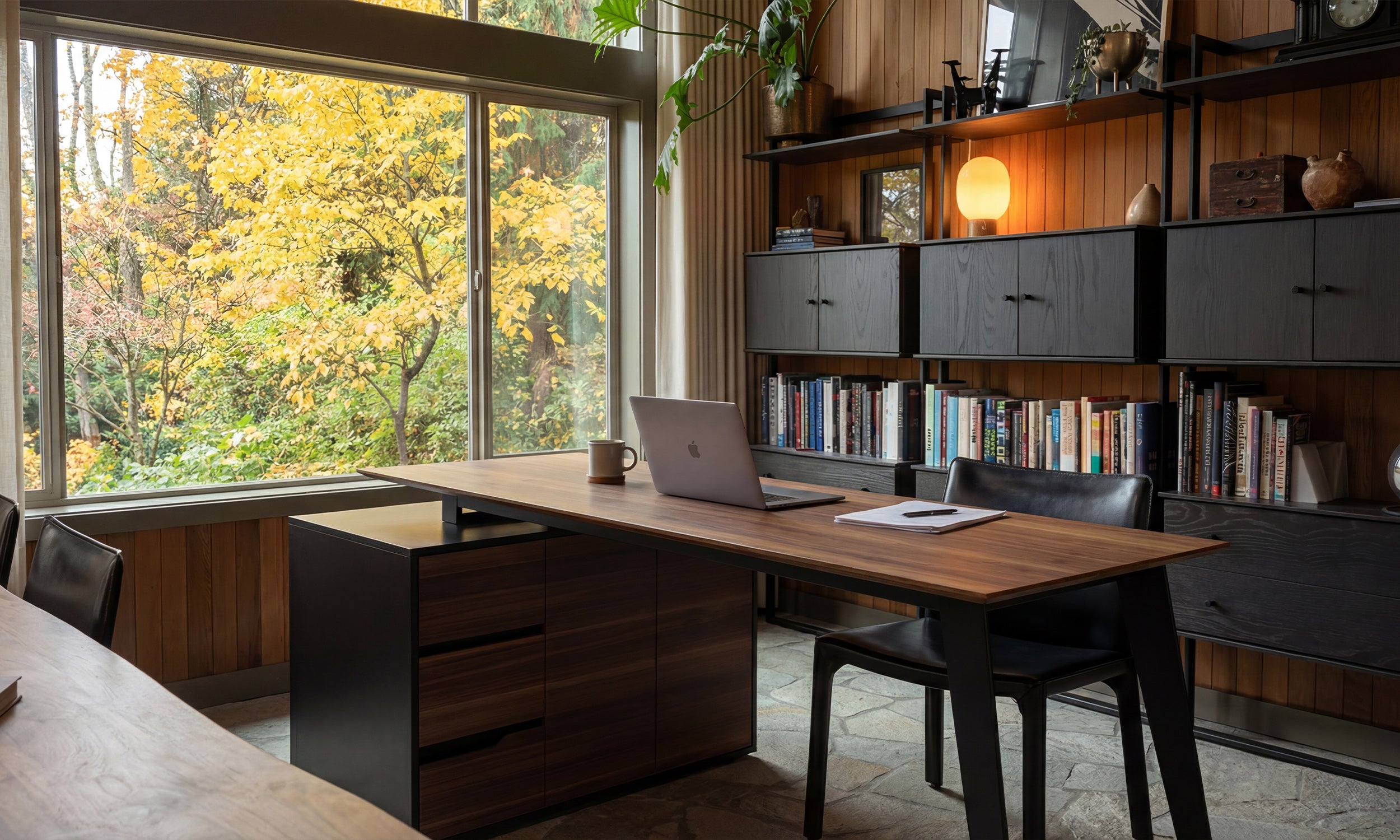


The Ergonomics of Workspace Seating: Defining the Chair for a Desk Framework
Selecting the right chair for a desk requires a thoughtful synthesis of human biomechanics, spatial layout, and interior architecture. When furnishing a productive home office or hybrid study corner, task seating serves as the core physical touchpoint. A poorly proportioned chair can disrupt workflow, crowd room circulation, and cause unnecessary physical strain. By treating desk seating through an architectural lens, you can harmonize functional posture support with the decorative scale of your workspace.
Aligning Task Demands with Ergonomic Articulation
Different daily routines demand varying levels of mechanical adjustability. Brief study periods or administrative tasks may only require a basic swivel seat with a gently contoured back. Conversely, multi-hour focus sessions benefit significantly from multi-point articulation. Key mechanical adjustments include pneumatic seat-height control, synchronized tilt tension, dynamic lumbar reinforcement, and multi-directional armrests. When these elements operate in harmony, the chair accommodates dynamic shifts in posture throughout the day while maintaining steady spinal alignment.
Visual Weight and Interior Proportion in Workspace Design
Beyond mechanical features, desk seating must visually balance the room. Bulky high-back designs can overwhelm compact bedrooms or light-filled studies, whereas diminutive task stools can look lost next to grand executive desks. Evaluating silhouette transparency, open frame geometry, and backrest height allows you to select a piece that complements the room without obstructing natural light lines. For practical styling insights on matching proportions, consult our chair desk guide on designer-approved seating selections.
Dimensional Clearance and Spatial Footprint Tiers
Effective spatial planning begins with the spatial relationship between the desk surface and the chair envelope. Careful measurement of knee-well depth, apron clearance, and turning radius prevents everyday ergonomic frustrations and spatial friction.
Compact and Armless Task Profiles
Armless task chairs provide an efficient footprint for tight alcoves, bedroom writing nooks, and shallow console desks. Without protruding arm supports, these chairs glide completely beneath the desktop when not in use, instantly reclaiming open floor space and preserving clean walking lanes.
Mid-Scale Ergonomic Swivel Chairs
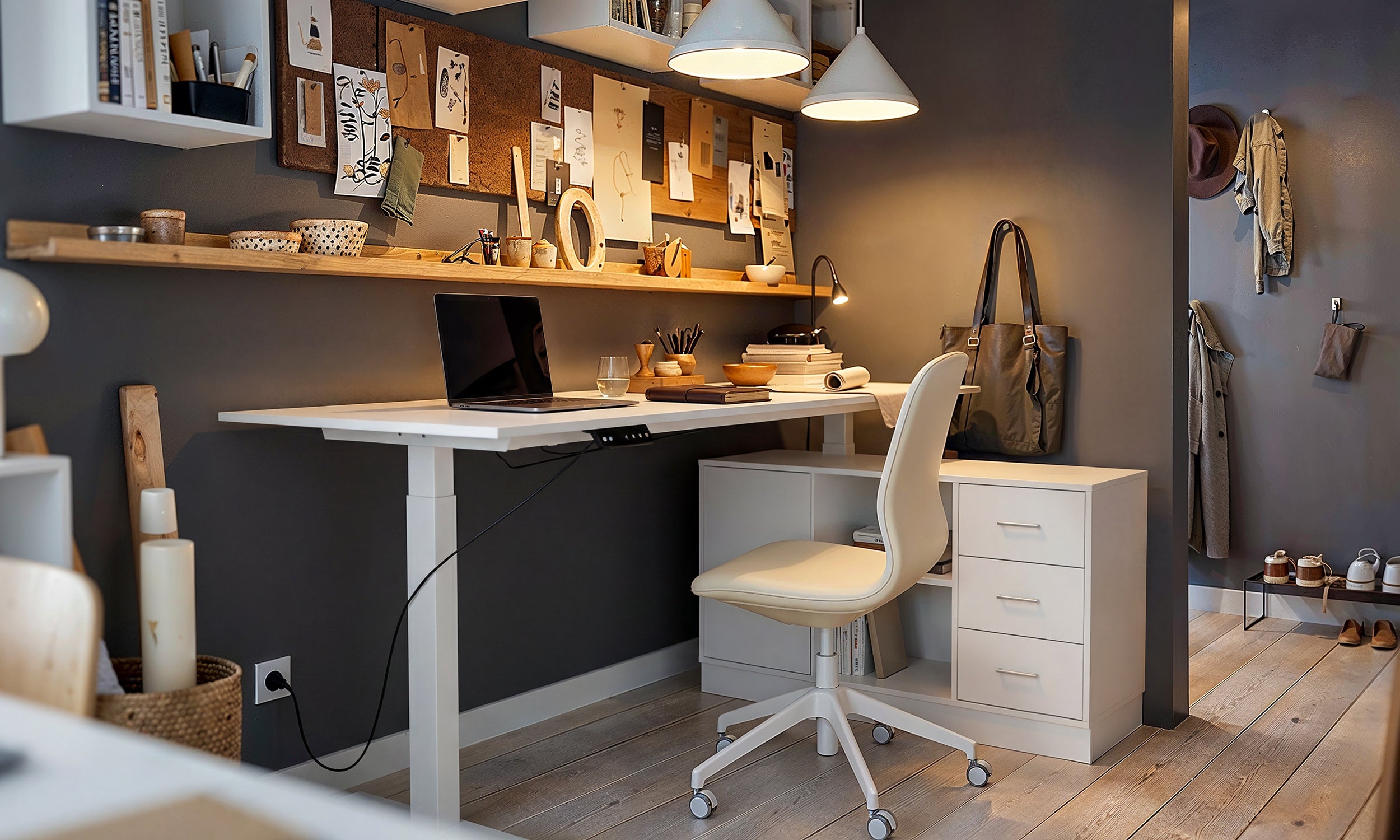
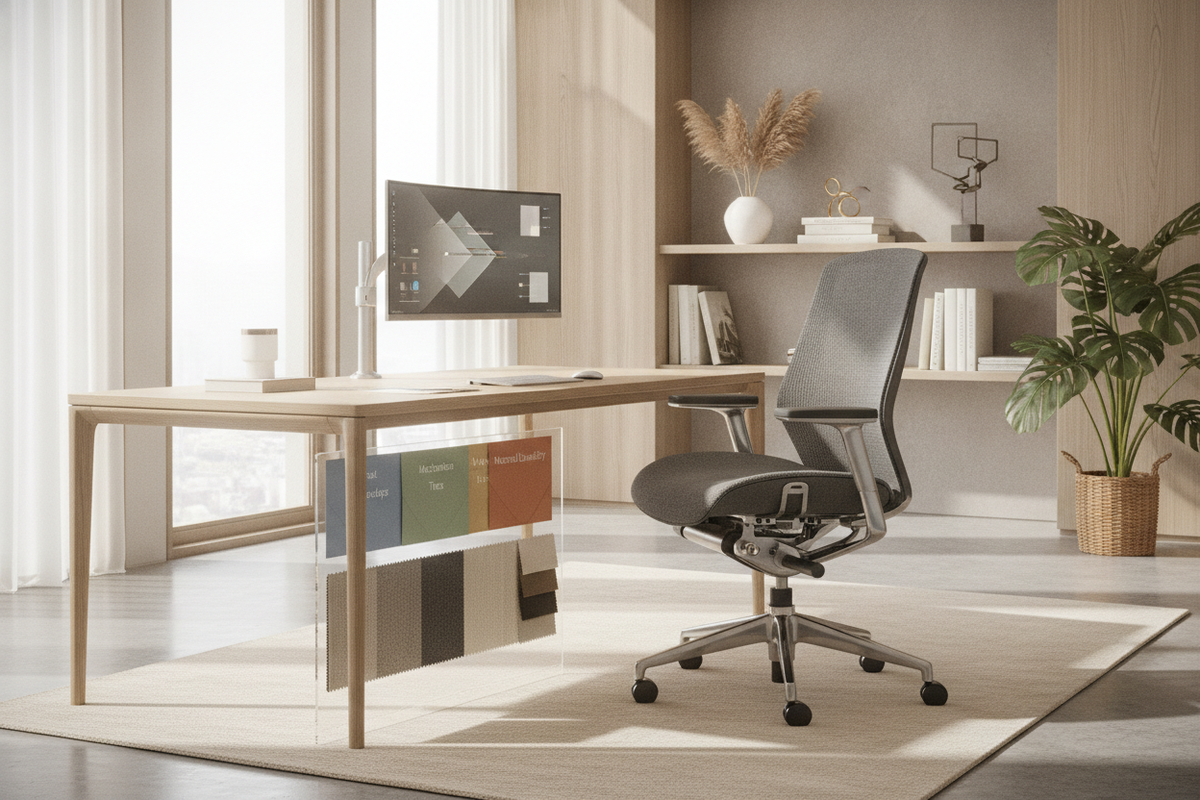
Mid-scale chairs for desk applications represent the versatile sweet spot for dedicated home offices. Typically featuring low-to-medium backrests, integrated lumbar curves, and compact star bases, these models offer balanced ergonomic support without commanding excessive floor area. To understand how mid-scale options perform in home settings, explore our dedicated desk chair guide analyzing everyday ergonomic values.
High-Back Executive and Extended-Task Seating
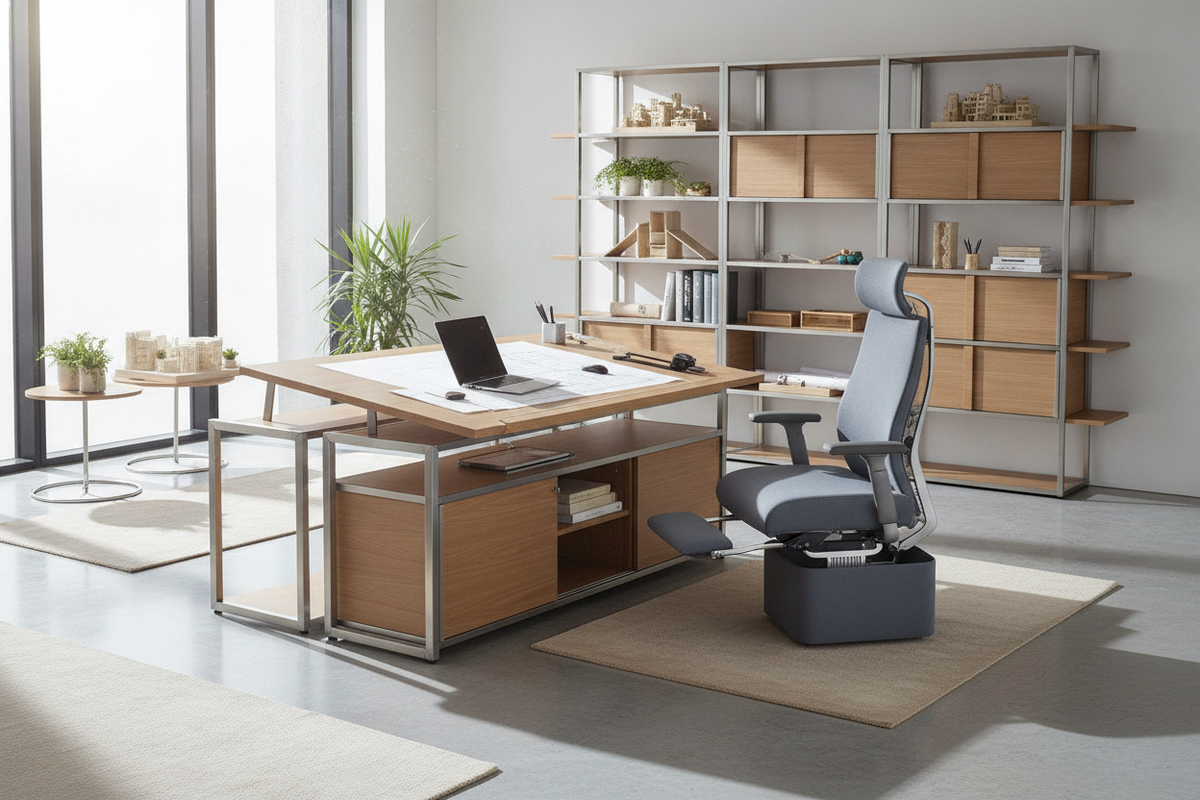
High-back executive seating offers full upper-torso and headrest support, suited for dedicated office suites and large executive desks. Because these designs feature broader wheelbases and deeper seat pans, they require generous knee-well openings and wide clearance margins behind the primary work surface to allow unimpeded reclining and swiveling.
Base Mechanics: Caster Mobility vs. Stationary Glides
Under-seat mechanics directly influence how smoothly you interact with your desktop and perimeter storage components throughout the working day.
Caster Dynamics Across Hardwood and Carpet Floors
Mobile caster bases provide fluid lateral movement, making it effortless to transition between your primary monitor, side document trays, and under-desk drawers. Hard floor surfaces benefit from soft polyurethane casters to prevent surface scuffing, while dense carpet weaves perform best with firm nylon dual-wheel casters. Placing a protective mat beneath the workstation can further normalize rolling resistance and protect underlying flooring materials.
Stationary Bases for Focused Study and Multi-Use Rooms
In shared living areas, multifunctional guest rooms, or vanity workstations, stationary bases offer stable positioning and a refined, furniture-first aesthetic. Cantilever sled bases, solid timber legs, and felt-padded metal glides keep the chair anchored in place, preventing unwanted rolling while keeping the surrounding interior grounded and orderly.
Material Profiles and Tactile Durability Tiers
Upholstery materials define both the tactile experience and long-term durability of modern chairs desk pairings.
Breathable Mesh vs. Structured High-Density Foam
Tensioned mesh backrests promote continuous air circulation, making them advantageous for warm climates and extended daily use. In contrast, structured high-density foam cushions covered in woven textiles provide uniform pressure distribution and plush support, appealing to users who prefer a substantial, enveloping seat pan.
Faux Leather, Performance Fabrics, and Natural Wood Accents
Material finishes establish the design tone of your entire office. Performance textiles resist everyday staining and abrasion, while premium faux leather surfaces introduce a classic executive feel that wipes clean with minimal effort. For creative approaches to blending rich upholstery into a refined space, review our desk chair guide on luxury styling.
Integrating Desk Seating with Perimeter Storage and Credenzas
A functional workstation relies on seamless circulation between the desk seating zone and surrounding office cabinetry.
Under-Desk Drawer Pedestal and Knee-Well Clearance
When pairing desks with integrated side drawers or mobile file pedestals, ensure the central knee-well remains broad enough to accommodate both the seat pan and the outer caster spread. For layout strategies that unite desk furniture with smart modular storage, see our comprehensive desk chair guide on balancing storage and work surfaces.
Rear Clearance Zones for Bookcases and Lateral Cabinets
Always preserve sufficient buffer space behind your primary seating area. Maintaining unobstructed clearance behind the backrest allows comfortable push-back when standing up and ensures full access to lower cabinet doors, lateral file drawers, and open bookshelf ledges without causing collision points.
Assembly Protocols, Structural Maintenance, and Longevity
Proper initial assembly and regular preventative care safeguard your investment and maintain smooth mechanical performance over time.
Step-by-Step Base, Cylinder, and Mechanism Assembly
Assemble your desk chair methodically on a soft, protective surface. Ensure the caster stems seat fully into the five-star base before inserting the central pneumatic cylinder. When securing the under-seat control plate, thread all bolts by hand first to prevent cross-threading before tightening them in a cross-diagonal sequence for balanced tension.
Preventative Maintenance and Hardware Tightening Cycles
Periodic maintenance preserves fluid movement and structural stability. Periodically inspect and clear caster axles of accumulated fibers or floor debris, check pneumatic levers for smooth travel, and tighten all primary structural fasteners every few months to keep the entire frame secure and silent.

Dejar un comentario
Este sitio está protegido por hCaptcha y se aplican la Política de privacidad de hCaptcha y los Términos del servicio.