










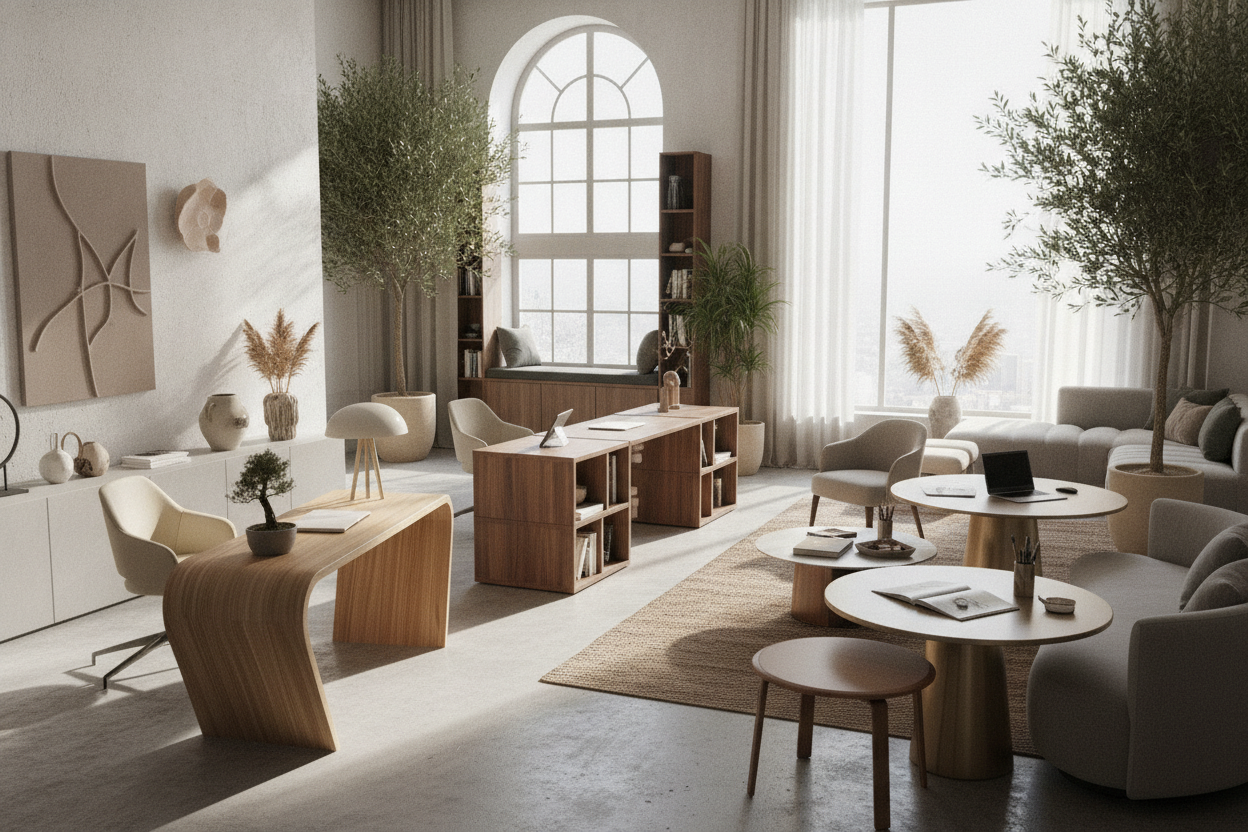
Defining Creative and Unique Desks: Beyond the Standard Rectangle
For decades, home and professional workspaces were defined by standard rectangular slabs supported by straightforward panel legs or standard metal posts. While functional, these utilitarian silhouettes often prioritized ease of manufacturing over architectural presence or dynamic interaction. Today, creative unique desks rethink the relationship between furniture and room architecture. Distinctive designs incorporate sculptural contours, angled cantilever bases, asymmetric work surfaces, and mixed material compositions that turn the primary workstation into an aesthetic focal point.
Opting for an unconventional desk does not mean sacrificing everyday utility. Instead, innovative desk designs invite users to rethink how tasks are organized across a surface. An artistic silhouette changes how movement flows through a room, encourages intentional cable management, and invites curated accessories that harmonize with the desk's visual rhythm.
Evaluating Distinctive Desk Typologies and Spatial Footprints
Selecting the right creative desk design requires evaluating how non-traditional silhouettes occupy floor area and sightlines within an office.
Sculptural Profiles and Floating Room Placements
Many statement desks are finished on all sides, featuring curved modesty panels, tapered pedestals, or open geometric trestles meant to be appreciated from multiple angles. Rather than pushing the piece against a wall, floating the desk in the center of the room allows its architectural contours to breathe. When planning a floating placement, ensure adequate clearance around the entire perimeter to allow comfortable chair movement and uninhibited walking paths.
Asymmetric and Geometric Work surfaces
Asymmetric silhouettes introduce dynamic energy to a layout by varying the desktop depth from one side to the other. Wider zones can host hardware and primary writing tasks, while tapered ends keep circulation paths open. Incorporating a distinctive desk design product with unconventional leg architecture allows a room to feel lighter and more spacious while preserving ample surface utility.
Desktop Ergonomics and Functional Surface Zoning
An artistic profile requires structured desktop zoning to ensure daily productivity remains smooth and clutter-free.
Primary and Secondary Reach Zones on Irregular Surfaces
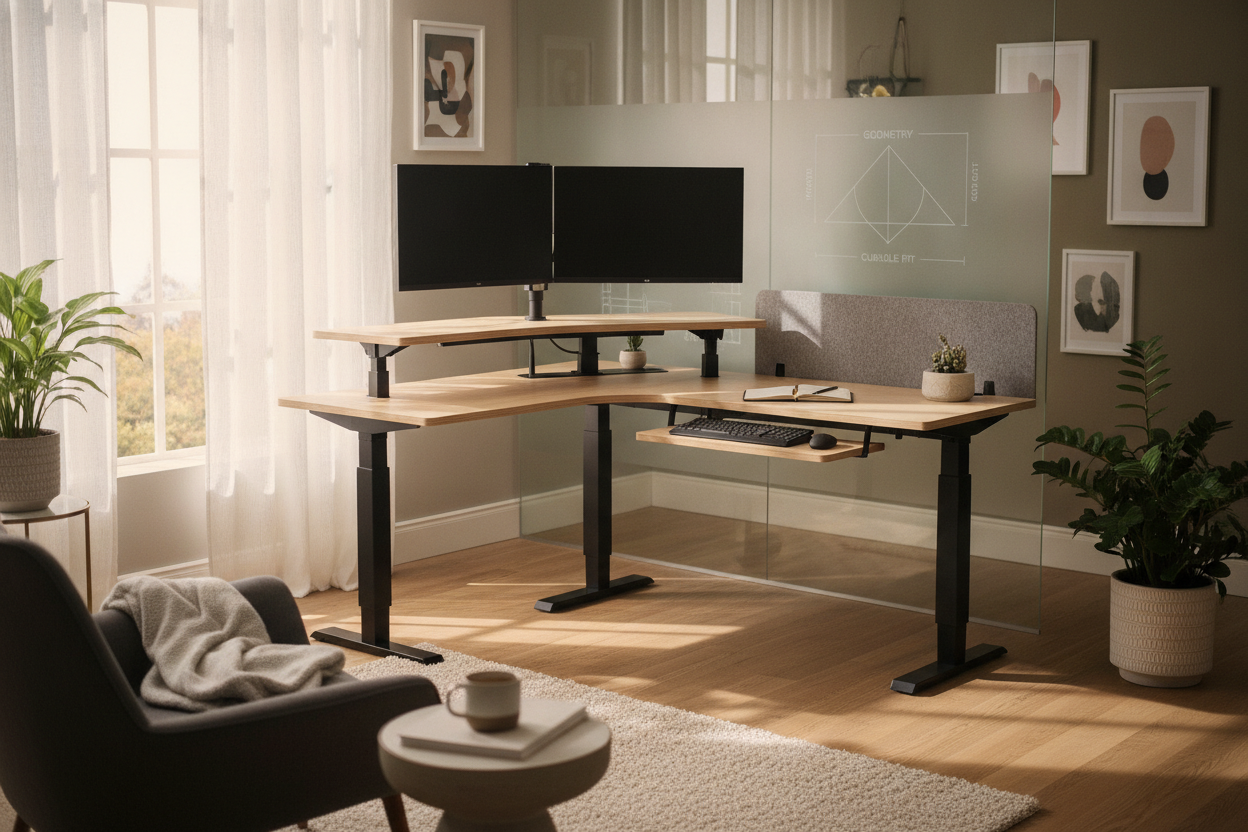
On an organic or angled tabletop, dividing the surface into dedicated operational zones keeps essentials within an easy arc of motion without disrupting the overall aesthetic balance. As detailed in our creative desk design guide, placing monitors and primary input devices within direct sightlines while setting aside sculptural corners for task lighting and reference documents preserves both function and visual clarity.
- Primary Zone: Direct forearm reach for keyboard, mouse, and immediate note-taking.
- Secondary Zone: Arm's length reach for secondary monitors, reference stands, and task lamps.
- Tertiary Zone: Outer perimeters reserved for decorative accents, organizers, or ambient lighting.
Concealed Cable Routing and Hardware Integration
Minimalist and open-frame desks leave little room to hide tangled wiring. Using adhesive under-desk trays, vertebrae-style spine organizers, and color-matched cable sleeves helps preserve the clean silhouette of a creative desk. Routing power strips along the inner face of leg supports ensures technology remains seamlessly powered without visual distraction.
Storage Solutions for Statement Desks
Because creative furniture desk ideas frequently feature slim profiles, open leg geometry, or floating drawer boxes, storage planning is essential.
Integrated Drawers vs. Companion Storage Units
Some distinctive desks include shallow, built-in drawer compartments designed to hold writing instruments, charging cables, and small notepads without disrupting knee clearance. When substantial filing or equipment housing is required, pairing an open statement desk with an office desk product or standalone credenza maintains visual balance while offering comprehensive organizational capacity.
Material Selection, Structural Stability, and Long-Term Care
Distinctive desks rely on thoughtful material combinations to maintain stability across unconventional structural footprints. Modern designs frequently unite engineered composite surfaces, durable wood veneers, powder-coated steel frameworks, and tempered glass inserts. When reviewing furniture profiles, consider how leg placement distributes weight across the base to ensure steady, wobble-free typing. Exploring a dedicated creative desk design guide can offer valuable insights into balancing materials such as matte lacquers and metal accents to achieve a cohesive, elevated aesthetic.
Protecting unique finishes involves routine dusting with soft microfiber cloths, using protective desk pads under heavy computing gear, and avoiding harsh chemical cleansers that could degrade veneer coatings or matte finishes over time.
Designing an Inspiring Office Environment Around a Unique Desk
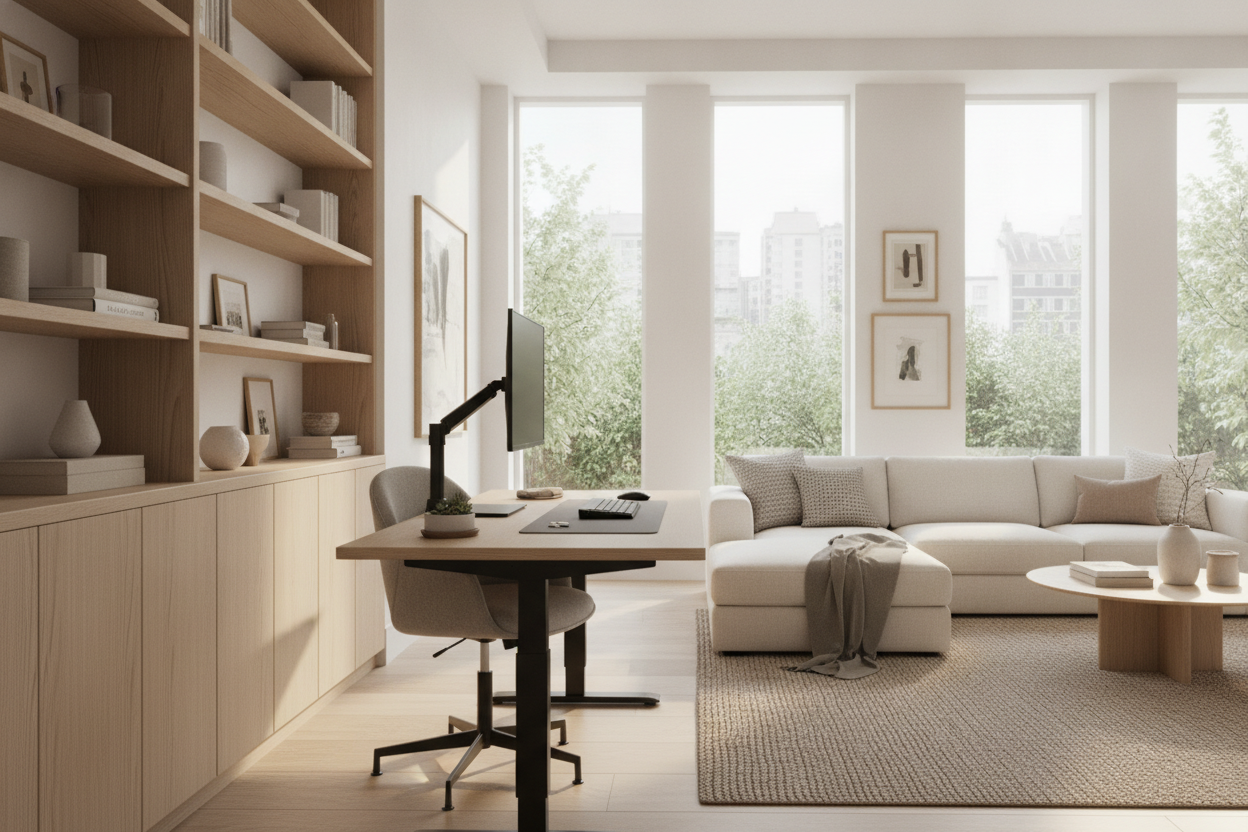
A distinctive workstation performs best when the surrounding environment supports its architectural character. Thoughtfully placed pendant lighting or directional floor lamps can highlight the desk's angles, while a supportive ergonomic chair with complementary upholstery bridges comfort and visual style. For further interior inspiration on harmonizing functional accents with distinctive furniture pieces, consulting our creative office desk guide helps bring cohesive balance to the entire room.

Dejar un comentario
Este sitio está protegido por hCaptcha y se aplican la Política de privacidad de hCaptcha y los Términos del servicio.