










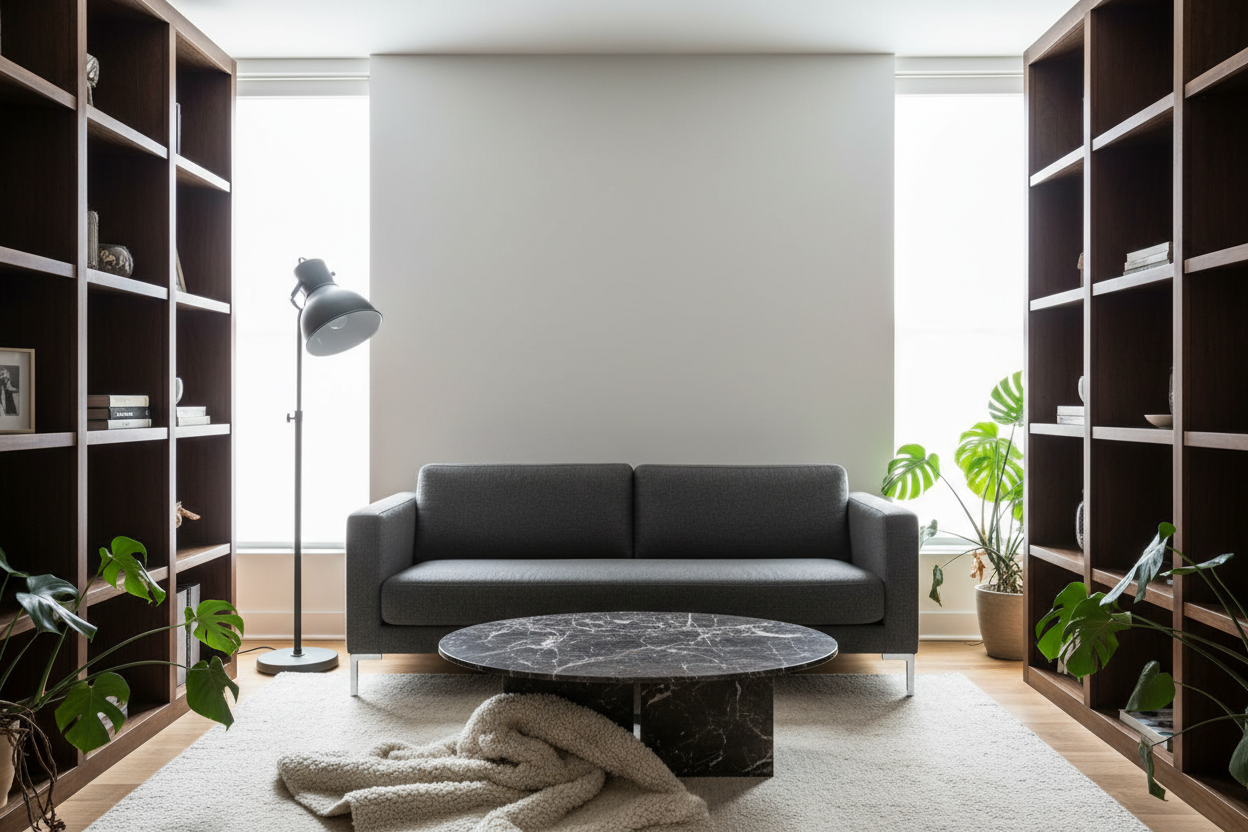
In my years of designing for urban apartments and cozy reading nooks, I often encounter a specific spatial dilemma: the "in-between" zone. It is that awkward area where an accent chair feels too solitary, yet a standard apartment sofa overwhelms the traffic flow. This is where the 53 inch loveseat becomes the unsung hero of spatial planning. It is not just about saving space; it is about curating a vignette that feels intentional rather than forced. Let’s explore how to select and style this specific dimension to maximize both utility and aesthetic appeal.
Quick Decision Guide: Key Features to Look For
- Arm Profile: Opt for narrow track arms rather than rolled arms to maximize the actual seating area within the 53-inch footprint.
- Leg Elevation: Choose a 53 inch couch with exposed legs (tapered or metal) to create negative space underneath, making the room feel larger.
- Seat Depth: Ensure a depth of at least 22 inches if you plan to lounge; anything shallower serves strictly as formal upright seating.
- Frame Construction: Look for kiln-dried hardwood frames to prevent warping, especially in pieces that will see daily use.
Mastering Space Planning and Flow
When working with a 53 inch sofa, the most common error homeowners make is pushing it flush against a wall in a large room, which makes the furniture look doll-like and diminished. Instead, use this size to anchor a floating zone.
In a studio apartment, place the piece at the foot of the bed to create a distinct separation between sleeping and living areas. If you are furnishing a bay window, this specific width often slots perfectly into the architectural recess, turning dead space into a functional reading alcove. Always ensure you maintain 30 to 36 inches of clearance in front of the loveseat for proper circulation.
Choosing the Right Material for High-Traffic Zones
Because a 53 loveseat is physically smaller, it often undergoes more concentrated wear and tear than a large sectional. The same two spots are sat on repeatedly. Therefore, fabric selection is not just aesthetic; it is structural.
Performance Fabrics vs. Natural Fibers
For main living areas, I always steer clients toward high-performance velvets or crypton fabrics. They offer the tactile luxury of a high-end design but resist staining. If you prefer the organic look of linen, ensure it is a blend. Pure linen on a small frame can wrinkle excessively, making the piece look tired rather than 'shabby chic' after just a few weeks.
Visual Balance and Silhouette
The silhouette of your seating dictates the room's mood. A chunky, floor-hugging design adds visual weight and groundedness, perfect for a cozy, darker den. Conversely, a mid-century modern profile with a tight back and elevated legs promotes light flow, essential for maintaining an airy atmosphere in compact sunrooms or home offices.
Lessons from My Own Projects: The "Narrow Hallway" Reality
I want to share a candid reality from a project I managed in a historic walk-up last year. We found the perfect custom upholstered loveseat for a client's home office. Visually, it was stunning. However, I overlooked one critical detail: the turn radius of the hallway.
Even though 53 inches sounds compact, the diagonal depth (the measurement from the top back corner to the bottom front leg) is what matters when pivoting through doorways. We barely scraped it through, leaving a scuff on the doorframe that I had to have repaired. Since then, my non-negotiable rule for this size category is removable legs. If you are buying this for an upstairs room or a tight apartment, check the technical specs to ensure the legs screw off. It creates those crucial extra inches of clearance that save your drywall and your sanity.
Conclusion
Integrating a compact sofa is an exercise in precision. It requires you to value quality over quantity and ergonomics over sheer size. By focusing on slim profiles, durable materials, and smart placement, your new seating will offer a sophisticated retreat that punches well above its weight class.
Frequently Asked Questions
Can two adults comfortably sit on a 53 inch loveseat?
Yes, but it is an intimate fit. A 53-inch width usually provides about 40 to 45 inches of internal seating space (depending on arm width). It is perfect for couples, but two guests who don't know each other well might find it too close for comfort.
How do I style a coffee table with a sofa this small?
Avoid large rectangular tables, which can look disproportionate. Instead, use a round nesting table or a small oval coffee table. This softens the lines and allows for easier movement around the compact seating area.
Is a 53 inch couch suitable for sleeping?
Generally, no. Even for a child, 53 inches is restrictive for sleeping. However, some convertible models fold out into a twin sleeper, which is the only way to make this dimension sleep-friendly.

Dejar un comentario
Este sitio está protegido por hCaptcha y se aplican la Política de privacidad de hCaptcha y los Términos del servicio.