


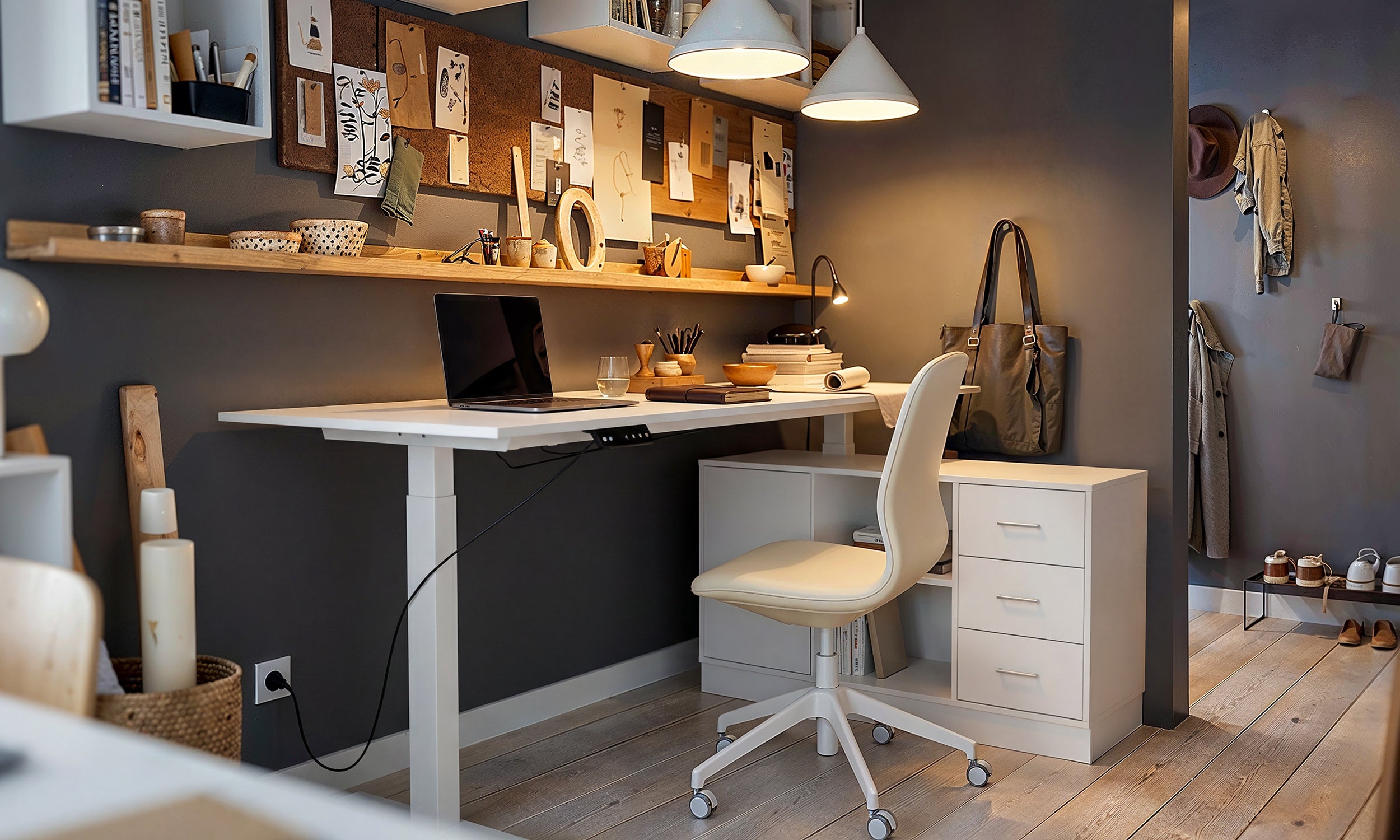
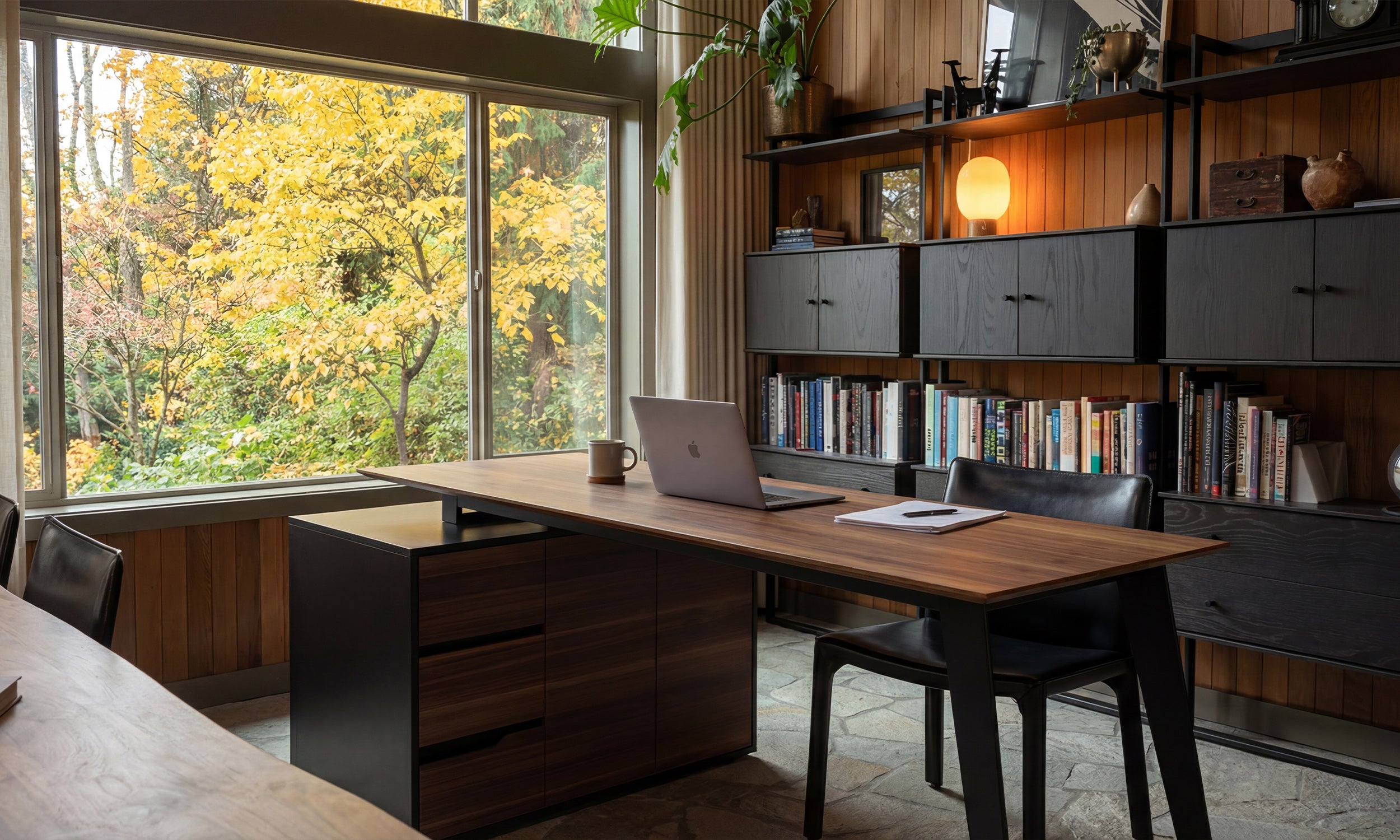


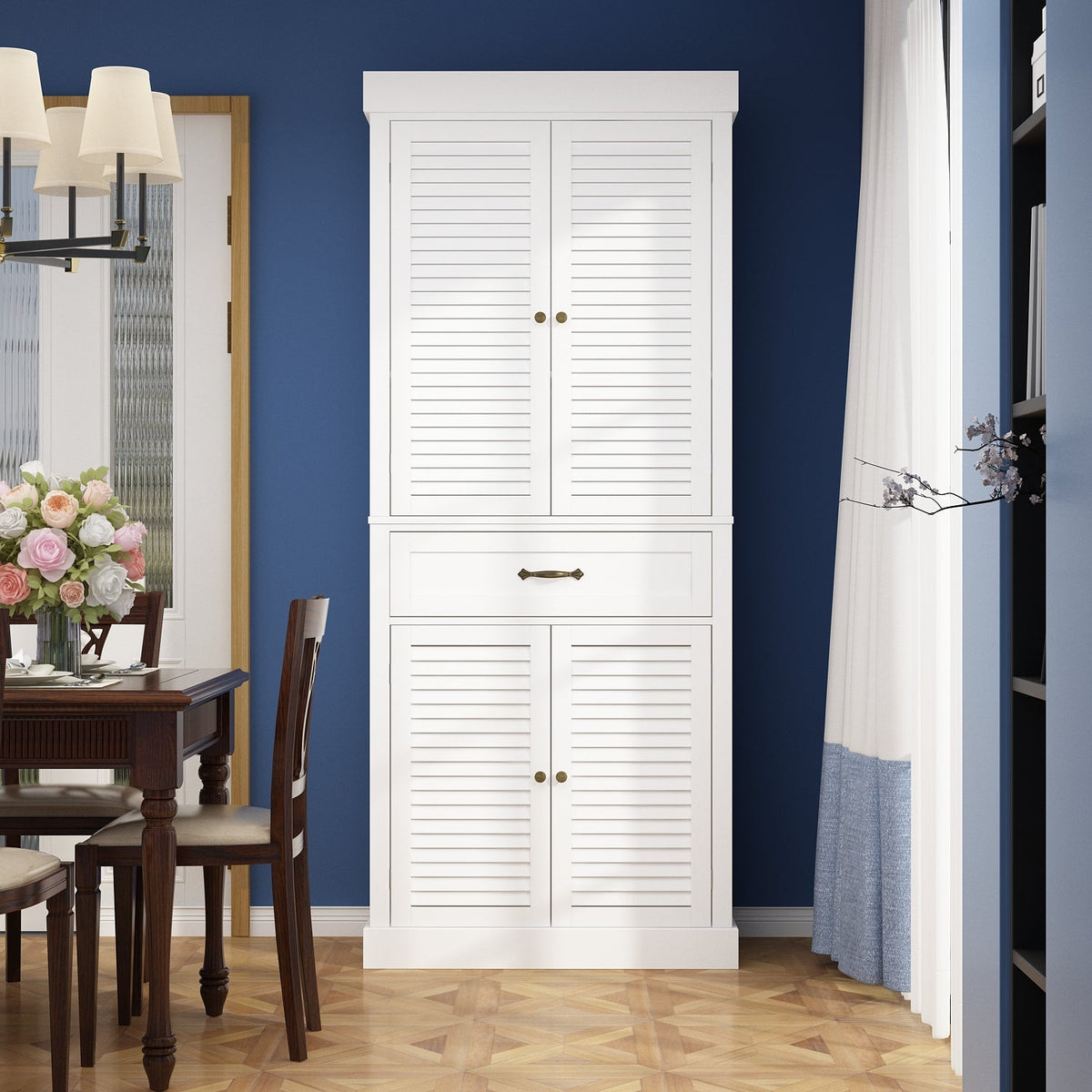
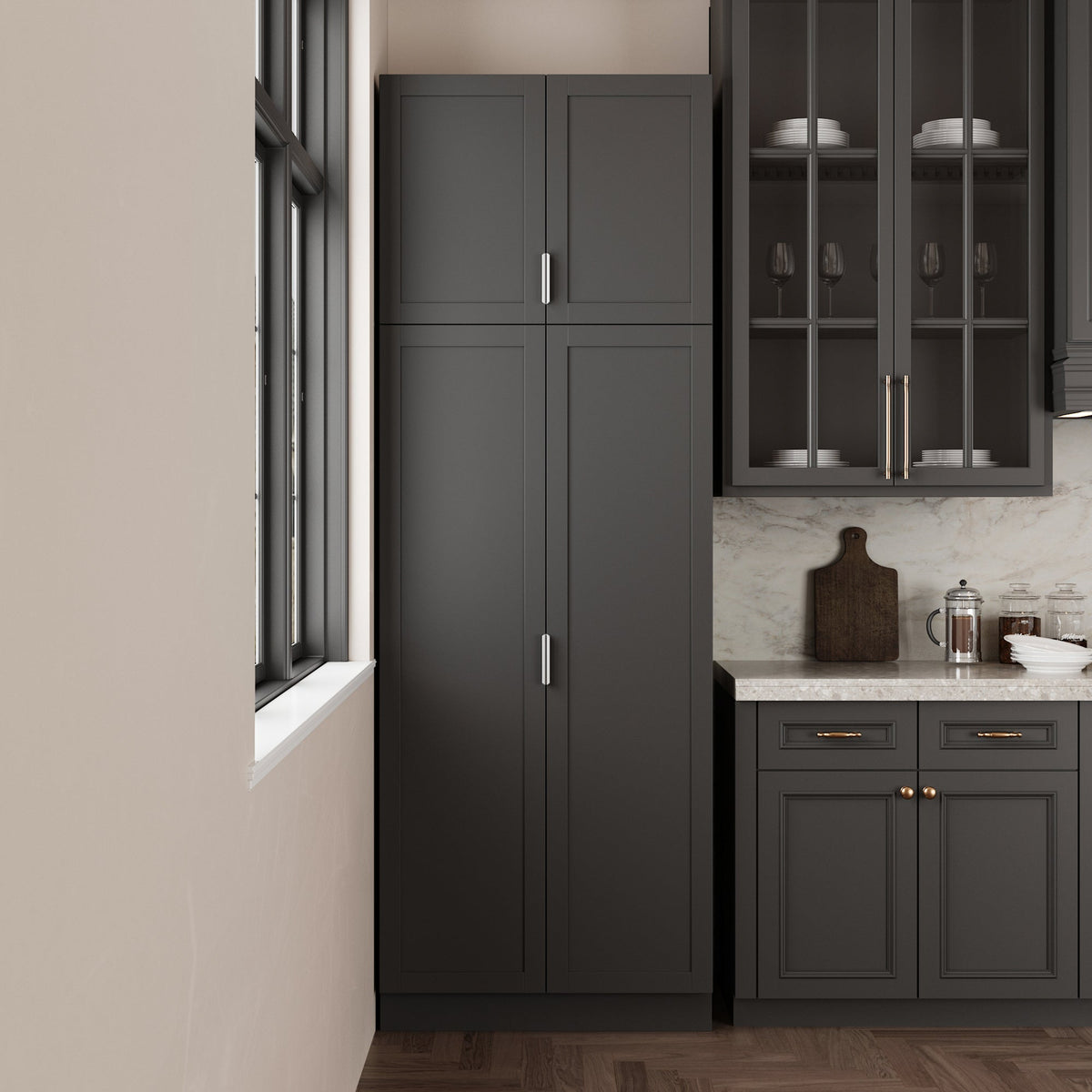
The main types of storage cabinets are tall linen and utility cabinets, pantry cabinets, accent cabinets and sideboards, display cabinets, filing cabinets, garage cabinets, wardrobe-style cabinets and modular systems. Cabinet makers also sort cabinets by placement into three basic groups: base cabinets on the floor, wall cabinets mounted above and tall cabinets that run floor to near ceiling. The right type depends on what you need to store, which room it goes in and whether you want things hidden or on display.
Knowing the types of storage cabinets makes it much easier to pick the right storage cabinet for each room and to find storage solutions that fit limited space. This guide is for anyone trying to make sense of cabinet names before buying, whether you are adding a pantry to a small kitchen, a linen tower to a bathroom or extra storage to a living room. For each cabinet type you will see what it is for, where it works best, typical sizes and the features worth looking for, with examples from the FUFU&GAGA storage cabinet collection.
Cabinet Types by Placement: Base, Wall and Tall
When people ask what the three types of storage cabinets are, they usually mean the kitchen and built-in classification:
- Base cabinets sit on the floor, support a countertop and hold heavy items such as pots, small appliances and cleaning supplies. Standard kitchen base cabinets are 34.5" tall and 24" deep, according to KraftMaid's cabinet size guide.
- Wall cabinets (upper cabinets) mount to the wall, usually 12" deep, and hold lighter, frequently used items like dishes and glasses.
- Tall cabinets run from floor to near ceiling and offer the most storage per square foot of floor space. Pantry and utility towers belong here.
Furniture adds a second split. Built-in cabinets are fixed to the room and use awkward spaces efficiently, but they are permanent. Freestanding cabinets are independent pieces you can move, take with you and rearrange. Wall-mounted cabinets use wall space and free up valuable floor space in narrow areas, and mobile cabinets on casters roll where you need them. Most furniture storage cabinets, including everything in our range, are freestanding, so they can move with you from one home to the next.
Types of Storage Cabinets at a Glance
| Cabinet type | Best for | Typical room | Typical size in our range |
|---|---|---|---|
| Tall linen / storage cabinet | Towels, toiletries, household items | Bathroom, hallway, laundry | 66"–79" H, 15.7"–33" W |
| Pantry cabinet | Dry food, dishes, small appliances | Kitchen, dining room | 70.9"–78.7" H, 13.8"–19.7" D |
| Accent cabinet / sideboard | Concealed storage plus a display top | Living room, entryway, dining room | 31.5"–37.4" H, 47"–63" W |
| Display cabinet | Collectibles, glassware, books | Living or dining room | 70.9"–78.7" H, glass doors |
| Utility / garage cabinet | Tools, cleaning supplies, bulk items | Garage, laundry, basement | 74"–94.5" H |
| Filing / office cabinet | Documents, office supplies | Home office | Low lateral to full-height |
| Wardrobe-style cabinet | Hanging clothes, bags, bedding | Bedroom, entry | About 19"–20" D with rods |
| Modular / corner cabinet | Whole walls, corners | Any room | Up to 141.7" W |
For standard heights, widths and depths by type, see our storage cabinet dimensions guide.
1. Tall Storage and Linen Cabinets
A tall storage cabinet is the general-purpose workhorse: a narrow footprint with doors, adjustable shelves and often a drawer or two. Because it builds upward, it adds a lot of vertical storage without using much floor area, which makes it a must have in small apartments, cluttered spaces and any room with limited space.
In a bathroom the same piece is called a linen cabinet or linen tower. Look for closed doors to keep towels dust-free, shelves you can adjust for bottles, and finishes that tolerate humidity. Our 30" white tall storage cabinet with shutter door is a typical example: 71.6" H × 30" W × 15.7" D, with six adjustable shelves, drawers and a tip-over restraint kit.

Bathroom cabinets and medicine cabinets
Bathroom cabinets range from floor-standing linen towers to vanity cabinets under the sink and medicine cabinets mounted above it. Medicine cabinets are shallow wall-mounted units for toiletries and medications; a freestanding slim cabinet, such as a 15.7" wide unit only 5.9" deep, is the furniture alternative when you cannot drill into tile. Moisture-resistant materials matter most here, so keep cabinets away from direct shower spray and wipe up water quickly.
2. Pantry Cabinets
A pantry cabinet is a tall kitchen storage cabinet for dry food, canned goods, dishes and small appliances. Freestanding pantries are the easiest way to add kitchen storage without a remodel, and a practical alternative to a walk-in pantry in modern kitchens with few upper cabinets. Useful features include door-mounted racks, pull out trays or drawers, and adjustable shelving for cereal boxes and bulk packs.
The 31.5" white kitchen pantry with rotating shelves and door-mounted racks shows how much organization a single cabinet can hold: 72.2" H × 31.5" W × 19.7" D with rotating food storage shelves behind the doors. For more options, browse our pantry cabinets.
Kitchen cabinets, appliance garages and hutches
Built-in kitchen cabinets include specialty units such as appliance garages, which hide a toaster or coffee maker behind a door on the countertop, and corner units with lazy Susans. In freestanding furniture, the closest equivalent is a pantry or hutch with an open middle worktop for a microwave or coffee station and closed storage above and below.
3. Accent Cabinets and Sideboards
Accent cabinets are low, wide pieces, usually around 30" to 40" tall, that combine concealed storage with a surface for lamps, plants and decorative accents. In living rooms and other living spaces they hold board games, media and personal items, and a low accent cabinet can double as a small TV stand; in a dining room the same shape is called a sideboard or buffet and holds serving pieces and table linens; in an entryway it catches keys, bags and mail.
The 47.2" rustic black embossed accent cabinet (32.3" H × 47.2" W × 15" D) pairs three doors and three drawers with shelves rated at 50 lb each, so it can hold heavy loads like stacked dishes. See our sideboards and buffets for dining-focused pieces.
4. Display Cabinets
Display cabinets use glass doors, and often glass shelves, mirrored backs or LED lighting, to show collectibles, glassware and books while keeping dust off them. They balance display functionality with protection, which open shelving cannot do. Names overlap: a curio cabinet is a display cabinet for small collectibles, and a china cabinet is built around dinnerware. Our guide to curio cabinet vs china cabinet vs display cabinet explains the differences.
The Varda 31.5" display cabinet with adjustable LED lights (78.7" H × 31.5" W × 14.2" D) is a compact example with tempered glass doors and two drawers. Glass shelves are often rated for less weight than wood shelves, so use them for decorative items rather than heavy books.

5. Utility and Garage Cabinets
Utility cabinets are tall, plain cabinets for cleaning supplies, brooms, paint and bulk household items in a laundry room, mudroom or basement. Garage cabinets are the heavy-duty version, built for tools, sports gear and seasonal items, and they keep the garage floor clear enough to park. Metal cabinets are the classic choice for garages and workshops because they handle heavy loads and knocks, though they can rust if the coating is damaged in a damp space. Engineered wood garage cabinets look more like home furniture; keep them off wet floors and away from big temperature swings.
If you store hazardous materials such as pesticides, solvents or pool chemicals, choose a cabinet with doors that close fully, keep products in their original containers and store them up high, out of children's reach.
6. Filing and Office Storage Cabinets
Filing cabinets come in two main designs. Vertical file cabinets are narrow and deep, with drawers that pull out toward you. Lateral file cabinets are wide and shallow, with files running side to side, and their tops double as a printer stand. Office storage cabinets with doors and adjustable shelves hold binders, office supplies and equipment.
Our 31.5" industrial black double file cabinet is a low, mobile lateral design (25.6" H × 31.5" W × 15.7" D) on spinner wheels that slides under or beside a desk. For a full office layout, see office storage cabinets: the designer's guide to organization.
7. Wardrobe-Style Cabinets and Armoires
Wardrobe-style cabinets add hanging rods to the cabinet format, so they are deeper, usually about 19" to 24", to fit clothes on hangers. Armoires are the furniture version of a reach-in closet and work well in bedrooms without a closet or in rooms where walk in closets are not an option. Our article on armoire vs wardrobe differences covers the naming, and our armoires and wardrobes collection has the full range.
Safety rules are stricter here. Under a federal rule, clothing storage units such as dressers, armoires and chests manufactured after September 1, 2023, that are at least 27" tall must pass stability tests and come packaged with an anti-tip device, according to the U.S. Consumer Product Safety Commission.
8. Modular and Corner Cabinets
Modular storage cabinets are built from units that sit side by side or wrap a corner, so you can match a wall exactly and add pieces later. They adapt to changing storage needs over time and often mix doors, drawers, glass and open shelves in one run.
Corner cabinets
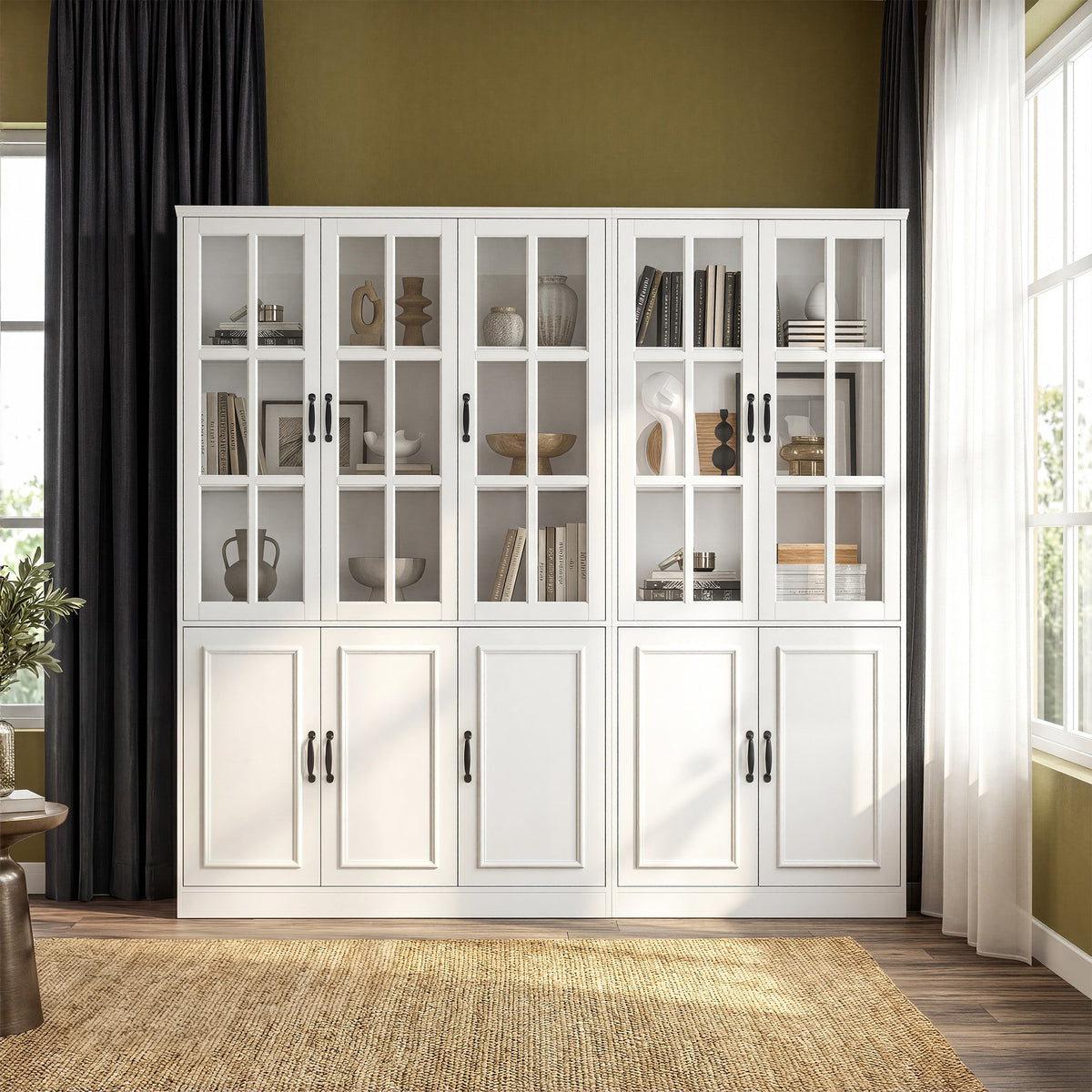
Corner cabinets turn a dead corner into storage. The Skira series includes white corner storage cabinets with frosted glass doors; the 98.4" combination is 70.9" tall with 10 doors, 13 shelves and 2 drawers. Browse modular storage cabinets for more configurations.
How to Choose Doors, Drawers or Open Shelves
- Solid doors give concealed, hidden storage and keep clutter out of sight for a clutter free look. They suit pantries, utility cabinets and anything you would rather not see.
- Glass doors show off what is inside while blocking dust.
- Deep drawers give easy access to small items and are better than deep shelves for linens, chargers and tools.
- Open shelves work for items you use daily and for decorative pieces with aesthetic appeal, but they collect dust and visual clutter.
- Adjustable shelves are worth having on any cabinet, because they let you fit bulky items now and re-space later.
Materials at a Glance
Material affects strength, appearance, price and maintenance. Solid wood offers warmth and can be refinished but reacts to humidity. Engineered wood (MDF and particleboard), often finished with laminate or wood veneer, is stable, affordable and the most common material in furniture storage cabinets, including most wood cabinets in our range. Metal is durable for garages and offices, and plastic cabinets are lightweight, easy to clean and suited to damp utility spaces.
Anchor Tall Units Whatever the Type
Tall pantries, linen towers, display cabinets and wardrobes all share one risk: tipping. The CPSC recommends that households anchor furniture such as bookcases and dressers to the wall and keep heavier items on lower shelves. Most tall FUFU&GAGA cabinets include a tip-over restraint kit; our guide on how to anchor a bookcase to the wall shows the method, which works the same for any tall cabinet.
Many cabinets in our range combine two or more of these storage solutions, such as glass doors above and drawers below. Ready to compare? Filter the storage cabinets collection by type, size and finish, and when your cabinet arrives, our guide to organizing a storage cabinet will help you set it up.
FAQ
What are the different types of office storage cabinets?
The main office types are vertical file cabinets, lateral file cabinets, mobile pedestals that roll under a desk, and storage cabinets with doors and adjustable shelves for binders and supplies. Bookcase-cabinet combinations and credenzas add storage behind a desk.
What are the three main types of cabinet styles?
The three door styles you see most are Shaker (a flat center panel with a square frame), flat-panel or slab (one smooth, modern surface) and raised-panel (a contoured center panel with a traditional look). The style is separate from the cabinet type, so any of them can appear on a pantry, an accent cabinet or a wardrobe.
What are the different types of storage furniture?
Beyond cabinets, storage furniture includes bookcases and open shelving, dressers and chests, sideboards and buffets, armoires and wardrobes, TV stands with storage, shoe cabinets and hall trees, and storage benches. Cabinets are the right choice when you want closed doors and adjustable shelves.
Which type of storage cabinet is best for a small space?
A tall, narrow cabinet usually gives the most storage for the least floor space. Look for a shallow depth (12" to 16") so it does not block walkways, adjustable shelves to use every inch of height, and doors that open without hitting nearby furniture.

Dejar un comentario
Este sitio está protegido por hCaptcha y se aplican la Política de privacidad de hCaptcha y los Términos del servicio.