










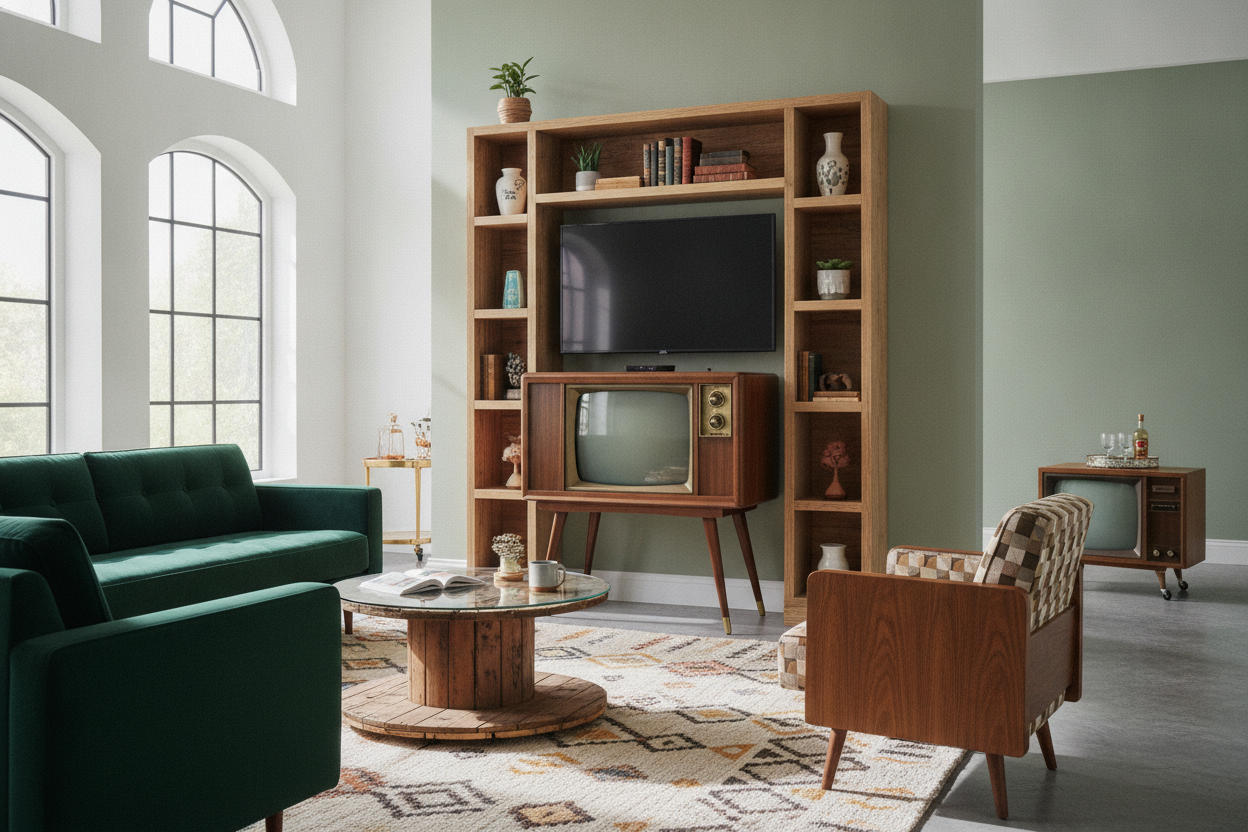
I spent three hours last weekend watching a guy struggle to load a massive wooden box into a pickup truck at a local estate sale. It was one of those console tvs from the mid-70s—the kind that weighs more than a small refrigerator and looks like it belongs in a wood-paneled basement. Most people see a landfill candidate; I see a solid walnut cabinet that is better built than 90% of the flat-pack junk you will find at a big-box store today.
- Don't toss the wood; real walnut and oak veneers are getting rare and expensive.
- Safety first: CRT tubes can hold a dangerous electrical charge for years.
- Repurposing turns 'junk' into a high-end conversation piece that lasts.
- If you are buying, do not pay more than $50 for a non-working unit.
Why Are We Suddenly Nostalgic for Giant Wooden Boxes?
We have reached peak 'disposable furniture.' I am personally tired of MDF that swells the second you spill a drink and plastic legs that snap if you drag a sofa an inch. People are actively hunting down an old console tv because they miss furniture that feels permanent. These vintage console tvs were the literal hearth of the home, built with real wood veneers and hand-finished details that modern manufacturers just can't justify anymore.
Gen Z and millennials aren't just buying them for the tech—they are buying them because a vintage console television has more soul than a flat-screen mounted on a sterile white wall. There is a weight to them, literally and figuratively, that grounds a room. When you touch the top of a console tv vintage unit, you are touching history, not a piece of extruded plastic.
The Golden Rule of Gutting a Vintage Console Television
Before you touch a screwdriver, listen up. The glass tube inside an antique console tv is a vacuum-sealed hazard. If you break it, it doesn't just shatter; it implodes. Worse, the capacitors can hold a lethal electrical charge long after the plug is pulled. I always wear thick gloves and eye protection before I even think about opening the back panel.
You want to carefully discharge the tube—look up a specific guide for your model—and remove the heavy chassis. What you are left with is a hollow, beautiful shell. This is the secret to why people want old console tvs: the electronics are garbage, but the cabinet is gold. Don't be the person who tries to fix the internal 1970s circuitry unless you have a degree in electrical engineering and a lot of patience. Just gut it and save the wood.
3 Ways I've Repurposed Old Console TVs (That Don't Look Tacky)
I have seen some DIY disasters, but when done right, these pieces are stunning. My favorite project was turning a 1968 Magnavox into a moody home bar. I mirrored the back, added a motion-sensor LED strip, and used the original speaker cloth to hide my good bourbon. It looks like something out of a high-end lounge, not a garage sale.
Another win? A mid-century pet bed. Line the inside with some funky wallpaper and a custom-cut foam cushion. To really avoid the thrift store look, you need to sand the original finish and use a high-quality wax or oil. Don't just slap chalk paint on it and call it a day. If you are feeling ambitious, a terrarium inside vintage console tvs looks like a living piece of art. The depth of those cabinets allows for some serious plant growth.
Not a DIYer? How to Get the Retro Vibe Without the Heavy Lifting
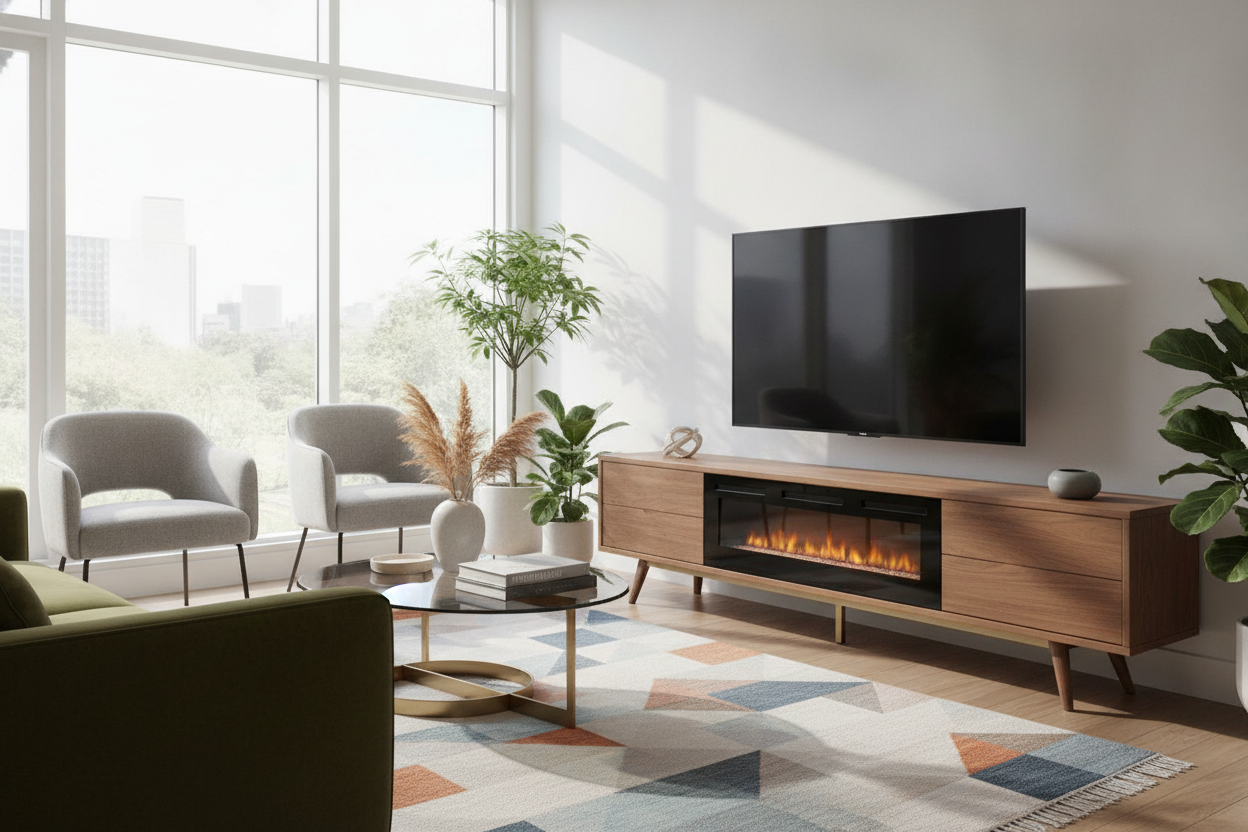
I get it. Not everyone wants to spend a Saturday wrestling a 100-pound glass tube into a recycling bin. If you want the warmth of a console tv vintage aesthetic without the labor, look for modern pieces with tapered legs and slatted doors. I once swapped a boring metal rack for a vintage wicker TV stand and the room instantly felt ten times cozier.
You can also shop for TV stands that mimic that low-profile, wide-stance look of the 70s. Look for units that use real wood legs and have some texture to the front panels. The goal is to break up the 'tech' look of your living room with something that feels organic and heavy.
Where to Actually Find a Console TV Old Enough to Upcycle
Stop looking at high-end vintage boutiques that want $500 for a hollowed-out box. The best place to find a console tv old enough to bother with is Facebook Marketplace or a local estate sale on a Sunday afternoon when they are desperate to clear the house. Look for brands like Zenith, RCA, or Magnavox.
If the wood is deeply gouged or water-damaged, walk away. If it is just dusty and smells like a basement, buy it. It is basically a massive media console waiting to happen, but with a lot more history than something shipped in a flat-pack box. I never pay more than $40 for a non-working unit; remember, you are doing them a favor by hauling it away.
My Personal Experience
My first 'save' was a 1974 Zenith. I thought I could just yank the guts out in twenty minutes. Two hours later, I was covered in 50 years of dust, sweating, and realized I had accidentally scratched the top veneer because I didn't lay down a moving blanket. Lesson learned: treat these things like the heavy furniture they are. But once I got that cathode-ray tube out and polished the wood, it became the most complimented piece in my house.
Frequently Asked Questions
Are old console TVs worth any money?
Not really for the electronics. Most are worth $0 to $50. You are paying for the cabinet condition, not the screen.
How do I get rid of the 'old' smell?
Shellac-based primer on the unfinished interior wood or a few days of sunshine and baking soda usually does the trick.
Can I put a modern TV inside one?
Absolutely. Many people mount a flat-screen where the old tube used to be or even place a modern TV right on top of the cabinet.


Dejar un comentario
Este sitio está protegido por hCaptcha y se aplican la Política de privacidad de hCaptcha y los Términos del servicio.