










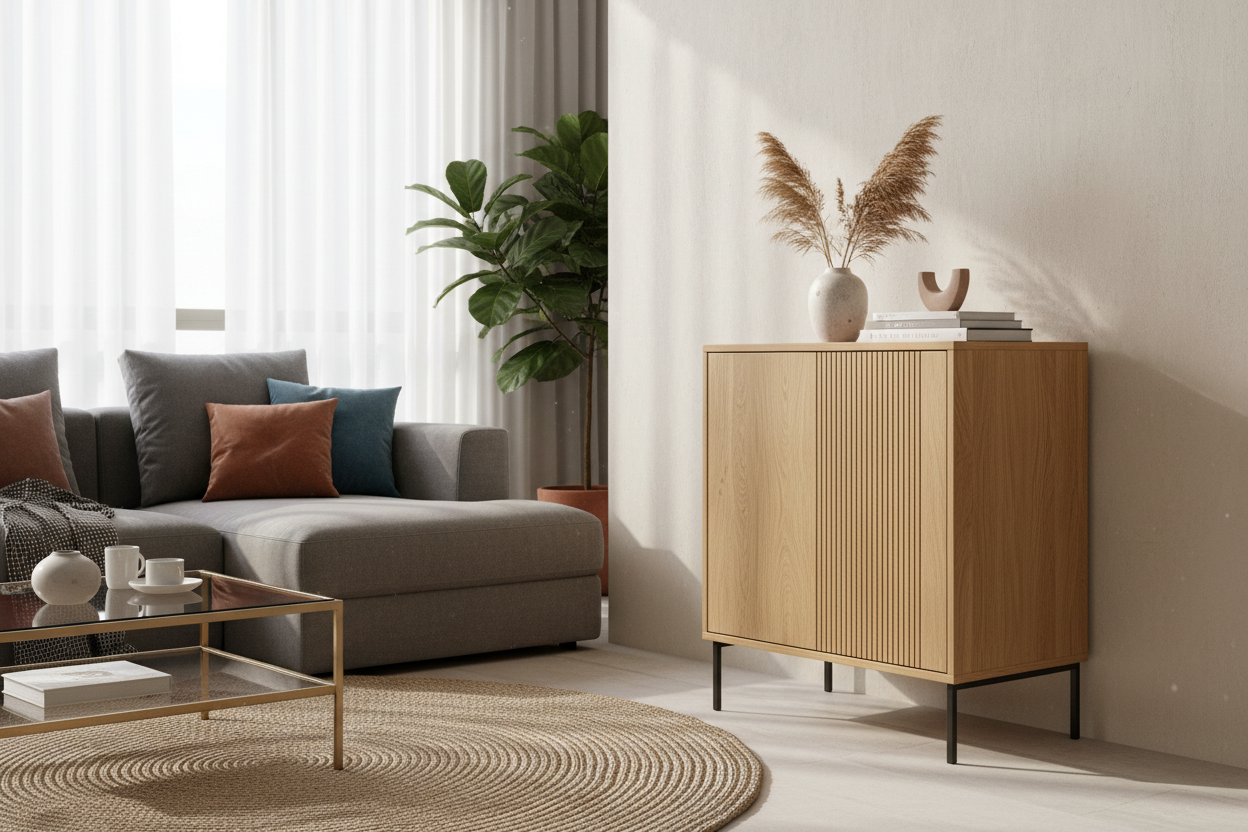
Living in a compact space often feels like a constant negotiation between keeping things you love and having room to breathe. The most effective solution to this common dilemma is finding furniture that works double duty. A small cabinet with doors for living room organization is arguably the most versatile piece you can own. It provides a dedicated spot to hide visual clutter—be it electronics, paperwork, or kids' toys—while offering a surface for decor, lighting, or your morning coffee. Unlike open shelving, which requires constant curation to look tidy, a cabinet with doors offers the freedom to be messy inside while maintaining a pristine exterior.
The Art of Hiding Clutter in Plain Sight
Open floor plans and cozy apartments demand smart storage. When you don't have the luxury of a spare closet or a dedicated mudroom, your living area becomes the catch-all zone. This is where the magic of closed storage comes into play. A small living room cabinet with doors allows you to sweep the chaos away instantly. The psychological impact of hiding "visual noise" cannot be overstated; a room feels significantly larger when your eyes aren't bouncing from a stack of magazines to a tangle of charging cables.
I learned this lesson the hard way in my first city apartment. It was a charming but tiny studio with zero built-in storage. For months, I relied on open bookcases. While they looked great on Pinterest, in reality, they just looked busy. I eventually swapped a wobbly bookshelf for a vintage, low-profile cabinet with solid wood doors. The difference was immediate. Suddenly, my router, board games, and winter throw blankets had a home. The room felt calmer, and because the cabinet had legs that lifted it off the floor, the space actually looked bigger than before.
Choosing the Right Profile for Tight Spaces
Not all cabinets are created equal, especially when square footage is at a premium. The dimensions—specifically the depth—are often more critical than the width. Standard credenzas or buffets usually run about 18 to 20 inches deep. In a narrow living room, that can eat up valuable walking paths. You should look for "slim" or "shallow" profiles, typically ranging from 10 to 15 inches in depth. These units hug the wall and prevent the room from feeling cramped.
Legs vs. Plinth Bases
The base of the cabinet dictates how heavy the piece feels in the room. A cabinet that sits flush against the floor (a plinth base) maximizes storage volume but can look blocky and heavy. For small rooms, a cabinet raised on legs is usually the superior choice. Seeing the floor continue underneath the furniture tricks the eye into perceiving more floor space. Mid-century modern styles are particularly good at this, often featuring tapered legs that add an airy, lightweight feel to the piece.
Material Matters: Balancing Aesthetics and Durability
Since this piece of furniture will likely be in a high-traffic area, the material needs to withstand daily use while complementing your existing decor. Solid wood is durable and can be refinished, but it can also be visually heavy. If your room already feels dark or small, consider a small living room cabinet with doors made of lighter woods like ash or oak, or even a painted finish.
Another clever trick is to use door fronts with texture or mixed materials. Cane or rattan webbing has become incredibly popular because it offers the best of both worlds: it hides the contents of the cabinet effectively, but the weave allows light and air to pass through, preventing the furniture from looking like a solid block. Glass doors are another option, though they require you to keep the interior organized. If you love the look of glass but need to hide mess, fluted or frosted glass is an excellent compromise.
Strategic Placement Ideas
Finding the right spot for your cabinet can redefine the flow of your room. You don't always need a long, empty wall. In fact, small cabinets thrive in awkward corners and transitional spaces.
The End-Table Alternative
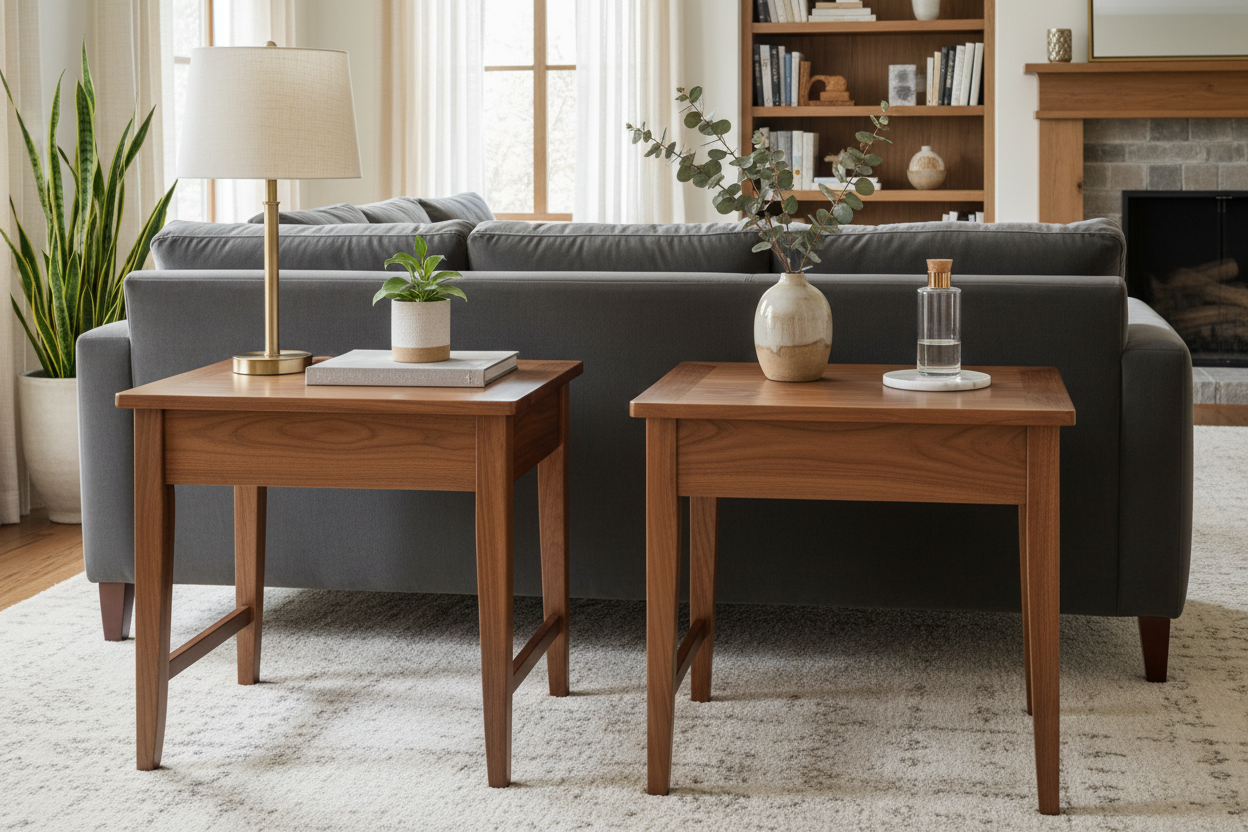
Swap out a traditional side table next to your sofa for a small cabinet. Most side tables offer little more than a surface for a lamp. A cabinet of similar height (around 24 to 30 inches) gives you that same surface area but adds several cubic feet of storage underneath. This is an ideal spot for storing remotes, coasters, and reading materials.
Under the Window
The space beneath a window is often dead space. A low cabinet here can serve as a window seat for plants or a cat, utilizing an area that is too low for tall furniture like bookcases. Just ensure the cabinet height doesn't obstruct the window trim or the glass itself.
The Entryway Hybrid
If your front door opens directly into your living room, a small cabinet can act as a pseudo-entryway. Place it near the door to catch keys and mail on top, while shoes and bags go inside. This creates a psychological separation between "outside" and "relaxing time" without building a wall.
Styling Your Cabinet
Once you have the practical storage sorted, the fun part is styling the top. Because the cabinet is small, you want to avoid overcrowding the surface. The rule of three is a reliable guideline: group three items of varying heights. For example, a tall table lamp, a medium-sized plant, and a small stack of books or a decorative tray. This creates visual balance without clutter. Leaning a piece of art against the wall behind the cabinet can also draw the eye upward, emphasizing vertical space rather than the small footprint of the room.
Frequently Asked Questions
How do I stop a small cabinet from tipping over?
Safety is paramount, especially with narrower cabinets that might be top-heavy when doors are open. You should always anchor the cabinet to the wall using L-brackets or furniture straps attached to a stud. This prevents tipping if someone leans on a door or if a child tries to climb it.
Can I use a kitchen wall cabinet on the floor?
Yes, repurposing kitchen wall cabinets is a great DIY hack for small spaces because they are shallow (usually 12 inches deep). However, you will need to add legs or build a base for them to sit on, and you may need to finish the top with a piece of wood or stone since kitchen wall cabinets usually have unfinished tops.
What is the minimum depth for storing electronics?
If you plan to store a cable box, game console, or router inside, measure your deepest device and add at least 2 inches for cable clearance in the back. Most standard AV equipment requires a cabinet depth of at least 14 to 16 inches to allow the doors to close fully without pinching the wires.

Leave a comment
This site is protected by hCaptcha and the hCaptcha Privacy Policy and Terms of Service apply.