











Shoe Cabinets


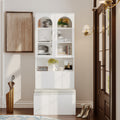
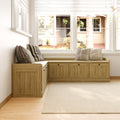
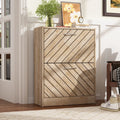
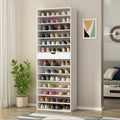


2-Year Warranty
Basic Warranty Terms
Products Covered: All furniture
Duration:
All furniture:2 years from date of delivery
Exception: The fabrics, seat cushions, leather covers, and LED lighting components are 1-year warranty and can be replaced at a minimal cost, provided the original warranty documentation is still available.
Accessory Warranty Terms: All purchased accessories are non‑refundable once ordered and delivered. We provide free re‑shipment replacement for any accessories damaged during transit. Accessories enjoy a 1‑year limited warranty commencing on the delivery date. This warranty does not cover defects resulting from improper installation, misuse, accidental damage, normal wear and tear, or unauthorized disassembly and modification.
Notice: This warranty policy is effective starting January 1, 2026, and applies exclusively to orders placed directly on the official FUFUGAGA website (fufugaga.com). Purchases from any third-party retailers, online marketplaces, or unauthorized resellers are not covered. The Warranty policy applies solely to the original purchaser from the official FUFUGAGA website.
*For more information, Warranty Policy .
Warranty Agreement and Restrictions
This limited warranty DOES NOT cover any loss and/or damage due to:
1. Improper Use.
2. Accident.
3. Neglect.
4. Acts of God. Relate to events outside human control, like flash floods, earthquakes, or other natural disasters.
5. Improper installation.
6. Improper maintenance and care. Using abrasive cleaners such as powders, bleach, ammonia, alcohol, or chlorine, or steel wool, or wire brushes.
7. Modification, or adjustment or repair.
8. Normal wear and tear from daily use.
Before You File a Warranty Claim
If you believe that you have a warranty claim, contact FUFUGAGA.com .
Email: customerservice@fufugaga.com
Hours:
Monday to Friday: 10a - 6p EST
Saturday to Sunday: 10a - 2p EST
Please be sure to provide all pertinent information regarding your claim, including a copy of your original order confirmation, confirm the item number & Qty of the defective item(s), a complete description of the problem, provide pictures or video evidence clearly showing the problem.
Product Details
Product Description
Details
Specs
Warranty
Reviews
A shoe cabinet is an enclosed piece of furniture designed specifically to store shoes out of sight. Unlike open shoe racks that leave your footwear exposed, a cabinet uses cabinet doors, drawers, or tilting compartments to conceal your shoe collection while keeping everything organized and easily accessible.
The benefits go beyond simple storage. A well-placed shoe cabinet declutters your floor, protects your shoes from dust and sunlight, reduces tripping hazards in compact apartments, and makes cleaning faster. When your sneakers, high heels, and boots have a dedicated home, your entryway transforms from chaotic to calm.

Here’s how shoe cabinets compare to open shoe racks:
Functional advantages of closed shoe storage:
- Keeps shoes dust free and protected from pets
- Hides visual clutter completely
- Looks like regular furniture (sideboards, consoles)
- Creates a cleaner, more spacious appearance
Aesthetic advantages:
- Blends with home decor rather than standing out as utility storage
- Offers clean lines that match contemporary and traditional interiors
- Provides a wooden top or surface for keys, mail, and decorative items
Consider a practical example: a family in a 2024 city apartment installs a 3-door cabinet that holds 16 pairs of shoes near their entrance. Instead of a pile of footwear sprawling across the floor, they have a sleek piece of furniture that fits seamlessly into their hallway. The cabinet depth is under 12 inches, so it doesn’t block traffic, yet it provides enough storage space for the entire household’s daily pairs.
Types of Shoe Cabinets
Different cabinet types suit different homes. What works perfectly in a large mudroom won’t fit in a narrow apartment hallway. Understanding your options helps you find a solution that matches both your space and your shoe storage needs.
Here are the main types to consider:
- Classic 3-door standing cabinets hold 16–20 pairs with adjustable shelves behind slatted or paneled doors. These popular 2023–2024 models typically stand about waist-height and work well in entryways with more room. They offer great choice for families who need to store multiple shoe sizes.
- Slim, tilting-drawer cabinets (similar to narrow IKEA-style units) are ideal for tight spaces and corridors. They use flip-down compartments that angle shoes vertically, reducing the cabinet depth to just 7–9 inches. The trade-off: less capacity (often 8–12 pairs) and the need for wall anchoring to prevent tipping.
- Enclosed louver-door cabinets with adjustable shelves combine dust protection with airflow. A typical 6-shelf model can hold up to 24 pairs while allowing ventilation through slatted doors. This design prevents odors while still providing closed storage.
- Hybrid options offer flexibility. Some cabinets include open bottom shelves for slippers or muddy boots, giving you quick access to frequently worn footwear. Shoe benches combine seating with storage, letting you sit while putting on ankle boots or sneakers. These are a great option for small entryways where every piece of furniture needs to multitask.
Design & Materials: Matching Your Interior
Modern shoe cabinets from 2020–2025 are designed to blend with living-room or hallway furniture, not just serve as utilitarian storage boxes. Today’s styles prioritize aesthetics alongside function, which means you don’t have to sacrifice style for organization.
Common Materials and Their Characteristics
|
Material |
Durability |
Price Range |
Best For |
|---|---|---|---|
|
Engineered wood / MDF |
Moderate to high |
Budget to mid-range |
Most homes, easy maintenance |
|
Solid wood |
High |
Premium |
Traditional or high-end interiors |
|
Particleboard with veneer |
Moderate |
Budget |
Rentals, first apartments |
|
Steel frames |
Very high |
Mid-range to premium |
Industrial styles, heavy use |
|
Bamboo / rattan accents |
Moderate |
Mid-range |
Boho, coastal, farmhouse looks |
Engineered wood and MDF dominate the mass market because they’re affordable, easy to shape, and accept finishes well. Higher-end manufacturers use boards with ultra-low formaldehyde emissions (like Super E0 melamine) for improved indoor air quality and moisture resistance.
Popular Design Styles
- Minimal white or black cabinets feature clean lines, handleless fronts, and matte or gloss finishes. They disappear into modern, Scandinavian-style rooms.
- Farmhouse and boho designs incorporate rattan cane doors and warm wood tones. These bring texture and a relaxed vibe to entryways.
- Industrial looks combine metal bases with darker wood or concrete-effect finishes. Powder-coated steel provides moisture resistance and a sturdy feel.

Consider a practical example: a 24-pair rattan-front cabinet on a metal base serves as both entry storage and a display surface for plants and lamps. The cabinet’s wooden top provides space for a mirror (for last-minute appearance checks) and a tray for keys. The combination of durable materials and thoughtful design means it works as hard as any piece of furniture in the room.
Cabinet tops can be styled with mirrors, trays for keys, and small plants to visually integrate the cabinet into your room. This transforms functional storage into a decorative focal point that enhances your interior.
Key Features to Look For in a Shoe Cabinet
This section serves as a quick checklist for anyone buying a cabinet in 2024–2025. The right features make the difference between a cabinet you love and one that frustrates you daily.
Adjustable shelves are essential. Movable shelves accommodate different heights—flat sneakers, ankle boots, and occasional tall boots all require different clearances. A well-designed cabinet might offer five shelves with three adjustable positions, letting you configure the interior based on your actual shoe collection. Look for cabinets that specify different heights or removable shelves in their specs.
Ventilation keeps your footwear fresh. Slatted or louver doors, vented panels, or mesh sections allow air to circulate and prevent odors. This feature is particularly important if you store workout shoes or live in a humid climate. Even with ventilation, shoes should be reasonably dry before you store them.
Capacity and configuration should match your household. Before shopping, estimate how many pairs each person owns and look for models specifying “16-pair” or “24-pair” capacities. Keep in mind that manufacturers base these numbers on standard adult shoes—bulky winter boots or platform heels reduce the real number. A couple might manage with a 16-pair cabinet, while a family of four often needs a 24-pair unit plus auxiliary storage.
Safety features matter, especially in homes with children or pets:
- Anti-tip hardware prevents tall, slim cabinets from toppling
- Rounded edges reduce injury risk
- Stable bases with wide footprints improve balance
- Wall anchoring is essential for narrow, vertical units
Raised legs offer practical benefits beyond aesthetics. They allow easy cleaning under the cabinet and work well with robot vacuums and mops. In small urban apartments, this convenience is worth prioritizing.
Top surface strength varies between models. Some cabinets are rated to support around 40 lbs (18 kg) for décor or baskets, while others have weaker tops. Check the specs if you plan to place heavier items on your cabinet.
Shoe Cabinets vs. Other Shoe Storage Solutions
Understanding the differences between closed shoe cabinets, open racks, and alternative systems helps you make the right choice for your specific situation. Each approach has trade-offs worth considering.

Cabinets vs. open shoe racks: Closed shoe storage cabinets hide clutter completely and protect shoes from dust, making your entryway look polished. Open shoe racks provide instant visibility and faster drying for wet shoes but leave everything exposed. If aesthetics and dust protection are priorities, a cabinet wins. If you need quick access and better airflow for athletic footwear, a rack may work better.
Cabinets vs. shoe benches: Shoe benches add comfortable seating for putting on shoes in the hallway—a real convenience for seniors or anyone who dislikes hopping on one foot. However, benches typically hold fewer pairs than full-height cabinets (often just 8–12 pairs versus 16–24). Some bench cabinets rated to hold around 330 pounds of seated weight combine sturdy seating with solid storage.
Over-the-door racks and under-bed storage are space-saving alternatives. These work well in dorm rooms, rented rooms, or very small studios where floor space is precious. They won’t replace a proper cabinet for a full household, but they’re useful supplements.
Pros and cons summary:
- Closed cabinets: Best dust protection, cleanest look, moderate access convenience
- Open shoe racks: Best airflow, fastest access, shows all clutter
- Shoe benches: Adds seating function, lower capacity, great for entryways
- Over-door/under-bed: Maximum space saving, limited capacity, less convenient
Consider a mixed approach: one enclosed cabinet in the entryway for everyday family shoes, plus an open rack in a mudroom or garage for muddy boots and sports cleats. This gives you the best of both storage styles.
How to Choose the Right Shoe Cabinet for Your Space
Correct sizing and placement prevent buyer’s remorse and wasted space. A cabinet that blocks your hallway or can’t fit your boots isn’t worth having, no matter how stylish it looks online.
Measure your available space first. Note the width, depth, and height of your intended location. Common cabinet depths range from about 7–15 inches (18–38 cm), with narrow models designed for tight corridors and standard models offering more room and capacity. Write down these measurements before you shop.
Match capacity to household size. Use this rough guide:
|
Household |
Recommended Capacity |
|---|---|
|
Single person |
12–16 pairs |
|
Couple |
16–20 pairs |
|
Family of 3–4 |
24+ pairs |
|
Larger family |
30+ pairs or multiple units |
Remember that five pairs of sneakers take up different space than five pairs of tall boots. Build in extra capacity for seasonal shoes and future purchases.
Consider door swing and traffic flow. Doors or drawers should open without blocking main walkways or hitting existing doors. In very tight spaces, tilting drawers or sliding doors work better than traditional swing doors. Measure the clearance needed when doors are fully open.
Place cabinets strategically. Position your cabinet near the entrance you use daily—front door, garage entry, or back door. Align the style with other entry furniture like coat racks and console tables for a cohesive look that enhances your room.
Factor in assembly and maintenance. Most affordable cabinets arrive flat-packed and require assembly. Budget time and basic tools. Regarding finishes: high-gloss surfaces show scuffs more easily than matte wood-grain options, so consider your household’s wear patterns. Proper assembly following instructions ensures durability and stability.
Styling, Care & Maintenance Tips
A shoe cabinet can double as a decorative focal point when styled and maintained properly. With a few simple habits, your cabinet stays functional and attractive for years.
Styling Your Cabinet Top
Transform the top surface into a welcoming vignette:
- Add a mirror for last-minute appearance checks before leaving
- Place a tray for keys, mail, and sunglasses
- Include a small lamp if your entryway lacks natural light
- Soften the look with a small plant or decorative object
These touches make your cabinet feel intentional rather than purely utilitarian.
Organization Inside
Keeping the interior organized saves time daily:
- Group shoes by person or type (work, sports, seasonal)
- Place daily pairs at eye level for easy access
- Store rarely-worn shoes on higher or lower shelves
- Use small baskets for accessories like laces, polish, and shoe horns
- Consider labeling shelves if multiple family members share the cabinet
Cleaning Routines
Simple maintenance keeps your cabinet looking new:
|
Task |
Frequency |
|---|---|
|
Wipe exterior surfaces |
Weekly |
|
Vacuum/mop under raised-leg cabinets |
Weekly |
|
Clean interior shelves |
Monthly |
|
Air out the cabinet (doors open) |
Monthly |
|
Check hardware and hinges |
Every 6 months |
Protection and Longevity
- Use shoe trays or liners on lower shelves for wet footwear
- Avoid storing still-damp shoes in tightly closed sections to prevent mold
- Keep shoes clean before storing to avoid transferring dirt to surfaces
- For crafted wood or MDF cabinets, avoid excessive moisture exposure
Properly cared-for MDF and engineered wood cabinets can easily last 5–10 years in a typical household, even with daily use. Quality construction with durable materials pays off over time.
FAQ
How many pairs of shoes can a typical shoe cabinet store?
Most medium-size cabinets store about 12–20 pairs, while larger models with multiple doors and shelves can handle 24 or more pairs. Manufacturers usually state capacity based on standard adult shoes, so bulky winter boots will reduce the real number. If your shoe collection includes many tall boots or oversized athletic shoes, choose a cabinet rated for more pairs than you actually own.
Do shoe cabinets cause bad odors because they are closed?
Well-designed cabinets include ventilation features like slatted or louvered doors and gaps at the back. If shoes are reasonably dry before storage and the cabinet is aired occasionally, odors are unlikely. For very sweaty sports shoes, an open rack or a ventilated section works better. Some users add charcoal odor absorbers or moisture-absorbing pouches as extra protection.
Can I use a shoe cabinet for other storage?
Yes, many people store hats, scarves, umbrellas, and small bags on the upper shelves or in baskets inside the cabinet. Just ensure heavier items don’t exceed the shelf weight limits specified by the manufacturer. Some cabinets include compartment options specifically designed for accessories beyond footwear.
Are wall-mounted shoe cabinets safe in rental apartments?
Slim, wall-anchored cabinets are generally safe if installed according to instructions and local rules. In rentals, use existing studs where possible, minimize holes, and consider landlord permission before drilling. Freestanding cabinets with sturdy bases offer an alternative that requires no wall mounting at all.
What is the best place to put a shoe cabinet in a small home?
In compact homes or studios, a narrow cabinet works best just inside the main entrance, along a hallway wall, or behind a door where it doesn’t block passage. Choosing a taller, slimmer unit maximizes vertical space while keeping floors clear. When sorting options by a z price or selling alphabetically, filter for low date or new date listings to find models specifically designed for small spaces. Always prioritize convenience—the cabinet should be where you naturally remove your shoes.