










There is nothing quite as disheartening in interior design as waiting twelve weeks for a custom piece, only to realize it overwhelms the room or sits too low for comfort. The living room anchor is not just a place to sit; it is the architectural soul of your lounge. Whether you are navigating a high-end showroom or browsing online, selecting the right furnitures sofa requires a balance of engineering, textile knowledge, and spatial awareness. This guide cuts through the marketing noise to help you invest in a piece that offers both visual elegance and enduring support.
Quick Decision Guide: Key Features to Look For
- Frame Construction: Always look for kiln-dried hardwood (maple, oak) rather than particleboard or soft pine to prevent warping.
- Suspension System: Eight-way hand-tied springs are the gold standard for longevity, though sinuous springs are acceptable for budget-friendly options.
- Cushion Fill: High-resiliency foam wrapped in down provides the best balance of structure and softness; pure down requires constant fluffing.
- Joint Joinery: Ensure the frame uses dowels, screws, and corner blocks (glued and screwed) rather than staples alone.
Understanding Construction and Materiality
As a designer, I often tell clients that what is inside the sofa matters more than the fabric on the outside. A visually stunning piece will lose its appeal quickly if the frame creaks or the cushions flatten within a year.
The Foundation: Frame and Suspension
When you are assessing a furniture store sofa, lift one front corner leg about six inches off the ground. The other front leg should rise almost immediately. If it stays on the floor, the frame has too much torque and is likely weak. For the suspension, press down firmly on the deck (the part under the cushions). It should feel taut and springy, not hollow or sagging.
Textile Selection and Durability
Fabric choice dictates the longevity of the piece. For high-traffic areas, consider performance velvets or tight-weave linens. If you are looking for an accent piece, furniture settees offer a wonderful opportunity to use more delicate silks or loose-weave wools that wouldn't survive daily wear on a main sofa. Always check the "double rub" count; for a residential living room, anything over 25,000 double rubs is ideal.
Spatial Planning and Scale
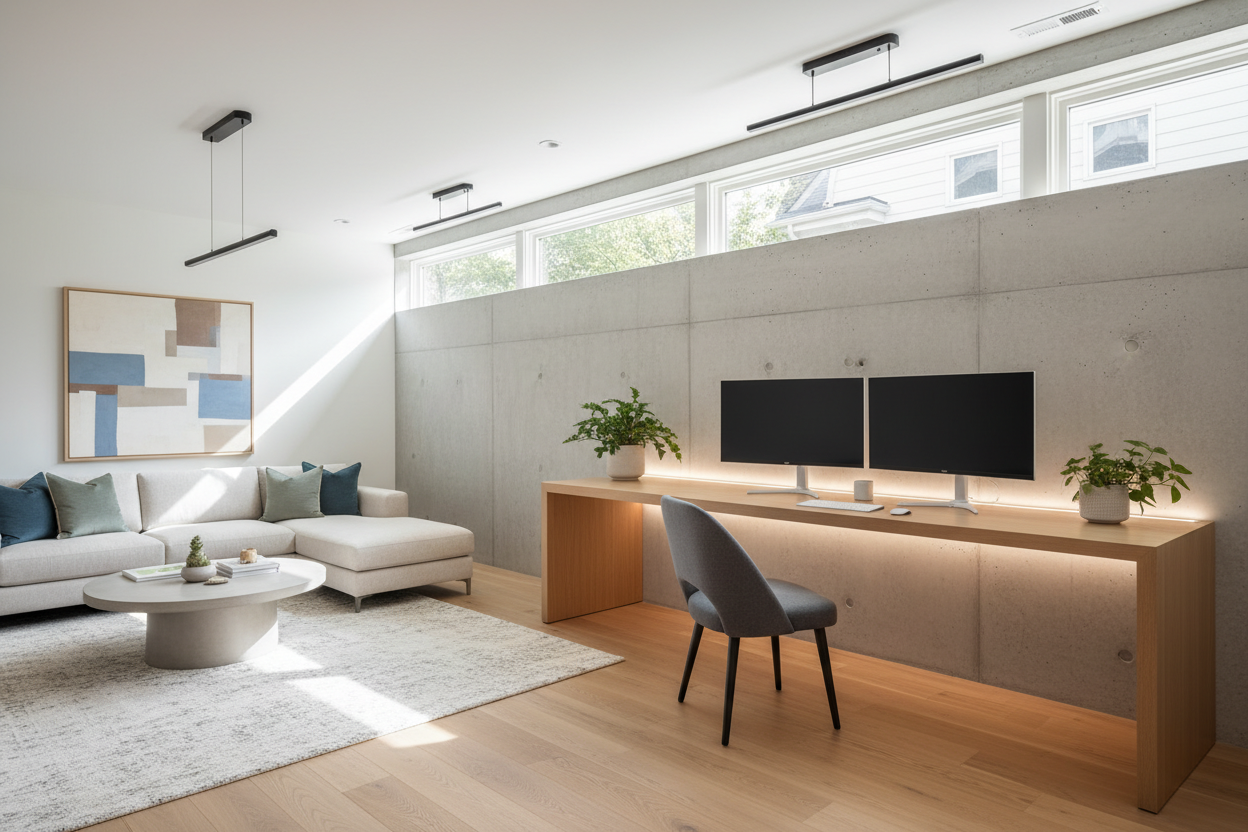
A common error is buying a sofa that is physically too large for the room or visually too heavy. When adding to your collection of furniture a sofa should breathe. There should be at least 18 inches of clearance between the coffee table and the seat, and roughly 30 inches of walking path around the back if it floats in the room.
The Silhouette and Visual Weight
Consider the "legginess" of the piece. If you have a small room, a sofa with exposed legs will allow light to travel underneath, making the room feel larger. Conversely, a skirted sofa or one with a heavy base grounds a large, cavernous room with high ceilings.
Lessons from My Own Projects: The "Puddling" Reality
I want to share a specific experience from a project I worked on in a Tribeca loft. The client fell in love with a Belgian linen sofa filled with 100% down feathers. It looked ethereal in the showroom. However, I failed to stress the maintenance reality enough.
Within three weeks, they called me. The sofa didn't look "chic and relaxed"; it looked messy. The 100% down fill required vigorous fluffing every single time someone stood up, or it looked like a deflated balloon. Furthermore, the linen stretched, creating what we call "puddling" on the seat casing. We ended up having to restuff the cores with a foam insert to give it structure. The lesson? Unless you have a staff to fluff your cushions daily, always opt for a foam core wrapped in down, not pure down. It saves your sanity.
Conclusion
Selecting the perfect sofa is an investment in your daily quality of life. By focusing on the structural integrity—kiln-dried frames and proper suspension—and matching the scale to your room's architecture, you ensure your purchase stands the test of time. Don't just buy a seat; curate a space that invites you to linger.
Frequently Asked Questions
How do I know if a sofa will fit through my door?
Measure the height of the door and the width of the hallway. Most importantly, measure the diagonal depth of the sofa. If the legs can be unscrewed, that often buys you an extra 3 to 4 inches of clearance for tight turns.
What is the difference between a sofa and a settee?
A sofa is generally designed for three or more people and is the primary seating in a living room. Furniture settees are typically smaller, designed for two people, have a more upright back, and are often used in entryways, bedrooms, or as secondary seating.
How often should I rotate my sofa cushions?
To ensure even wear on the fabric and foam, rotate and flip your cushions once a week. If you have a favorite spot where you always sit, this is critical to prevent that specific cushion from compressing faster than the others.

Leave a comment
This site is protected by hCaptcha and the hCaptcha Privacy Policy and Terms of Service apply.