










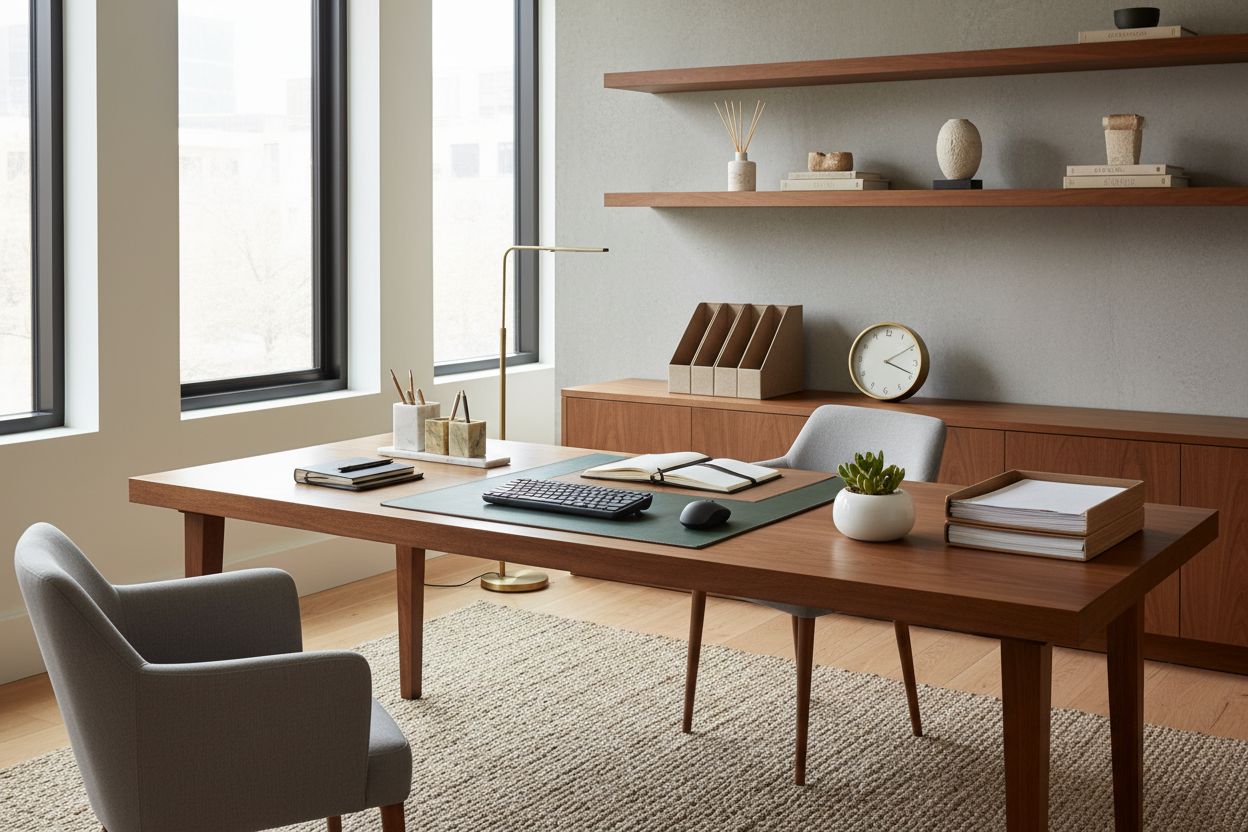
There is a specific tension that exists in modern interior design: the battle between necessary function and visual tranquility. You invest in a sculptural walnut desk and an ergonomic chair with a sleek silhouette, yet the overall aesthetic often crumbles the moment you introduce standard accessories. The challenge lies in selecting home and office supplies that serve your workflow without disrupting the design language of your room.
Key Features to Look For
Before purchasing accessories for your workspace, consider these core elements to ensure longevity and style:
- Material Integrity: Prioritize natural materials like full-grain leather, solid wood, or brushed brass over high-gloss plastics which tend to scratch and yellow.
- Ergonomic Integration: Ensure items like monitor risers or wrist rests align with your body's natural posture.
- Visual Weight: Choose items that balance the scale of your desk; heavy organizers can overwhelm a glass top, while distinct, substantial pieces ground a large wooden table.
- Acoustics: Look for felt or cork-lined trays that dampen the sound of placing down keys or pens.
Elevating the Material Palette
As a designer, I often see clients treat home office supplies as an afterthought, grabbing whatever is available at a big-box store. However, the tactile experience of your tools significantly impacts your daily satisfaction. When selecting a home office supply list, look for textures that develop a patina over time.
Leather and Wood
A leather desk blotter does more than protect the wood underneath; it anchors the space and provides a soft, warm surface for your wrists. Similarly, choosing a wooden letter tray that matches the veneer of your shelving creates a built-in look, rather than a cluttered add-on.
Metals and Stone
For a more industrial or modern chic vibe, introduce office supplies for home use that feature brushed brass, copper, or marble. A weighted marble tape dispenser or a brass pen cup acts as functional sculpture. These materials add necessary weight, preventing items from shifting around while you work.
The Art of Concealment and Display
The hallmark of a luxury workspace is not minimalism, but curated organization. When sourcing office supplies for home office environments, you must distinguish between what needs to be visible and what should be hidden.
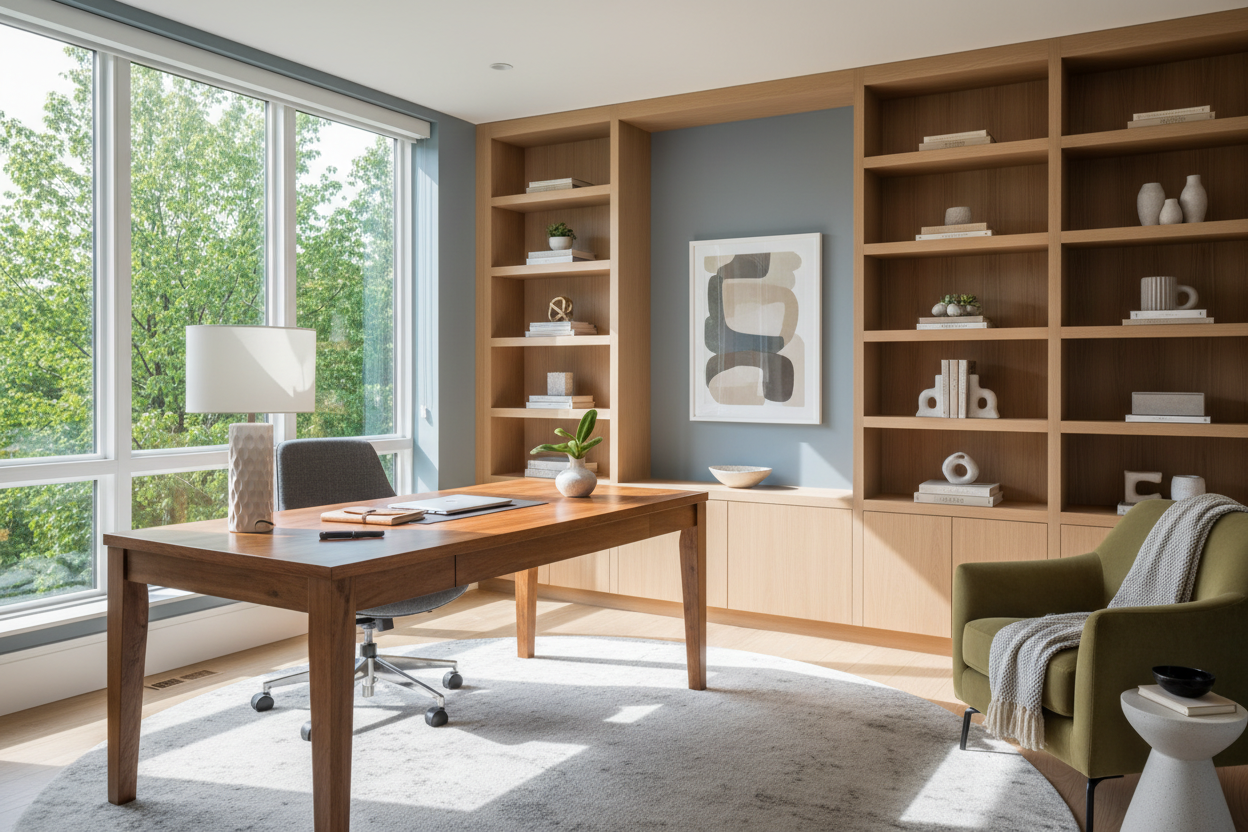
Active files and daily tools should be housed in open, aesthetically pleasing vessels. However, utility items—staplers, backup batteries, printer paper—should be relegated to concealed storage. Use uniform storage boxes with label holders to maintain visual consistency on open shelves. This approach reduces cognitive load, allowing you to focus on the task at hand rather than the clutter.
Lessons from My Own Projects
I learned a hard lesson about finishes early in my career while styling a high-end executive suite in a glass-walled penthouse. We selected a stunning, high-gloss acrylic set for the client's at home office supplies. It looked incredible in the portfolio photos—sleek, modern, and invisible.
However, I visited the client three weeks later, and the reality was disappointing. The static from the acrylic had attracted a layer of dust that was impossible to keep off, and the surface was covered in micro-scratches from simple items like paperclips and keys. It looked cheap and messy.
Since then, I steer clients toward matte finishes, felt, or textured leather. I recently switched my own desk setup to include a wool-felt desk pad. Not only does it hide dust and resist scratches, but the dampening effect it has on the sound of my mechanical keyboard makes the entire room feel quieter and more focused. It’s a sensory detail you don't think about until you experience it.
Conclusion
Your workspace should be a reflection of your professional ambition and your personal style. By carefully curating your accessories and focusing on high-quality materials, you transform mundane tools into design assets. Remember that the best supplies are the ones that make your work feel effortless.
Frequently Asked Questions
How do I color-coordinate supplies with my room decor?
Treat your supplies like accent pillows. If your room is neutral, use your desk accessories to introduce a pop of color, like navy leather or sage green metal. If your room is colorful, stick to neutrals like black, white, or natural wood to prevent visual chaos.
What is the most overlooked item in a home office setup?
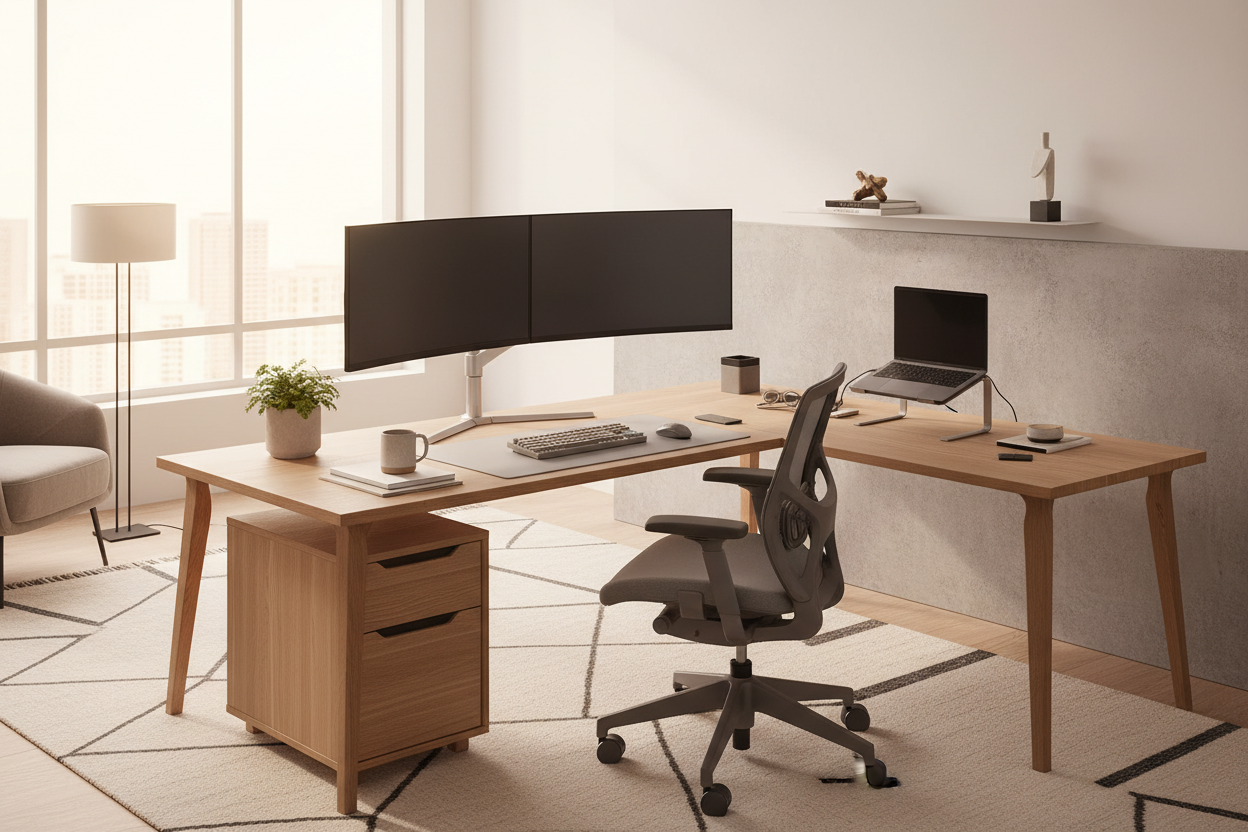
Cable management accessories. Nothing ruins a design faster than tangled wires. Invest in weighted cable organizers or leather cable ties that keep charging cords accessible but tidy.
Are luxury office supplies worth the investment?
For items you touch every day, absolutely. A high-quality pen, a solid desk mat, or a proper lighting fixture improves the tactile reality of your workday and generally lasts years longer than budget alternatives.

Leave a comment
This site is protected by hCaptcha and the hCaptcha Privacy Policy and Terms of Service apply.