










Working from a dining chair or a makeshift corner of the sofa eventually takes a physical and mental toll. The challenge for many homeowners is carving out a professional zone that integrates seamlessly with the rest of the residence, especially within the spatial constraints of urban apartments. This article explores how to execute a **home office design india** context demands: blending strict ergonomics with the aesthetic warmth of our traditional or modern interiors.
Key Features to Look For
- Material Resilience: Prioritize materials like Sheesham or Teak that withstand fluctuating Indian humidity levels better than untreated engineered wood.
- Ergonomic Rating: Ensure chairs offer adjustable lumbar support and seat depth; style should never compromise spinal health.
- Vertical Utility: In compact floor plans, look for desks with overhead hutches or wall-mounted shelving to maximize storage.
- Lighting Temperature: Aim for 4000K (neutral white) for task lighting to reduce eye strain, layered with warmer ambient light.
Navigating Space Planning and Layout
In many Indian homes, a dedicated room for work isn't always available. The secret lies in identifying 'dead zones'—perhaps a wide hallway, the space beneath a staircase, or a corner in the master bedroom. When positioning your desk, always orient the setup to face the room or a window. Facing a blank wall creates a claustrophobic 'cubicle effect' that stifles creativity.
Ensure there is at least 30 to 36 inches of clearance behind your chair. This allows you to slide back comfortably and maintains a visual flow, preventing the furniture from looking crammed into the architecture.
Selecting Materials for the Indian Climate
Material selection goes beyond aesthetics; it is a matter of longevity. High-humidity regions like Mumbai or Chennai can wreak havoc on low-quality particle board, leading to warping or fungal issues over time.
Solid Wood vs. Veneer
Solid hardwoods like Teak, Sheesham (Indian Rosewood), or Acacia are excellent investments. They offer a tactile richness and age beautifully. If you prefer a modern, sleek look using veneers, ensure they are marine-grade to resist moisture. For surfaces, consider matte finishes over high-gloss; dust accumulation is a reality in our cities, and high-gloss surfaces highlight every speck of dust and fingerprint.
Ergonomics and Visual Balance
Your chair is the engine of your workspace. While a heavy, tufted leather chair might look authoritative, it often lacks the breathability required for our warmer seasons. Mesh-back chairs with high-quality fabric seats offer the best compromise between airflow and comfort.
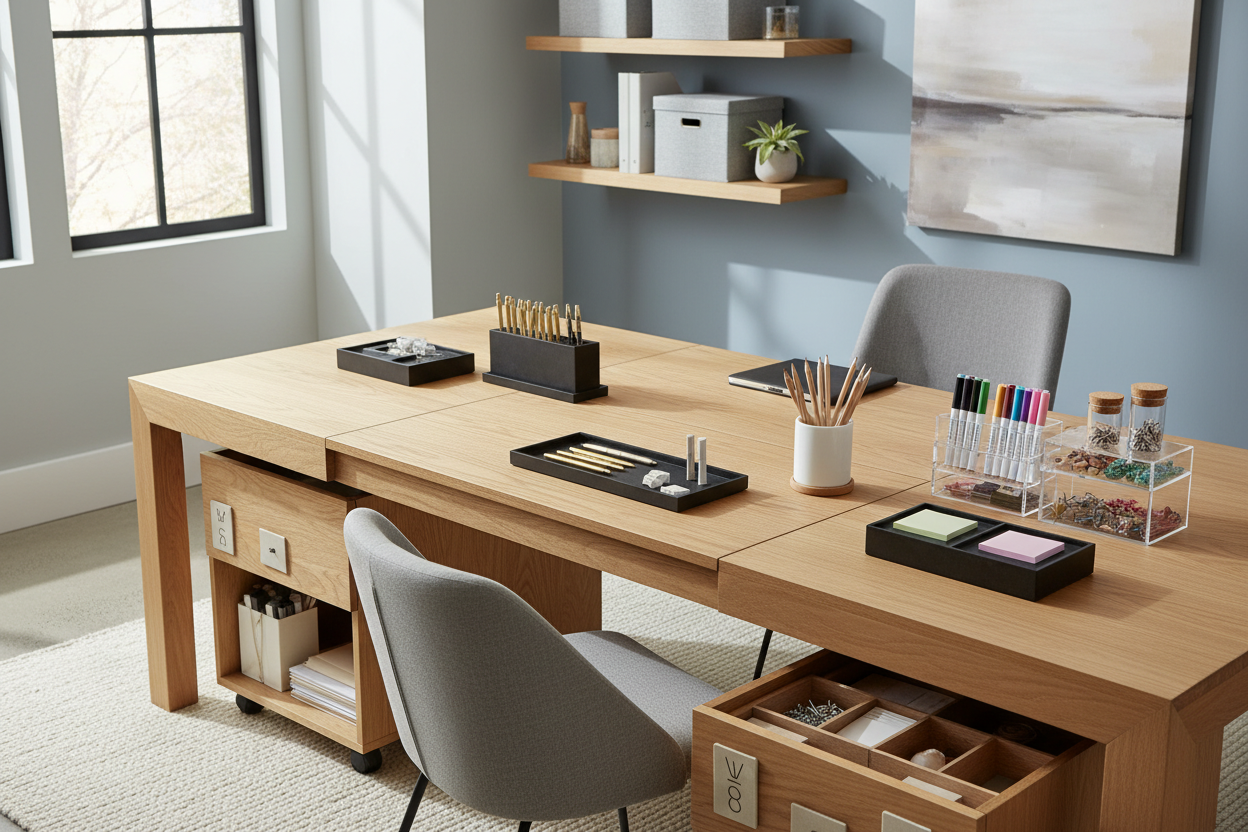
To maintain visual balance, avoid bulky, blocky desks in small rooms. Opt for a silhouette with legs rather than solid panels to keep the floor visible, which tricks the eye into perceiving more space. When exploring home office ideas india has to offer, you will notice a shift toward 'floating' wall-mounted desks that free up floor space entirely.
Lessons from My Own Projects
I learned a hard lesson early in my career while designing a study for a client in a dusty suburb of Delhi. I specified a stunning, dark espresso-finish desk with a glass top. It looked incredible in the portfolio photos. However, three months later, the client called to complain. The glass was constantly cold to the touch in winter, and the dark finish under the glass showed every single smudge and dust particle, requiring cleaning three times a day.
Since then, I steer clients toward mid-tone wood finishes or high-pressure laminates with a subtle texture. I also insist on cable management trays. In my own home office, I use a matte-finish oak desk. It hides the inevitable coffee ring or dust layer if I miss a day of cleaning, and the wood feels warmer and more inviting to rest my arms on during long design sessions.
Conclusion
Curating a workspace is about creating a friction-free environment where focus comes naturally. By investing in climate-appropriate materials and prioritizing ergonomic function over fleeting trends, you build a space that serves you for years. Whether you are remodeling a spare room or upgrading a nook, let functionality dictate the form.
Frequently Asked Questions
What is the ideal desk height for an average user?
The standard desk height is between 28 to 30 inches. However, your elbows should rest at a 90-degree angle when typing. If you are taller or shorter, an adjustable sit-stand desk is the most ergonomic solution.
How do I soundproof my home office in a noisy apartment?
True soundproofing requires construction, but you can dampen sound significantly by adding soft furnishings. Heavy curtains, a thick rug, and upholstered furniture absorb sound waves and reduce echo, making calls clearer.
Can I use a dining chair for my home office?
It is not recommended for full-time work. Dining chairs lack lumbar support, height adjustment, and casters, which forces your body into static postures that cause fatigue and back pain over time.

Leave a comment
This site is protected by hCaptcha and the hCaptcha Privacy Policy and Terms of Service apply.