










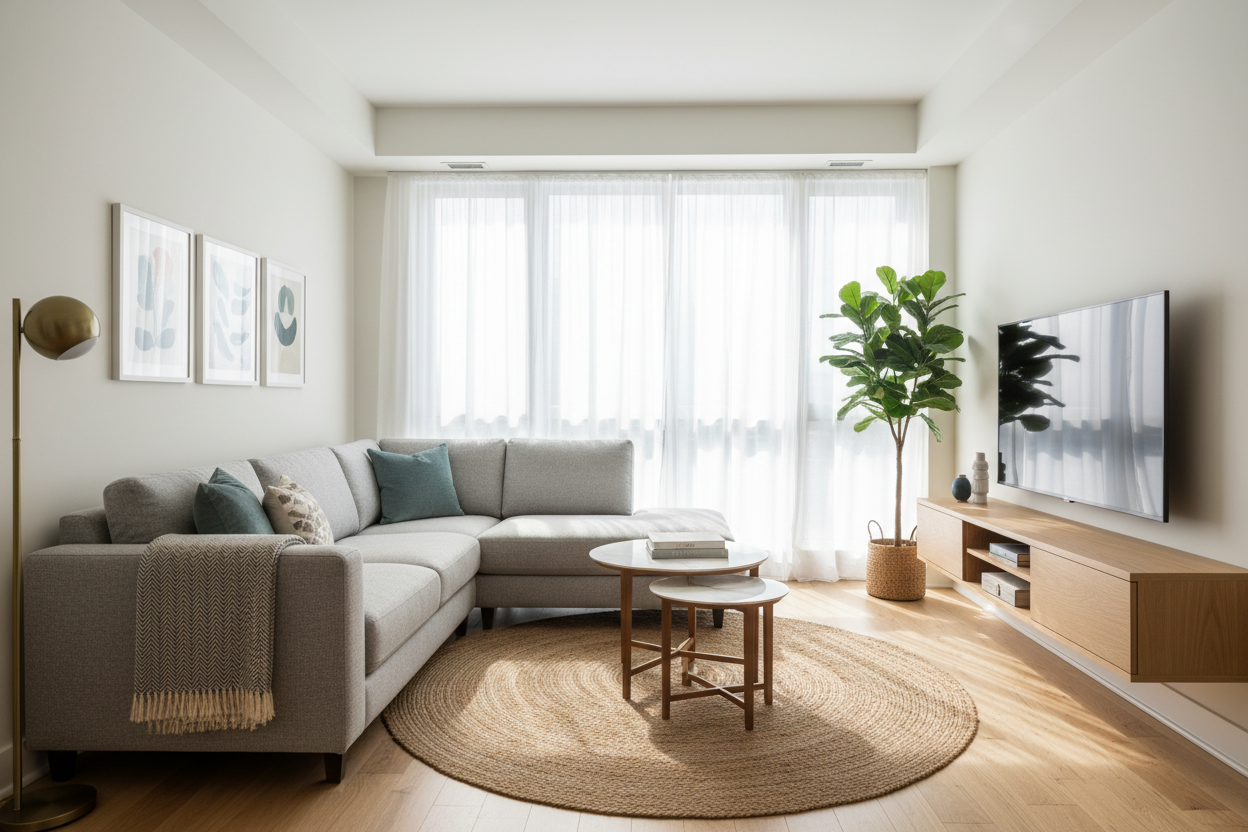
There is a pervasive myth in interior design that limited square footage requires compromising on style or comfort. In reality, a compact footprint is simply an invitation to be more intentional with your curation. The challenge often lies in finding furniture that respects the scale of the architecture without feeling diminutive or temporary. Whether you are furnishing a city studio or a cozy den, selecting the right living room sets for small rooms requires a delicate balance of ergonomics, visual weight, and material integrity.
Key Features to Look For
Before committing to a purchase, review this checklist to ensure the furniture will function effectively within a constrained footprint. These are the non-negotiables for small living room sets:
- Visual Weight: Opt for pieces with exposed legs (stiletto or tapered) rather than skirted bases. Seeing the floor beneath the sofa tricks the eye into perceiving more space.
- Profile Depth: Look for a seat depth between 36 to 38 inches. Anything deeper will encroach on traffic flow; anything shallower compromises lounging comfort.
- Arm Silhouette: Choose track arms or narrow tuxedo arms over rolled arms. A rolled arm can waste up to 10 inches of horizontal space that offers no seating value.
- Modularity: Consider living room furniture sets for small spaces that can be separated. A nesting coffee table or a sectional that splits offers layout flexibility.
Mastering Scale and Proportion
When sourcing a sofa set for small living room layouts, the most common error is selecting furniture that is physically small but visually heavy. A blocky, dark leather loveseat can dominate a room more than a slightly larger, sleek linen sofa raised on legs.
For small apartment living room set configurations, I often recommend a "2+1" arrangement—a streamlined sofa paired with a single, sculptural accent chair—rather than a traditional three-piece suite. This approach, often described as a couch and chair for small living room setup, allows for better circulation paths. You want to maintain a minimum of 30 inches of walking space between furniture pieces to avoid the "furniture showroom" look where items feel crammed together.
Material Selection: Durability Meets Aesthetics
In smaller spaces, furniture sees more wear because you interact with it constantly. There is no "formal living room" to preserve pristine conditions; this is your daily driver. Therefore, modern living room sets for small spaces must be constructed from high-performance materials.
Fabric and Upholstery
Avoid delicate silks or loose-weave linens that snag. Instead, look for tight-weave performance velvets or crypton fabrics. These reflect light beautifully, adding a sense of luxury, while withstanding the friction of daily use. If you are eyeing a living room set for small apartments, check the abrasion rating (Rub Count); anything over 25,000 double rubs is ideal for residential durability.
Wood and Frame Quality
Many small furniture sets marketed for apartments rely on particleboard to keep costs and weight down. However, in a small room, frame creaking is audible and annoying. Invest in kiln-dried hardwood frames. While solid wood surfacing is beautiful, a high-quality wood veneer over a stable plywood core is often more resistant to the warping that can occur in apartments with fluctuating humidity levels.
Strategic Layouts for Flow
Placement is just as critical as the purchase. When arranging living room sets small spaces often demand, resist the urge to push everything against the walls. "Floating" your sofa even three inches off the wall creates a shadow line that suggests depth. Furthermore, utilize vertical space. If your footprint is small, ensure your bookcases or shelving units go high to draw the eye upward, balancing the low profile of small spaces living room set arrangements.
My Personal Take on living room sets for small rooms
In my years of designing high-density urban lofts, I’ve learned a lesson that product descriptions rarely mention: measure the diagonal. I once specified a stunning, Italian-made velvet sofa for a client in a historic walk-up. The sofa’s dimensions fit the room perfectly on the floor plan. However, we failed to account for the tight turn in the stairwell.
We ended up having to hire a specialist hoisting service to bring it in through the window—a costly mistake I never repeated. Now, when I recommend small apartment furniture sets, I look for removable legs or modular backs. Another detail I always check is the "fingerprint factor." In small rooms, light hits furniture from close angles. I avoid high-gloss lacquers on coffee tables because, in a small space, you are always close enough to see every smudge and dust mote. Matte or satin finishes are far more forgiving and maintain that high-end look with less maintenance.
Conclusion
Designing a compact living area doesn't mean you must resign yourself to dormitory-style furniture. By prioritizing clean silhouettes, durable performance fabrics, and intelligent layouts, you can create a space that feels expansive and sophisticated. Remember, the best living room sets for small rooms are the ones that serve your lifestyle while respecting your architecture.
Frequently Asked Questions
Can I use a sectional in a small living room?
Absolutely. A sectional can actually make a small room feel larger because it unifies the seating into one continuous gesture, reducing visual clutter. Look for a "bumper" chaise style which has no back on one side, keeping the sightlines open.
Should I choose light or dark colors for small spaces?
While the old rule suggests light colors expand space, a dark, monochromatic living room set for small living room designs can blur the edges of the room, creating a cozy, "jewel-box" effect. The key is contrast; if you go dark with furniture, ensure your lighting is layered and warm.
What size rug should I use with a small furniture set?
Avoid postage-stamp rugs. A rug that is too small chops up the floor plan and makes the room look disjointed. Choose a rug large enough that at least the front legs of all your seating pieces sit on it. This anchors the zone and creates a sense of grandeur.

Leave a comment
This site is protected by hCaptcha and the hCaptcha Privacy Policy and Terms of Service apply.