










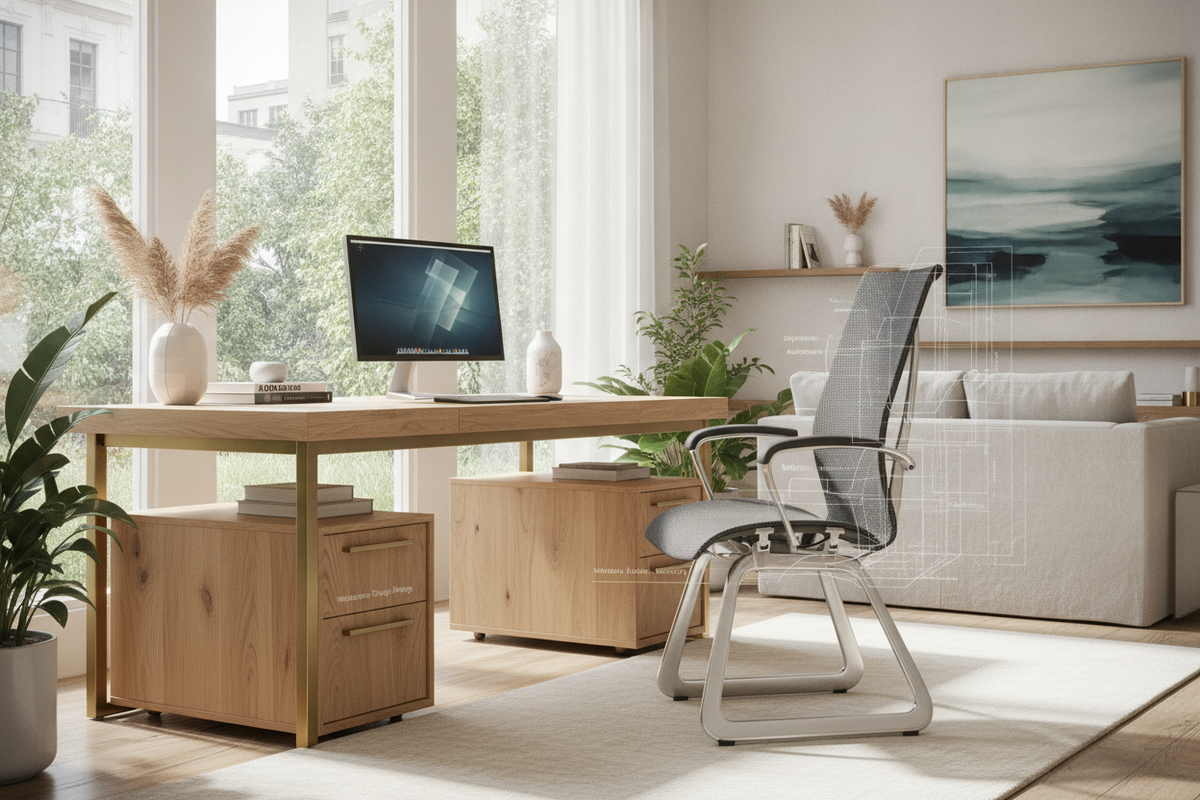
A dedicated workstation requires more than an isolated seat; it demands a cohesive balance between ergonomic mechanics, room proportions, and adjacent storage architecture. Selecting the right desk chair for home office layouts involves analyzing physical posture requirements alongside spatial flow. When seating seamlessly interacts with work surfaces, filing cabinets, and ambient room traffic, productivity and daily comfort increase naturally.
Ergonomic Archetypes for Home Office Seating
Seating designs fall into distinct functional archetypes, each structured around specific work habits, daily usage durations, and aesthetic profiles. Navigating these categories helps narrow down the optimal fit for your room layout and daily routine.
- High-Back Executive Chairs: Featuring integrated headrests and full-height lumbar structures, these designs offer continuous upper-back support. They present an expansive visual presence, making them suitable for dedicated, spacious home offices.
- Mid-Back Task Chairs: Engineered for agility and compact footprints, mid-back models encourage dynamic movement. They tuck neatly beneath desks when not in use, preserving sightlines in multi-use rooms.
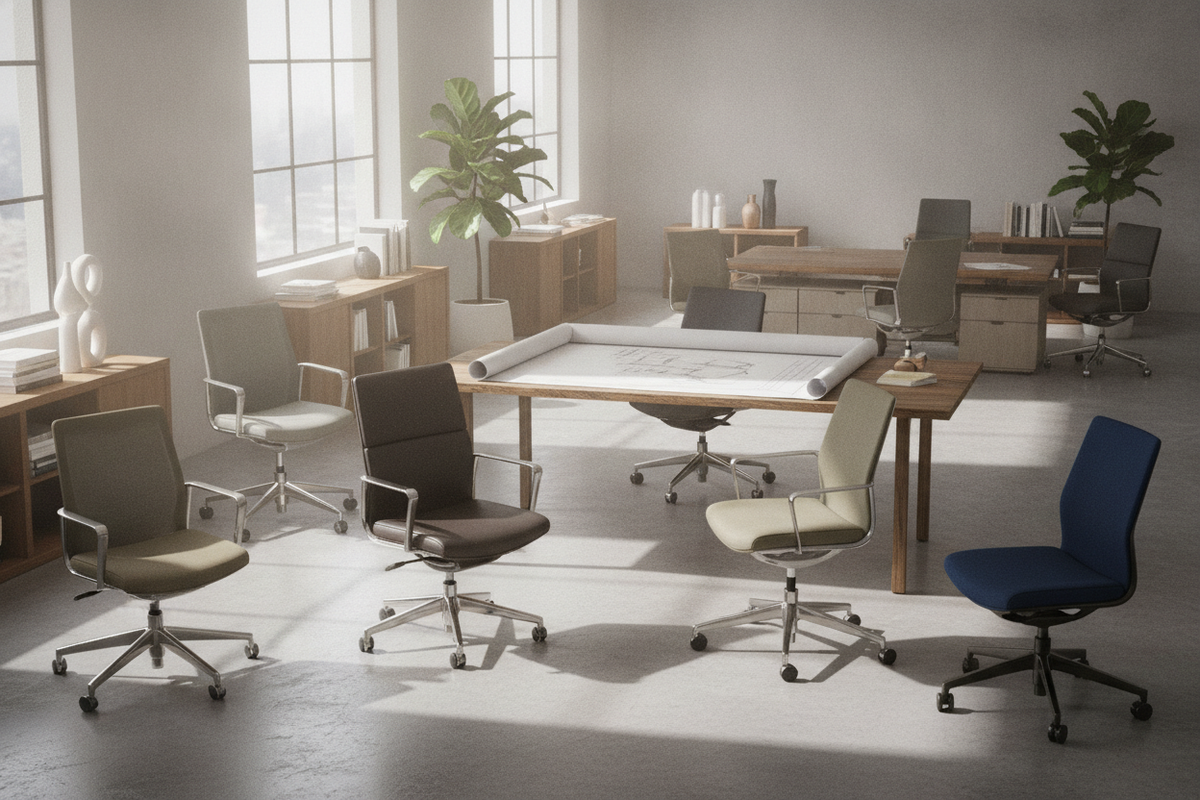
- Design-Forward Upholstered Chairs: Blending residential warmth with task functionality, these chairs incorporate tailored fabrics, channeled tufting, or sculpted wood accents while retaining basic swivel and height adjustments.
When assessing adjustments, prioritize smooth pneumatic height control to align your forearms parallel to the working surface. Tilt tension controls allow the backrest to provide responsive resistance during upright tasking or relaxed contemplation. When matching functional silhouettes with residential decor, reviewing an office desk chair guide offers valuable perspective on balancing utility with visual charm.
Spatial Geometry: Clearance, Knee-Wells, and Storage Reach Zones
Proper chair selection requires measuring the negative space beneath and around your desk. Overlooking physical clearances often leads to scuffed armrests, restricted legroom, and hindered daily movement.
First, consider the knee-well opening. Ensure adequate horizontal width and vertical clearance between the chair seat, your thighs, and the underside of the desk apron or center drawer. Armrests should slide smoothly beneath the desk surface when the chair is pushed in, preserving open walkways in smaller rooms.
Second, account for the swivel and roll radius. A standard five-star base needs ample clearance to rotate freely without striking adjacent furniture. Pairing a dynamic swivel chair with a dedicated corner layout like a office desk product allows you to rotate between primary monitors and secondary writing zones without shifting the entire base.
Finally, evaluate the floor surface. Hardwood and laminate benefit from soft polyurethane casters to prevent surface marking, while dense low-pile office rugs provide steady traction for standard nylon wheels.
Material Builds: Upholstery, Cushioning, and Frame Construction
The materials covering and supporting a home office furniture chair dictate its breathability, maintenance demands, and visual integration with surrounding furnishings.
- Breathable Mesh: High-tension mesh backings promote continuous airflow, making them practical for warm climates and long workdays. Their streamlined look complements modern, minimalist desks.
- Faux Leather and PU Upholstery: Offering sleek textures and straightforward wipe-clean maintenance, synthetic leathers introduce a refined executive presence into classic or industrial study spaces.
- Woven Fabric and Velvet: Soft textiles bring tactile warmth to mixed-use areas, such as guest rooms or living room nooks, helping the desk zone blend into surrounding home decor.
Underneath the fabric, multi-density molded foam cushions provide enduring support without premature sagging. Structural frames manufactured from reinforced nylon or cast metal ensure dependable base stability. To achieve high-end residential cohesion with premium textiles, consult our office desk chair guide for inspiring design combinations.
Coordinating Your Home Office Furniture Chair with Storage Workstations
A functional workstation unites comfortable seating with immediate access to supplies, reference books, and files. The relationship between your chair and surrounding cabinetry determines overall task efficiency.
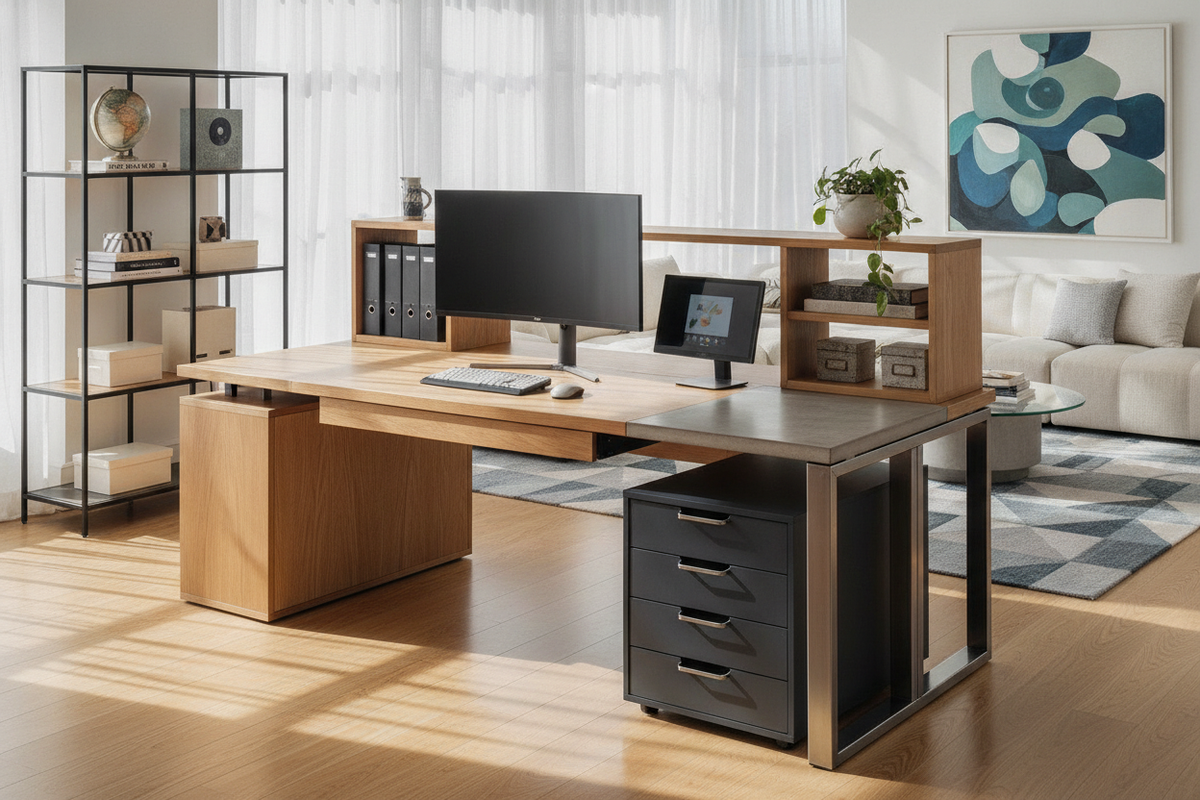
When planning your layout, avoid positioning deep mobile chairs directly against narrow pathways between filing units. Creating an organized workstation often involves pairing a compact task chair with a office desk product, ensuring drawers can fully extend without colliding with chair casters or base legs.
For expansive commercial or executive configurations, pairing high-back seating with a desk office product establishes a commanding workstation with ample perimeter space for guest seating and built-in credenzas. Match metallic hardware across drawer pulls, desk legs, and chair caster hoods to create a polished, unified interior.
Maintenance, Assembly, and Longevity Checklist
Regular upkeep preserves both the mechanical operation and upholstery condition of chairs for home office desk setups over years of daily service.
- Fastener Integrity: Periodically inspect and tighten screws under the seat pan, armrest brackets, and backrest mounting plate to eliminate wobbles.
- Caster Cleanliness: Turn the base over periodically to clear hair, threads, and carpet lint from the caster axles, maintaining effortless gliding.
- Fabric Care: Vacuum fabric seats with a soft brush attachment; wipe synthetic leathers with a damp cloth and mild soap solution, avoiding harsh abrasive cleaners.
- Cylinder Check: Keep the central pneumatic lift shaft clean and free from accumulated dust to maintain smooth height adjustments.
By coordinating ergonomic adjustments, clearance dimensions, tactile materials, and storage proximity, your desk chair becomes a natural anchor for focused, comfortable daily productivity.

Leave a comment
This site is protected by hCaptcha and the hCaptcha Privacy Policy and Terms of Service apply.