










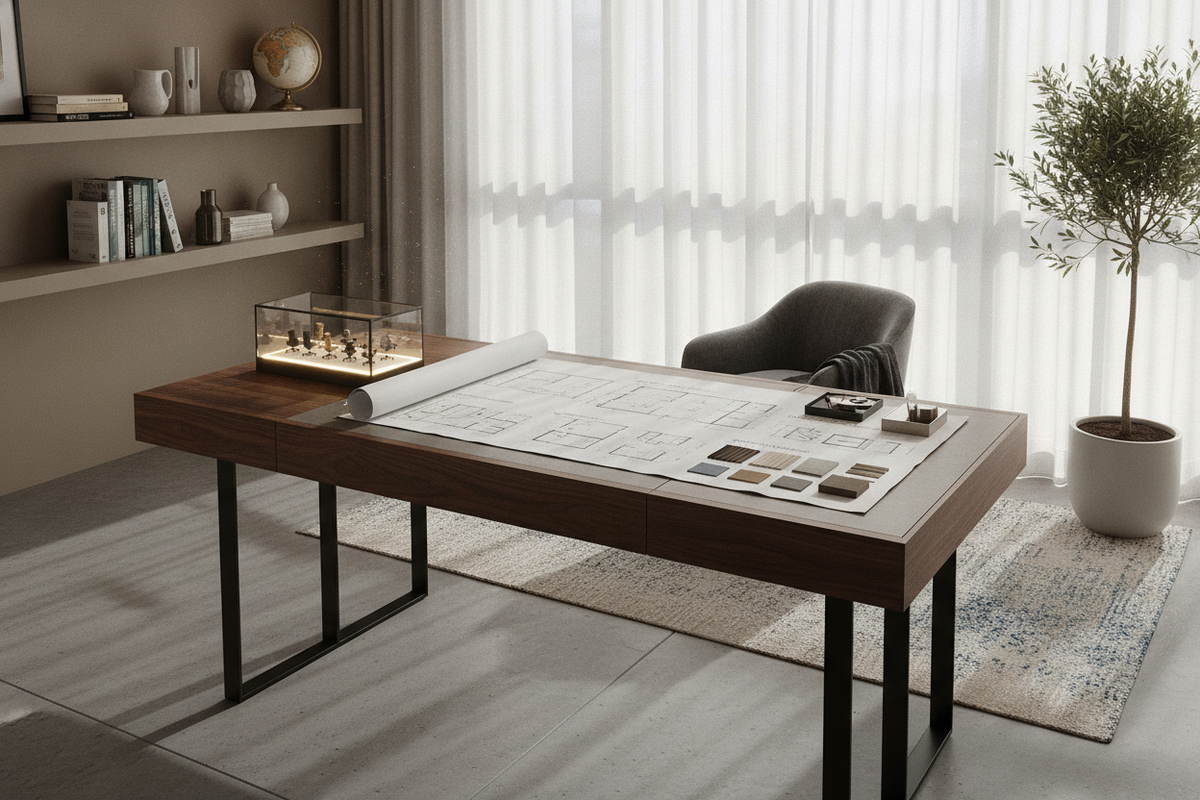
Workstation Archetypes: Classifying Desktop and Study Table Formats
Configuring a productive home learning or remote work setup begins with identifying the primary task profile of the furniture. Modern workstations span specialized desktop computer hubs, compact writing desks, and heritage-inspired cabinetry, each addressing distinct spatial and ergonomic demands.
Dedicated Desktop Computer Stations vs. Writing Tables
A desktop computer station requires dedicated surface depth and chassis accommodation for monitor stands, computer towers, peripheral trays, and cable routing grommets. In contrast, a streamlined reading table or writing surface emphasizes an uncluttered, open desktop for analog notebooks, reference binders, and tablet sketching. Choosing a desktop and study table that bridges both computing and handwriting requires intentional zoning, ensuring peripheral equipment does not encroach upon physical writing areas.
Traditional and Regional Craft Archetypes
Beyond contemporary minimalist desks, regional craft styles offer distinct functional profiles. An indian style study table, for instance, frequently features deep timber construction, ornate paneling, integrated pigeonhole organizers, and framed book ledges. These traditional formats prioritize longevity and integrated compartments, making them an enduring centerpiece in multi-generational homes and dedicated study libraries.
Spatial Footprints and Dimensional Categories for Study Environments
Proper spatial planning ensures that a room table for study fits comfortably without restricting pedestrian pathways, closet access, or natural window light.
Compact Footprints for Multi-Use Bedrooms
When incorporating a study nook into a shared guest room or secondary bedroom, footprint efficiency is essential. Compact writing tables with shallow surface depths maximize usable perimeter space along walls. Placing a desk near natural side lighting while preserving clearance for opening wardrobe doors ensures the workstation remains functional without overwhelming a smaller room layout.
Mid-Size to Extended Formats for Dedicated Workspaces
Dedicated home offices can accommodate wider, deeper desks capable of supporting dual displays, reference materials, and ancillary office hardware. Planning an extended workstation requires accounting for adequate chair roll-back space behind the desktop, alongside clear perimeter margins for smooth foot traffic across the room.
Storage Architecture: Integrating Drawers, Hutches, and Shelving
Organizing study materials prevents visual clutter from accumulating on prime work surfaces. The integration of under-desk pedestals, open cubbies, and vertical hutches determines how easily reference supplies can be accessed during daily focus sessions.
Under-Desk Pedestals and Knee Clearance Trade-offs
Under-desk file drawers and utility pedestals offer convenient access to stationery, notebooks, and hardware accessories. However, placing storage towers directly under the desktop can restrict knee clearance and limit lateral leg movement. For secondary storage needs, exploring versatile open shelving and multi-functional storage units adjacent to the desk can keep the primary knee well completely open for comfortable sitting.
Vertical Hutches and Overhead Bookcase Extensions
When floor area is constrained, building upward preserves vital square footage. Desks equipped with overhead hutches or paired with adjustable shelf storage systems create accessible vertical compartments for textbooks, reference files, and task lamps, keeping the main desktop clear for daily assignments.
Material Selection, Structural Stability, and Surface Finishes
The materials comprising a study workstation dictate its structural rigidity, scratch resistance, weight profile, and maintenance routine over years of regular use.
Solid Hardwoods and Natural Timber Grain
Opting for a solid wooden study table and chair online delivers substantial structural density, classic joinery, and organic grain patterns that develop character over time. Natural timber creates an inviting study environment; reviewing a detailed guide on styling natural wooden furniture offers helpful context on maintaining timber surfaces and balancing organic textures within a room palette.
Engineered Wood, Melamine, and Steel Framing
Workstations built from high-density engineered wood boards, laminated surfaces, and powder-coated steel frameworks provide excellent resistance against surface scratches, warping, and moisture rings. Steel leg assemblies provide rigid stability with minimal visual bulk, making engineered hybrid desks a durable choice for active family study corners.
Ergonomic Alignment, Adjustability, and Seating Coordination
Sustained focus depends heavily on ergonomic harmony between desk height, seat elevation, and body posture.
Height-Adjustable and Dynamic Surface Mechanisms
Investing in an adjustable study table online allows users to toggle between seated and standing work modes or tailor the desktop height to multiple family members. Dynamic surface frames support healthier posture habits by encouraging gentle physical movement throughout extended work or study blocks.
Pairing Tables with Ergonomic Task and Study Chairs
A high-quality study table must be paired with appropriate seating to support healthy spinal alignment. Ensuring the desk apron or keyboard drawer clears adjustable chair armrests prevents awkward seating angles. Consulting a designer desk chair shopping guide helps clarify how seat pan depth, lumbar contours, and tilt tension integrate smoothly with standard desk clearances.
Online Shopping Blueprint and Value Tier Evaluation
Navigating online furniture catalogs requires evaluating structural specifications and hardware quality to make a sound, long-term investment.
Deconstructing Value Tiers and Cost Factors
Reviewing a broad study table price list reveals key cost drivers across different tiers. Entry-level models frequently feature lightweight hollow-core panels and basic fasteners, whereas mid-tier and premium offerings incorporate ball-bearing drawer slides, reinforced steel braces, and dense solid wood or high-pressure laminate finishes that resist daily wear.
Flat-Pack Assembly and Structural Quality Audits
When undertaking reading table online shopping, preparing for flat-pack assembly is crucial for structural longevity. Organizing hardware components, verifying dowel and cam-lock alignment, and systematically tightening fasteners after squaring the frame ensures a wobble-free, dependable workstation ready for years of productive study.


Leave a comment
This site is protected by hCaptcha and the hCaptcha Privacy Policy and Terms of Service apply.