










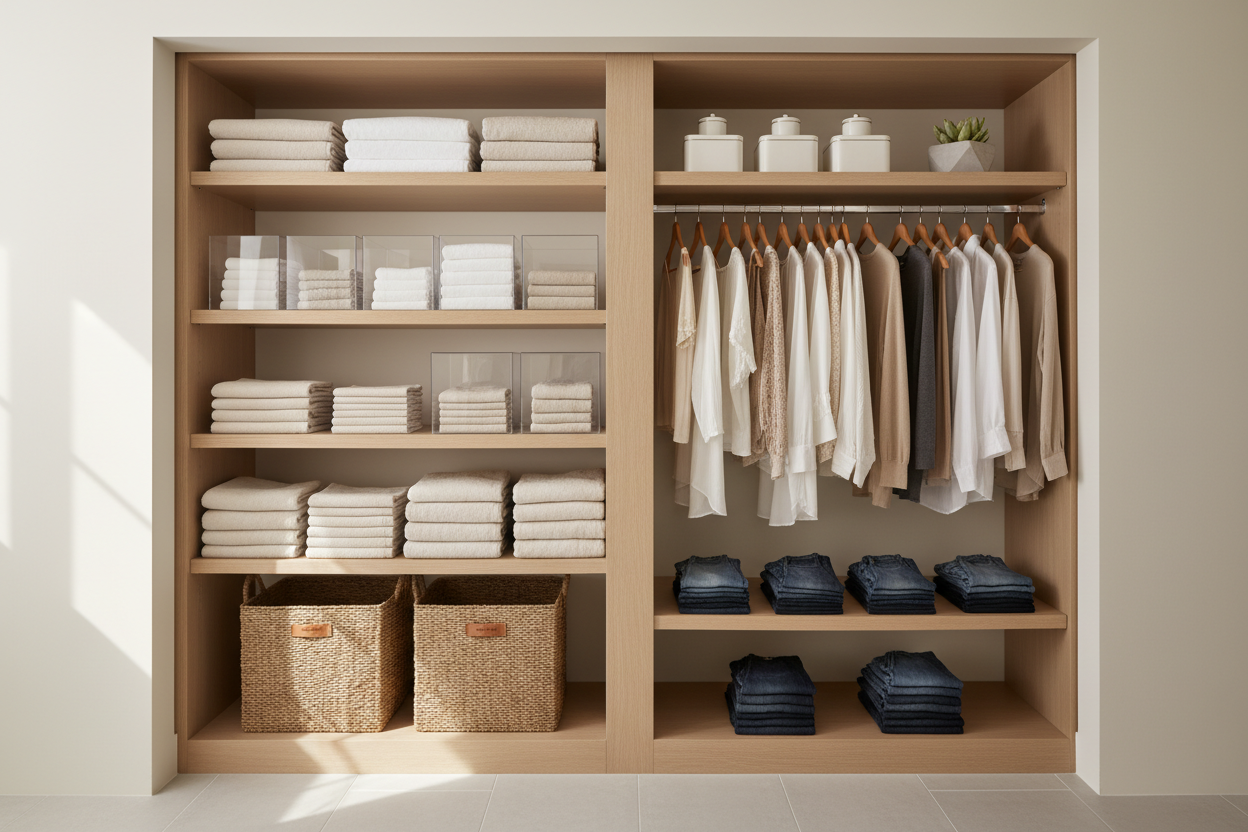
Bi-fold doors are often the bane of a narrow corridor. They pinch fingers, derail from their tracks, and block traffic whenever someone tries to grab a coat. Removing them to create an open hallway closet isn't just about fixing a mechanical annoyance; it is a design choice that can make a cramped entryway feel significantly larger and more functional. By exposing the storage space, you force a level of organization that prevents the “shove it and forget it” mentality, turning a dark catch-all into a stylish mudroom nook.
The concept is simple: take the doors off, upgrade the interior aesthetics, and curate what remains visible. However, executing this requires a shift in how you view storage. An open hall closet is no longer just a utility space; it becomes part of your home's decor. If done correctly, it adds character and depth. If done poorly, it looks like you just forgot to put the doors back on. The difference lies in the details of the finish work and the uniformity of your storage containers.
My Transition to Doorless Storage
I learned the value of this project the hard way in my first apartment. The entry hall was barely three feet wide, and the coat closet had these heavy, louvred wooden doors that swung outward. Every time I needed a jacket, I essentially barricaded the front door. It made leaving the house a clumsy dance of shuffling sideways.
One Saturday, out of sheer frustration, I unscrewed the hinges and hauled the doors to the basement. The immediate difference in light and flow was shocking. Suddenly, the hallway felt two feet wider. But I was also staring at scuffed drywall, a mismatched collection of plastic hangers, and a vacuum cleaner hose unraveling on the floor. That weekend turned into a full-scale renovation of a four-by-two-foot space. I patched the hinge holes, painted the interior a deep charcoal to make the white trim pop, and realized that an open setup demands discipline. You can't hide the mess anymore, so the storage solutions you choose have to be beautiful.
Preparing the “Naked” Space
Converting a standard closet starts with demolition and repair. Once the doors and tracks are gone, you will likely be left with unsightly gaps in the flooring and holes in the door jamb. Fill the hinge divots with wood filler and sand them flush. If the floor inside the closet doesn't match the hallway—common in older homes where carpets were replaced without opening the closet—you might need to install a threshold or extend the flooring.
Visual impact is critical here. Because the back wall is now visible from the main living area, treat it like an accent wall. Beadboard paneling or a bold, patterned wallpaper can turn a utilitarian recess into a design feature. If you prefer paint, choose a color that contrasts with the hallway walls. A dark interior creates a shadow box effect, making the items inside recede visually, which helps the space look less cluttered.
Functional Layouts for Open Storage
The standard single rod and shelf configuration rarely works well for an open hall closet. A single rod usually sits too high to be aesthetically pleasing when exposed, and hanging coats sideways takes up significant visual depth. A better approach often involves a combination of hooks and benches.
The Mudroom Bench Approach
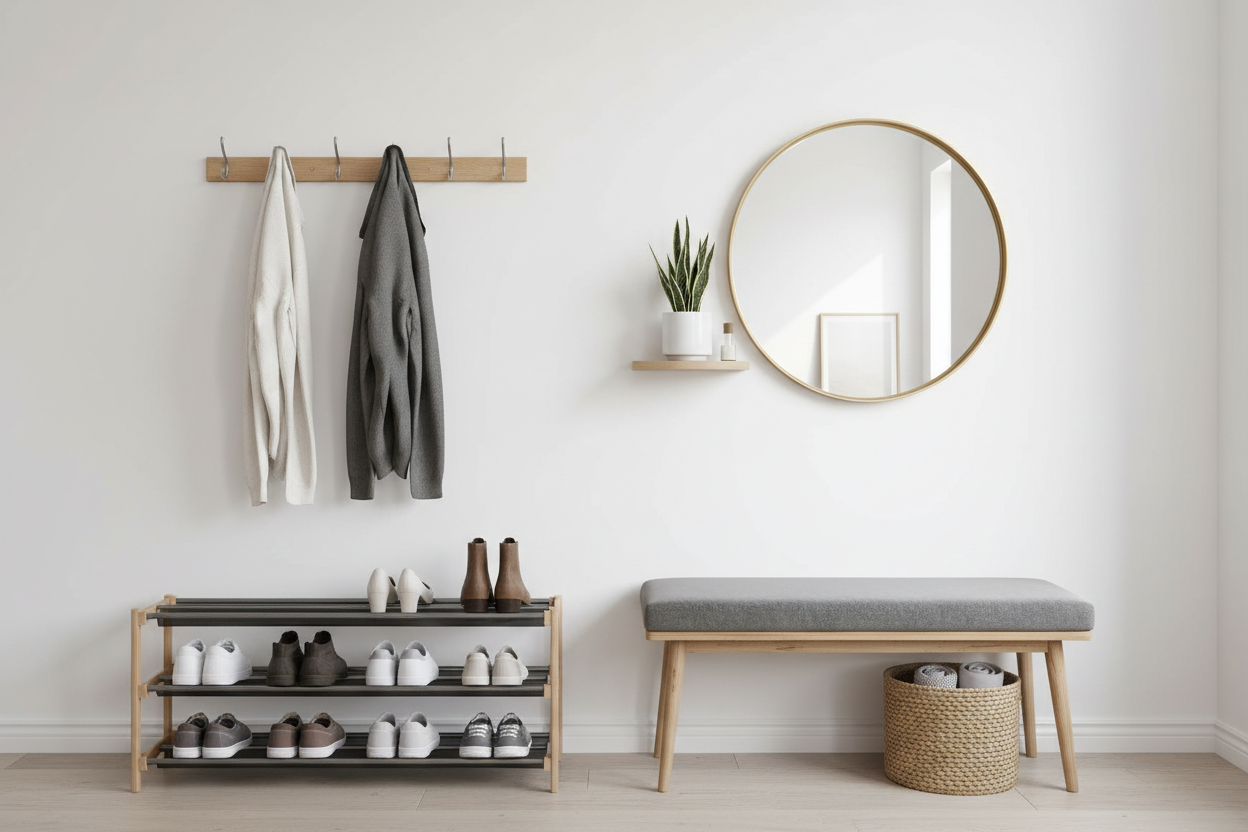
If you have the vertical space, removing the lower half of the closet contents to install a built-in bench creates a dedicated spot to put on shoes. You can use the space underneath the bench for shoe baskets. Above the bench, install a row of heavy-duty double hooks. This setup is superior for narrow hallways because coats hang flat against the wall rather than protruding out into the walking path.
Shelving Strategy
Overhead storage remains necessary for items you don't use daily. Replace the builder-grade wire shelving with solid wood planks. Solid shelves look more like furniture and less like a utility room. Ensure the wood is stained or painted to match the rest of the trim. If you stick with the single rod design, upgrade the rod itself. A wooden dowel or a matte black metal pipe looks infinitely better than the standard white scratched metal tube.
The Art of Curated Clutter
The success of an open hallway closet hinges on uniformity. When you remove the door, you lose the luxury of mismatched storage. Visual noise creates stress, so you need to standardize your hangers and bins.
If you keep a hanging rod, switch every single hanger to the same type. Wooden hangers or sleek velvet ones provide a cohesive look that signals “intentional design” rather than “laaundry day.” Coats should be organized by length or color. It sounds tedious, but it makes the difference between a display and a mess.
For the items that are necessary but ugly—winter gloves, dog leashes, cleaning supplies—opaque baskets are your best friend. Woven seagrass, felt, or canvas bins hide the contents completely. Avoid wire baskets or clear plastic bins in an open closet; seeing the jumble of items inside defeats the purpose of organizing. Label the bins with small tags so family members know exactly where the scarves go, preventing them from dumping items on the bench.
Lighting the Nook
Closets are notoriously dark, which is fine when they have doors, but an open nook needs illumination to look inviting. If there is existing wiring, swap the bare bulb for a flush-mount fixture that complements your hallway hardware. If there is no wiring, install a battery-operated motion-sensor puck light or a rechargeable LED strip under the top shelf. Good lighting highlights the wallpaper or paint color you chose and prevents the corner from looking like a black hole.
Maintaining the Look
Living with an open hall closet requires a slight behavior modification. You cannot treat it as a long-term storage unit for things you rarely use. Off-season coats need to move to a bedroom closet or attic. The vacuum cleaner might need a new home, or at least a designated corner where it isn't the focal point.
Periodically edit the contents. If a jacket hasn't been worn in two months, move it out. Keep the floor space as clear as possible. Shoes should always go in baskets or on a designated rack, never in a pile. The beauty of the open concept is that it forces you to deal with clutter immediately rather than hiding it, leading to a generally tidier home environment.
FAQ
Does removing closet doors devalue a home?
Generally, no, as long as the frame is finished attractively and the conversion looks intentional, like a mudroom nook. However, you should keep the original doors and hardware in the attic or garage so a future buyer can reinstall them if they prefer closed storage.
How do I hide the vacuum cleaner in an open closet?
If you cannot relocate the vacuum, try creating a designated vertical partition on one side of the closet using a tall piece of plywood or shelving. Alternatively, you can hang a heavy curtain on a tension rod across just the bottom portion of the closet to conceal bulky items while leaving the top open for coats.
What is the best depth for a bench in a standard closet?
A standard reach-in closet is usually about 24 inches deep, which is plenty of room for a bench. A comfortable bench depth is between 15 and 18 inches. This leaves space behind the bench for a backrest or wainscoting, and ensures the seat doesn't protrude past the closet frame into the hallway.

Leave a comment
This site is protected by hCaptcha and the hCaptcha Privacy Policy and Terms of Service apply.