










Finding the equilibrium between genuine comfort and spatial efficiency is perhaps the most frequent challenge I encounter in urban residential projects. Clients often crave the relaxation of a recliner but fear the visual bulk will overwhelm their limited square footage. This is where the specific dimensions of a 60 reclining loveseat become a designer's secret weapon. It offers the utility of a full-sized sofa without the sprawling footprint, making it ideal for dens, apartments, or secondary seating areas.
Quick Decision Guide: Key Features to Look For
- Wall Clearance: Look for "wall-hugger" mechanisms that require only 3-5 inches of back clearance to fully recline.
- Frame Construction: Prioritize kiln-dried hardwood frames over particleboard for longevity and warp resistance.
- Upholstery Performance: In high-traffic zones, opt for high rub-count polyester blends or top-grain leather; avoid delicate linens.
- Seat Density: A density of 1.8 to 2.0 lbs in foam cushions ensures the seat won't crater after a year of use.
- Mechanism Type: Power recliners offer infinite positions but require a floor outlet; manual levers are cord-free but offer limited angles.
Mastering Space Planning and Layout
When working with a 60" reclining loveseat, precise measurement is non-negotiable. In design terms, we look at the "active footprint." A static loveseat takes up 60 inches by roughly 36 inches deep. However, once engaged, that depth can expand to 65 inches or more.
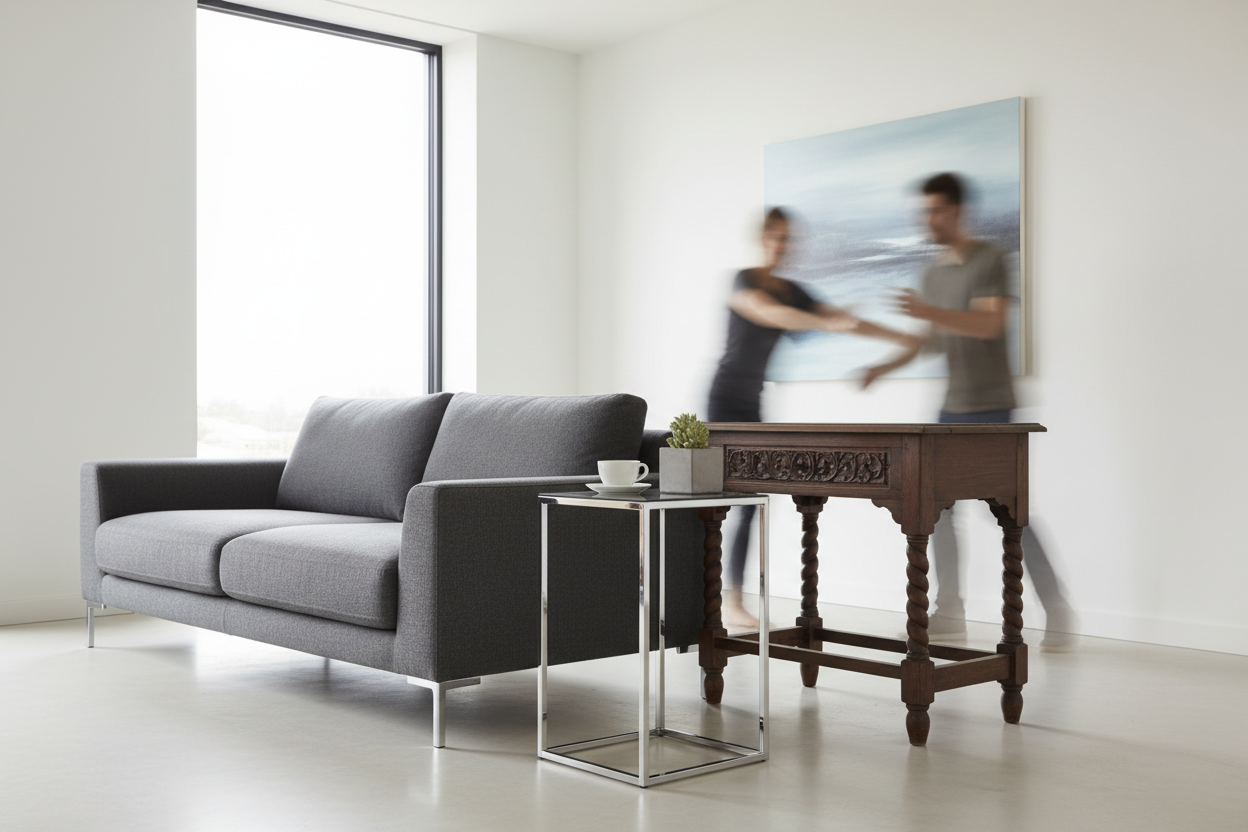
To maintain proper traffic flow, you must ensure there is still at least 18 to 24 inches of clearance around the footrest when it is fully extended. If you place a coffee table in front of it, consider a nesting table or a lightweight ottoman that can be easily moved aside. Visually, avoid pairing this piece with heavy, blocky side tables. Instead, use tables with open metal legs or glass tops to allow light to pass through, reducing the visual weight of the room.
Choosing the Right Material for Longevity
The upholstery you choose dictates not just the aesthetic, but the lifespan of the piece. For a 60 reclining loveseat, the mechanism creates internal friction that static furniture doesn't endure.
Leather vs. Fabric
Top-grain leather is excellent for durability and develops a patina over time, but be aware of "puddling"—where the leather stretches on the seat after repeated use. This is natural but can look messy to some eyes. If you prefer fabric, seek out tight weaves. Loose weaves (like heavy tweeds) can snag on the reclining mechanism's moving parts underneath the chassis.
Visual Balance and Silhouette
Recliners have a reputation for looking like overstuffed marshmallows. To keep your design sophisticated, look for a "high-leg" recliner style where the mechanism is hidden, and the piece sits on visible wooden or metal legs. This negative space underneath creates an illusion of airiness, making the 60-inch width feel less imposing in a compact room. Avoid over-padded arms; track arms are sleeker and save valuable inches, maximizing the actual seating width within that 60-inch constraint.
Lessons from My Own Projects
I want to share a specific realization I had while installing a 60" reclining loveseat in a client's downtown condo last year. On paper, everything fit perfectly. We bought a manual reclining unit to avoid trailing cords across the floor.
However, I overlooked the physicality of the manual lever. The client, who was petite, actually struggled to snap the footrest back into the locked position because it required a strong kick with the heels. Furthermore, the "clunk" sound of the mechanism closing echoed in the small room with hardwood floors.
Another unpolished detail people rarely mention: check the gap between the seat and the arm. In that same project, we realized that specific model had a wide gap where remotes and phones constantly slipped down into the mechanical abyss. Since then, I always conduct a "phone drop test" and check the heel-kick resistance on manual models before recommending them.
Conclusion
Integrating a reclining loveseat into your home doesn't mean sacrificing style for comfort. By focusing on wall-hugging engineering, sleek silhouettes, and durable textiles, you can curate a space that feels open and inviting. Measure your active footprint, check your clearance, and enjoy the upgrade.
Frequently Asked Questions
How wide is a standard doorway needed for a 60 reclining loveseat?
Most reclining loveseats have removable backs. If the backs come off, you can usually fit the base through a standard 30-inch to 32-inch doorway. If the frame is solid, you may need a width of 36 inches or more to maneuver it.
Can I place a rug under a reclining loveseat?
Yes, but ensure the rug extends fully under the metal chassis. If the front metal bar of the mechanism sits half-on, half-off the rug, it can cause the frame to twist slightly over time or scratch the floor when the weight shifts.
What is the difference between a wall-hugger and a standard recliner?
A standard recliner leans back, requiring 10-14 inches of wall clearance. A wall-hugger tracks forward on a rail system as it reclines, requiring only 3-5 inches of space behind it, making it essential for smaller rooms.

Leave a comment
This site is protected by hCaptcha and the hCaptcha Privacy Policy and Terms of Service apply.