










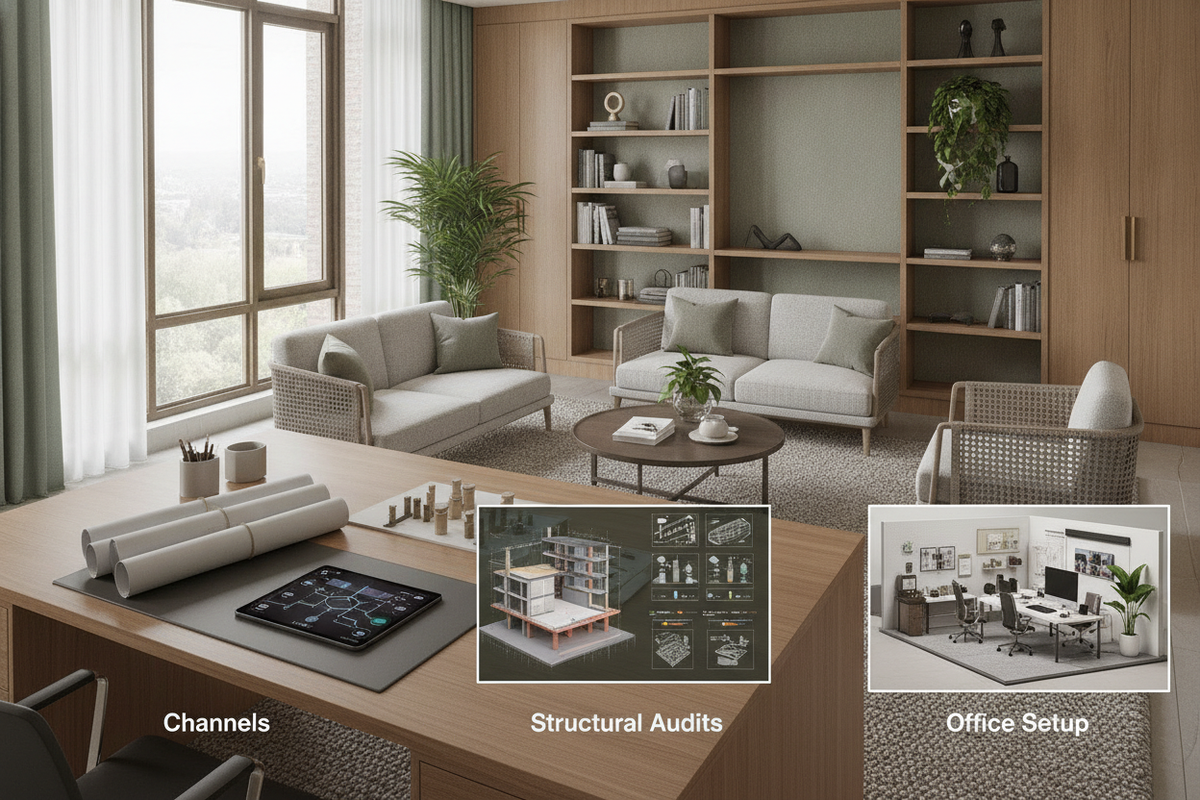
Securing a functional workstation without straining your budget is a practical objective for remote workers, students, and home organizers alike. Finding a quality desk for free involves understanding community exchange dynamics, knowing where to look, and carefully inspecting second-hand furniture before bringing it into your living space. While zero-cost options can provide immediate utility, evaluating structural integrity, surface hygiene, and ergonomic dimensions ensures your reclaimed setup supports productivity without unexpected drawbacks.
Zero-Cost Workstation Sourcing Channels and Acquisition Archetypes
Acquiring free desks requires familiarity with local surplus streams and seasonal turnover cycles. Different channels yield distinct furniture categories, ranging from lightweight flat-pack study tables to heavy commercial consoles.
Digital Community Gifting Networks and Hyper-Local Exchanges
Online neighborhood gifting groups, classified giveaway sections, and mutual-aid platforms are primary avenues for locating a free desk. Residents frequently offer functional pieces when redecorating, moving, or downsizing.
- Speed and Etiquette: Desirable items move quickly. Clear, polite communication confirming immediate pickup availability often secures an item over tentative inquiries.
- Archetype Identification: Community listings typically feature compact writing desks, computer tables, or multi-shelf student units. Identifying whether a model uses modular cam-lock fasteners or solid joinery helps determine transport requirements.
Corporate Decommissioning, Institutional Upgrades, and Campus Cycles
Commercial facilities and educational institutions periodically update their interior floor plans, releasing durable office furniture into liquidation or donation channels. Searching for a free office desk through institutional surplus sales or building management giveaways can yield heavy-duty metal-frame workstations designed for rigorous daily use. Similarly, university district move-out periods present brief windows where student housing turnovers produce ample surplus furniture.
On-Site Structural Integrity and Safety Inspection Protocol
Before loading any reclaimed item into a vehicle, conducting an on-site physical evaluation prevents taking on damaged or unstable furniture.
Joint Rigidity, Fastener Wear, and Substrate Delamination
Engineered wood and particleboard components are vulnerable to improper handling and moisture. When inspecting a prospective computer desk for free, focus on the primary load-bearing connections:
- Lateral Stability: Gently rock the frame from side to side to check for mechanical play in the joints. Excessive wobble indicates loosened internal fasteners or enlarged dowel holes.
- Moisture Exposure: Inspect the bottom edges of the side panels and the underside of the desktop. Swollen substrate or peeling edge-banding indicates core moisture damage that weakens structural capacity.
- Leg and Bracket Alignment: Ensure metal brackets, corner braces, and leg mounts remain straight and securely seated against the main panels.
Hardware Mechanics and Cable Management Clearances
For desks featuring integrated drawers, pull-out surfaces, or wire routing, test moving components thoroughly:
- Slide Rails and Bearings: Extend drawers to confirm that tracks operate smoothly without catching or sagging under nominal weight.
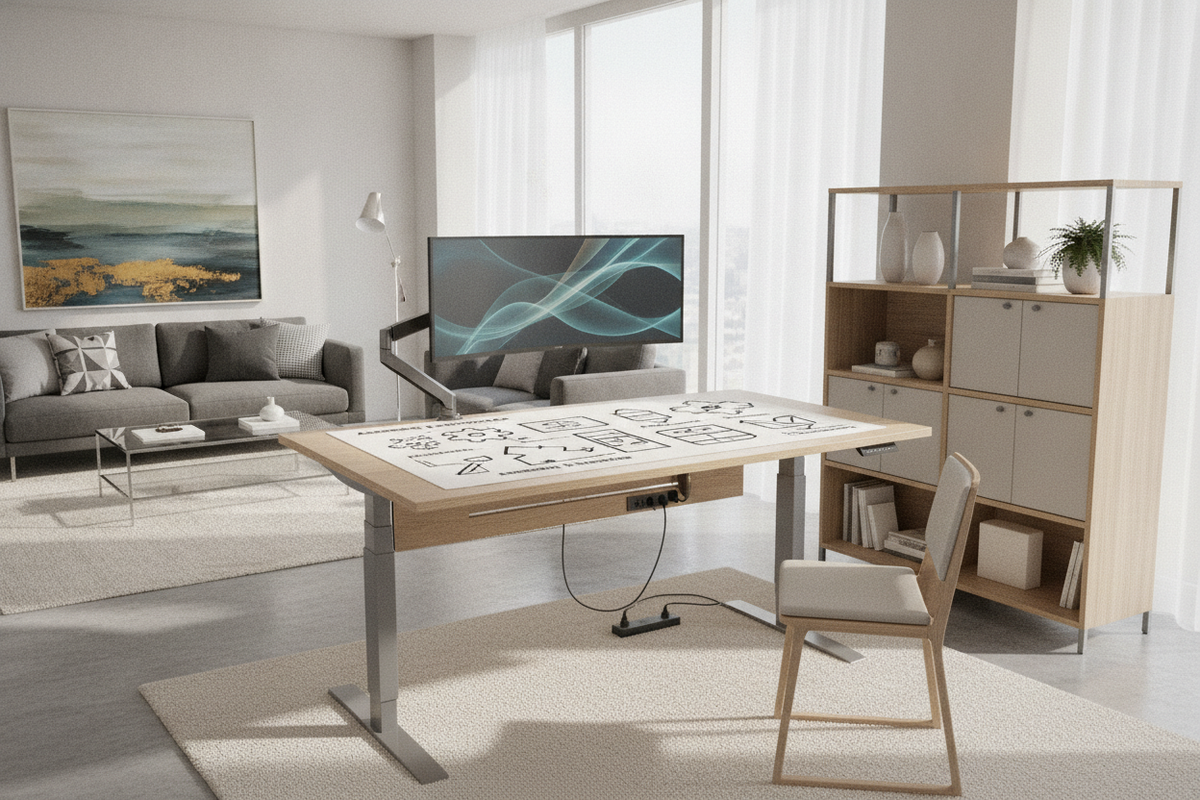
- Monitor Arm Compatibility: Check whether the desktop overhang and rear modesty panel leave sufficient clearance if you plan to attach clamp-style monitor mounts.
- Weight Balance: Assess whether integrated overhead shelving makes the desk top-heavy, which requires secure wall anchoring in domestic settings.
Sanitation, Deep Cleaning, and Refinishing Decision Frameworks
Pre-owned furniture requires systematic cleaning and basic restoration before being integrated into a residential workspace.
Material-Specific Decontamination and Surface Preparation
Different desktop materials demand specific cleaning methods to restore hygiene without stripping protective topcoats:
- Laminate and Melamine: Wipe down non-porous surfaces with mild, pH-neutral detergent solutions. Avoid abrasive scouring pads that can scratch synthetic resin veneers.
- Solid and Reclaimed Wood: Remove residual dust and surface grime with dedicated wood cleaners, followed by a light conditioning treatment to restore moisture balance.
- Odor Neutralization: Desks stored in basements, garages, or warehouse spaces may absorb ambient odors. Allowing panels to ventilate in a dry, well-circulated area helps clear trapped smells.
Modular Hardware Refresh and Reinforcement Strategies
Simple DIY retrofits can dramatically improve the stability of a reclaimed free computer desk. Reinforcing interior corners with aftermarket metal L-brackets stabilizes loose frames. Replacing stripped screws with slightly larger fasteners or wood glue anchors re-establishes firm clamping force across aging joint assemblies.
The Hidden Costs and Spatial Constraints of Sourced Workstations
While the purchase price of a zero-dollar unit is appealing, acquiring pre-owned furniture entails auxiliary logistical and ergonomic factors.
Transport Logistics, Vehicle Sizing, and Disassembly Risks
Moving a bulky office desk for free often requires specialized logistics. Vehicle cargo dimensions, fuel costs, and the time required for travel can offset initial savings. Disassembling older flat-pack furniture carries risks, as particleboard cores may chip or strip when factory-set fasteners are extracted. If transit requires disassembly, labeling hardware into sealed bags and photographing joint configurations during teardown simplifies reassembly.
Ergonomic Envelopes, Knee Well Clearances, and Auxiliary Storage
Older or repurposed desks often lack modern ergonomic dimensions. Low front aprons, narrow knee wells, or non-adjustable keyboard trays can restrict comfortable seating postures and prevent ergonomic task chairs from rolling completely under the desktop. Furthermore, older utility desks may lack integrated organization for contemporary peripherals, necessitating supplemental organizers. Reviewing an office free desk guide can assist in planning desktop cable management and document organization. In scenarios where floor area is tight, choosing a purpose-built office computer desk product ensures adequate knee clearance alongside dedicated shelving.
Balancing Sourced Furniture with Dedicated Modern Desk Solutions
Deciding between retrofitting a sourced desk and investing in a purpose-built workspace model depends on your spatial constraints, aesthetic goals, and functional demands.
Use Case Suitability: Temporary Workspaces vs Long-Term Ergonomic Setups
Sourced zero-cost workstations excel in utility-focused environments such as temporary home classrooms, craft rooms, or workshop staging tables. However, primary full-time work-from-home setups frequently demand optimized storage, integrated wire conduits, and cohesive finishes that complement residential interiors.
For permanent home offices, exploring an organized computer desk collection allows you to select dimensions precisely tailored to your room layout. Compact rooms often benefit from specialized footprints; for instance, a dedicated office computer desk product optimizes corner geometry while maximizing vertical storage. For multi-use spaces requiring discreet aesthetics, reviewing a computer desk office guide offers insight into concealed cabinet and armoire workstations. By systematically weighing sourcing effort against long-term ergonomic utility, you can curate a functional, comfortable, and well-organized workspace tailored to your everyday needs.


Leave a comment
This site is protected by hCaptcha and the hCaptcha Privacy Policy and Terms of Service apply.