










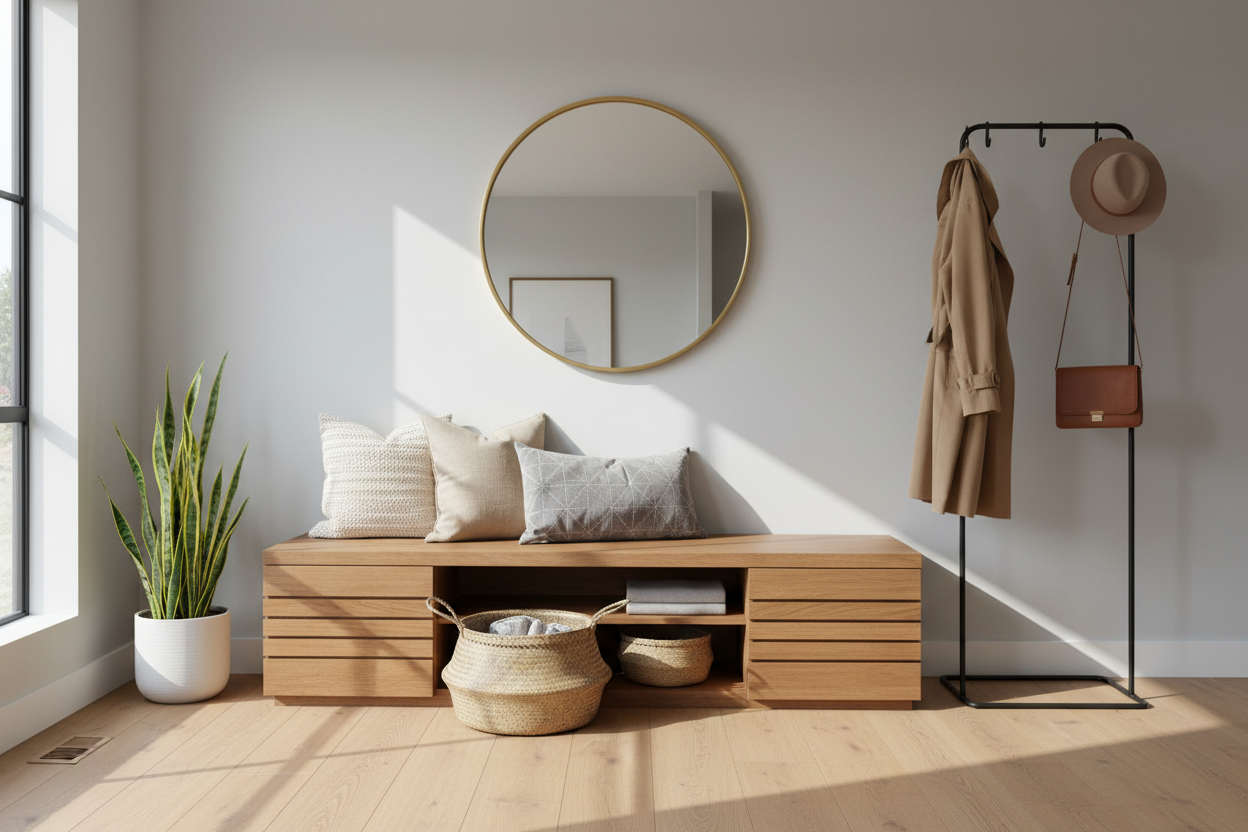
The moment the front door swings open, your home makes its first impression. For many of us, that initial glimpse is often a chaotic mix of scattered shoes, dropped mail, and keys that never seem to find a permanent home. The entryway bench is frequently pitched as the ultimate solution—a piece of furniture that marries the utilitarian need for a seat with the aesthetic desire for a welcoming vignette. However, finding the right piece requires more than just checking dimensions; it requires visualizing how a specific style translates from a showroom floor to your specific hallway.
Browsing through entryway bench images online can act as a double-edged sword. On one hand, you are presented with endless possibilities, from rustic farmhouse wooden slabs to sleek, velvet-tufted mid-century modern pieces. On the other hand, the sheer volume of options can lead to analysis paralysis. The trick isn't just to look at the furniture itself, but to analyze the ecosystem surrounding it in the photo. Lighting, wall texture, and flooring all play pivotal roles in why a particular bench looks good in a picture.
Learning from Layout Failures: A Personal Lesson
I learned the hard way that aesthetics cannot trump physics. A few years ago, I fell in love with a stunning high-back church pew I saw at an antique market. It had character, history, and a rich oak finish that I knew would warm up my foyer. I bought it immediately without considering the depth of my hallway. Once I wrestled it inside, the reality set in. While it looked beautiful, it protruded so far into the walking path that anyone entering with groceries had to turn sideways to shimmy past.
That experience changed how I look at pictures of entryway benches. Now, instead of just admiring the woodwork or the upholstery, I look at the negative space. I check how much floor is visible in front of the bench. I look for visual cues regarding the depth of the room. When you are gathering inspiration, try to find images that mirror the architectural constraints of your own space. If you have a narrow corridor, look specifically for photos of slim profile benches or floating options to see how they impact the flow of traffic.
Decoding the Styles: What the Images Tell You
When you start curating your mood board, you will notice distinct categories emerging. Understanding these can help you filter your search effectively.
The Storage Workhorse
In busy households, especially those with children or pets, the bench is primarily a containment unit. Images featuring these benches often show cubbies underneath or a flip-top lid. Look closely at how these are styled. The most realistic entryway bench images will show baskets or bins in the cubbies. This isn't just for looks; it is a practical necessity to hide the visual noise of mismatched sneakers. If you see a photo of an open-shelf bench that looks pristine with just one pair of designer boots, remember that in a real home, that open shelf might become a clutter magnet unless you commit to strict organization.
The Minimalist Statement
For homes where the entryway is more formal or space is tight, the bench serves as a sculptural element. These are often backless, featuring interesting legs or mixed materials like metal and leather. When viewing pictures of entryway benches in this style, pay attention to the wall behind the furniture. These benches usually rely on a mirror or a large piece of art above them to ground the space. Without that vertical element, a low-profile bench can look like an afterthought left on the floor.
Material Matters: Translating Texture to Real Life
A photograph can hide a multitude of sins, particularly when it comes to durability. A plush, cream-colored boucle bench looks heavenly in a professionally lit studio shot. Place that same bench in a mudroom used by a Golden Retriever and two muddy kids, and the dream evaporates quickly.
Use the zoom feature when looking at product photos. If you are drawn to wood, check if the finish is sealed or raw. Raw wood offers a beautiful, organic texture but stains easily with water or slush. If you prefer upholstery, look for performance fabrics. Leather and faux leather are often the unsung heroes of the entryway because they can be wiped down. When you see a beautifully styled fabric bench in a photo, ask yourself if the material can withstand the friction of denim jeans and heavy coats sliding across it daily.
The Art of Styling: Creating the Vignette
A bench rarely stands alone. The difference between a furniture store display and a warm home entrance lies in the accessories. Analyzing entryway bench images reveals a common formula used by interior designers to create balance. It usually involves the rule of three or varying heights.
First, look for the anchor. This is usually the wall decor—hooks, a mirror, or a gallery wall. Second, notice the soft goods. Throw pillows are not just for sofas; they add color and comfort to a hard wooden bench. Finally, look for the organic element. A potted plant on the floor next to the bench or a vase of branches on a nearby console bridges the gap between the outdoors and the interior.
Don't ignore the floor, either. Many of the best pictures of entryway benches feature a runner or a small area rug. This defines the zone, making the bench feel like a deliberate destination rather than a piece of furniture floating in a hallway. It also protects your flooring from the high traffic that naturally occurs where people sit to take off their shoes.
Making the Vision Reality
Taking inspiration from photos requires a critical eye. It involves stripping away the professional lighting and the impossible cleanliness of a staged shoot to understand the mechanics of the design. Measure your space twice. Tape the dimensions of potential benches on your floor using painter's tape to understand the footprint.
Your entryway sets the tone for your entire home. Whether you opt for a vintage church pew (properly measured, of course) or a sleek modern storage unit, the goal is to create a space that breathes. Let the images guide you, but let your lifestyle dictate the final choice. The perfect bench is the one that looks good in a photo but functions even better when you are rushing out the door on a Tuesday morning.
Frequently Asked Questions
How much clearance do I need in front of an entryway bench?
You should aim for at least 30 to 36 inches of clearance between the front of the bench and the opposite wall or door. This ensures there is enough room for a person to walk past comfortably while someone else is sitting down to put on shoes.
What is the standard height for an entryway bench?
Most standard benches range from 18 to 20 inches in height. This is similar to a dining chair, making it comfortable for the average adult to sit and stand up easily. If you plan to use thick cushions, account for that extra height in your measurements.
Can I use a dining bench in the entryway?
Yes, dining benches are often a great alternative, especially for narrow spaces as they tend to be slimmer than storage benches. Just ensure the weight capacity is sufficient for daily use and consider adding a non-slip rug underneath if the legs are lightweight to prevent sliding.


Leave a comment
This site is protected by hCaptcha and the hCaptcha Privacy Policy and Terms of Service apply.