


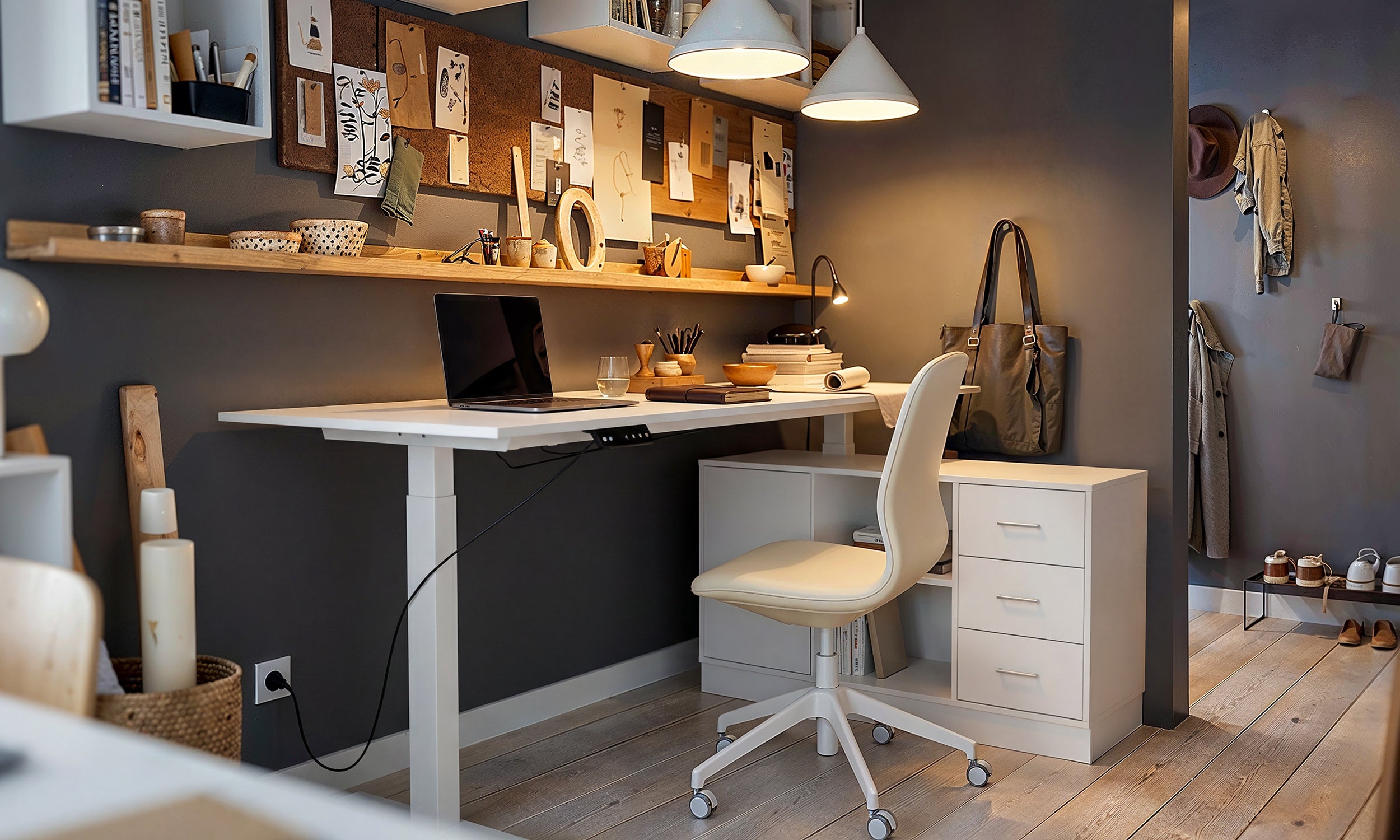
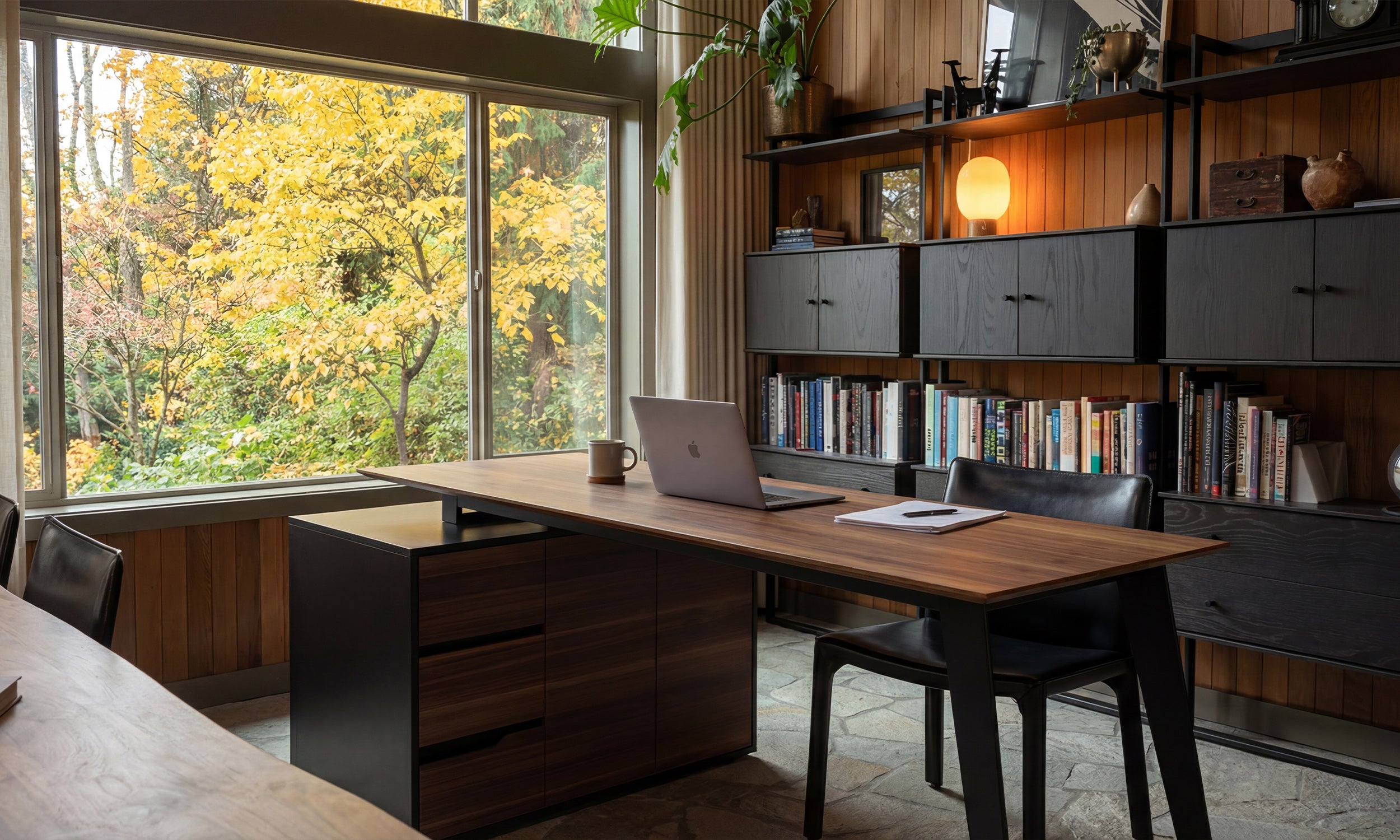


Selecting the right seating for a productive workspace requires balancing postural alignment with interior aesthetics. A high back office chair serves as both an ergonomic anchor and a central visual element in any study, library, or commercial suite. When chosen thoughtfully, an office high back chair distributes weight across the entire length of the torso while framing the desk in a cohesive architectural manner.
Anatomy of a High Back Office Chair: Support Zones and Structural Proportions
Unlike low-profile task seating that terminates near the shoulder blades, tall backrests provide uninterrupted vertical contact along the spine. A well-constructed office desk chair high back integrates distinct ergonomic regions: a firm lower lumbar curve, an expansive mid-thoracic support plane, and a tapered upper crest tailored for resting the shoulders during reclined breaks.
Backrest Height Tiers: Full Spine Alignment vs. Mid-Back Silhouettes
Understanding height classifications helps avoid mismatched proportions. While standard task seating accommodates basic pelvic stabilization, a dedicated high back computer chair extends upward to meet the natural posture of the neck and head. This continuous surface area helps diffuse seated pressure, encouraging an upright posture without demanding constant conscious muscle recruitment.
Integrated Headrests and Cervical Contours
Cervical support generally comes in two forms: fixed extensions molded directly into the frame or adjustable articulated cushions. For deep focus work involving multiple monitors, integrated contours gently stabilize the base of the skull, preventing forward head drift. When planning a workstation layout, pairing such seating with versatile options from a curated computer desk collection ensures the display sits at eye level relative to the elevated headrest.
Executive vs. Ergonomic Task Styling: Choosing the Right Profile
Workspace aesthetic preferences typically split between traditional layered upholstery and contemporary open-frame mechanics. Deciding between a plush high back executive office chair and an airy task model depends on climate, daily work duration, and the surrounding furniture ensemble.
Upholstered and Cushioned Executive Frames
For spaces defined by warm wood finishes and substantial cabinetry, a high back executive chair makes an authoritative design statement. These models prioritize tactile comfort through multi-layered foam cores and fine surface treatments. Opting for a high back upholstered office chair brings soft textures and muted elegance to home libraries, especially when curated using recommendations from this office desk high guide.
Articulated Swivel Mechanics and Tilt Frameworks
Mechanical versatility defines the modern high back office swivel chair. High-performance models feature multi-position tilt-lock functions and tension controls that adapt to weight shifts. Synchro-tilt mechanisms, where the backrest reclines at a greater angle than the seat pan, allow workers to stretch back without lifting their feet off the floor or losing lower back contact.
Spatial Clearance and Matching High Back Chairs to Desks
Because tall seating commands notable visual volume, spatial planning is critical. Placing a commanding executive desk chair high back in a compact room without considering desk dimensions can overwhelm the visual balance and restrict pedestrian walkways.
Armrest Heights and Desktop Apron Clearances
One of the most frequent setup oversights is neglecting the clearance beneath the desktop. Fixed armrests can collide with drawer aprons, preventing the chair from tucking beneath the work surface. When anchoring a corner setup, pairing your chair with a dedicated office computer desk product featuring open leg channels ensures smooth clearance and clean room lines.
Visual Weight Harmony with Surrounding Storage and Credenzas
A tall silhouette creates a prominent focal line in the center of the room. In expansive suites anchored by substantial furniture, such as a large desk executive office product, high-profile seating complements the scale naturally. For smaller rooms, coordinating chair tones with nearby shelving or using styling strategies from this office chair high guide keeps the layout feeling light and intentional.
Material Durability, Cushion Density, and Maintenance
Long-term comfort relies heavily on the resilience of inner foams and the durability of external textiles:
- High-Density Molded Foam: Retains structural integrity across extended hours, resisting sagging better than loose fiber fills.
- Performance Synthetics and Leathers: Provide water-resistant, wipeable surfaces ideal for high-traffic home offices.
- Breathable Mesh Weaves: Promote constant air circulation, suitable for warm climates or intensive computing setups.
Decision Framework: Selecting the Ideal High Back Chair for Your Space
To finalize your workspace plan, evaluate your daily routines against spatial limits:
- Assess Daily Seated Hours: Extended computing sessions benefit from articulated tilt-lock mechanisms and adjustable lumbar zones.
- Check Desk Apron Height: Measure from the floor to the lowest underside of your desk to guarantee the armrests slide under neatly.
- Evaluate Spatial Footprint: Ensure at least several feet of clear perimeter behind the base to allow fluid swivel rotation and reclining.
- Harmonize Textures: Balance upholstery materials against desk finishes and storage cabinets for a cohesive design scheme.
Investing in a well-proportioned seating solution transforms daily workflow, delivering enduring upper-body support while elevating the architectural character of your home office.


Leave a comment
This site is protected by hCaptcha and the hCaptcha Privacy Policy and Terms of Service apply.