










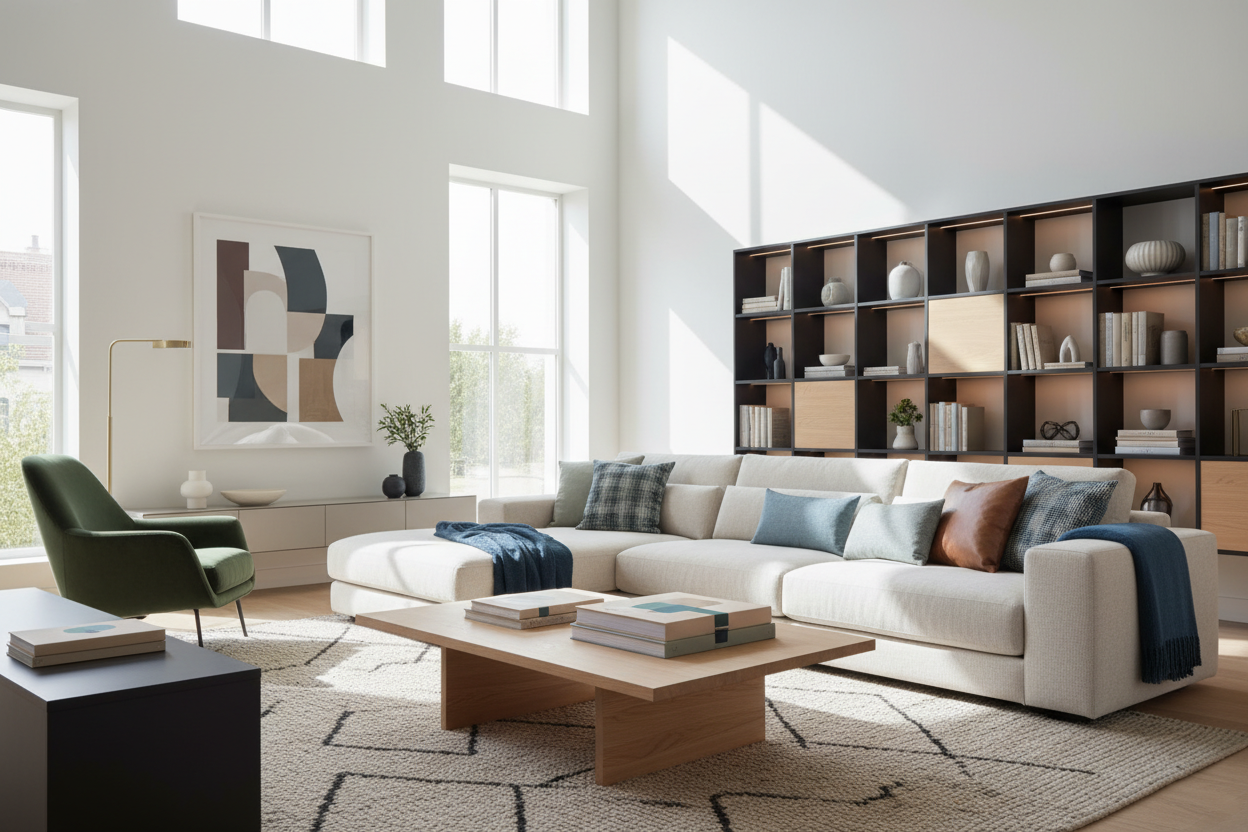
Walking into the vast blue-and-yellow labyrinth can induce a specific type of anxiety, even for seasoned professionals. The lighting is perfectly calibrated, and the vignettes are seductive, but translating that showroom appeal to your actual living room requires a discerning eye. As an interior designer, I often tell clients that a high-end home isn't about avoiding budget brands; it is about curation. The secret lies in knowing how to buy furniture at IKEA strategically, separating the temporary fixes from the long-term investment pieces that offer genuine architectural value.
Quick Decision Guide: What to Check Before You Buy
Before you commit to a flat-pack, use this checklist to ensure the piece will stand the test of time and elevate your interior:
- Material Composition: Prioritize solid wood (pine, birch) or high-grade veneers (ash, walnut) over hollow-core particleboard or honeycomb paper filling.
- The "Wobble" Test: If a floor model sways when you nudge it, the joined connections are weak. Look for pieces with metal-to-metal cam locks rather than just wooden dowels.
- Modularity: Opt for systems (like PAX or BESTÅ) that allow for internal customization, ensuring the furniture adapts to your storage needs over time.
- Hardware Compatibility: Check if the legs or knobs are standard sizes. Swapping these for custom brass or matte black hardware is the fastest way to upgrade the look.
Assessing Material Integrity and Silhouette
The disparity in quality between IKEA product lines is vast. On one end, you have the LACK series, which is essentially painted cardboard structure, and on the other, the STOCKHOLM collection, which frequently utilizes full-grain leathers and walnut veneers. When scouting for pieces, ignore the price tag initially and touch the surfaces. You want textures that feel organic rather than plasticky.
Pay close attention to the silhouette. Complex curves are expensive to manufacture; consequently, budget brands often struggle to execute them elegantly. Stick to clean lines and mid-century modern profiles, which IKEA executes exceptionally well. A simple, rectilinear sideboard in a matte finish often looks far more expensive than a piece trying to mimic an ornate Victorian style with cheap molding.
Sourcing Logistics: Where to Buy IKEA
While the answer seems obvious, the logistics of where to buy IKEA products have evolved. You are no longer limited to hauling boxes from the warehouse yourself.
Official Channels vs. Third-Party Services
Naturally, IKEA’s brick-and-mortar stores and official website are the primary sources. However, for those asking who sells IKEA furniture outside of the brand itself, the answer is complex. You may find resellers on platforms like Amazon, but the markups are often exorbitant. A better strategy for those without a local store is utilizing third-party "picking and delivery" services that operate in major cities. These independent logistics companies purchase the items on your behalf and deliver them, often offering assembly services that save you hours of frustration.
Space Planning and Visual Weight
A common error homeowners make is misjudging scale. Showrooms have soaring industrial ceilings that make a sprawling sectional look modest. Always tape out the dimensions on your floor before purchasing. Furthermore, consider the "visual weight" of the item. Many IKEA sofas have low profiles and blocky legs, which can make a small room feel heavy. To counter this, look for pieces raised on slender legs, allowing light to pass underneath and maintaining an airy atmosphere.
My Personal Take on Buying from IKEA
I have specified IKEA kitchens and wardrobes for million-dollar renovations, but I have learned a few hard lessons along the way. Years ago, I installed a wall of BILLY bookcases for a client, intending to create a "built-in" library look. We bolted them together perfectly, but I failed to account for the baseboard molding. The units sat an inch off the wall, creating a dark, dusty gap that ruined the illusion of custom joinery.
Another detail rarely mentioned is the "fingerprint factor" on their matte foil finishes. I once used the dark blue VOXTORP kitchen fronts for a project. While stunning visually, they held onto oils from fingertips aggressively. Now, whenever I buy slab-style doors from IKEA, I either opt for a lacquered finish that wipes down easily or I insist on installing hardware pulls, even on push-to-open units, to preserve the finish. It is these small, tactile interactions that define the longevity of the furniture in your daily life.
Frequently Asked Questions
How long does IKEA furniture typically last?
This depends entirely on the material. Solid wood pieces (like the HEMNES or IVAR series) can last decades and be refinished. Particleboard items with foil finishes typically have a lifespan of 5-7 years before showing wear, such as peeling edges or sagging shelves.
Who sells IKEA furniture that is discontinued?
For discontinued items, the secondary market is your best bet. Platforms like Facebook Marketplace, eBay, and specialized vintage furniture resellers often list older, high-quality IKEA designs (specifically from the 1970s and 80s) that are now considered collectibles.
Is it worth paying for the assembly service?
For complex systems like PAX wardrobes or METOD kitchens, absolutely. The structural integrity of these units relies on precise leveling and squaring during assembly. If the frame is slightly askew, doors won't align and drawers will stick. For simple tables or chairs, DIY is usually sufficient.

Leave a comment
This site is protected by hCaptcha and the hCaptcha Privacy Policy and Terms of Service apply.