










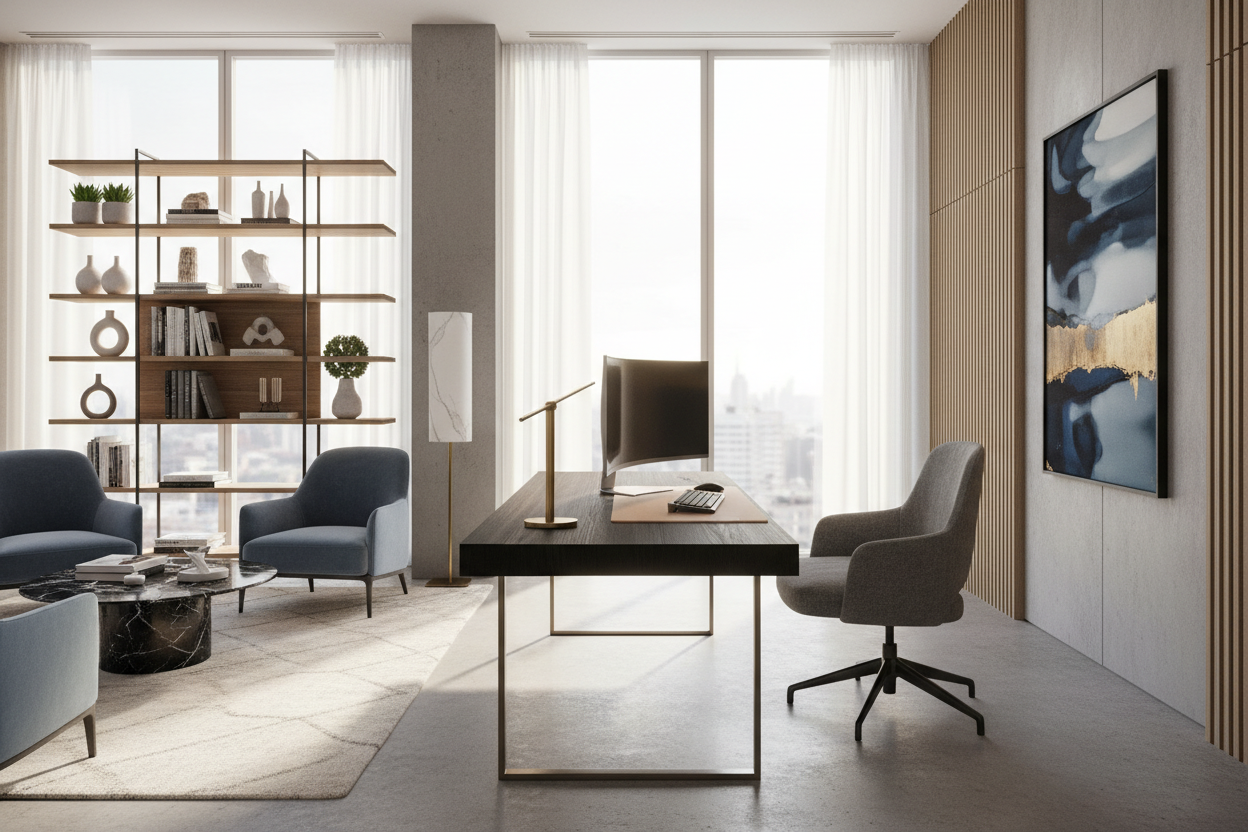
We have all walked into a workspace that feels sterile, uninspired, and frankly, draining. As a designer, I see clients constantly struggle to bridge the gap between a functional workstation and a space that genuinely sparks creativity. The challenge isn't finding inspiration; it's filtering through the noise to find concepts that offer longevity and comfort. Implementing cool office ideas requires more than just buying a trendy chair; it demands a thoughtful approach to spatial planning, material selection, and lighting dynamics to create a room where you actually want to spend time.
Key Features of a High-Performance Office
Before committing to a layout or purchasing furniture, consider these core elements that define a successful design. Focusing on these ensures your space is not just visually striking, but usable.
- Ergonomic Integrity: The chair and desk height must support posture for 6+ hours of use, regardless of the aesthetic style.
- Lighting Layers: A mix of ambient (general), task (focused), and accent lighting to reduce eye strain and add depth.
- Material Tactility: Incorporating natural textures like wood, leather, or wool to soften the acoustics and visual hardness of tech equipment.
- Wire Management: Hidden channels and integrated power solutions are essential for maintaining a clean, clutter-free look.
Zoning and Spatial Layout
One of the most common mistakes in home office design is pushing the desk directly against a wall. This often creates a claustrophobic environment. For truly cool office designs, consider 'floating' the desk in the center of the room or positioning it perpendicular to a window. This command position allows you to see the door, improves light distribution, and anchors the room effectively.
If you are working with limited square footage, define zones using area rugs. A high-pile wool rug can ground the seating area, separating the 'work' zone from a 'lounge' or reading corner. This separation is vital for mental clarity, allowing you to step away from the screen without leaving the room.
Materiality: Beyond the Laminate
To elevate unique office design ideas, we must look at materials that age well. While laminate is durable, it lacks character. I often steer clients toward solid wood or high-grade veneers like walnut or white oak. These materials develop a patina over time and bring warmth to a space dominated by cold screens and plastic peripherals.
Consider the tactile experience of your desktop. A leather desk pad isn't just an accessory; it provides a soft writing surface and prevents the cold shock of glass or stone on your wrists. When selecting shelving or cabinetry, mix open metal framing with closed wood storage. This combination offers industrial rigidity with organic warmth, a staple in beautiful office designs.
Lighting: The Invisible Architecture
Lighting dictates the mood. A single overhead fixture is the enemy of a cool office. Instead, aim for a color temperature between 3000K and 4000K. This range is crisp enough for focus but warm enough to be inviting. Layering is non-negotiable here. Use an architectural task lamp with an articulating arm for your workspace, and soften the room's corners with floor lamps or LED strips tucked behind shelving. This technique reduces the harsh contrast between your bright monitor and a dark room, saving your eyes from fatigue.
My Personal Take on Cool Office Ideas
I learned a hard lesson early in my career regarding the 'minimalist glass desk' trend. I specified a stunning, architectural glass desk for a client who wanted a sleek, modern look. It photographed beautifully. However, three months later, we had to replace it.
Why? Two reasons that never show up in Pinterest photos: fingerprints and temperature. My client found herself constantly Windexing the surface because every wrist mark showed up. More importantly, glass sucks the heat right out of your arms. In the winter, the surface was freezing, making typing uncomfortable. Now, whenever I see cool office design ideas featuring glass tops, I always warn clients about the 'cold wrist' factor and the nightmare of managing wires when you can see through the furniture. Always prioritize the tactile feel of the furniture over the initial visual impact.
Conclusion
Creating a workspace that resonates with your personal style while supporting your workflow is an investment in your productivity. By prioritizing layout, authentic materials, and proper lighting, you move beyond fleeting trends and build a space that serves you. Don't be afraid to experiment with textures and layouts until the room feels right.
Frequently Asked Questions
How do I make a small office look cool but functional?
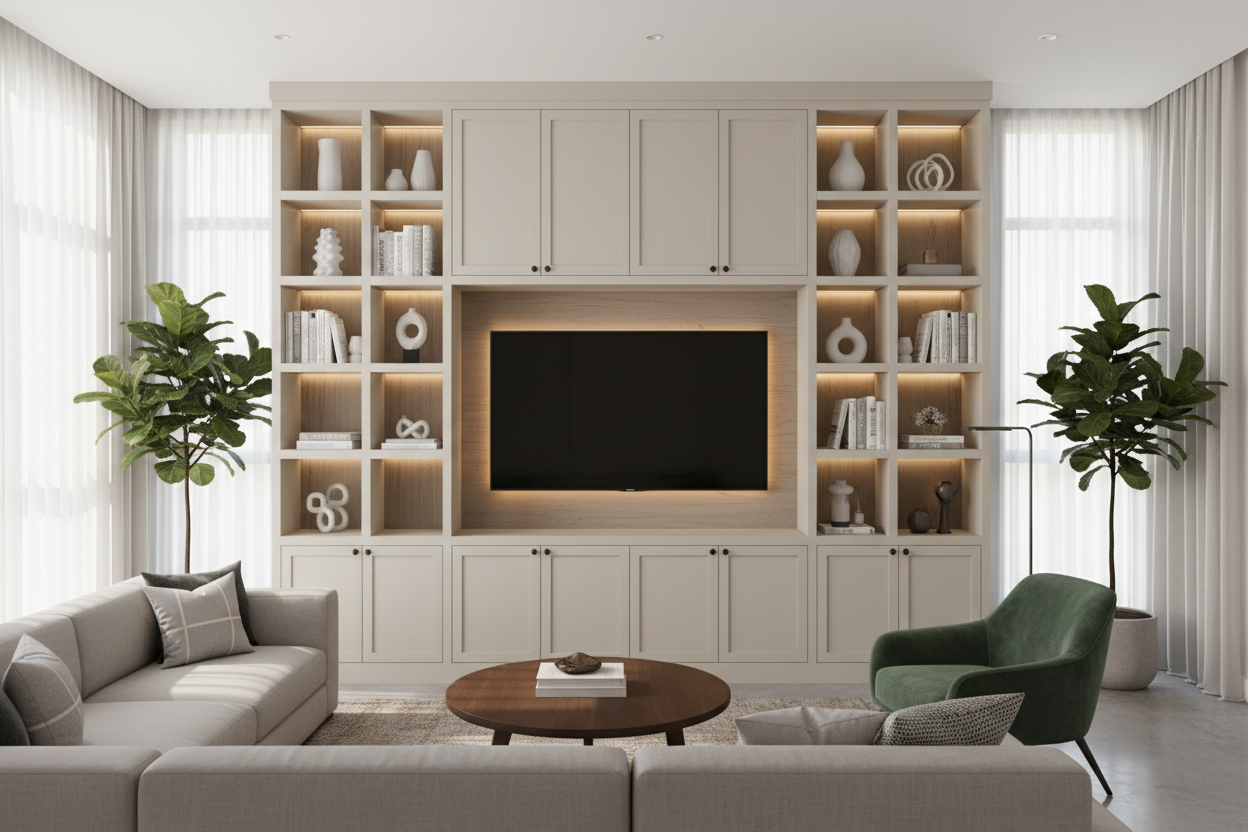
Focus on verticality. Use floor-to-ceiling shelving to draw the eye up and maximize storage without eating up floor space. Wall-mounted desks or floating shelves also keep the floor visible, which tricks the eye into thinking the room is larger.
Is a standing desk worth ruining the aesthetic?
Absolutely, but you don't have to ruin the aesthetic. Many high-end manufacturers now produce standing desks with solid wood tops and concealed motors. Avoid the generic plastic-top options; look for legs that can be swapped or customized to match your room's hardware.
What is the best wall color for productivity?
While subjective, deep greens and navies are excellent for focus as they reduce glare and create a calm, library-like atmosphere. If you prefer light colors, opt for warm whites rather than clinical, cool whites to keep the space inviting.

Leave a comment
This site is protected by hCaptcha and the hCaptcha Privacy Policy and Terms of Service apply.