










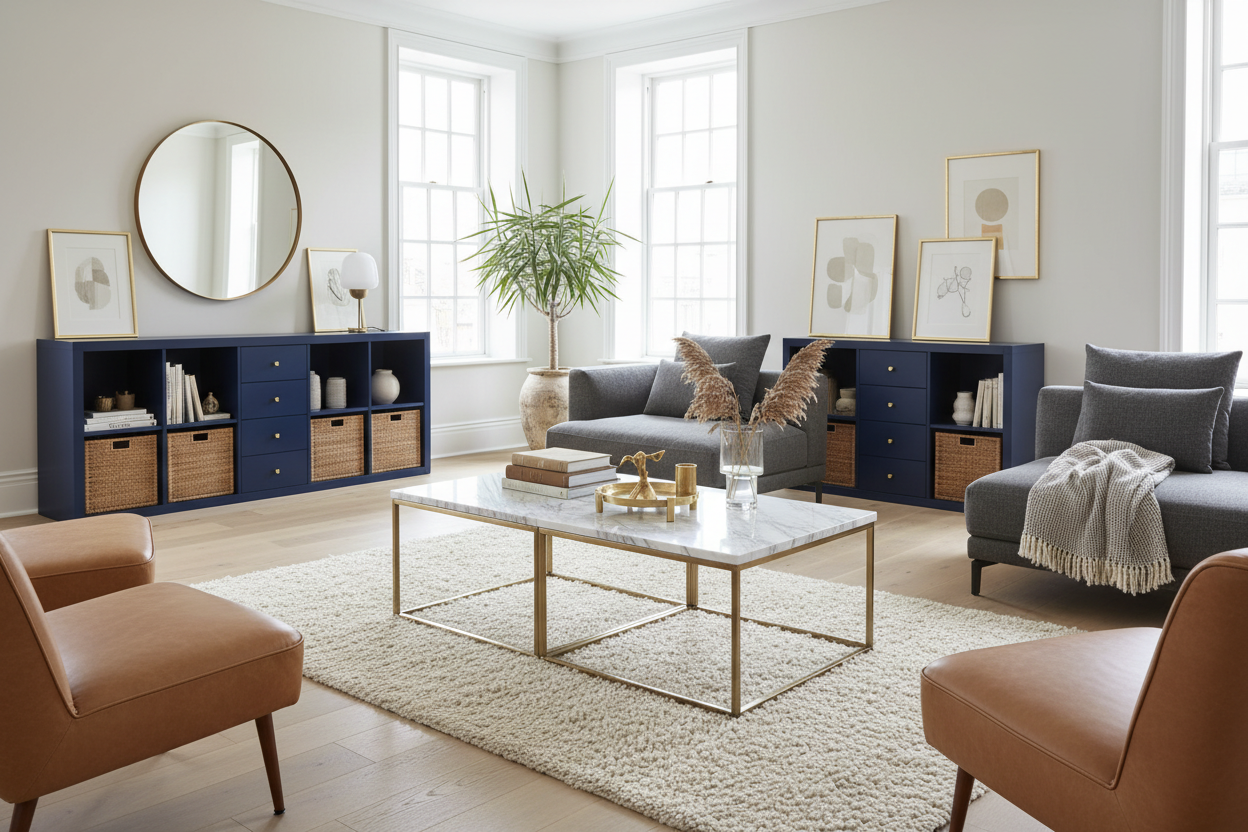
We have all walked into a beautifully staged home, only to realize upon closer inspection that the centerpiece is actually a budget-friendly find. The dilemma many of my clients face isn't budget—it's the fear that affordable furniture will look cheap or temporary. When selected and styled correctly, ikea living room tables can serve as sophisticated anchors for your seating area, indistinguishable from high-end showroom pieces. The secret lies not just in buying the furniture, but in understanding scale, material finishes, and how to hack the visual weight of the piece.
Key Features to Look For
- Material Authenticity: Prioritize real wood veneers (like the Stockholm series) or powder-coated metals over hollow-core laminates for better longevity.
- Scale and Proportion: Ensure the table length is roughly two-thirds the width of your sofa to maintain visual balance.
- Leg Silhouette: Tapered or metal legs often provide a lighter, more modern aesthetic compared to blocky, particleboard bases.
- Hardware Quality: Check if the table uses standard cam-locks or more durable joinery; reinforced joints prevent the dreaded "wobble" over time.
Choosing the Right Material for Longevity
As a designer, the first thing I check on a showroom floor is the tactile quality of the surface. Not all finishes are created equal. When shopping for an ikea table for living room use, steer clear of the paper-foil finishes found in the ultra-budget ranges if this is a high-traffic zone. These surfaces scratch easily and swell with moisture.
The Case for Wood Veneer
Instead, look for walnut or ash veneers. These offer the warmth and grain variation of solid wood without the price tag or susceptibility to warping. Over time, a veneer table will develop a patina, whereas a plastic foil laminate will simply peel. The visual depth of real wood grain elevates the perceived value of the entire room.
Glass and Metal for Small Footprints
If your living area feels cramped, solid wood can feel heavy. I often recommend tempered glass options with slender metal frames. This allows light to pass through the furniture, reducing its visual weight and making the room feel more expansive. However, pay attention to the glass thickness; thicker glass refracts light better and feels more substantial.
Space Planning and Layout Strategy
A common error I see is poor spacing. Ergonomics dictate that you need about 14 to 18 inches between the edge of your sofa and your coffee table. This is close enough to set down a drink but far enough to walk through comfortably.
Breaking Up the "Set" Mentality
While it is tempting to buy a matching ikea living room table set for convenience, I strongly advise against it. A room where the coffee table, side table, and console all have the exact same finish can look flat and "catalog-ordered." Instead, curate a mix. Pair a round, wooden coffee table with a metal or marble-topped side table. This layering of textures creates a custom, collected aesthetic that feels organic rather than manufactured.
My Personal Take on IKEA Living Room Tables
I want to share a specific detail from a project I worked on last year—a pied-à-terre in Chicago. We were under a strict budget, so I specified the VITTSJÖ nesting tables. Visually, they were perfect for the industrial vibe we wanted. However, during the install, I noticed that when you set a ceramic mug down on the glass, it made a harsh, rattling "clank" against the metal frame. It sounded cheap.
My fix was simple but crucial: I went to a hardware store and bought high-quality, clear silicone bumper pads to replace the thin plastic ones included in the box. I also used a matte black spray paint to dull the slight sheen of the metal frame. Those two minor tweaks—costing less than $10—changed the tactile and auditory experience of the table completely. It felt solid and sounded dampened, mimicking a piece five times the price. It’s a reminder that sometimes, the luxury is in the assembly, not just the purchase.
Conclusion
Your home should tell a story of curation, not just convenience. By selecting materials that age gracefully and paying attention to the sensory details of your furniture, you can integrate budget-friendly pieces seamlessly. Don't be afraid to mix high and low; a well-chosen IKEA table, styled with intention, can hold its own against any designer piece.
Frequently Asked Questions
How do I protect the surface of an IKEA veneer table?
Use coasters religiously and consider applying a high-quality matte polyurethane sealant if you assemble the piece yourself. This adds an extra layer of protection against water rings without altering the look of the wood grain.
Can I paint IKEA laminate tables?
Yes, but preparation is key. You cannot paint directly over the smooth laminate. You must sand the surface to create a "tooth," apply a shellac-based primer (like BIN), and then use an enamel paint for a durable finish that won't chip.
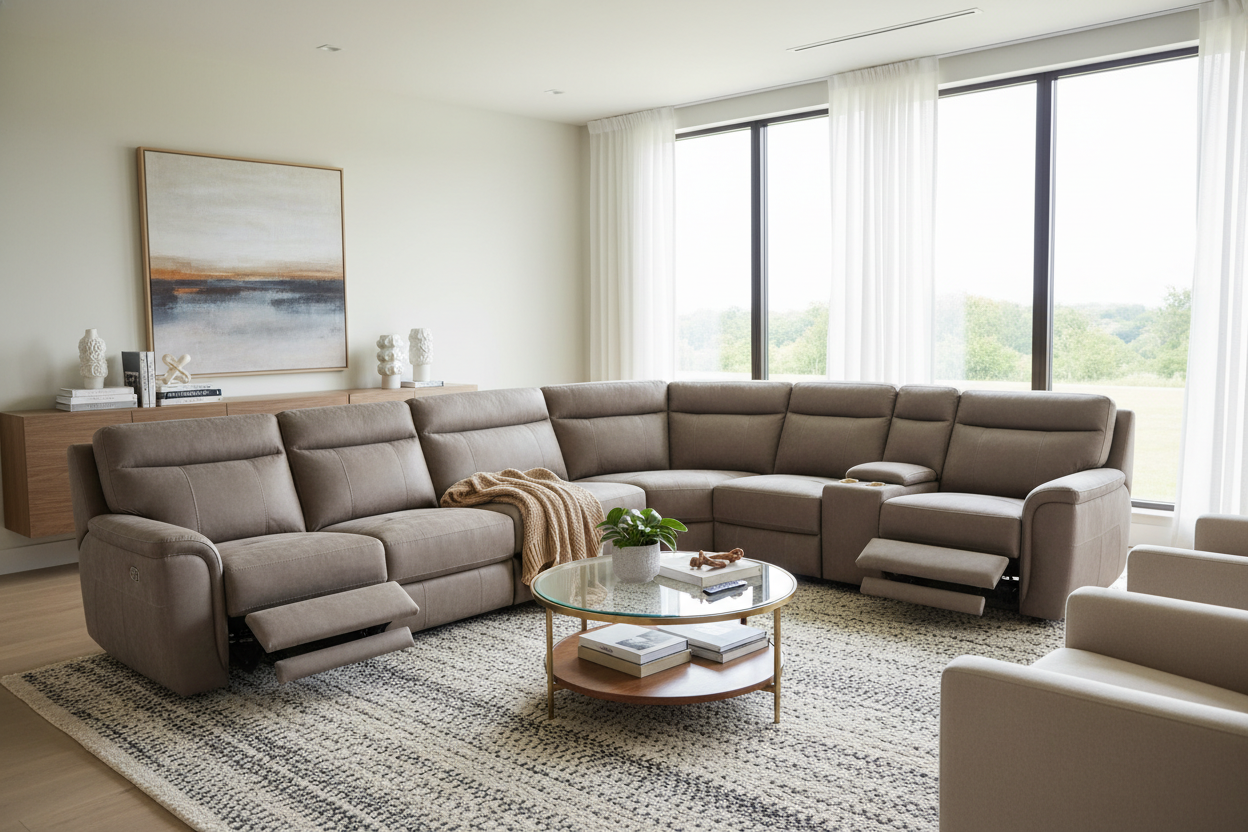
What is the best shape for a sectional sofa?
For L-shaped sectionals, a round or oval table usually works best. It softens the angular lines of the sofa and allows for better flow around the tight corners where the sofa sections meet.

Leave a comment
This site is protected by hCaptcha and the hCaptcha Privacy Policy and Terms of Service apply.