










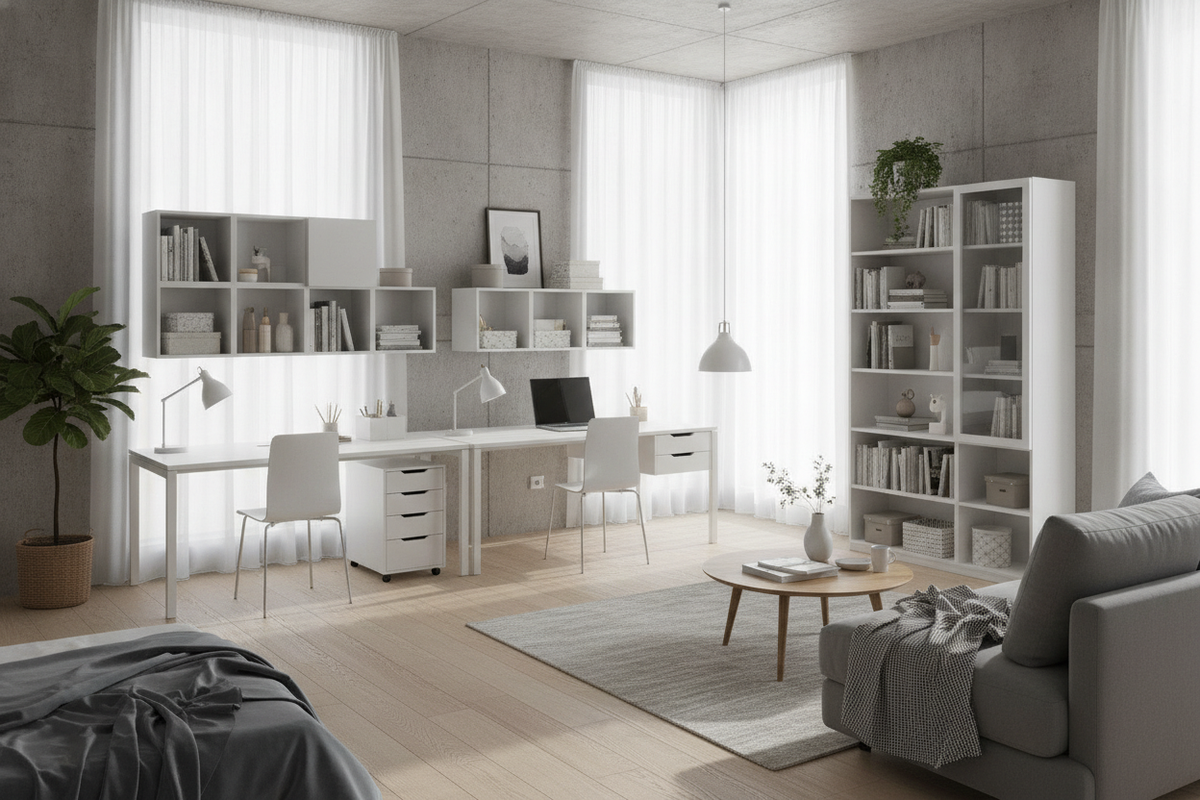
Evaluating Student Desk Formats: Core Archetypes for Study Spaces
Choosing the right workstation begins with understanding the distinct structural archetypes available across the market. When evaluating ikea student desks alongside alternative modern designs, students and parents typically encounter four primary formats: open writing tables, single-pedestal drawer desks, integrated hutch workstations, and compact corner units. Each configuration addresses specific spatial constraints and daily academic routines.
A minimalist writing table ikea style desk provides an uncluttered, lightweight profile focused on open leg clearance and visual lightness. These tables excel in smaller rooms where bulky cabinetry would overwhelm sightlines. Conversely, a single-pedestal student desk ikea format introduces dedicated column storage on one side, offering convenient access to notebooks, chargers, and stationery without requiring supplementary floor units. If you are exploring modular options with varied structural profiles, browsing a curated writing desk collection can help clarify which structural silhouette best complements your room proportions.
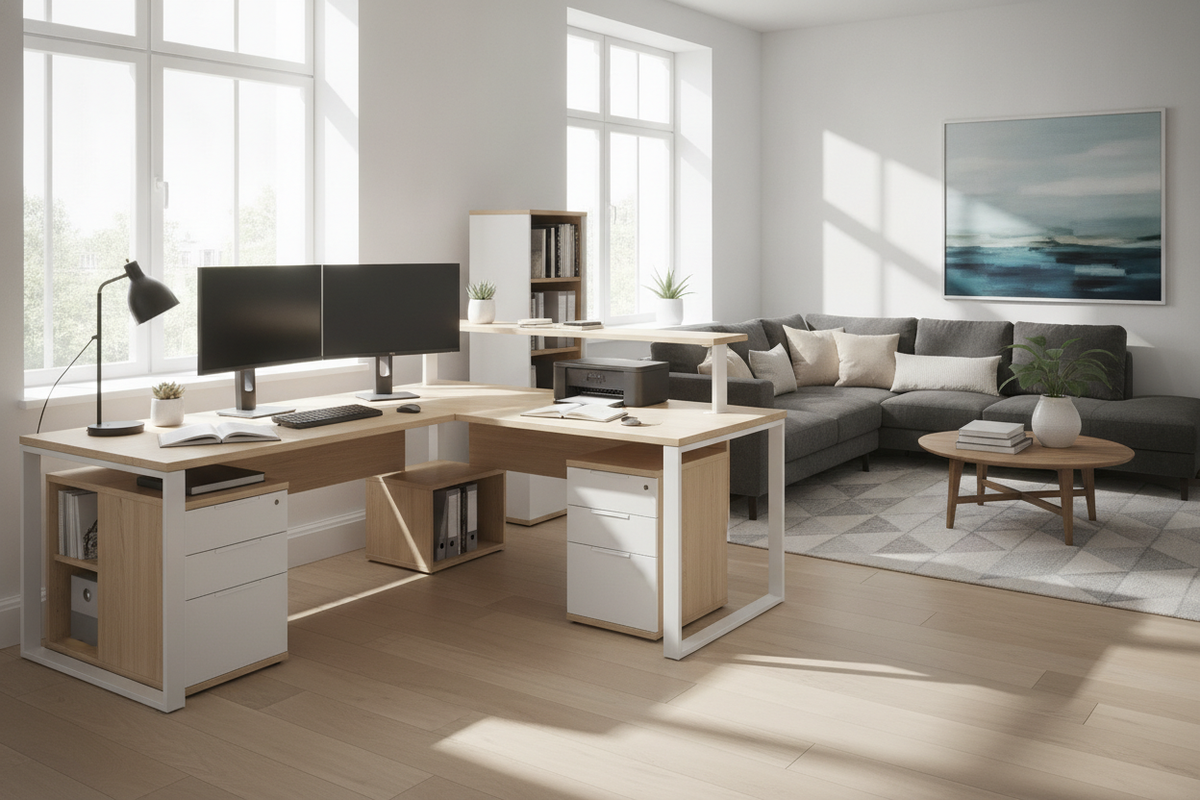
Integrated hutch and shelving desks make use of vertical wall height above the worktop, making them practical for intensive study setups that require physical textbooks and reference materials. Corner study desks maximize previously underutilized alcove corners, creating an enveloping study zone while preserving central walkway clearance.
Footprint and Dimensional Tiers: Matching Desk Scales to Room Zones
Proper scale prevents a study area from cramping a multi-purpose bedroom. When planning a student desk for bedroom ikea installations, spatial planning generally falls into three functional tiers:
- Ultra-Compact Nooks: Scaled for tight corners or spaces between wardrobes and windows, prioritizing shallow depths and streamlined leg frames to preserve movement paths.
- Standard Academic Workstations: Offering moderate width and depth to support a laptop, an open textbook, and basic task lighting simultaneously.
- Extended Multi-Surface Zones: Designed for advanced coursework, desktop monitors, crafting, or technical drafting where wide elbow room is essential.
Beyond desktop width and depth, room planners must factor in functional clearance around the desk. Ensure ample clearance behind the desktop to accommodate seating depth, chair push-back range, and unobstructed passage. For deeper insights on blending study footprints with bedroom aesthetics, review our detailed bedroom desks styling guide to balance utility with room harmony.
Designing for Different Academic Stages: From Primary Study to Teenage Workstations
Functional desk requirements change significantly as learners progress from early school tasks to secondary education and remote coursework. For younger learners, student desks ikea shoppers consider often emphasize low-profile task surfaces with accessible storage for art supplies, simple workbooks, and tactile learning tools.
As academic demands expand, an ikea teenage desk setup must support higher technological integration. Teenage study stations generally require adequate surface depth for laptop docking, secondary screens, headphone stands, and managed cable routing. At this stage, desktop clutter increases quickly without structured organizational zones.
Integrating a modern study setup into a larger personal space requires careful coordination with surrounding furniture, such as beds and wardrobes. To align storage, desk styling, and room balance across transitional age groups, explore our comprehensive teenage bedroom spatial guide.
Storage Configuration Strategies: Integrated Drawers vs. Modular Cabinetry
Balancing clear tabletop space with convenient storage is essential when selecting student desks at ikea or alternative workspace designs. Desks that lack storage risk becoming magnets for desktop clutter, while overly massive storage units can restrict knee clearance and natural sitting posture.
Integrated shallow drawers beneath the main worktop keep small supplies, pens, notebooks, and digital accessories immediately accessible without occupying vertical leg space. Selecting a versatile piece like a compact writing desk with integrated storage provides built-in compartments that keep daily essentials out of sight while maintaining an airy silhouette.
For students with heavy book loads, modular storage offers added flexibility. Pairing a slim desk with a rolling drawer pedestal or overhead floating shelves allows the study area to expand or contract as course demands shift over the academic year.
Material Build and Surface Resilience for High-Traffic Homework Nooks
Student workstations endure frequent daily contact, including pencil pressure, accidental marker lines, hot beverage mugs, and constant device friction. Evaluating material finishes helps ensure long-term durability and easy maintenance:
- Melamine and Laminate Surfaces: Engineered finishes that resist everyday scuffs, minor spills, and surface stains while wiping clean with a damp microfiber cloth.
- Powder-Coated Metal Frames: Tubular steel or aluminum supports that provide steady structural rigidity and resist chipping or wobbling over extended use.
- Solid Hardwood Tops: Natural timber surfaces that deliver substantial weight, organic warmth, and lasting structural integrity across years of study.
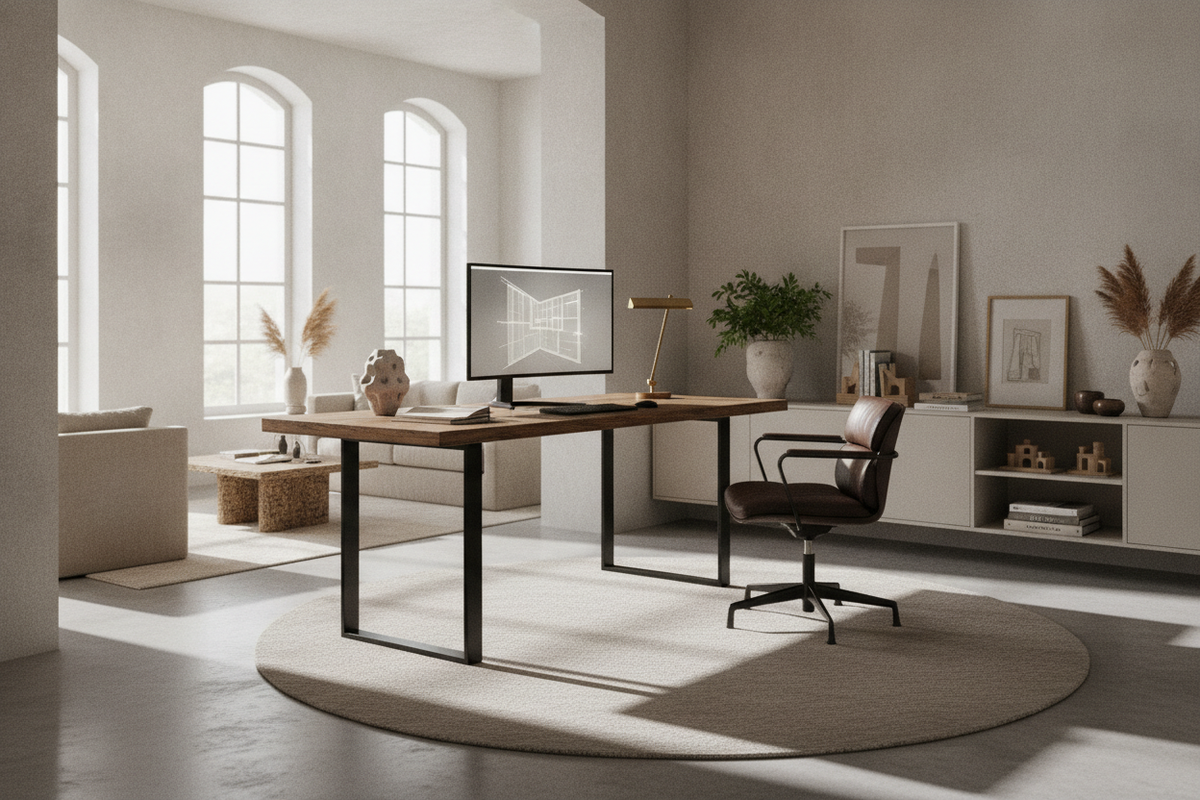
For those prioritizing natural grain aesthetics and robust longevity, incorporating a dedicated piece such as a solid rubberwood writing desk ensures dependable structural stability alongside timeless visual appeal.
Bedroom Layout Blueprints: Optimizing Light, Power, and Spatial Flow
Where you position a study desk within a bedroom directly impacts daily focus, posture, and room flow. Consider these practical placement strategies when arranging your study area:
- Perpendicular Window Placement: Positioning the desk adjacent to a natural light source provides clear, ambient daytime illumination without creating direct screen glare or eye fatigue.
- Wardrobe and Wall Alcoves: Nestling the desk along a recessed wall zone creates a dedicated study nook that feels distinct from sleeping areas.
- Power Access Alignment: Locating the desk near primary wall outlets reduces trailing extension cords and keeps power strips neatly tucked beneath the frame.
By assessing desk silhouettes, dimensional clearance, material endurance, and layout flow, you can construct an organized and comfortable study environment tailored to every academic milestone.

Leave a comment
This site is protected by hCaptcha and the hCaptcha Privacy Policy and Terms of Service apply.