










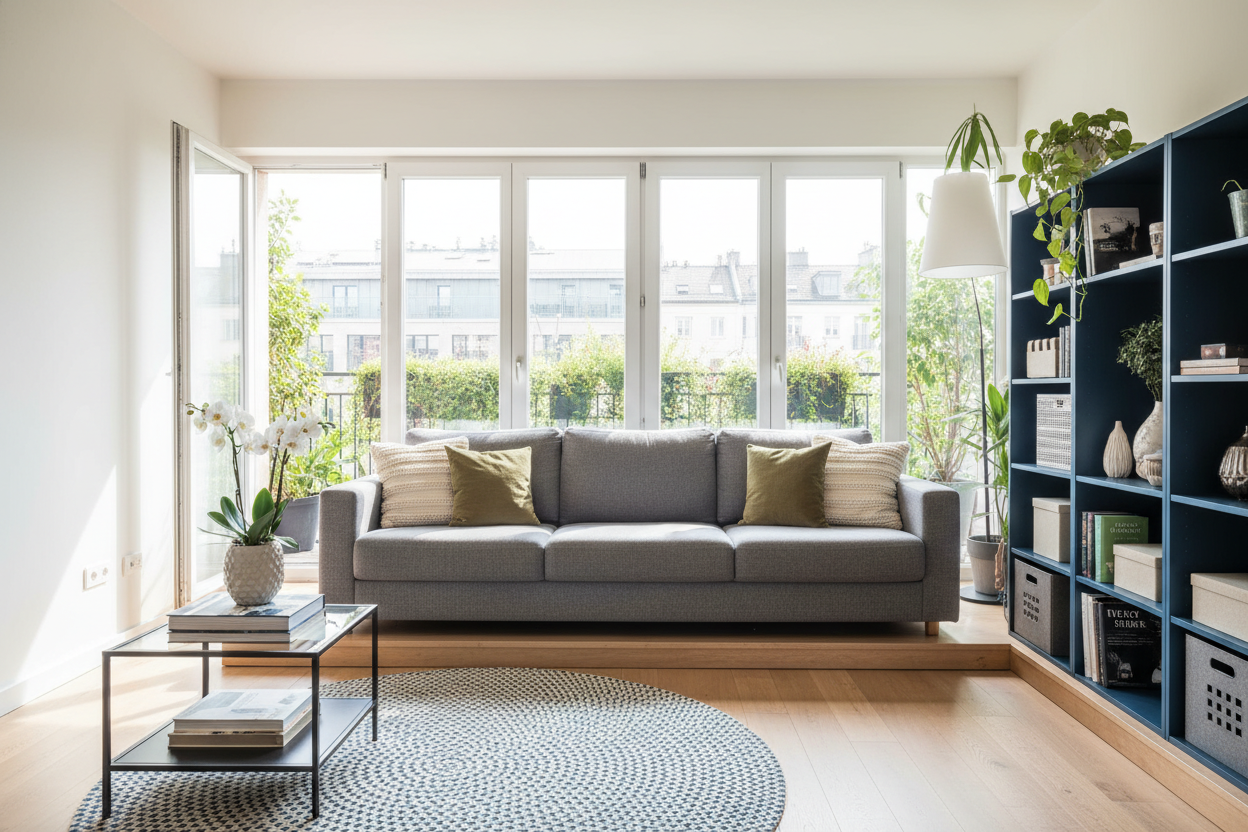
Selecting the primary anchor for your living room is rarely a simple task. You are balancing visual weight, tactile comfort, and, inevitably, the budget. As a designer, I often see clients torn between investing in bespoke Italian upholstery and opting for the accessible, ubiquitous ikea 3-seat couch. The stigma of "flat-pack" furniture often clashes with the reality of modern, transient living. However, dismissing these pieces outright is a mistake. With the right eye for silhouette and material, these sofas can serve as sophisticated foundational pieces rather than just temporary fixes.
Key Features to Look For
Before committing to a purchase, review these critical factors to ensure longevity and aesthetic appeal:
- Seat Depth & Rake: Ensure the depth accommodates your lounging style; deeper seats (over 25 inches) offer a more relaxed, contemporary vibe.
- Rub Count & Fabric Grade: Look for covers with a high Martindale cycle (25,000+) to withstand daily friction without pilling.
- Modular Connectivity: Check if the ikea 3 seater sofa allows for future expansion or chaise additions.
- Cushion Composition: High-resilience foam wrapped in polyester fibers generally retains shape longer than pure poly-fill.
Analyzing the Silhouette and Scale
In interior design, scale is everything. A common error homeowners make is choosing a sofa that physically fits the wall but visually suffocates the room. An ikea three seater couch typically ranges from 80 to 90 inches in width. For smaller urban apartments, designs with slim armrests (like the Morabo) maximize seating area without increasing the overall footprint.
Conversely, if you have a cavernous open-plan living area, you need a piece with "visual bulk" to ground the space. Chunky armrests and floor-grazing skirts can provide this weight. When planning your layout, ensure there is at least 18 inches of clearance between the sofa edge and your coffee table to maintain proper traffic flow.
Ergonomics: Finding an IKEA Sofa for a Tall Person
Comfort is subjective, but ergonomics are scientific. One of the most frequent complaints I address is seat height and depth. Standard sofas often sit too low for individuals over 6 feet. If you are searching for an ikea sofa for tall person, ignore the low-slung, lounge-style models like the Söderhamn.
Instead, prioritize models with a higher seat deck (17-18 inches from the floor) and a deeper seat cushion. The Kivik, for instance, offers generous depth that supports the thigh fully, preventing that awkward "knees-up" posture. Always test the back support angle; a more upright rake is preferable for tall users to avoid lumbar strain.
Elevating the Aesthetic: Material and Texture
The difference between a showroom look and a curated home often lies in the fabric choice. The standard ikea couch 3 seater options are functional, but upgrading the texture can dramatically shift the perceived value of the piece. Avoid flat, synthetic weaves that reflect light poorly.
Opt for textured weaves, cotton-linen blends, or velvet finishes that absorb light and add depth to the room. If the stock options feel too generic, I often advise clients to look into third-party custom slipcovers. This allows you to utilize the solid engineering of an ikea sofa set 3 seater while dressing it in premium textiles that match your specific color palette.
Lessons from My Own Projects
My Personal Take on the ikea 3-seat couch
I want to share a specific detail from a project I worked on last year that you won't find in the assembly manual. We were styling a mid-century modern living room and decided to use an IKEA frame to save budget for unmatched vintage lighting. We bought a popular 3-seater, but here is the "unpolished" reality: the stock legs are the dead giveaway of a budget piece.
They are often plastic or generic birch dowels that ruin the line of the furniture. I swapped them out for tapered walnut legs (standard M8 thread usually fits). But the real lesson was the cushions. After about six months, the back cushions on these units tend to sag if you don't aggressively fluff them. My trick? I opened the liners and added a layer of high-loft batting to the back cushions immediately after purchase. It cost about $30, but it made the sofa look structured and "crown" properly, eliminating that sad, deflated look that plagues flat-pack furniture after a year of use.
Conclusion
Ultimately, your home should reflect your life, not just a catalog page. An IKEA sofa is a canvas. By paying attention to scale, choosing the right texture, and perhaps making a few custom tweaks, you can create a space that feels both luxurious and lived-in. Don't be afraid to mix high and low elements; that tension is where true style lives.
Frequently Asked Questions
How do I maintain the shape of my IKEA 3 seater sofa cushions?
Regular maintenance is key. Rotate the seat cushions weekly to ensure even wear. For back cushions, vigorous fluffing is required to redistribute the poly-fill. If they begin to flatten, consider adding extra filling or wrapping the foam core in fresh batting.
Is the IKEA three seater sofa cover machine washable?
Most fabric covers are removable and machine washable, which is a massive design plus for families. However, always check the specific care tag. I recommend putting the covers back on while they are slightly damp to ensure a tight, wrinkle-free fit as they dry.
Which IKEA couch 3 seater is best for small spaces?
Look for models with narrow arms and exposed legs. Exposed legs create a sense of openness by allowing you to see the floor underneath the sofa, making the room appear larger. Avoid skirted sofas or heavy, blocky designs in tight quarters.

Leave a comment
This site is protected by hCaptcha and the hCaptcha Privacy Policy and Terms of Service apply.