










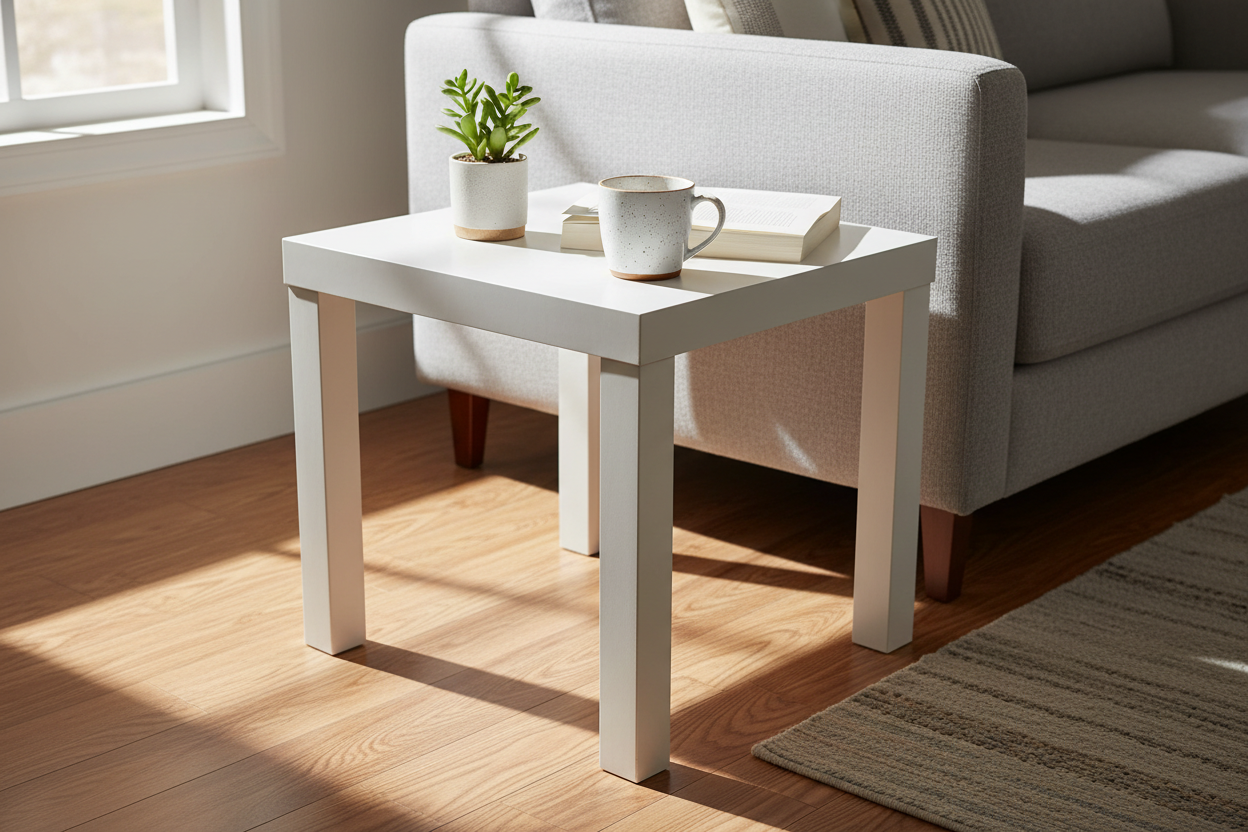
Walking into the massive blue and yellow warehouse, you almost always have a specific mission. Maybe you need a new mattress, or perhaps just a bag of frozen meatballs. But often, the goal is simpler: finding a place to put your coffee cup. The selection of side tables at ikea is vast, ranging from pieces that cost less than a lunch to substantial furniture meant to last decades. The sheer volume of choices can be overwhelming, and distinguishing between a temporary fix and a permanent fixture isn't always straightforward.
I learned this lesson the hard way a few years ago. I needed something quick for my first apartment, so I grabbed the cheapest option available. It did the job for about six months until a spilled glass of water caused the leg to swell and bubble. That experience changed how I shop. Now, when I look for an ikea side end table, I look past the price tag and inspect the materials, the finish, and the weight. There is incredible value to be found in those aisles, but you have to know what you are looking for.
Navigating the Material Maze: Particleboard vs. Real Wood
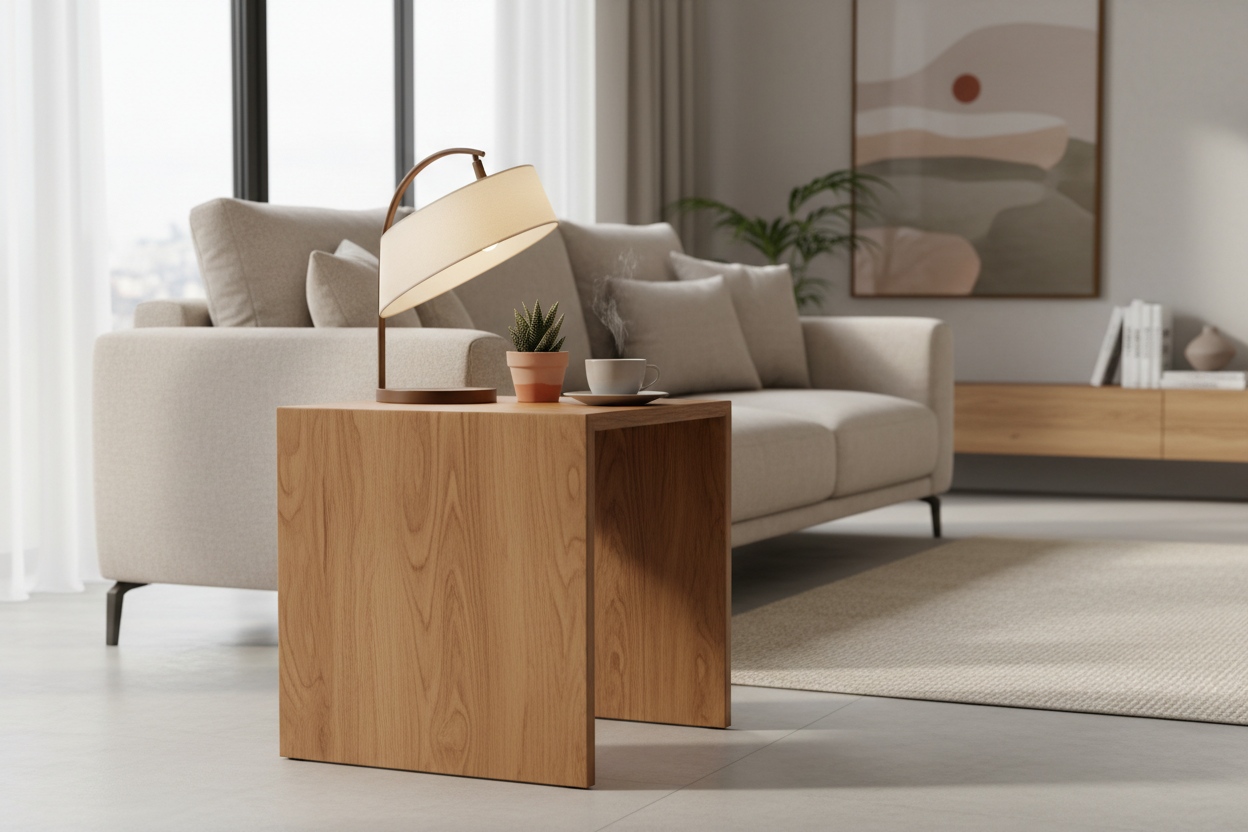
One of the biggest misconceptions is that everything in the store is made of hollow cardboard. While the ultra-budget lines often utilize a honeycomb paper filling structure to keep costs down and boxes light, there is a surprising depth to the catalog. If you are hunting for ikea wooden side tables, you have to read the product description tags carefully. The LISTERBY series, for example, offers a distinct step up in quality. These tables typically feature an ash or oak veneer over a sturdy core. They feel substantial, they don't wobble when you bump them, and the finish ages much better than the paper-foil coatings found on cheaper models.
Solid pine is another avenue worth exploring if you want longevity. The HEMNES line has historically been a go-to for this. Solid wood scratches, certainly, but it also forgives. A scratch on a solid wood table adds character or can be sanded out; a scratch on a foil-wrapped particleboard table reveals the brown pulp underneath and is impossible to fix invisibly. If you plan to keep the furniture for more than a couple of years, spending the extra money on veneer or solid wood is non-negotiable.
Solutions for Tight Corners and Tiny Apartments
Not everyone has a sprawling living room that can accommodate heavy furniture. In city living, floor space is the ultimate luxury. This is where the design engineering of an ikea small side table really shines. The GLADOM is a perfect example of smart design meeting utility. It is essentially a metal tray on legs. It is lightweight, easy to move when you need to vacuum, and the removable tray top is genuinely useful for serving drinks or clearing clutter in one swoop.
Another contender in the small-space category is the BURVIK. The handle on top seems like a gimmick until you actually live with it. Being able to lift the table with one hand while holding a vacuum or a book in the other changes the flow of a room. These metal and powder-coated options are also impervious to water rings, making them far less high-maintenance than their wooden counterparts. If you are prone to forgetting coasters, stick to metal or glass options like the VITTSJÖ.
Styling Your Space: More Than Just a Catch-All
Integrating these pieces into your home decor requires a bit of strategy. A common mistake is buying a table that is too low or too high for the seating next to it. Ideally, your side tables ikea purchase should sit at or slightly below the arm height of your sofa. This ensures that reaching for a lamp switch or a remote control feels natural, not like a yoga stretch.
Mixing and matching is often better than buying a matching set. If you have a heavy, upholstered velvet sofa, pairing it with a visual lightweight table like the LOVBACKEN creates balance. The LOVBACKEN, with its mid-century modern vibe and leaf shape, acts almost like a piece of sculpture. It breaks up the boxy lines of standard sectionals. Conversely, if your sofa is on raised legs and looks airy, a boxier, solid table like the HOL (which doubles as storage) can ground the space effectively.
The Assembly Reality Check
We cannot talk about this retailer without mentioning the assembly process. Small tables are generally the easiest entry point for DIY furniture construction. Most require only a screwdriver and perhaps twenty minutes of time. However, pay close attention to the legs. Many of the budget-friendly tables use double-ended screws that twist directly into the tabletop. Over-tightening these can strip the hole, leading to a wobbly table forever. Twist until it is just snug, then stop. If you are assembling a metal table, keep all screws loose until the very end, then tighten them in a diagonal pattern to ensure the table sits flat on the floor.
Longevity and Upcycling Potential
The lifespan of your furniture depends heavily on how you treat it. The cheaper LACK tables are essentially disposable if abused, but even they can last for years in a low-traffic guest room. The higher-end wooden and metal tables can survive multiple moves if disassembled properly. Keep the hex key taped to the underside of the table; you will thank yourself later when you move apartments and need to take the legs off.
Furthermore, these simple designs are blank canvases. The internet is full of "hacks" for a reason. A coat of spray paint on a metal base or applying contact paper to a glass top can transform a generic item into something that looks custom. I once took a plain pine table, stained it dark walnut, and swapped the knobs. It looked like an antique store find for a fraction of the price. This versatility is perhaps the strongest argument for browsing the side tables at ikea—you aren't just buying a finished product; you are buying a base that you can adapt as your style evolves.
Making the Final Decision
Ultimately, the right choice comes down to your lifestyle. If you have toddlers or rowdy pets, the durable, wipe-clean metal surfaces or affordable options that won't break your heart if damaged are the way to go. If you are settling into a forever home and want warmth and texture, invest in the wooden veneer lines. Measure your space, check the height of your sofa arms, and don't be afraid to mix materials. The perfect table is the one that serves your needs without demanding constant attention.
Frequently Asked Questions
Can I paint the laminate or veneer tables?
Yes, but preparation is key. You cannot paint directly over the smooth laminate finish because the paint will peel off. You must lightly sand the surface to create a grip, apply a high-quality primer designed for glossy surfaces, and then apply your topcoat.
How much weight can these side tables typically hold?
It varies significantly by model. The lightweight honeycomb-structure tables usually have a limit of around 10 to 15 pounds, meaning they are fine for a lamp and a book but not for standing on. Metal and solid wood options can typically support significantly more weight, often upwards of 30 to 50 pounds.
Are the glass topped tables safe for homes with kids?
Generally, yes, as the retailer uses tempered glass which shatters into small, dull cubes rather than jagged shards if broken. However, glass tables show fingerprints instantly and have hard edges, so many parents opt for rounded wooden or plastic options during the toddler years.

Leave a comment
This site is protected by hCaptcha and the hCaptcha Privacy Policy and Terms of Service apply.