










Rethinking the Workstation: Welcoming an Adjustable Desk into Living Spaces
The boundary between dedicated business space and residential relaxation has transformed dramatically. For many households, sequestering an office behind a closed door is either impractical or undesirable. As open layouts and shared living zones become the primary setting for daily tasks, selecting a living spaces standing desk requires an intentional shift in design thinking. The goal is no longer just utilitarian function; it is about sustaining residential warmth without sacrificing ergonomic adjustability.
The Rise of Dual-Purpose Living Rooms
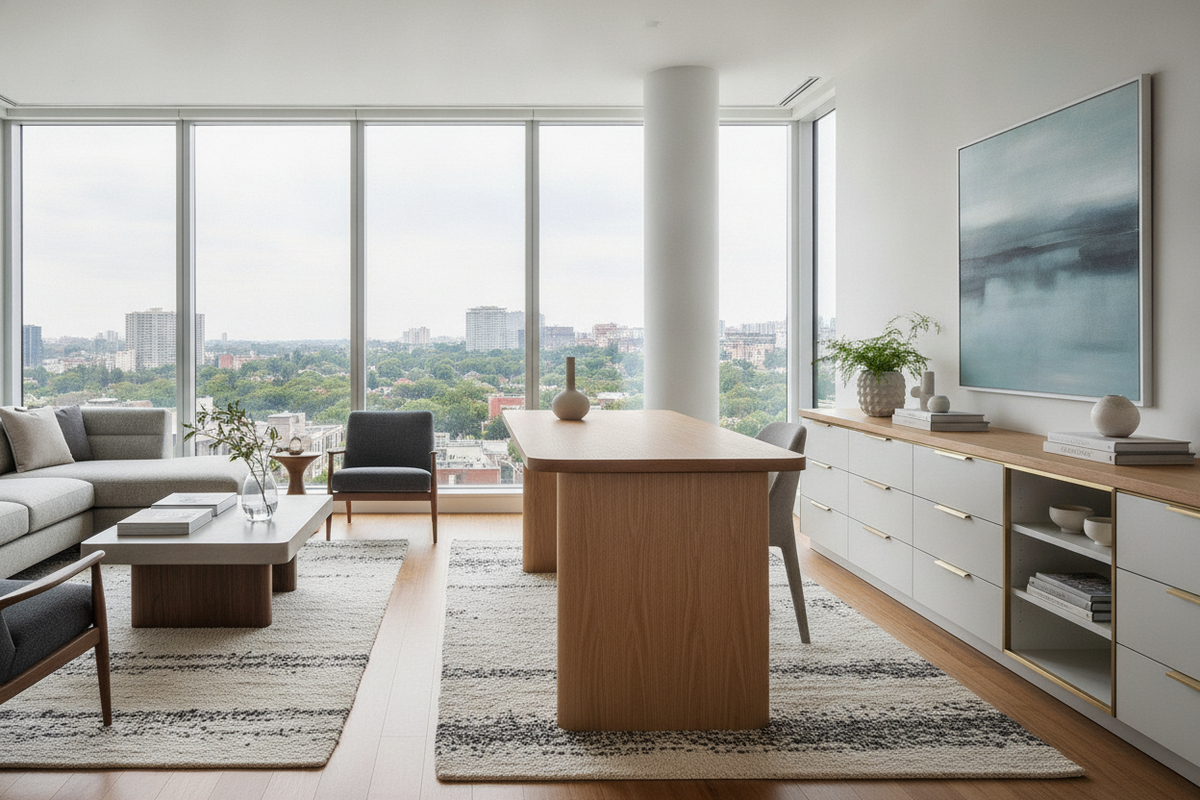
In modern apartments, condominiums, and open-plan homes, the living room frequently serves as an entertainment lounge, a gathering hub, and an active workstation. When planning a shared area, introducing height adjustability lets you switch between seated tasks and standing routines throughout the day. Exploring a thoughtfully designed curated standing desk collection reveals configurations that respect domestic comfort while supporting everyday productivity.
Aesthetic Cohesion vs. Utilitarian Design
Traditional contract furniture often introduces harsh angles, stark corporate laminate, and industrial steel frames that clash with upholstered sofas and warm wood trim. A successful living spaces adjustable desk circumvents this friction by balancing mechanical convenience with tactile materials, softened profiles, and finishes that echo surrounding architectural accents.
Dimensional Planning and Spatial Clearances in Shared Rooms
Positioning an adjustable desk within a high-traffic room demands deliberate spatial planning. Unlike a stationary table, a sit-stand desk moves through both horizontal and vertical volumes, affecting sightlines and physical clearance at every setting.
Footprint Categories: Compact, Standard, and Corner Formats
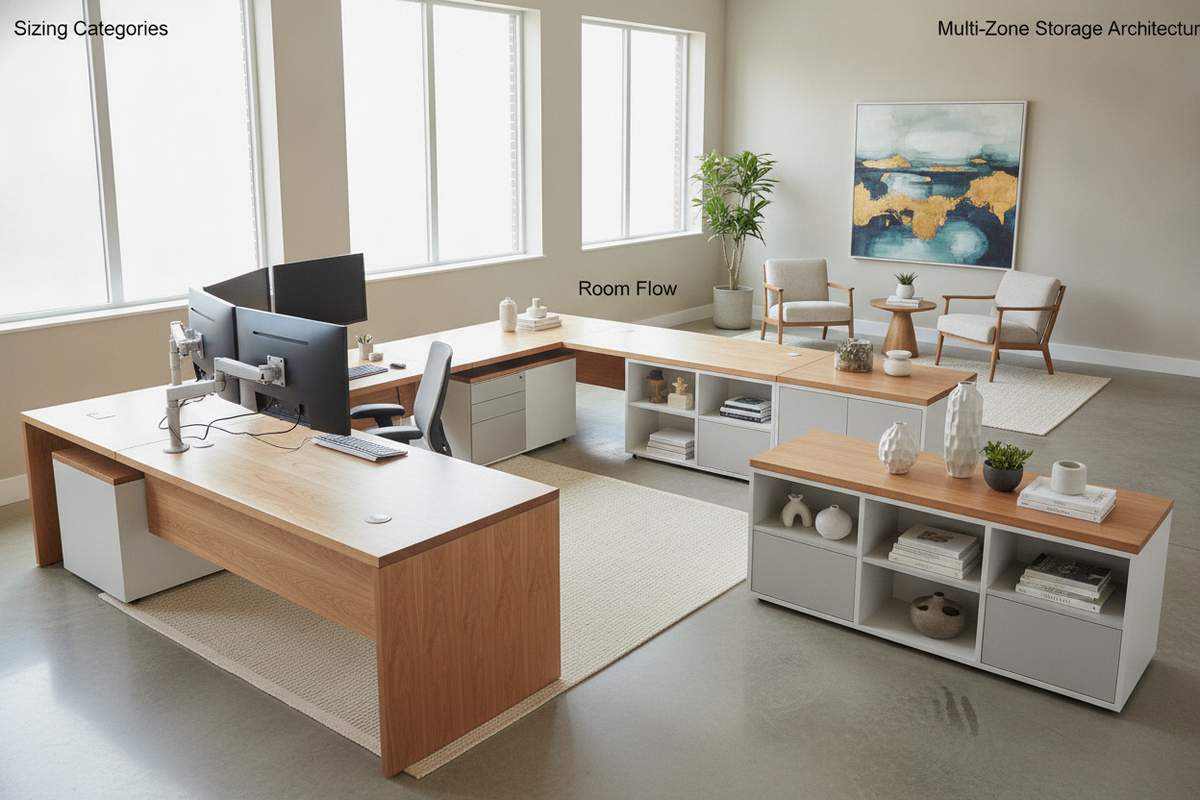
Understanding room scale is essential when establishing a permanent setup. Compact rectangular desks work well in unused alcoves or along shorter perimeter walls where depth is limited. For larger open-plan lounges, an L-shaped layout can define a distinct productivity zone while utilizing corner geometry. A versatile option like a rustic wood L-shaped electric height-adjustable desk offers generous surface area along with dedicated cabinetry, making it an effective anchor that fills a corner without dominating common pathways.
Circulation Pathways and Vertical Travel Clearances
Beyond the surface footprint, consider the dynamic path of travel. Ensure generous clearance behind your task chair so family members can walk past comfortably without navigating tight bottlenecks. Vertically, check that the desk will not collide with hanging art, floating shelving, wall sconces, or window sills when elevated to standing height.
Materiality and Style: Merging Mechanism with Residential Decor
Selecting the right materials allows an active desk to blend naturally alongside sideboards, coffee tables, and accent chairs.
Wood Tones, Textured Surfaces, and Warm Neutrals
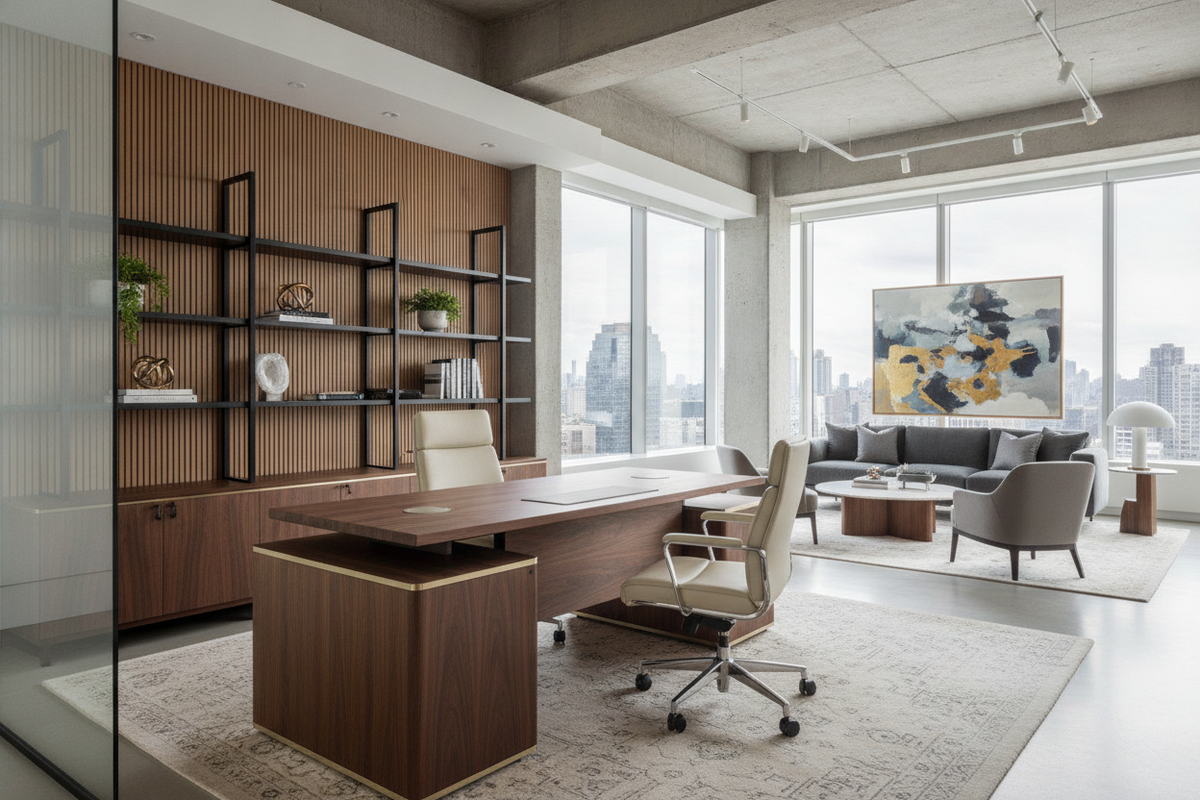
Rich walnut, warm oak, and rustic textured finishes help soften the visual presence of lifting columns and electric motors. Incorporating wood-grain textures establishes a visual dialogue with nearby shelving and credenzas. When designing a visually refined standing desk setup, prioritize tabletops with beveled or eased edges and matte finishes that resist glare under residential ambient lighting.
Under-Frame Geometry and Visual Weight
The base of a height-adjustable desk carries significant visual weight. Opt for column profiles with clean transitions and subtle, low-profile foot plates that keep floor lines open. Neutral frame shades like warm white, slate, or textured black ensure the lifting hardware recedes into the background rather than drawing undue attention in a relaxed living room setting.
Storage Architecture: Keeping Common Areas Free from Office Clutter
Office clutter can disrupt the tranquility of a shared living space. Loose papers, pens, charging cables, and hardware components quickly detract from the visual harmony of an open-plan room.
Integrated Drawers and Side Cabinetry
A primary strategy for maintaining order is choosing a desk with integrated concealed storage. A model such as a walnut electric standing desk with integrated storage offers drawers, shelving compartments, and an organized understructure. This enclosed capacity allows you to store paperwork, tablets, and peripherals out of sight once the workday ends.
Coordinating with Free-Standing Living Room Storage
If your chosen desk has a minimalist top without built-in compartments, pair the surface with nearby storage furniture. Incorporating freestanding living room storage cabinets alongside your workstation provides a cohesive look while offering deep shelving for binders, office equipment, and personal decor without requiring permanent structural modifications.
Cable Architecture and Aesthetic Cleanliness in Open Views
Because living room furniture is viewed from multiple vantage points, exposed wiring can immediately compromise an otherwise polished interior design.
Dynamic Wire Management for Sit-Stand Travel
Unlike fixed tables, adjustable desks require enough cable slack to travel smoothly between seated and standing elevations. Use flexible cable spines, mesh routing sleeves, or underside raceways that bundle power and display lines into a single, clean pathway. Anchoring wires along the desk leg ensures cables remain tidy throughout the full range of movement.
Concealed Power and Surface Docking
Mounting a power strip directly to the underside of the desktop minimizes dangling cords. By plugging all desktop accessories into a centralized under-desk strip, only a single master power cord needs to extend to the wall outlet. Adding integrated surface grommets or recessed trays keeps desktop docks, chargers, and laptop adapters neatly out of view.
Layout Scenarios: Four Ways to Position an Adjustable Desk in Living Zones
Finding the right floor plan balances natural lighting, circulation, and social interaction.
- The Floating Sofa-Back Placement: Placing a desk directly behind a floating living room sofa creates a clean spatial divider. In this arrangement, the back of the sofa visually conceals the lower desk frame while keeping the room feeling connected and open.
- The Architectural Alcove: Recessed nooks, structural alcoves, and spaces beside chimney breasts provide natural enclosures for a desk. Framing the desk within an alcove keeps sightlines open and preserves central floor space.
- The Window-Flanking Arrangement: Orienting the desk perpendicular to an exterior window invites indirect daylight while avoiding harsh screen reflections. This orientation also lets you look outside during brief pauses throughout the workday.
- The Perimeter Multi-Use Corner: Placing an L-shaped or compact desk into an underutilized room corner establishes a distinct micro-zone that does not intrude on main lounge seating or television viewing areas.
Decision Checklist for Selecting Your Living Room Sit-Stand Desk
Before introducing an adjustable desk to your shared living space, review this practical evaluation checklist:
- Proportional Scale: Does the desk length and depth leave adequate space for walkways and adjacent seating?
- Aesthetic Alignment: Does the desktop finish complement existing credenzas, tables, and flooring?
- Concealed Storage Capacity: Does the desk include integrated drawers or sit near independent storage to quickly clear away work items?
- Cable Concealment: Are there under-desk trays and routing channels to prevent dangling cords when the desk is raised?
- Vertical Clearance: Is the wall above the desk free from artwork, mirrors, or window treatments that could block vertical movement?

Leave a comment
This site is protected by hCaptcha and the hCaptcha Privacy Policy and Terms of Service apply.