










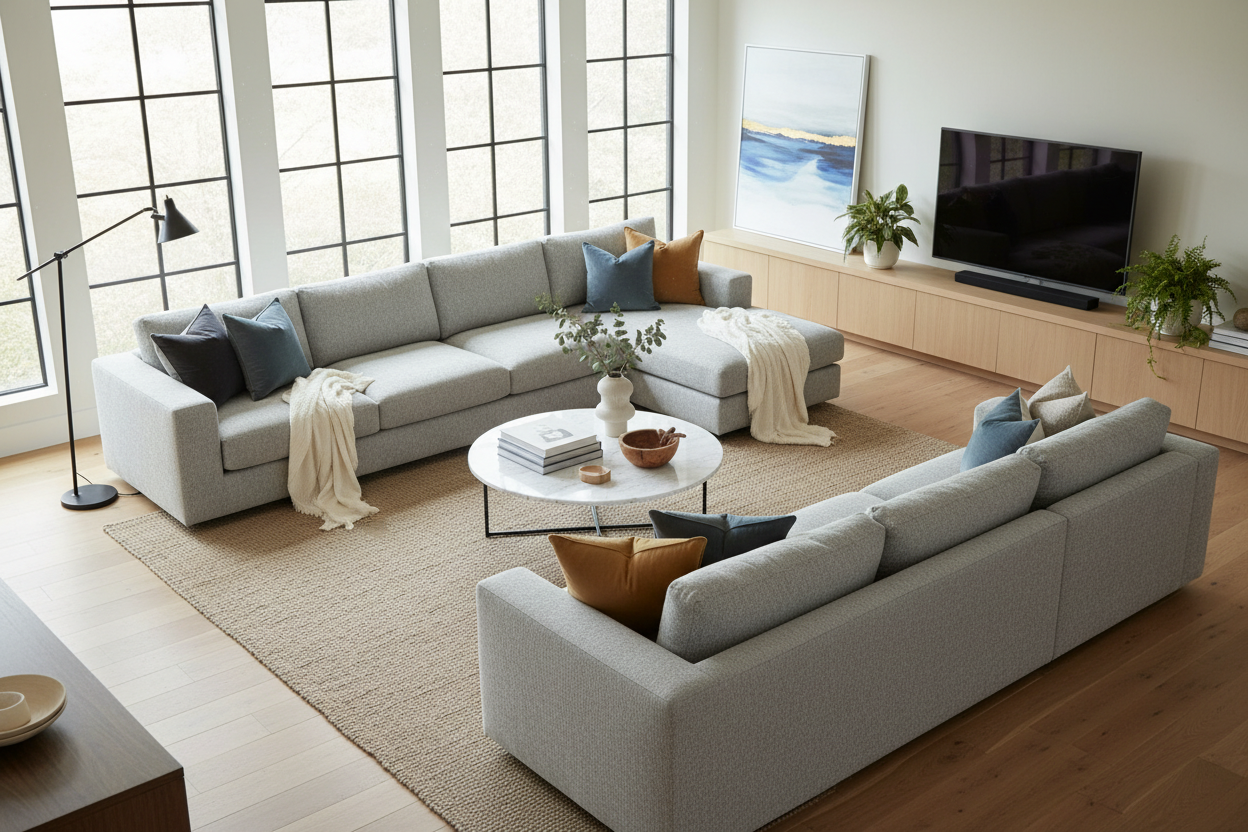
There is a specific tension in interior design when dealing with open-plan living rooms or expansive family dens. You need furniture that anchors the room without dominating the visual flow. The dilemma often lies in finding a seating arrangement that encourages conversation while offering enough real estate for lounging. This is where the **3 piece corner couch** excels. Unlike a rigid standard sofa or a chaotic mix of armchairs, this configuration offers a modular solution that balances architectural structure with deep, inviting comfort.
Key Features to Look For
- Joinery & Frame: Look for kiln-dried hardwood frames. This prevents warping over time, which is critical for sectional pieces that rely on precise alignment.
- Connector Mechanisms: High-quality "alligator" clips or heavy-duty metal brackets are non-negotiable to keep the three sections from drifting apart.
- Cushion Composition: A high-density foam core wrapped in down or dacron ensures the seat retains its shape while offering that "sink-in" luxury.
- Fabric Durability: For high-traffic areas, aim for a Martindale rub count above 25,000. Performance velvets and crypton fabrics are top choices.
Analyzing the Layout and Flow
As a designer, I often see homeowners push a 3 piece corner sofa directly against two walls. While this maximizes floor space, it often kills the room's energy. If your square footage allows, try "floating" the piece. Pulling the sofa even six inches off the wall creates a shadow line that makes the room feel airier.
The beauty of the three piece corner sofa lies in its versatility. Typically consisting of a left-arm loveseat, a corner wedge, and a right-arm loveseat (or chaise), this setup defines the "zone" of the living area. When placing it, consider the sightlines. The back of the sofa should not create a visual barricade upon entering the room. If the back must face the entrance, soften that harsh horizontal line with a slim console table styled with books and low-profile decor.
Materiality and Texture
Because of its sheer size, a corner couch introduces a massive block of color into your palette. This is not the place for cheap synthetic blends that shine under recessed lighting. I always advise clients to lean toward natural textures or high-end performance weaves.
The Visual Weight of Fabric
A heavy, dark leather creates a masculine, grounded aesthetic but can feel imposing in a room with low ceilings. Conversely, a linen-blend slipcover offers a relaxed, coastal vibe but requires constant steaming to look crisp. If you are opting for a neutral tone, texture is your best friend. A bouclé or a heavy basketweave adds dimension that prevents a large beige sectional from looking flat.
Ergonomics and Cushion Density
The "corner" seat is often the most contentious spot on a three piece corner sofa. In cheaper models, the corner wedge is often shallower or harder than the adjacent seats. When testing a sofa, sit specifically in the corner. Can you curl your legs up? Is the back support consistent with the rest of the frame?
Furthermore, consider the seat depth. A standard depth is around 21 to 24 inches. If you prefer a lounge-heavy lifestyle, look for "deep seat" options ranging from 25 to 30 inches, but be aware that this footprint will eat into your walking paths.
Lessons from My Own Projects
I want to share a specific detail that rarely makes it into the glossy brochures but has caused headaches on several of my installs. It concerns the "drift." I once specified a stunning, Italian-made 3 piece corner couch for a client with polished concrete floors. The aesthetic was flawless, but functionally, it was a disaster initially.
Because the sectional pieces were lightweight and the floor was slick, the three pieces would slide apart every time someone flopped down, creating a gap that swallowed remotes and phones. The factory-installed connectors were plastic and snapped under the torque. We had to retrofit the underside with heavy-duty rubber non-slip pads and install aftermarket metal alligator clips to lock the frame together. If you have hard flooring (wood, tile, concrete), do not underestimate the need for serious grip on the feet of the sofa. It’s a small, unpolished detail that determines whether you love your furniture or fight with it daily.
Conclusion
Investing in a sectional is about more than just filling a corner; it is about curating a lifestyle of comfort and connection. By focusing on the structural integrity, fabric performance, and spatial dynamics, your new seating will serve as the grounding element of your home for years to come. Measure twice, check the connectors, and choose a silhouette that speaks to your personal aesthetic.
Frequently Asked Questions
How do I clean a fabric 3 piece corner sofa?
Check the cleaning code on the tag first (W, S, or SW). For general maintenance, vacuum weekly with a soft brush attachment to remove dust and prevent dirt from embedding in the fibers. Rotate the cushions monthly to ensure even wear and prevent permanent indentations.
Can a three piece corner sofa fit in a small apartment?
Yes, but scale is everything. Look for "apartment size" sectionals where the depth is reduced (around 35 inches total depth) and the arms are slim or track-style. Avoid rolled arms, which add unnecessary width without increasing seating space.
What is the difference between a modular and a stationary 3 piece sectional?
A stationary 3 piece sectional usually locks together in a specific L-shape configuration and cannot be rearranged. A modular version allows you to separate the pieces to create a long sofa and a separate chair, or rearrange the layout entirely, offering more flexibility for future moves.

Leave a comment
This site is protected by hCaptcha and the hCaptcha Privacy Policy and Terms of Service apply.