










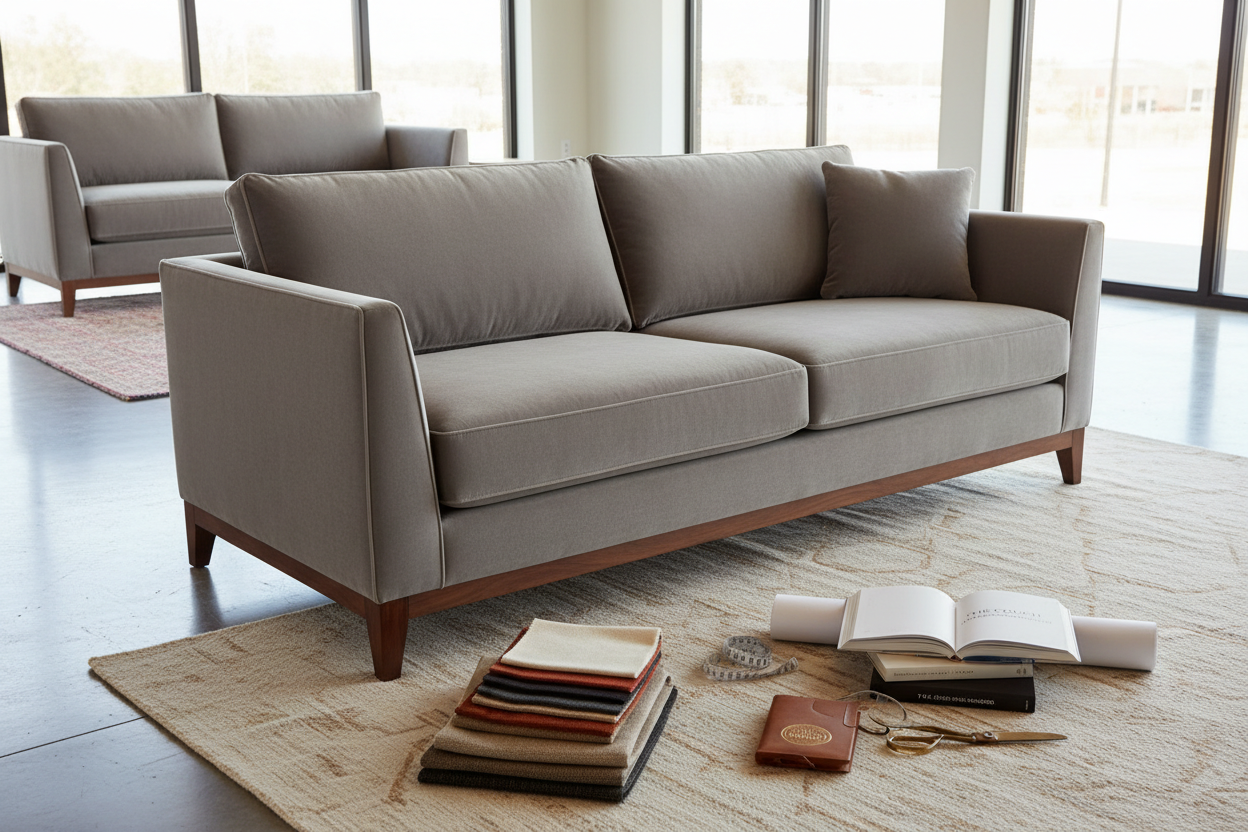
There is a specific paralysis that sets in when you stand in a showroom or scroll through endless catalog pages. You aren't just looking for a place to sit; you are hunting for the anchor of your home’s social life. The search for the best couch for living room layouts is rarely about finding the most expensive piece, but rather finding the intersection of structural integrity, tactile comfort, and appropriate scale.
Too often, I see clients swayed by a trending silhouette, only to realize six months later that the fabric pills or the frame creaks. As a designer, my goal is to help you look past the throw pillows and understand the architecture of the furniture you are buying.
Quick Decision Guide
If you are rushing through a showroom or browsing online, check these four critical specifications immediately to gauge quality:
- Frame Material: Look for kiln-dried hardwood (oak, maple, or ash). Avoid particleboard or standard plywood, which warp over time.
- Suspension System: Eight-way hand-tied springs are the gold standard for longevity, though heavy-gauge sinuous springs are acceptable for modern, low-profile styles.
- Cushion Fill: High-resiliency (HR) foam wrapped in down provides the best balance of structure and softness. 100% down requires daily fluffing; 100% foam feels stiff.
- Joinery: Ensure the frame uses corner blocks that are glued and screwed. Staples alone are a red flag for durability.
Choosing the Right Material
The upholstery is the first thing you see, but it is also the first point of failure. When selecting the best living room couches for high-traffic areas, the "rub count" (double rubs) matters. For a family home, I never recommend anything under 25,000 double rubs.
Fabric vs. Leather
Fabric offers a softer, warmer tactile experience and endless pattern possibilities. However, if you are looking for the best sofas for living room longevity in a home with pets, top-grain leather is superior. It develops a patina rather than wearing out. Be wary of "bonded leather," which is essentially a synthetic slurry that will peel within two years.
Performance Fabrics
Gone are the days when performance fabric felt like stiff canvas. Modern Crypton and high-performance velvets offer incredible stain resistance while maintaining a luxe hand-feel. If you have children or entertain frequently, these are non-negotiable.
Space Planning & Layout
The most common mistake I correct is scale. A sofa that looks modest in a warehouse-sized showroom can easily swallow a standard apartment living room. When evaluating the best sofa sets or individual pieces, you must account for flow.
You need a minimum of 30 inches of walking path around the seating area. Furthermore, the coffee table should be roughly 18 inches from the edge of the seat—close enough to set a drink down, far enough to stretch your legs. Pay attention to the "visual weight" as well; a sofa with legs will make a small room feel airier than a skirted sofa that sits flush to the floor.
Evaluating Comfort and Ergonomics
Ergonomics is not just for office chairs. The best living room sofa must support your lifestyle. If you enjoy lounging or napping, look for a seat depth of at least 24 inches (deep). If you prefer sitting upright for conversation or reading, a depth of 20 to 22 inches with a tighter back is preferable.
Consider the seat height as well. Standard height is around 18 inches. Anything lower can be difficult for taller guests or older relatives to stand up from, regardless of how stylish the low-slung Italian design looks.
Lessons from My Own Projects
I want to share a specific realization I had while sourcing furniture for a loft project in Chicago. We bought what looked like the perfect "cloud" style sofa—deep, plush, and incredibly soft. It was beautiful in photos.
However, the reality of living with it was different. Because the cushions were 100% down-filled without a foam core, the sofa looked "messy" the moment someone stood up. My client called me a month later saying, "I feel like I'm working for my couch because I have to fluff it every time I leave the room."
This taught me a vital lesson I now pass to you: Maintenance is a design feature. If you are Type A and hate wrinkles, do not buy loose-back, down-filled sofas. Opt for a tight-back design or a high-density foam core. The best couch is one that serves you, not one you have to serve.
Conclusion
Investing in the right furniture is about playing the long game. By prioritizing kiln-dried frames, appropriate scale, and honest materials, you ensure that your purchase remains a centerpiece rather than becoming a regret. Measure twice, check the joinery, and trust your touch.
Frequently Asked Questions
How long should a quality couch last?
A high-quality sofa with a kiln-dried hardwood frame and proper suspension should last between 15 to 25 years. Lower-end models often begin to sag or squeak within 5 years.
What is the standard size for a 3-seater sofa?
While sizes vary by style, a standard three-seater usually measures between 84 and 90 inches in width. Always measure your entryways and hallways before purchasing to ensure delivery is possible.
Is a sectional or a standard sofa better for a small room?
Counter-intuitively, a sectional can sometimes work better in a small room because it utilizes corner space that is often dead weight. However, a standard sofa paired with an accent chair usually offers more flexibility for layout changes.


Leave a comment
This site is protected by hCaptcha and the hCaptcha Privacy Policy and Terms of Service apply.