










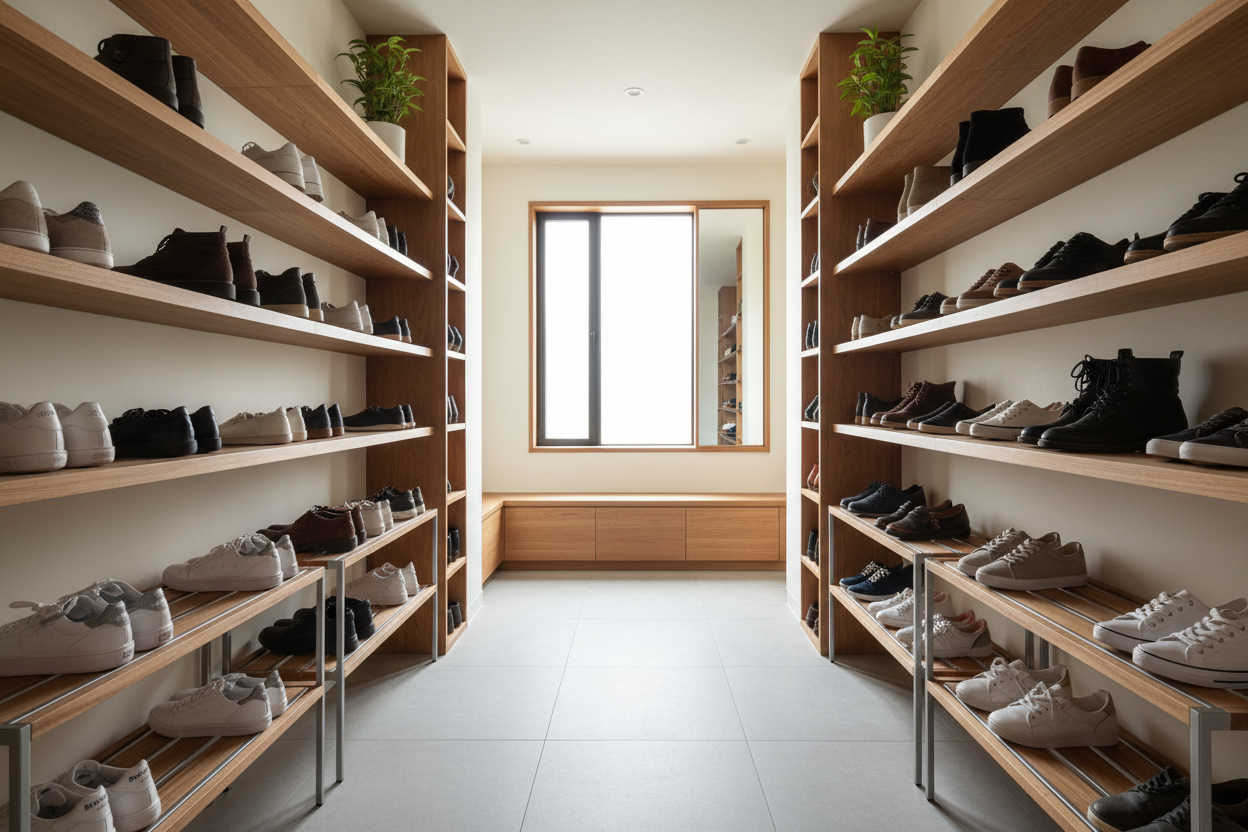
The hallway is often the most neglected area of a home, yet it handles the highest traffic. It serves as the landing strip for your life, catching keys, mail, muddy boots, and school bags the moment you walk through the door. If you don't have a dedicated system in place, this narrow corridor quickly becomes an obstacle course. The most effective way to reclaim this square footage without sacrificing floor space is by utilizing verticality through strategic hallway shelving. By moving storage up the walls, you clear the path for walking while creating a designated home for your daily essentials.
Many homeowners make the mistake of thinking their hallway is too small for furniture. In reality, the smaller the space, the more you need a structure to contain the chaos. The trick isn't to avoid storage, but to choose the right depth and configuration. Whether you are looking for a sleek floating design or a robust freestanding hallway shelving unit, the goal is to maximize utility without creating a bottleneck.
The Golden Rule of Hallway Depth
Before you even look at a catalog or head to the lumber yard, you have to measure your clearance. I learned this the hard way in my first apartment, a classic walk-up with a corridor that felt more like a tunnel. I enthusiastically bought a standard 15-inch deep bookcase, thinking it would solve my clutter problems. It did hold my books, but every time I walked past it carrying groceries, I banged my elbow. It made the hall feel claustrophobic.
For a comfortable pass-through, you generally want to keep at least 36 inches of clear walking width. If your hall is 48 inches wide, you can afford a 12-inch deep unit. If it is tighter, you need to look at slim-profile hallway storage shelves that are 6 to 8 inches deep. These shallow depths are surprisingly useful; they are perfect for single rows of shoes, paperback books, or picture frames, but they don't encroach on your personal space.
Choosing the Right System for Your Walls
Once you know your dimensions, you have to decide between fixed wall-mounted options and freestanding units. This choice usually comes down to whether you own the home and the condition of your walls.
Floating shelves are the gold standard for narrow entries. Because they have no legs touching the floor, they maintain the visual illusion of space. The eye can travel all the way to the skirting board, making the hallway feel wider than it is. When installing a hall storage shelf in this style, consider staggering them. A shelf at waist height serves as a console for keys and mail, while higher shelves can hold decorative items or baskets for winter gear.
Freestanding units, on the other hand, offer flexibility. A slim console table with a bottom rack or a tall, ladder-style hallway shelving unit can provide significant storage without requiring a drill. These are particularly good for renters who want to avoid patching drywall later. Look for units with open backs; seeing the wall color through the shelves keeps the piece from feeling heavy or blocky.
Functional Styling: Making It Work Harder
Installing the shelves is only half the battle. How you organize them determines whether they remain a helpful tool or become a clutter magnet. The "drop zone" concept is vital here. You need a specific spot for the things you carry in your pockets. A small bowl or tray on your primary hallway storage shelf prevents keys from migrating to the kitchen counter or getting lost in sofa cushions.
For the unsightly items—dog leashes, charging cables, and miscellaneous paperwork—baskets are your best friend. Woven baskets or fabric bins add texture to the space and hide the mess. If you are using open hall storage shelves, try to group items by category. Dedicate one bin to hats and gloves and another to outgoing mail. This hides the visual noise and makes leaving the house in the morning much faster.
Lighting and Atmosphere
Hallways often suffer from poor lighting, which makes them feel smaller and gloomier. Your shelving can actually help solve this. If you have a deep shelf, placing a small table lamp on it adds a pool of warm light that invites you into the home. For floating shelves where cords might be messy, consider battery-operated puck lights mounted to the underside of a shelf to illuminate the items below. This creates a gallery effect, turning your storage solution into a design feature.
Materials and Durability
High-traffic areas take a beating. Purses scrape against walls, wet umbrellas lean against furniture, and heavy bags get dropped on surfaces. When selecting a hallway storage shelf, prioritize materials that can wipe clean. Metal and treated wood are excellent choices. Unfinished wood might stain if it comes into contact with wet raincoats or muddy gloves.
If you are building your own hall storage shelves using brackets and timber, ensure you are anchoring them into studs. A hallway shelf loaded with books or heavy ceramics can easily rip out of drywall if only supported by plastic plugs. For heavier loads, use toggle bolts if studs aren't located exactly where you need the shelf to be. The hardware you choose also contributes to the aesthetic; heavy iron brackets give an industrial farmhouse vibe, while hidden blind shelf supports offer a modern, minimalist look.
The Shoe Situation
Shoes are the primary culprit of hallway clutter. Standard shelving often isn't deep enough for adult shoes to sit flat. A clever workaround is to install shelves at a slight angle, slanting downward toward the wall with a lip on the front edge. This reduces the depth required to store the shoes. Alternatively, you can use flat hallway storage shelves and store shoes heel-to-toe or in mesh bins. Keeping the floor clear of footwear instantly makes the hallway feel twice as big and much easier to clean.
Ultimately, the best storage solution is one that fits your specific lifestyle. Whether you need a heavy-duty place for backpacks or a delicate ledge for photos, reclaiming that vertical space changes the entire flow of your home. It stops the hallway from being just a passage you rush through and turns it into a functional, welcoming part of your living space.
Frequently Asked Questions
How high should I hang a hallway shelf?
For a main "drop zone" shelf meant for keys and mail, waist height (approx. 30-36 inches from the floor) is ergonomic and standard. If you are installing overhead storage for items you don't need daily, ensure the lowest shelf is at least 6 feet high so it doesn't interfere with headroom or sightlines.
What if my hallway is too narrow for standard shelves?
Look for picture ledges or spice rack-style shelves. These are typically only 3 to 4 inches deep. While they won't hold large boxes, they are perfect for displaying art, holding keys, or storing mail without obstructing the walkway in even the tightest corridors.
Can I use a bookshelf as a hallway unit?
Yes, but be mindful of the depth. Standard bookcases are often 11-12 inches deep, which can block traffic in a narrow hall. Ensure you anchor the bookcase to the wall for safety, as tall, narrow furniture can be prone to tipping in high-traffic areas.


Leave a comment
This site is protected by hCaptcha and the hCaptcha Privacy Policy and Terms of Service apply.