










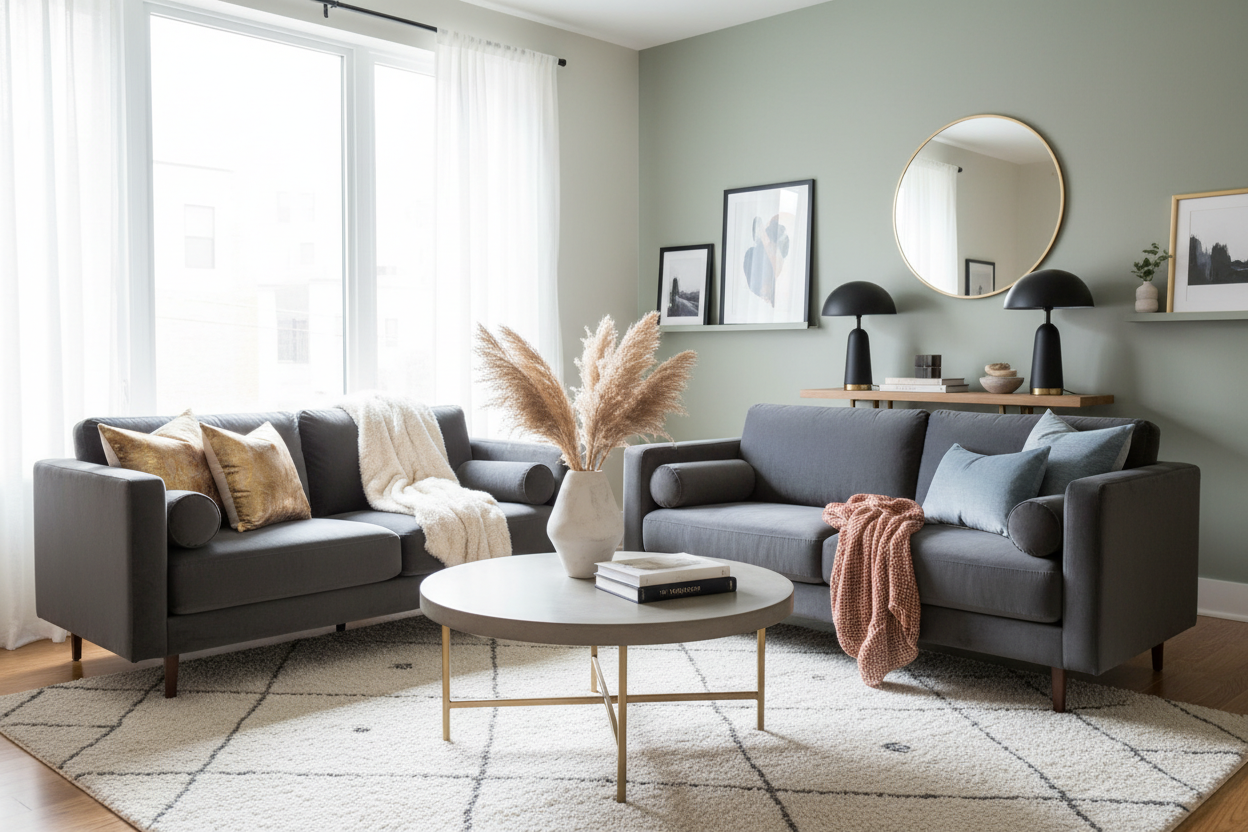
There is a pervasive myth in interior design that a stylish living room requires a four-figure seating investment. As a designer who has staged countless starter apartments and accessory dwelling units, I can tell you that simply isn't true. The challenge isn't finding affordable furniture; it is discerning which pieces offer structural integrity alongside aesthetic appeal. You can absolutely find the best couches under 300 if you know how to look past the stock photos and evaluate the specifications like a pro. This guide will walk you through securing a focal point for your room that respects your budget without compromising your design vision.
Quick Decision Guide: What to Prioritize
When shopping in this specific price bracket, you cannot have it all. You must prioritize features that impact longevity and comfort. Here is the hierarchy of needs for budget seating:
- Frame Material: Look for kiln-dried hardwood or reinforced metal frames rather than particleboard, which can warp in humid environments.
- Upholstery Type: Opt for tight-weave polyester or performance velvet. These mimic high-end textures while resisting stains better than cheap cotton blends.
- Cushion Construction: High-density foam is non-negotiable. If the density isn't listed, check customer photos for sagging.
- Assembly Method: Most best sofas under 300 are flat-pack. Look for designs that use metal-on-metal brackets rather than just wood screws for stability.
Assessing Build Quality and Material
At the sub-$300 mark, you are often looking at what we call "fast furniture," but that does not mean it has to be disposable. The secret lies in the skeleton of the sofa. Avoid softwoods like pine if they aren't reinforced, as they can crack under dynamic weight (the force of someone flopping down).
The Foam Factor
In luxury furniture, we talk about down-wrapped cores. In this category, your focus is foam resilience. Many budget options use low-density foam that feels great for the first month but pancakes shortly after. When researching the best couches under $300, look for descriptions mentioning "high-resilience" foam or spring-coil supports within the cushion, which help maintain the seat's shape and loft over time.
Choosing the Right Silhouette for Your Space
Visual balance is critical when working with budget-friendly pieces. Cheaper sofas often lack the intricate detailing of bespoke furniture, so simpler is better. A clean-lined, mid-century modern silhouette works best here. The tapered legs elevate the piece off the floor, increasing the sense of flow and ambient space in smaller rooms.
Scale and Proportion
Be mindful of depth. Many economical sofas are shallower (around 30-32 inches deep) compared to the standard 38-40 inches. While this is excellent for small space planning, it changes the ergonomics of how you lounge. If you are tall, ensure the seat depth is at least 20 inches to avoid feeling like you are perched on a bench.
Elevating the Look with Texture
The easiest giveaway of a budget sofa is shiny, synthetic-looking fabric. To counter this, lean into textures that absorb light rather than reflect it. A matte linen-look weave or a brushed velvet adds depth and sophistication. Avoid faux leather in this price range; it tends to peel and lacks the warm hand-feel of genuine hide.
My Personal Take on Best Couches Under 300
I recently worked on a project for a client's guest cottage where the budget was incredibly tight. We sourced a compact, tufted sofa that fit the "best sofas under 300" criteria perfectly on paper. However, once it arrived, the reality of the assembly hit me. It wasn't just about screwing in legs; the backrest slid onto the base via metal brackets.
Here is the unpolished truth: the back cushions were vacuum-sealed so tightly they looked like wrinkled raisins for three days. I had to use a handheld steamer (carefully) to relax the foam and fabric. Furthermore, the throw pillows that came with it were flimsy and undersized. My workaround? I immediately tossed the included pillows and styled it with two heavy, down-filled 20-inch cushions I sourced separately. The added weight and structure of the premium pillows completely masked the lighter weight of the sofa frame. It looked like a million bucks, but only because we manipulated the styling.
Conclusion
Finding a gem in the budget aisle requires a keen eye for detail and a bit of patience. By focusing on simple silhouettes, durable weave fabrics, and solid assembly mechanisms, you can secure a piece that anchors your living space beautifully. Remember, a sofa is just a canvas; how you dress it with throws, lighting, and surrounding decor defines the final aesthetic.
Frequently Asked Questions
-
How long can I expect a sofa under $300 to last?
With daily use, expect a lifespan of 2 to 4 years. You can extend this by rotating cushions regularly and tightening the leg bolts every six months to prevent wobbling. -
Are these couches suitable for heavy daily use?
They are best suited for apartments, home offices, or secondary living areas. If this is your primary family sofa for movie nights, consider reinforcing the frame or adding a heavy rug underneath to prevent shifting. -
How do I clean budget-friendly upholstery?
Most options in this range use synthetic blends like polyester. Stick to water-based cleaners (Code W) and avoid harsh solvents that can dissolve the backing of thinner fabrics.

Leave a comment
This site is protected by hCaptcha and the hCaptcha Privacy Policy and Terms of Service apply.