










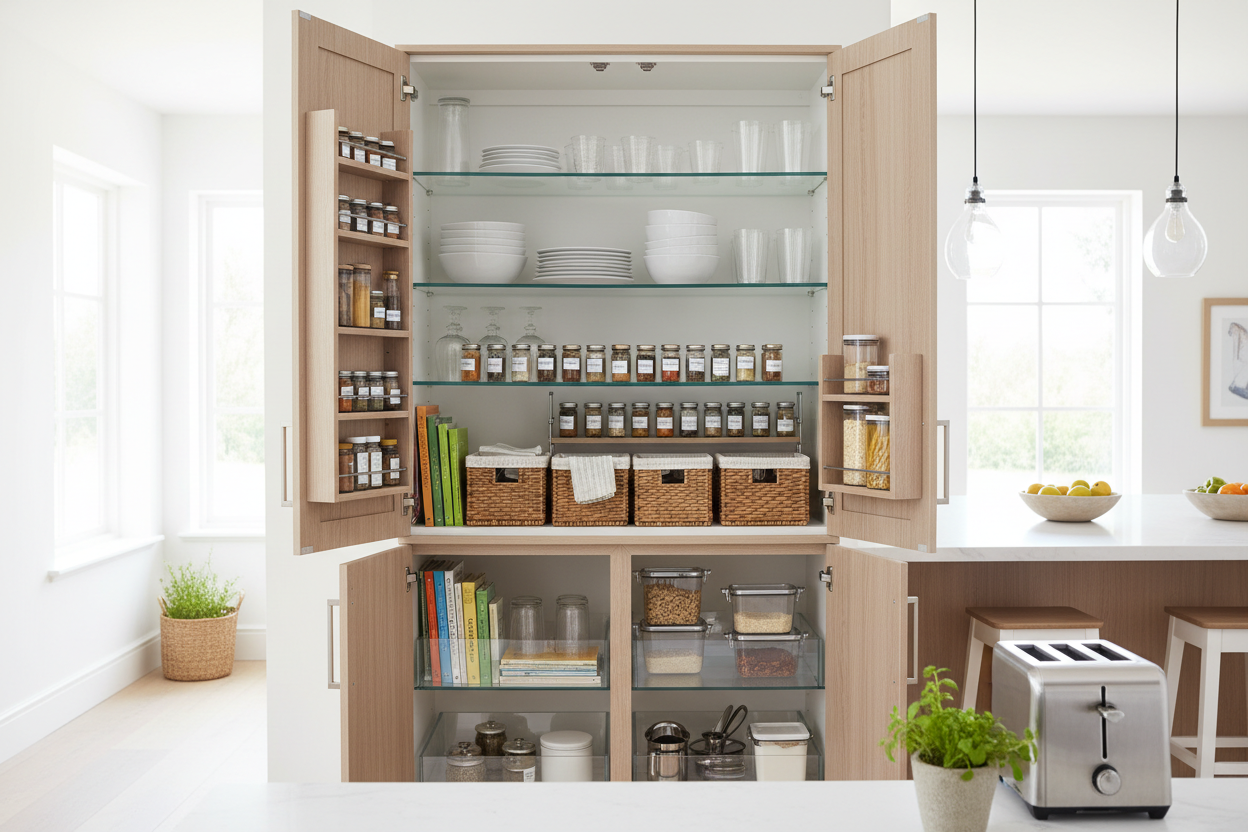
Visual clutter in the kitchen creates mental clutter. When every appliance, spice jar, and cereal box is fighting for counter space, cooking stops being a joy and starts feeling like an obstacle course. The most effective way to reclaim your culinary sanctuary isn't necessarily a full remodel; often, the solution is simply adding a dedicated kitchen storage cabinet with doors and shelves. This single piece of furniture solves two problems simultaneously: it provides vertical real estate to organize your goods and, perhaps more importantly, offers physical doors to hide the inevitable mess.
Finding the right unit requires more than just picking a color you like. You need to consider weight capacity, spatial footprint, and accessibility. Whether you are looking for a pantry substitute or a place to hide your air fryer, the goal is to move items off your workspace and behind a closed facade. A well-chosen unit acts as a reset button for your kitchen's aesthetic.
My Battle with the Open Concept
I learned the value of closed storage the hard way. A few years ago, I lived in an apartment with trendy open shelving. It looked magnificent on Instagram. In reality, it was a nightmare. Every mismatched mug and bag of flour was on display, and if I didn't stack the plates perfectly, the whole room looked chaotic. Dust mixed with grease was a constant issue.
The turning point came when I bought a standalone storage cabinet with doors for kitchen use. Suddenly, I didn't have to decant every type of pasta into matching glass jars just to keep the room looking tidy. I could toss the ugly packaging behind the cabinet doors and shut them. That piece of furniture didn't just hold food; it gave me permission to be imperfect. Since then, I have always prioritized kitchen storage cabinets with doors over open shelving for the bulk of my kitchenware. It is a practical choice that saves time on cleaning and styling.
Why Concealed Storage Beats Open Shelving
Open shelving has its place, usually for displaying your absolute best stoneware or a collection of cookbooks. For everything else, you want coverage. A kitchen shelf with door capability offers a visual calm that open racks cannot achieve. When you walk into the kitchen to make coffee in the morning, you don't want to be greeted by a visual to-do list of disorganized vitamins and canned soups.
Kitchen shelves with doors protect your items from the specific environment of a kitchen. Airborne grease is a real issue in active cooking spaces. If you store your stand mixer or blender on an open rack, you will likely find a sticky film on it after a few weeks. Placing these appliances inside kitchen storage shelves with doors keeps them clean and ready to use immediately, sparing you the pre-cooking scrub down.
Choosing the Right Unit for Your Space
Not all storage is created equal. The market is flooded with flimsy particle board units that bow under the weight of a single cast-iron skillet. When shopping for kitchen storage with doors, pay close attention to the construction of the shelving inside. Adjustable shelves are superior because they allow you to customize the height for tall cereal boxes or bulky appliances.
Freestanding vs. Built-in
If you are renting or plan to move eventually, kitchen shelving units with doors that are freestanding are your best bet. These offer flexibility. You can move a pantry cabinet to the dining room or even a hallway if your kitchen layout changes. A freestanding kitchen cabinet with doors and shelves acts as a mobile pantry. Conversely, if you own your home and have a weirdly shaped alcove, a built-in unit might maximize that specific square footage better, though it lacks versatility.
Material Matters
For holding heavy items like canned goods or small appliances, look for solid wood or metal reinforcements. A shelf with doors for kitchen storage needs to handle significant weight. If you opt for a composite material, check the manufacturer's weight rating per shelf. Nothing is more disheartening than seeing your new pantry shelves sag in the middle after loading them with tomato sauce jars.
Organizing the Inside for Maximum Efficiency
Once you have your shelves with doors for kitchen organization set up, the way you pack them matters. Buying the cabinet is step one; organizing it is step two. Avoid the trap of just shoving things inside and closing the door. While the door hides the mess from guests, you still have to live with it.
Group items by category. Dedicate one shelf to baking supplies, another to grains, and the bottom area for heavy appliances. Using clear bins inside your food storage shelves with doors can act as drawers, allowing you to pull out a whole category of items at once without digging to the back. This is particularly useful for deep cabinets where items tend to get lost in the shadows.
If your unit has a tall vertical space, consider adding shelf risers. These double your surface area for smaller items like mugs or canned goods. The goal for any kitchen storage shelf with doors is to ensure you can see what you have so you don't end up buying a fifth bottle of cumin.
Aesthetic Considerations
Functionality reigns supreme, but the piece acts as a major visual element in your room. If your kitchen is small, consider a unit that matches your wall color; this helps the cabinet blend in rather than dominating the space. For a farmhouse look, a wooden kitchen storage shelf with doors featuring beadboard details works well. If you prefer a modern industrial vibe, metal storage cabinets with doors and shelves for kitchen use can look sleek and professional.
Some units offer a hybrid approach, featuring glass doors on top and solid doors on the bottom. This allows you to display your pretty wine glasses while hiding the less photogenic bag of onions below. This type of kitchen cabinet with doors and shelves offers the best of both worlds, balancing display with concealment.
Final Thoughts on Kitchen Organization
Investing in a proper storage unit changes the workflow of your kitchen. It clears the countertops, protects your equipment from grease, and reduces visual noise. Whether you choose a tall, narrow pantry or a wide buffet-style unit, the addition of a kitchen storage cabinet with doors and shelves is rarely a purchase homeowners regret. It is a fundamental step toward a kitchen that works for you, rather than against you.
Frequently Asked Questions
How deep should a kitchen storage cabinet be?
Standard kitchen cabinets are usually 24 inches deep, but for freestanding pantry storage, a depth of 12 to 15 inches is often better. Shallower shelves prevent items from getting lost in the back and make it easier to see your entire inventory at a glance.
Can I use a bookshelf as a kitchen pantry?
Yes, but you will likely want to add baskets or bins to prevent small items from falling over. If possible, look for a bookshelf that includes lower doors or add tension rods to keep items secure, effectively converting it into a kitchen shelf with door functionality.
How much weight can a standard pantry shelf hold?
This varies wildly by material. A standard particle board shelf might only hold 20-40 pounds before bowing, while solid wood or metal shelving can often support 50-100 pounds. Always check the manufacturer's specifications if you plan to store canned goods or heavy appliances.

Leave a comment
This site is protected by hCaptcha and the hCaptcha Privacy Policy and Terms of Service apply.