










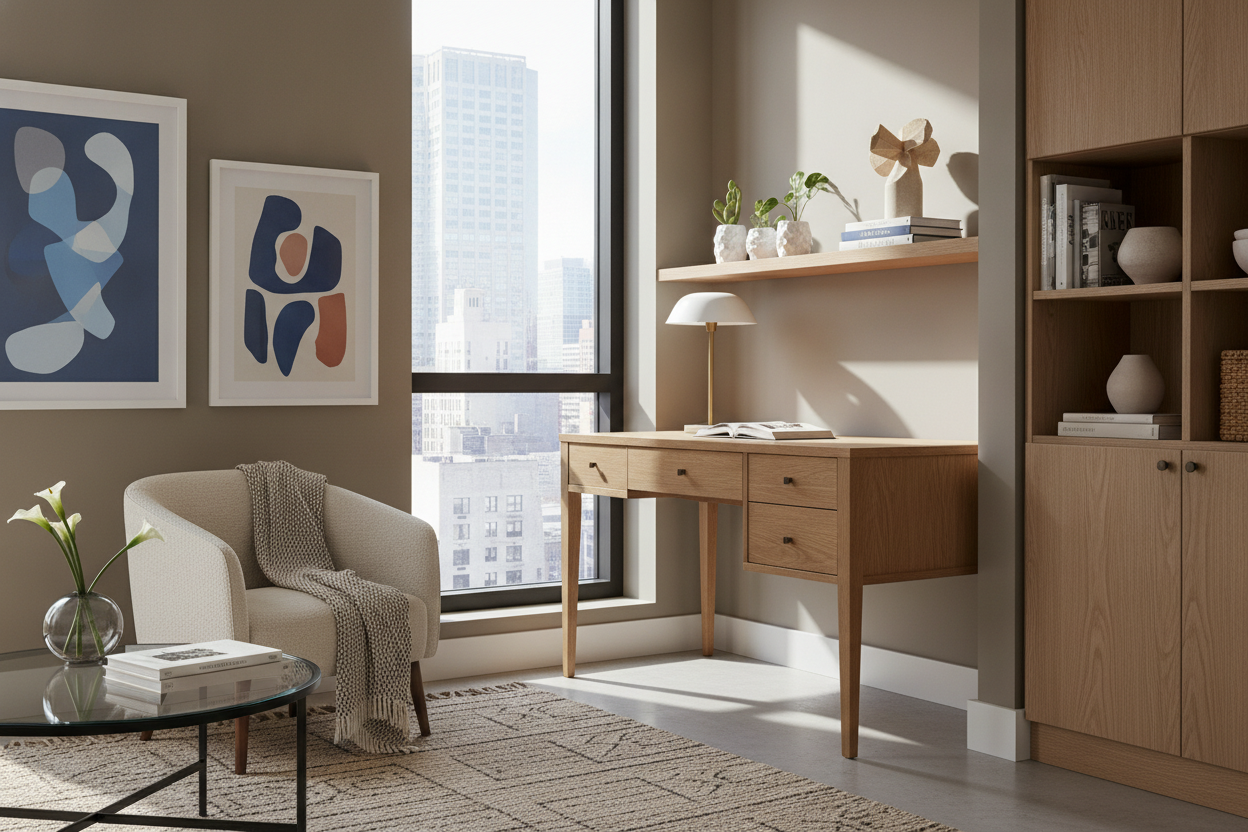
Introduction: The Value of a 28 Inch Wide Desk with Drawers in Compact Workspaces
Finding the right workstation for a compact apartment, guest bedroom, or studio layout often comes down to balancing desktop utility with architectural footprint. A 28 inch wide desk with drawers represents a purposeful midpoint in compact furniture design. It offers enough horizontal breadth to support a laptop, notebook, and essential lighting while remaining narrow enough to slip into unused alcoves, shallow wall offsets, or beside a bed.
Unlike open-frame tables that leave cords and office accessories exposed, choosing a 28 inch desk with integrated storage creates an enclosed zone for daily essentials. Concealed storage prevents visual clutter from dominating a multi-purpose room, allowing a bedroom or living area to transition seamlessly between work and relaxation. Whether you are browsing a broader computer desk collection or targeting a specific micro-footprint, understanding how to configure this compact profile helps you maximize every square inch of available floor area.
Deciphering Dimensions: Width vs. Height vs. Depth Considerations
When planning a workstation in tight quarters, dimension labels require close attention. A 28 inch wide desk refers strictly to horizontal side-to-side span, but shoppers often encounter references to a 28 inch height desk or a 28 in wide desk. Clarifying how width, depth, and height interact is essential for ensuring comfortable daily use.
- Width (Horizontal Span): A 28" wide desk provides a compact work surface suited for laptops, tablets, and streamlined desktop monitors. It fits neatly into standard closet conversions, tight wall returns, and small bedroom corners.
- Height (Vertical Clearance): Desks described around standard sitting heights, or models referred to as a 28 inch tall desk or 28 inch high desks, determine the relationship between your chair seat and your forearms. Choosing an adjustable task chair ensures proper alignment with the desktop surface regardless of subtle height variations.
- Depth (Front-to-Back Clearance): A compact width is most effective when paired with a balanced depth. A shallow surface preserves room walkway clearance, while a deeper profile accommodates monitor risers or desktop lamps.
For rooms with ample floor area or complex multi-monitor setups, expansive options like a dedicated computer desk product offer extended surface area. However, when square footage is strictly constrained, a 28 wide desk maintains essential utility without overwhelming the room layout.
Drawer Configurations and Knee Clearance Architecture
Integrating storage into a compact 28 desk requires careful structural balance. Because the total horizontal width is limited, the placement of drawers directly dictates available legroom and seating comfort.
Full-Width Lap Drawers
A single, shallow drawer positioned directly beneath the tabletop spans the full width of the workstation. This design keeps the entire lower span open for your legs and chair base, making it easy to tuck your chair completely underneath when not in use. It works best for storing stationery, charging cables, slim laptops, and writing pads without encroaching on knee height.
Vertical Side Pedestals
Some compact desks incorporate a vertical stack of two or three drawers on one side. While this provides segmented storage for documents and personal items, it divides the 28-inch width between the drawer bank and the knee well. When selecting a small desk 28 inches wide with a side pedestal, verify that the remaining opening accommodates your chair width comfortably. For deeper spatial planning insights, reviewing a small wide desk guide can help you evaluate how different drawer architectures fit specific body types and room constraints.
Raised Desktop or Floating Drawers
Another functional variation places small organizer drawers on a raised riser above the main surface. This preserves the entire underside for leg clearance while introducing multi-level storage for pens, eyeglasses, and desktop accessories.
Room Placement and Micro-Zone Layout Blueprints
A 28 in desk excels in transitional zones throughout the home where conventional office furniture cannot fit. Here are strategic placements to consider:
The Bedroom Niche or Nightstand Hybrid
In smaller bedrooms, placing a 28" desk adjacent to the bed allows the unit to serve dual roles as a daytime workstation and an evening bedside table. Enclosed drawers store both office supplies and personal nighttime essentials, keeping the surface organized.
The Architectural Alcove or Closet Office
Recessed wall alcoves, spaces beneath staircases, and converted reach-in closets frequently measure around 30 inches in opening width. A 28-inch unit fits neatly into these architectural pockets, leaving adequate side margins for ease of installation and smooth wall clearance.
The Multi-Use Living Room Corner
Positioning a 28 inch computer desk in an underutilized corner of a living room creates a dedicated focus zone without dominating the social seating arrangement. While large multi-cabinet workstations like a wide computer desk product are suited for dedicated home libraries, a compact desk seamlessly blends into shared living spaces.
Material Selection, Hardware, and Structural Stability
The longevity and tactile quality of a compact desk depend heavily on the materials and hardware used in its construction. Because smaller furniture pieces experience frequent movement and daily contact, durable materials ensure lasting stability.
- Engineered Wood with Protective Laminates: High-density engineered wood finished with scratch-resistant melamine or wood veneer provides structural rigidity, moisture resistance, and uniform surfaces that are easy to wipe clean.
- Metal Sub-Frames and Legs: Powder-coated steel or aluminum legs offer strong load support while maintaining a slim visual profile. Open metal frames allow light to pass through, making small rooms appear larger.
- Drawer Glides and Hardware: Smooth metal ball-bearing glides prevent sticking and allow full drawer extension, ensuring easy access to items stored at the back of compact drawers.
- Floor Levelers and Wall Anchoring: Adjustable leveling feet compensate for uneven flooring, preventing wobbling. For taller units or households with children and pets, securing the desk with anti-tip hardware maintains everyday stability.
Curating an Ergonomic and High-Function Small Desk Setup
Creating an efficient workspace on a compact desktop involves thoughtful vertical zoning and streamlined accessories. With strategic styling, a small workstation can deliver complete professional functionality.
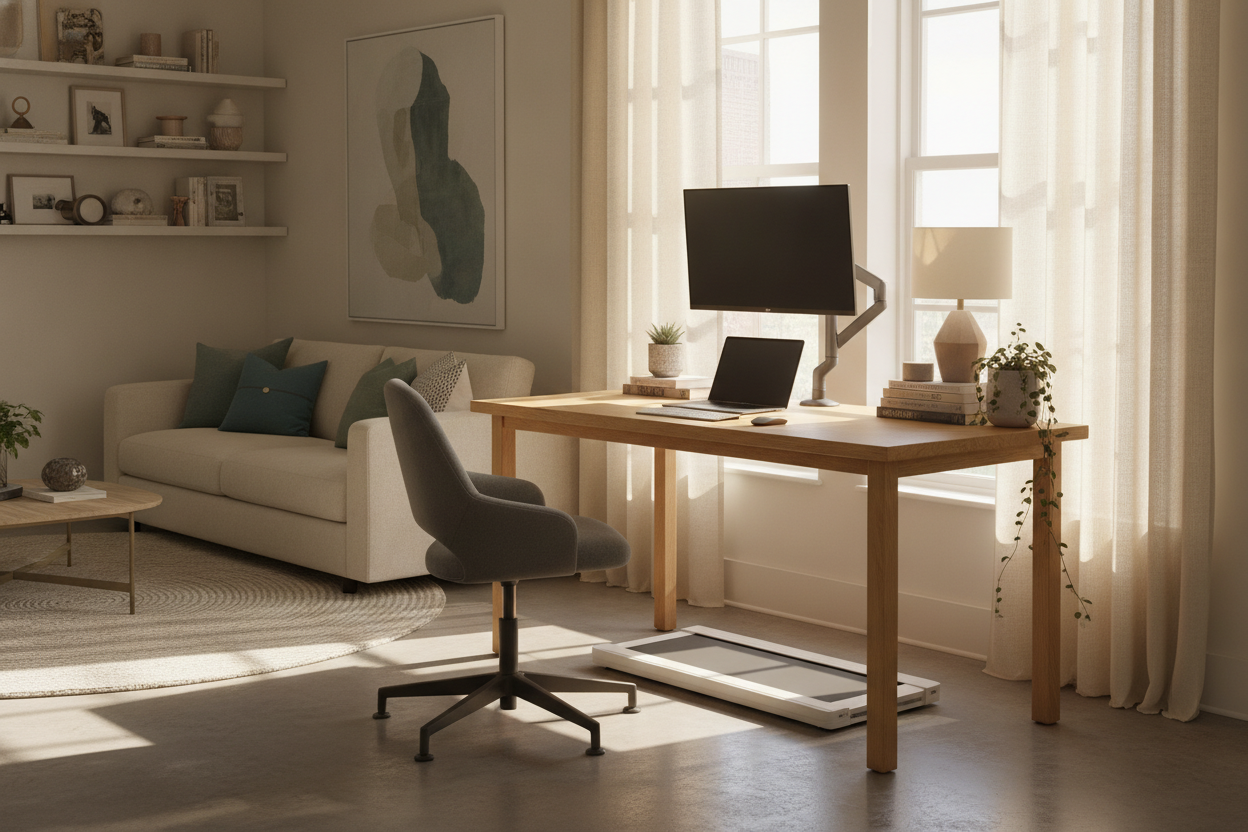
To maintain an uncluttered surface, mount an adjustable task light to the desk edge or wall rather than using a wide base lamp. A compact monitor riser elevates your screen to eye level while creating an open storage cavity underneath for keyboard storage when not typing. Pairing the desk with an armless task chair allows the seat to tuck fully under the frame, preserving walking pathways when the workday ends. For comprehensive inspiration on refining compact workstations, exploring a small desk high guide provides helpful aesthetic and spatial strategies.
By prioritizing thoughtful drawer placement, accurate room measurements, and streamlined organization, a 28-inch workstation delivers an organized, productive environment tailored perfectly to compact living.

Leave a comment
This site is protected by hCaptcha and the hCaptcha Privacy Policy and Terms of Service apply.